Issue · Labor & Employment

Labor & Employment (Collective Bargaining)

Every labor & employment bill, vote, and legislator stance in United States, automatically classified by Maddy, our AI policy reader.

Total bills
117
119th Congress
Top supporter
Adam Gray
100% support rate
Top opponent
Chip Roy
0% support rate
Ranked legislators
10
5 support · 5 oppose
Key legislators

Who's moving collective bargaining in United States

Legislators moving collective bargaining in United States
Legislator Party Stance Support rate Votes
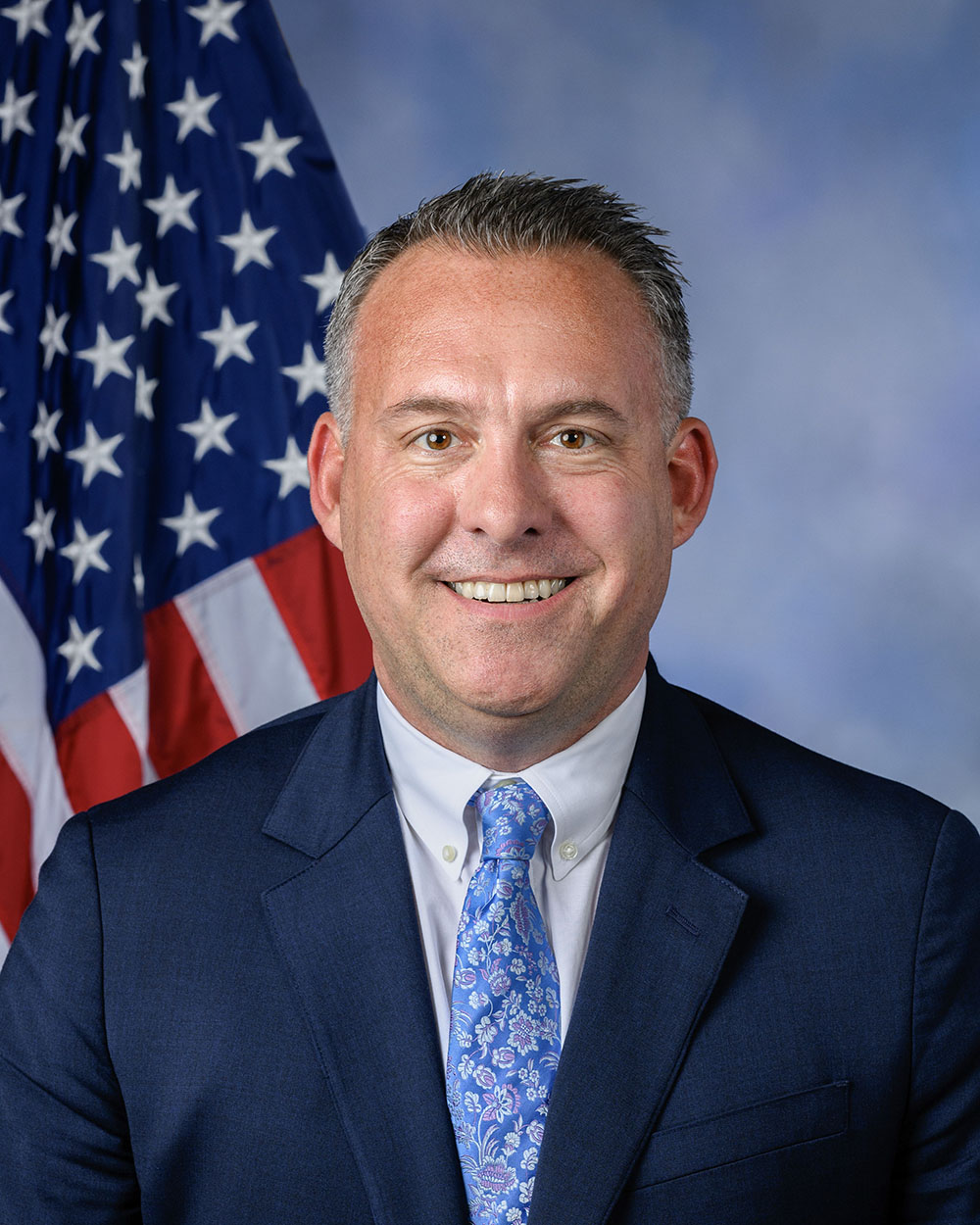
Adam Gray
Adam Gray House · District 13
D
Strong +
100% 7
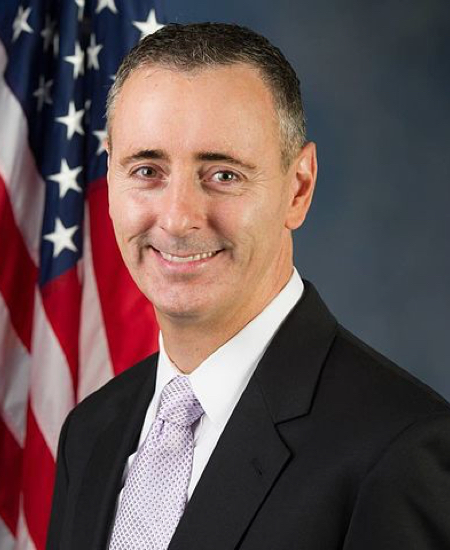
Brian K. Fitzpatrick
Brian K. Fitzpatrick House · District 1
R
Strong +
100% 7
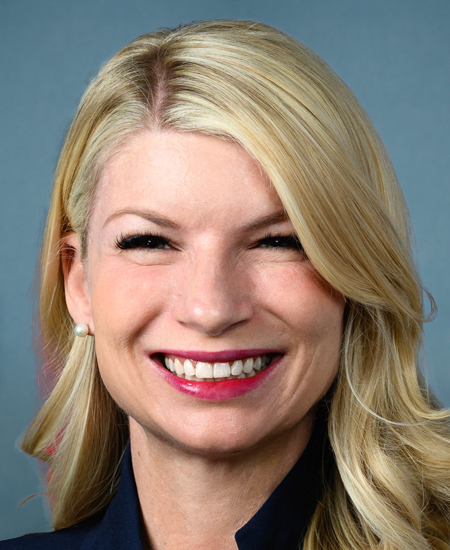
Brittany Pettersen
Brittany Pettersen House · District 7
D
Strong +
100% 7
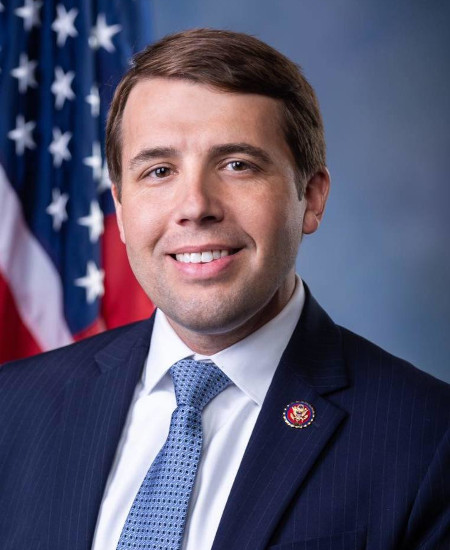
Chris Pappas
Chris Pappas House · District 1
D
Strong +
100% 7
Christopher H. Smith
Christopher H. Smith House · District 4
R
Strong +
100% 7
Chip Roy
Chip Roy House · District 21
R
Strong −
0% 7
Eric Burlison
Eric Burlison House · District 7
R
Strong −
0% 7
Scott Perry
Scott Perry House · District 10
R
Strong −
0% 7
Tom McClintock
Tom McClintock House · District 5
R
Strong −
0% 7
Celeste Maloy
Celeste Maloy House · District 2
R
Strong −
0% 6
Showing 51–60 of 117 bills

All labor & employment bills

in committee · United States · Senate Mar 13, 2025

S 1064: FOCA Act

The FOCA Act (S 1064) requires federal agencies to ensure open competition on construction projects by prohibiting them from mandating or banning contractors from entering into labor agreements (like union contracts) or discriminating against contractors based on such agreements. It directly affects federal contractors, subcontractors, and agencies awarding construction contracts or grants for projects involving federal funds. Key provisions ban specific bid specifications or project documents from requiring labor affiliations, apply to all contracts after enactment, and mandate updates to federal procurement rules within 60 days. The bill aims to reduce taxpayer costs, expand opportunities for small businesses, and maintain federal neutrality in labor relations for construction projects.
in committee · United States · House Jul 23, 2025

HR 4658: STUDENT Act

HR 4658, the STUDENT Act, would impose new requirements on the National Education Association (NEA) to maintain its federal charter. The bill mandates explicit employee consent for membership dues (ending automatic payroll deductions), prohibits the NEA from engaging in political activities or lobbying, and bans the promotion of specific beliefs (such as claims that the U.S. is fundamentally racist) in schools. It also repeals the NEA's property tax exemption in the District of Columbia and requires the organization to comply with anti-discrimination rules and labor laws. These changes directly affect the NEA and its state/local affiliates, altering how they operate and interact with public schools.
in committee · United States · House Feb 12, 2026

HR 7541: U.S. Farmworker Protection Act

HR 7541, the U.S. Farmworker Protection Act, sets a 400,000 annual cap on H-2A visa positions for temporary agricultural workers, with exceptions for jobs covered by union collective bargaining agreements. This directly affects agricultural employers seeking H-2A workers and U.S. farmworkers who may face wage or job competition from the program. The key mechanism limits total certified H-2A positions per fiscal year (excluding union-represented roles), addressing concerns about the program's rapid growth - from 82,099 jobs in 2008 to 384,865 in 2024 - potentially impacting U.S. farmworker wages and conditions. The bill does not change existing H-2A rules but adds this numerical restriction to Congress's stated policy concerns.
in committee · United States · House Nov 19, 2025

HR 6136: PURE Act

HR 6136, the PURE Act, amends the Labor-Management Reporting and Disclosure Act to require secret ballots for union elections where members choose representatives. It removes existing exceptions that allowed non-secret voting for certain union conventions or officer elections by deleting specific language from the law. This change directly affects union members and labor organizations participating in elections for representation or officers. The law takes effect 18 months after enactment, ensuring all such elections use secret ballots as the standard procedure.
in committee · United States · House Mar 25, 2025

HR 1210: Protecting Taxpayers’ Wallets Act of 2025

HR 1210, the Protecting Taxpayers’ Wallets Act of 2025, requires federal agency labor unions recognized as exclusive representatives to pay quarterly fees for using agency resources. These fees cover the value of union time (hours spent on union work during work hours) and agency resources like office space or equipment, calculated using agency pay rates and GSA/market values. Unions must pay fees within 60 days of notice, with penalties including denied union time after 90 days, termination of union certification after 365 days, and fines accruing interest. The bill directly affects federal labor unions representing agency employees, mandating payment for resource use to reduce taxpayer costs.
in committee · United States · House Mar 14, 2025

HR 2126: FOCA Act of 2025

The FOCA Act of 2025 prohibits federal agencies from requiring or banning contractors from using union agreements in construction project bids or contracts. It directly affects federal agencies, contractors, and subcontractors working on federally funded or assisted construction projects (like buildings or infrastructure). The law requires bid documents to not favor or penalize contractors based on whether they have union agreements, aiming to promote open competition and prevent discrimination. This changes how agencies structure bids but does not affect union agreements themselves. The bill applies to all new contracts and subcontracts after enactment, with limited exemptions only for public health/safety emergencies or national security.
in committee · United States · Senate Feb 19, 2025

S 636: Public Safety Employer-Employee Cooperation Act

The Public Safety Employer-Employee Cooperation Act establishes minimum standards for collective bargaining rights for public safety employees, including law enforcement officers, firefighters, and emergency medical services personnel. It requires states to substantially provide specific rights such as forming labor organizations, negotiating terms of employment, and using binding interest arbitration to resolve disputes. The Federal Labor Relations Authority would determine if states meet these standards, and states that don't would be subject to federal regulations for public safety bargaining. The law also prohibits strikes and lockouts in public safety sectors while respecting existing state laws that provide stronger protections for these workers.
in committee · United States · House Mar 25, 2025

HR 2174: Paycheck Protection Act

HR 2174, the Paycheck Protection Act, prohibits federal agencies and the U.S. Postal Service from deducting labor organization dues, fees, or political contributions from employee paychecks. This bill directly affects federal employees and postal workers by ensuring these amounts are no longer withheld from their earnings. The key provision amends existing laws (Title 5 U.S.C. § 7115 and Title 39 U.S.C. § 1205) to explicitly ban such deductions. It does not change existing tax treatment of union dues or affect private-sector workers.
in committee · United States · House Jul 23, 2025

HR 4740: No Tax on Overtime for All Workers Act

This bill creates a federal tax deduction for certain overtime pay, making it non-taxable for eligible workers. It directly affects employees who earn overtime under the Fair Labor Standards Act (FLSA) or as specified in binding collective bargaining agreements, specifically pay exceeding 40 hours per workweek at 1.5x their regular rate. The key provision amends tax law to exclude this defined "qualified overtime compensation" from taxable income, removing federal income tax liability for those specific overtime earnings. The change applies to tax years beginning after December 31, 2024.
in committee · United States · Senate May 7, 2025

S 1650: VA Employee Fairness Act of 2025

S 1650, the VA Employee Fairness Act of 2025, modifies collective bargaining rules for Veterans Health Administration (VHA) employees. It removes existing subsections (b), (c), and (d) from Section 7422 of Title 38 and redesignates the current subsection (e) as (b). This change directly affects VHA health care workers who negotiate with management over wages, hours, and working conditions. The bill clarifies that these modifications do not impact the Secretary's existing authority over incentive pay and expedited hiring under Section 706 of Title 38.
Showing 51 to 60 of 117 bills
Previous 1 5 6 7 12 Next