Issue · Labor & Employment

Labor & Employment

Every labor & employment bill, vote, and legislator stance in United States, automatically classified by Maddy, our AI policy reader.

Total bills
1,439
119th Congress
Top supporter
Brian K. Fitzpatrick
93% support rate
Top opponent
Bernard Sanders
23% support rate
Ranked legislators
10
5 support · 5 oppose
Key legislators

Who's moving labor & employment in United States

Legislators moving labor & employment in United States
Legislator Party Stance Support rate Decisive votes
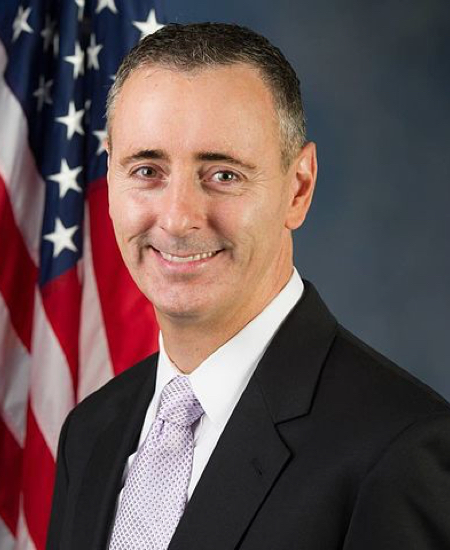
Brian K. Fitzpatrick
Brian K. Fitzpatrick House · District 1
R
Strong +
93% 14
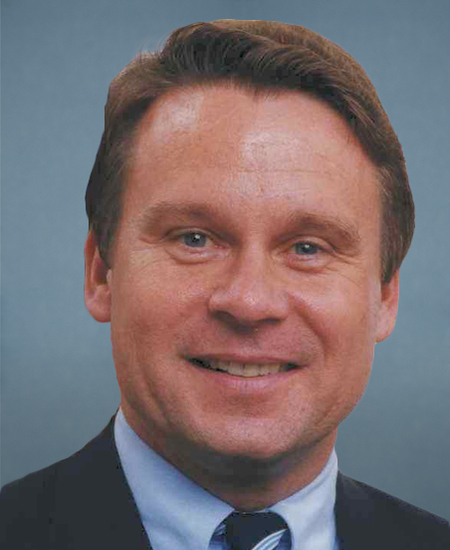
Christopher H. Smith
Christopher H. Smith House · District 4
R
Strong +
93% 14
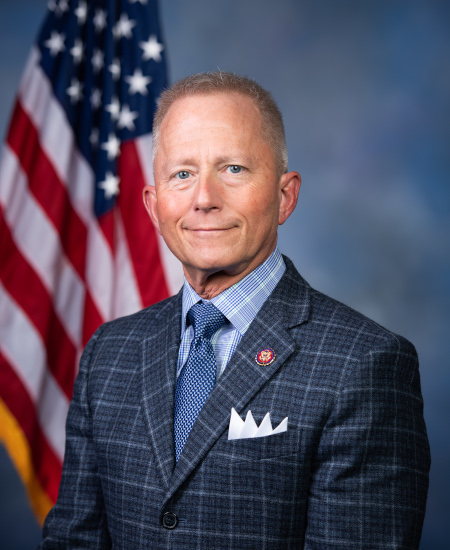
Jefferson Van Drew
Jefferson Van Drew House · District 2
R
Strong +
93% 14
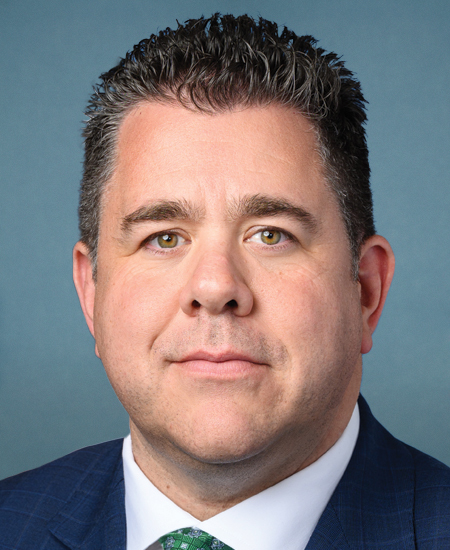
Nick LaLota
Nick LaLota House · District 1
R
Strong +
93% 14
Robert P. Bresnahan, Jr.
Robert P. Bresnahan, Jr. House · District 8
R
Strong +
93% 14
Bernard Sanders
Bernard Sanders Senate
I
Oppose
23% 13
Edward J. Markey
Edward J. Markey Senate
D
Oppose
23% 13
Elizabeth Warren
Elizabeth Warren Senate
D
Oppose
23% 13
Lisa Blunt Rochester
Lisa Blunt Rochester Senate
D
Oppose
23% 13
Rand Paul
Rand Paul Senate
R
Oppose
25% 12
Showing 411–420 of 1,439 bills

All labor & employment bills

in committee · United States · House Mar 26, 2026

HCONRES 81: Recognizing the significance of equal pay and the disparity between wages paid to men and women.

This concurrent resolution formally recognizes the ongoing disparity between wages paid to men and women in the United States and reaffirms Congress's commitment to supporting equal pay. It highlights statistical data showing that women earn approximately 81 cents for every dollar earned by men, with significant variations across racial and ethnic groups, and notes that the gender wage gap has widened over the past two years. The document also identifies contributing factors such as occupational segregation, lack of family-friendly workplace policies, and workplace harassment, while emphasizing the economic impact on women's retirement security and family incomes.
in committee · United States · Senate Mar 12, 2026

S 4081: Fair Wages for Home Care Workers Act

This bill, known as the Fair Wages for Home Care Workers Act, would change federal labor rules to require overtime pay and minimum wage protections for certain babysitters who currently do not receive these benefits. It specifically targets casual babysitting jobs that are irregular or intermittent and not performed by individuals whose primary occupation is babysitting. The law would also clarify that trained medical professionals like nurses and home health aides remain exempt from these new requirements, ensuring the changes apply only to casual domestic caregivers. By amending the Fair Labor Standards Act of 1938, the bill aims to extend wage protections to a specific group of home care workers while maintaining existing exemptions for professional medical staff.
in committee · United States · Senate Apr 29, 2026

S 3993: Reducing Arbitrary Barriers to Apprenticeship Act of 2026

This bill, known as the Reducing Arbitrary Barriers to Apprenticeship Act of 2026, changes how veterans receive educational assistance when they choose apprenticeships or on-the-job training instead of traditional four-year college programs. It directly affects veterans eligible for Post-9/11 GI Bill benefits, the All-Volunteer Force Educational Assistance Program, and Selected Reserve educational benefits. The bill increases monthly housing stipends for apprenticeship participants and removes minimum attendance requirements for those working in construction-related occupations. These changes aim to make non-college training pathways more financially viable for veterans seeking to build careers through hands-on experience.
in committee · United States · House Mar 4, 2026

HR 7787: To amend title VII of the Public Health Service Act to strengthen the mental health workforce, and for other purposes.

This bill creates a federal loan forgiveness program to encourage mental health professionals to work in areas with shortages of care providers. It directly affects students and graduates enrolled in mental health training programs at minority-serving institutions who agree to work full-time in underserved communities for at least five years. Under the program, eligible individuals would receive loan deferment during their service period, and after completing five years of employment, the government would repay up to $200,000 of their outstanding student loans. The bill defines qualified mental health providers to include psychiatrists, psychologists, social workers, and other licensed professionals specializing in mental and behavioral health care.
in committee · United States · Senate Mar 12, 2026

S 4068: ACTION for National Service Act

This bill reorganizes AmeriCorps by converting it from a government corporation into a new executive department called the AmeriCorps Administration. It creates an advisory board with seven members appointed by various officials, including the President and congressional leaders, to guide policy and program oversight. The legislation increases financial benefits for participants, doubling educational awards to twice the average in-state tuition and raising living allowances to 175-210 percent of the federal minimum wage. It also establishes a new National Service Foundation to accept private donations and gifts for the program, and sets a goal of serving one million participants annually by 2036.
in committee · United States · Senate Jan 24, 2025

S 243: Radiation Exposure Compensation Reauthorization Act

The Radiation Exposure Compensation Reauthorization Act (S 243) extends and expands the existing Radiation Exposure Compensation Act (RECA) through 2031. It creates new compensation for people exposed to Manhattan Project waste (covering specific ZIP codes in Missouri, Tennessee, Alaska, and Kentucky), increases compensation to $100,000 for leukemia and other specified diseases, and expands eligibility for uranium mining workers. The bill extends the claim filing deadline from 2 to 5 years, allows up to three resubmissions of denied claims, and establishes a grant program to study uranium mining's health impacts. This legislation directly affects individuals who lived downwind of nuclear tests, worked in uranium mining, or were exposed to Manhattan Project waste.
in committee · United States · Senate Oct 9, 2025

S 2995: Shutdown Guidance for Financial Institutions Act

This bill requires federal financial regulators (like the Fed and CFPB) to issue guidance within 180 days of enactment, directing banks and lenders to assist consumers and businesses affected by government shutdowns. It defines affected groups as furloughed federal employees, DC workers without pay, or contractors facing income loss due to shutdowns. The guidance mandates lenders to help these groups with loan modifications, prevent credit score harm from temporary payment difficulties, and avoid reporting modified loans negatively. Regulators must also issue a public alert at shutdown start and submit a post-shutdown effectiveness report to Congress within 90 days.
in committee · United States · House Mar 12, 2026

HR 7908: 20-Year Promise Act

This bill, known as the 20-Year Promise Act, would extend educational assistance benefits for U.S. military service members who complete at least 20 years of active service. Under current law, veterans typically receive up to 36 months of education funding, but this legislation would increase that limit to 72 months for those who meet the 20-year service requirement. The change applies to individuals who complete their 20 years of service on or after the bill is enacted, regardless of when they joined the military or their specific duty status. The bill modifies Title 38 of the U.S. Code to establish these new eligibility rules and adjust related provisions governing how education benefits are transferred and limited.
in committee · United States · House Mar 25, 2026

HCONRES 80: Recognizing the duty of Congress to meet the needs of working women.

This concurrent resolution formally recognizes Congress's duty to protect the rights and economic security of working women, who make up nearly half of the U.S. workforce. The document highlights concerns about wage gaps, workplace discrimination, and recent policy changes that have weakened protections for women, particularly women of color. It calls for Congress to support equal pay, workplace safety, access to healthcare, paid leave, and the right to unionize, while also condemning actions that undermine civil rights enforcement and workplace protections. The resolution serves as a statement of principle rather than a law that creates new legal requirements.
in committee · United States · Senate Mar 16, 2026

S 4100: A bill to amend title 5, United States Code, to clarify whistleblower protections for duty speech disclosures, and for other purposes.

This bill amends federal whistleblower protections to clarify how they apply to employees whose main job is investigating and reporting wrongdoing. It specifically updates the legal definition of protected disclosures to include reports made during the normal course of duties by employees whose primary role involves regularly investigating and disclosing misconduct. The changes reorganize existing categories of protected speech and add a new provision to ensure these specialized investigators receive clear legal safeguards when reporting issues they encounter. The legislation directly affects federal employees in investigative roles and strengthens the statutory framework governing their ability to report wrongdoing without fear of retaliation.
Showing 411 to 420 of 1,439 bills
Previous 1 … 41 42 43 … 144 Next