

Issue · Labor & Employment
Labor & Employment (Child Labor)
Every labor & employment bill, vote, and legislator stance in United States, automatically classified by Maddy, our AI policy reader.
Total bills
71
119th Congress
Top supporter
Brian K. Fitzpatrick
100% support rate
Top opponent
Adam Gray
33% support rate
Ranked legislators
10
5 support · 5 oppose
Key legislators
Who's moving child labor in United States
| Legislator | Party | Stance | Support rate | Votes |
|---|---|---|---|---|
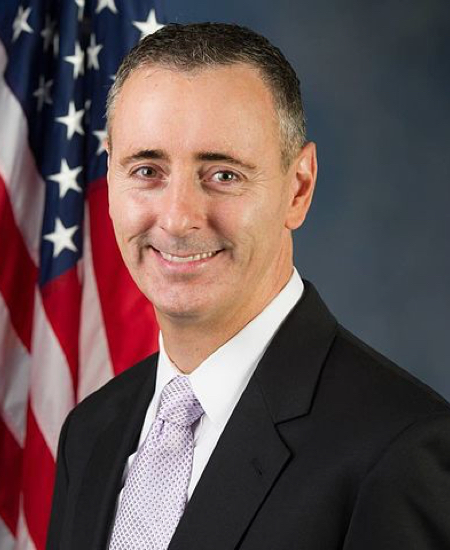
Brian K. Fitzpatrick
House · District 1
|
R |
Strong +
|
100% | 3 |
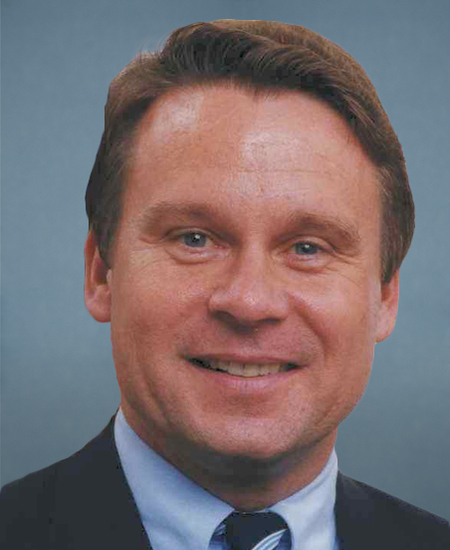
Christopher H. Smith
House · District 4
|
R |
Strong +
|
100% | 3 |
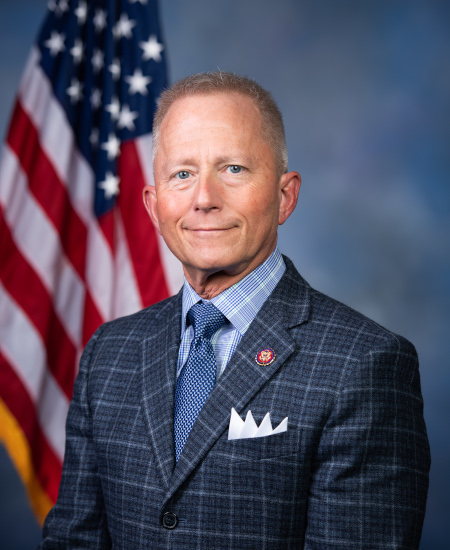
Jefferson Van Drew
House · District 2
|
R |
Strong +
|
100% | 3 |
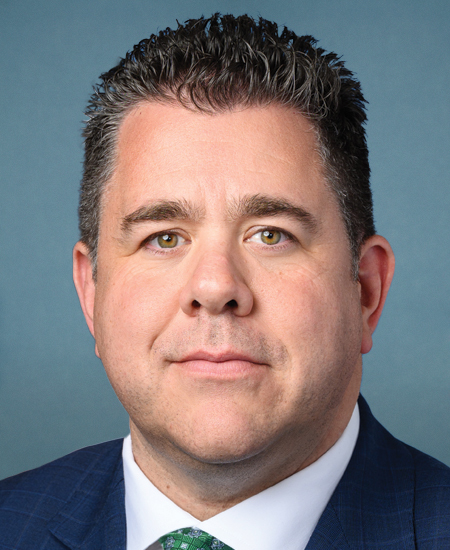
Nick LaLota
House · District 1
|
R |
Strong +
|
100% | 3 |
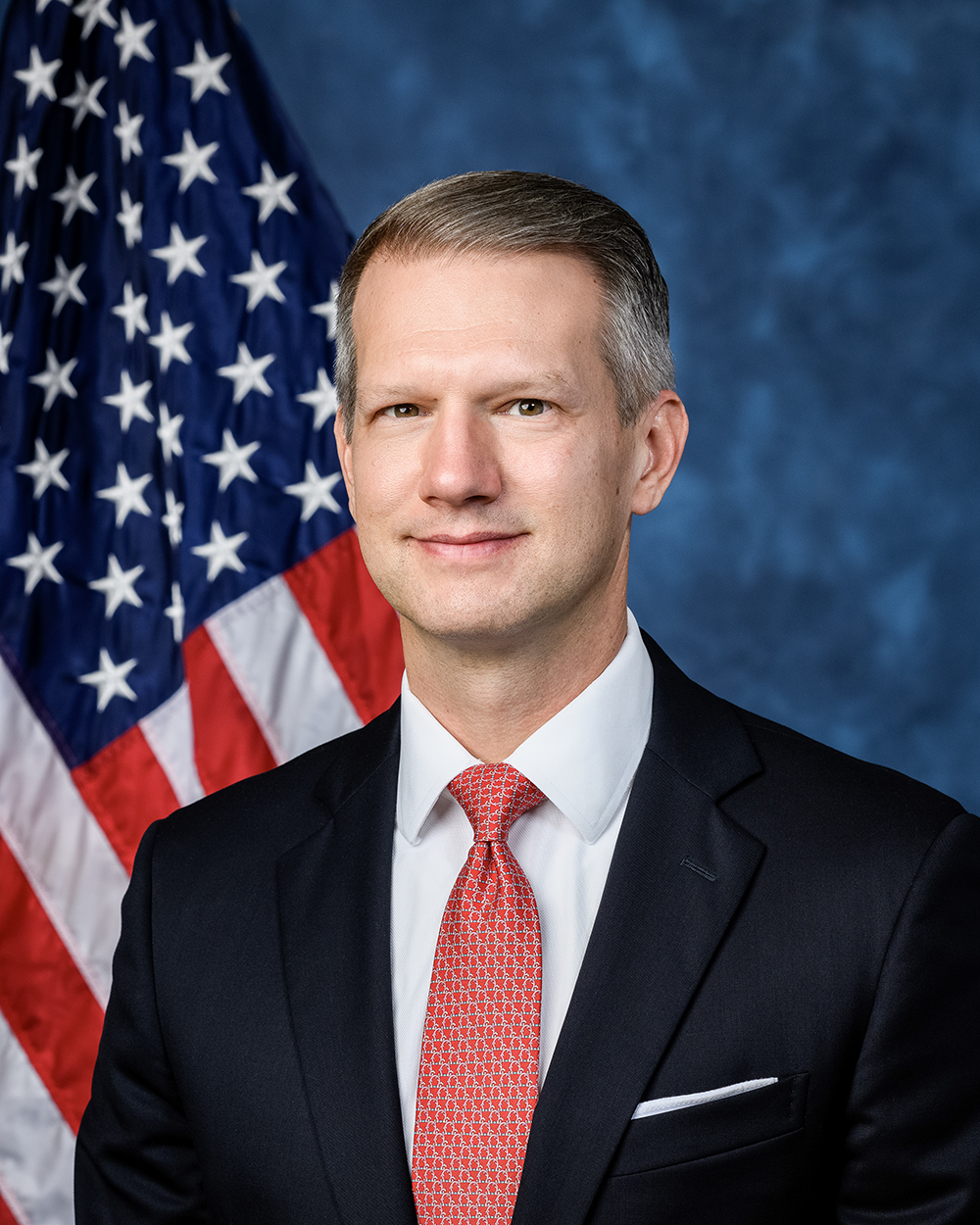
Riley M. Moore
House · District 2
|
R |
Strong +
|
100% | 3 |
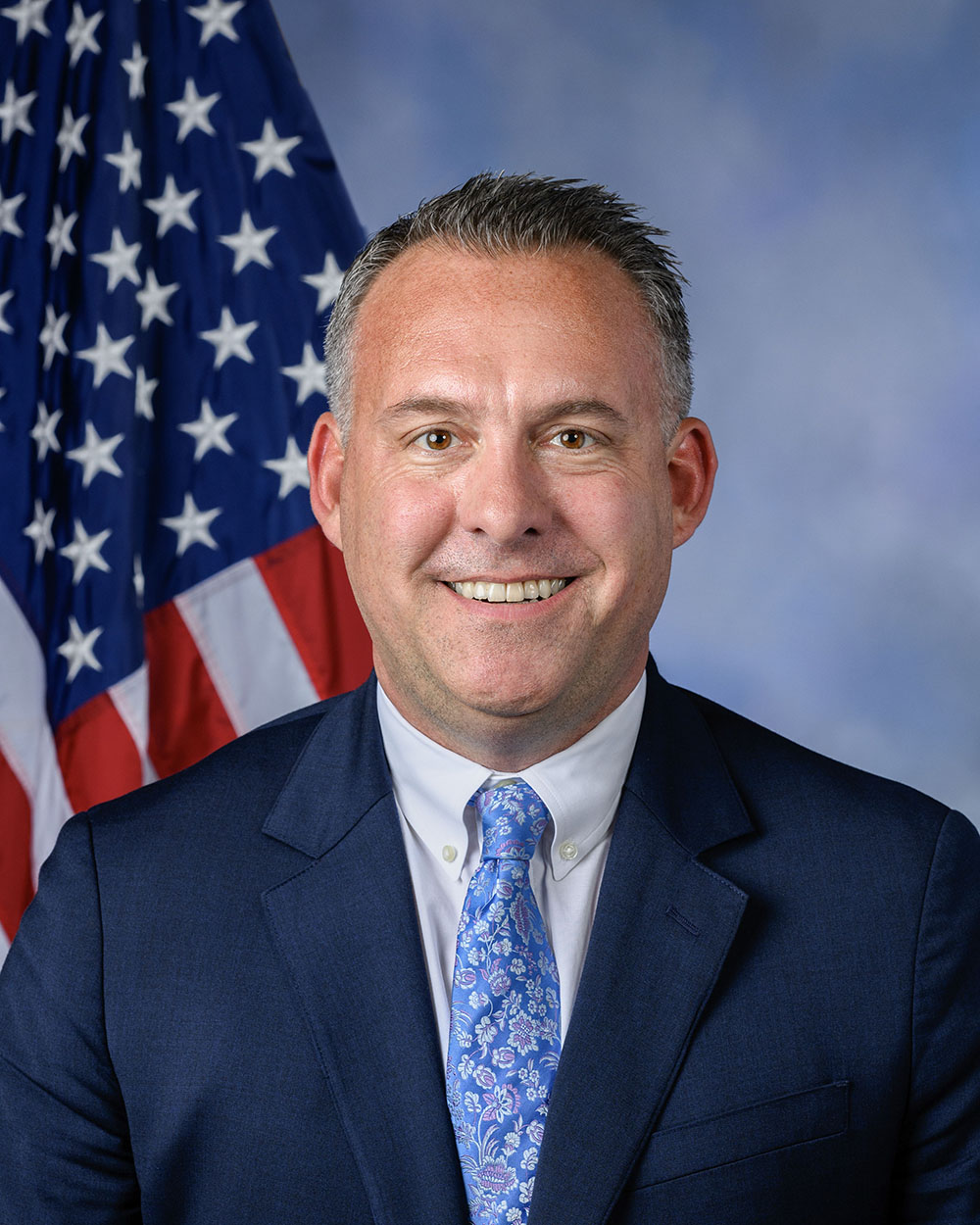
Adam Gray
House · District 13
|
D |
Oppose
|
33% | 3 |
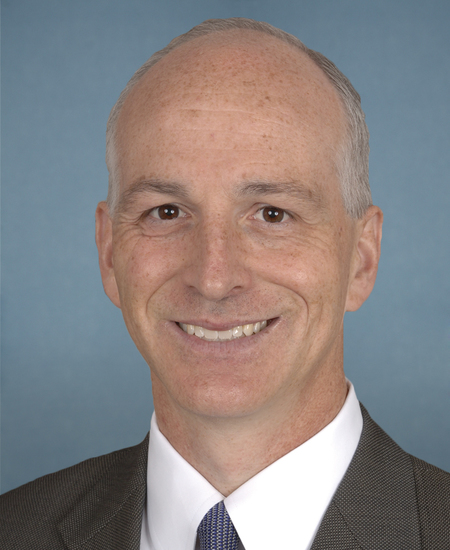
Adam Smith
House · District 9
|
D |
Oppose
|
33% | 3 |
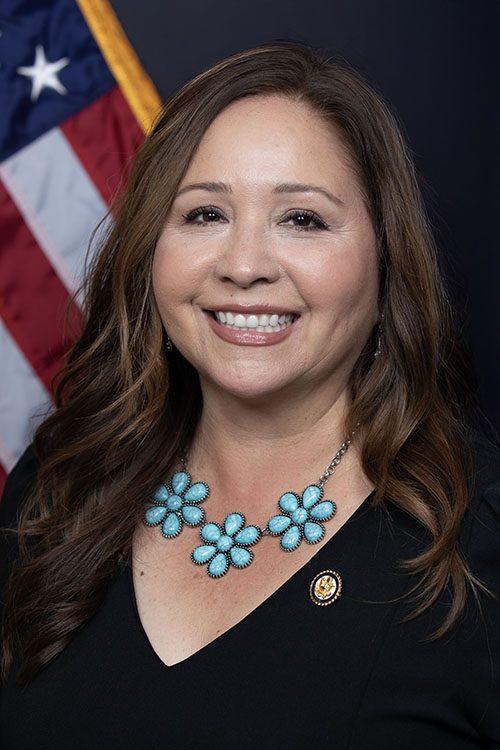
Adelita S. Grijalva
House · District 7
|
D |
Oppose
|
33% | 3 |
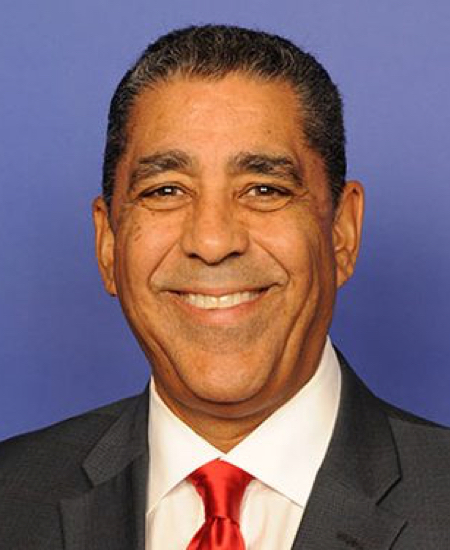
Adriano Espaillat
House · District 13
|
D |
Oppose
|
33% | 3 |
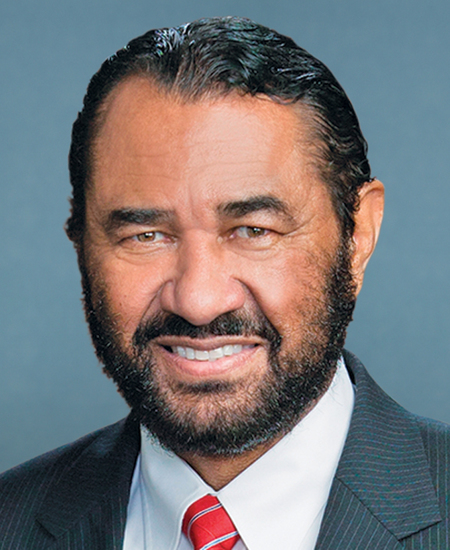
Al Green
House · District 9
|
D |
Oppose
|
33% | 3 |
Showing 31–40 of 71
bills
All labor & employment bills
HR 3367: Improving Training for School Food Service Workers Act of 2025
HR 1193: Future in Logging Careers Act
HR 6606: Opportunities for Success Act of 2025
Topics
✓ EducationSupports EducationIncreases higher education funding by $1.5B-$2.5B annually for work-based learning programs with mandatory student compensation allocations.
✓ Labor & EmploymentSupports Labor & EmploymentMandates compensation for students in work-based learning, aligning with fair pay standards for student workers under labor/employment policies.
Sub-Topics
Career & Technical Education
Higher Education
Student Financial Aid
Apprenticeships
Child Labor
Workforce Development
HR 2507: Helping to Encourage Real Opportunities (HERO) for Youth Act of 2025
Topics
✓ Budget & TaxesSupports Budget & TaxesBill expands federal tax credits for employers hiring youth/disconnected youth, providing tax relief to businesses to encourage employment. This directly uses tax policy to support job creation for vulnerable groups, aligning with fiscal initiativ...
✓ Labor & EmploymentSupports Labor & EmploymentExpands tax credits for employers hiring youth and disconnected youth, increasing employment opportunities for vulnerable workers.
HR 6880: Honoring Family-Friendly Workplaces Act
Topics
✓ HealthcareSupports HealthcareBill promotes family-friendly workplace policies including paid leave and childcare support, which indirectly supports healthcare access and employee well-being.
✓ Labor & EmploymentSupports Labor & EmploymentBill mandates paid family leave, child care subsidies, and flexible scheduling - expanding worker benefits and protections under Labor & Employment standards.
HR 7541: U.S. Farmworker Protection Act
Topics
✗ ImmigrationOpposes ImmigrationCaps H-2A visas at 400,000 annually, restricting access for temporary agricultural workers, directly limiting immigrant employment opportunities.
✓ Labor & EmploymentSupports Labor & EmploymentCaps H-2A visas to reduce competition for U.S. farmworkers, protecting wages/jobs; exception for union bargaining supports labor rights.
S 3534: A bill to amend the Internal Revenue Code of 1986 to provide a credit for increasing wages paid to child care providers.
Topics
✓ Budget & TaxesSupports Budget & TaxesBill provides 5-7% tax credit to child care employers for wage increases, reducing federal tax liability and incentivizing wage growth in essential childcare sector.
✓ Labor & EmploymentSupports Labor & EmploymentBill provides tax credit for wage increases to child care workers, directly advancing worker compensation through financial incentives for employers.
HR 2949: Working Families Task Force Act of 2025
HR 2506: AID Youth Employment Act
Topics
✓ Criminal JusticeSupports Criminal JusticeBill specifically targets youth involved in the justice system for employment support, aiming to reduce recidivism and improve rehabilitation through workforce development partnerships.
✓ EducationSupports EducationRequires partnerships with educational agencies and allocates $4.2B for youth programs, directly engaging education systems to support marginalized students' access and opportunities.
✓ HousingSupports HousingTargets homeless youth (a housing issue) through employment programs, addressing homelessness as a core focus, though indirectly via job training.
✓ Labor & EmploymentSupports Labor & EmploymentBill creates federal grants for youth employment (14-24) with $4.2B funding, focusing on marginalized groups. Directly advances employment opportunities and standards for vulnerable workers.