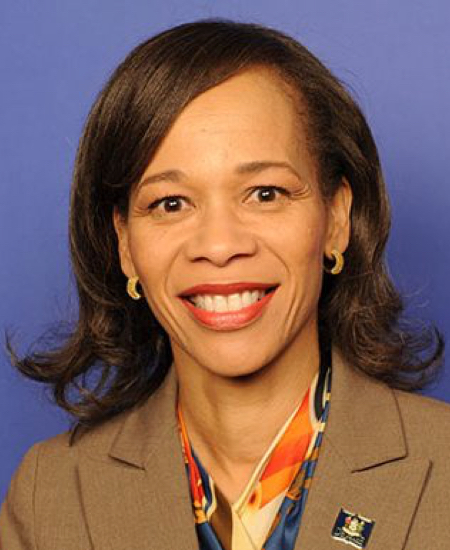
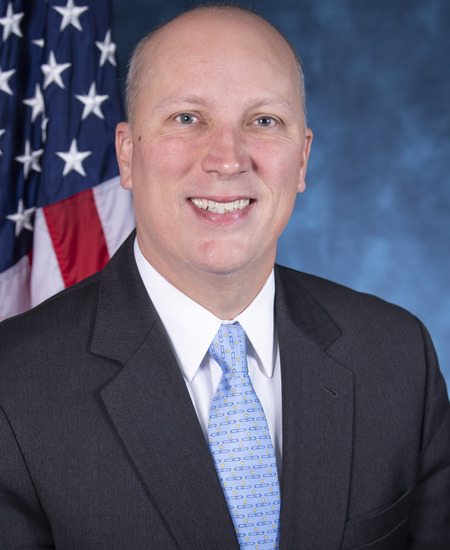
The Corrections Officer Blake Schwarz Suicide Prevention Act of 2026 establishes a federal grant program to help states, localities, and the Bureau of Prisons implement mental health screening surveys for corrections officers. These surveys are designed to confidentially identify symptoms of mental illnesses such as depression and bipolar disorder, with positive results automatically triggering a referral to local mental health providers. The legislation also requires the creation of mental health outreach teams to coordinate care and ensures that officers seeking treatment are protected from adverse employment actions. An independent Advisory Board will oversee the program, approve state and local plans, and monitor the use of the authorized funding, which totals $200 million over five years.
This bill expands the Department of Defense Military Retirement Fund to include retired pay for members of the uniformed services beyond the current military branches. It specifically adds the National Oceanic and Atmospheric Administration and the Public Health Service to the list of agencies whose commissioned officers receive pensions from this fund. The legislation requires a calculation of the financial gap for these new groups by 2027 and establishes a schedule for paying off that debt over time. Additionally, the bill updates various legal definitions and administrative procedures to ensure these new services are treated consistently with existing military personnel regarding retirement benefits and survivor protections.
This bill directs the Department of Defense to connect military recruits who cannot enlist with the Job Corps program for training in skilled industrial jobs within the defense industry. It expands specific workforce incentives to include Job Corps centers and gives local operators more flexibility to hire staff, partner with educational institutions, and manage their programs without waiting for federal approval. The legislation also updates rules to allow Job Corps centers to accept cash donations and grants more easily while streamlining enrollment for veterans and active-duty service members. Overall, the act aims to reduce shortages of skilled workers in defense manufacturing by aligning Job Corps training with the needs of the defense industrial base.
This bill, known as the Know Your Labor Rights Act, requires employers to post notices about employee labor rights in both physical and digital formats where employee notices are typically displayed. It mandates that employers inform new employees about these rights and provides the National Labor Relations Board with the authority to enforce compliance through orders and civil penalties. The maximum penalty for each violation is set at $500, and the Board must publicly share the notice forms and texts at no cost to employers. These changes directly affect employers and employees by increasing transparency around labor rights and establishing clearer enforcement mechanisms.
The Railroad Retirement Fairness Act amends the Railroad Retirement Act of 1974 to remove a specific provision that allowed deductions from railroad retirement annuities. This change directly affects current and future railroad workers who receive retirement benefits through the Railroad Retirement system. By striking subdivision (6) of Section 2(f), the bill eliminates a particular type of deduction that previously reduced the amount of money some retirees received. The legislation does not alter the overall structure of railroad retirement benefits but specifically targets one existing deduction mechanism.
The SHIELD Act authorizes the President to impose sanctions on foreign entities that use forced labor or child labor in cobalt mining operations. These sanctions allow the government to block assets within the United States and deny visas or entry to affected foreign nationals. The law includes exceptions for humanitarian aid, such as food and medicine, and permits the President to waive sanctions for national security reasons. The authority to enforce these measures will expire seven years after the bill is enacted.
This bill extends the authorization for a Social Security demonstration project aimed at helping disabled individuals return to work until December 31, 2031. It updates the project's rules to allow a longer 120-day waiting period for benefits, adds specific evaluation metrics to track success, and ensures that participants' total income will not decrease due to their involvement in the program. The changes also clarify that administrative costs for the project will be covered by existing Social Security administration funds, while benefits paid to participants will come from the Federal Disability Insurance Trust Fund. These provisions are set to take effect on January 1, 2027, providing a longer timeframe for testing new employment support strategies.
Tags
People with Disabilities
The Tax Relief for First Responder Beneficiaries Act expands tax exemptions for public safety officers and their families starting in 2023. It allows surviving beneficiaries, not just dependents, to exclude certain compensation from their taxable income. Additionally, the bill permits children or beneficiaries of life insurance policies and benefit plans to receive survivor annuity benefits without tax penalties. These changes directly affect first responders and the individuals who rely on their insurance and pension plans after the officers pass away.
The Make Billionaires Pay Their Fair Share Act introduces a 5% annual wealth tax on individuals and trusts with net assets exceeding $1 billion, which is adjusted for inflation after 2026. The bill also expands Medicare coverage to include dental, hearing, and vision services, establishes a $60,000 minimum annual salary for public school teachers, and creates a birth-through-five child care entitlement program for working families. Additional provisions include increased eligibility for health insurance premium tax credits, expanded home and community-based services under Medicaid, and funding for various education and healthcare initiatives.
This Senate resolution designates May 29, 2026, as "Mental Health Awareness in Agriculture Day" to highlight mental health issues within the farming industry. The bill aims to reduce stigma surrounding mental illness among the approximately 3.37 million agricultural producers and 1.6 million farmworkers in the United States. It acknowledges specific challenges faced by these workers, such as suicide rates that are significantly higher than the general population, and encourages the use of existing resources like the Farm and Ranch Stress Assistance Network. The resolution serves as a symbolic gesture to promote well-being rather than enacting new laws or funding changes.