Issue · Labor & Employment

Labor & Employment (Labor Standards)

Every labor & employment bill, vote, and legislator stance in United States, automatically classified by Maddy, our AI policy reader.

Total bills
295
119th Congress
Top supporter
Derrick Van Orden
100% support rate
Top opponent
Julie Fedorchak
33% support rate
Ranked legislators
10
5 support · 5 oppose
Key legislators

Who's moving labor standards in United States

Legislators moving labor standards in United States
Legislator Party Stance Support rate Votes
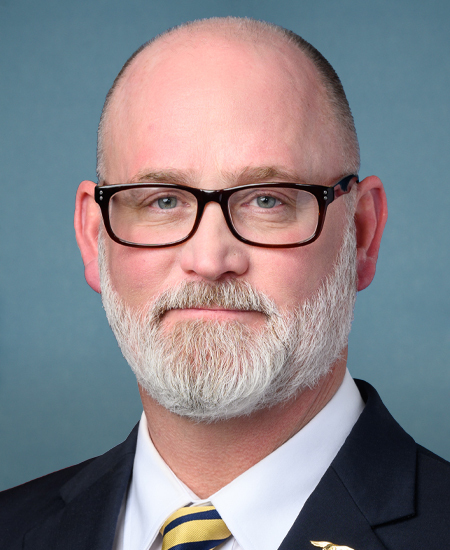
Derrick Van Orden
Derrick Van Orden House · District 3
R
Strong +
100% 3
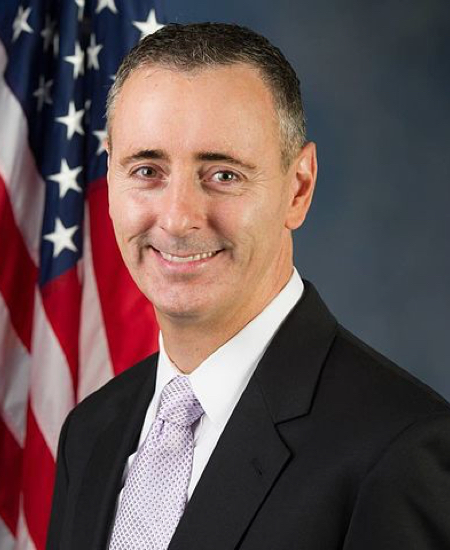
Brian K. Fitzpatrick
Brian K. Fitzpatrick House · District 1
R
Strong +
86% 7
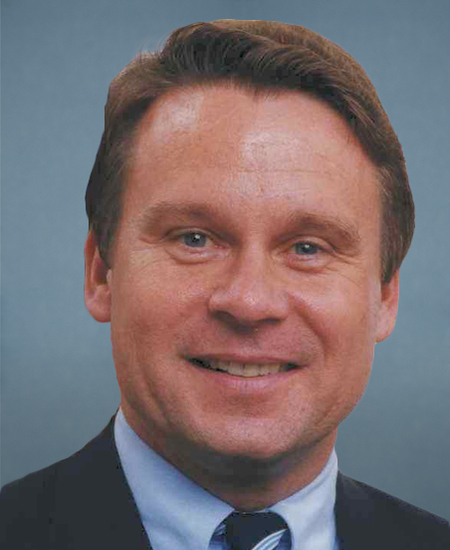
Christopher H. Smith
Christopher H. Smith House · District 4
R
Strong +
86% 7
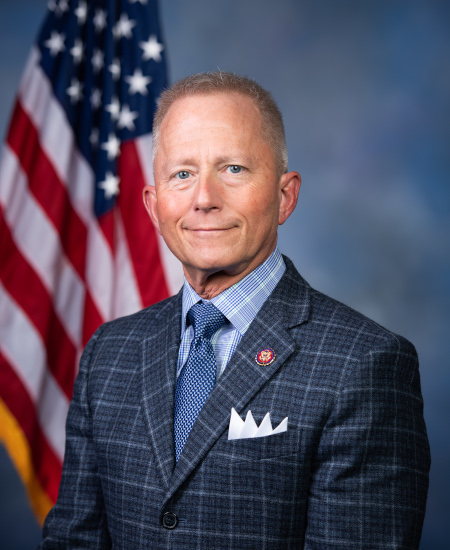
Jefferson Van Drew
Jefferson Van Drew House · District 2
R
Strong +
86% 7
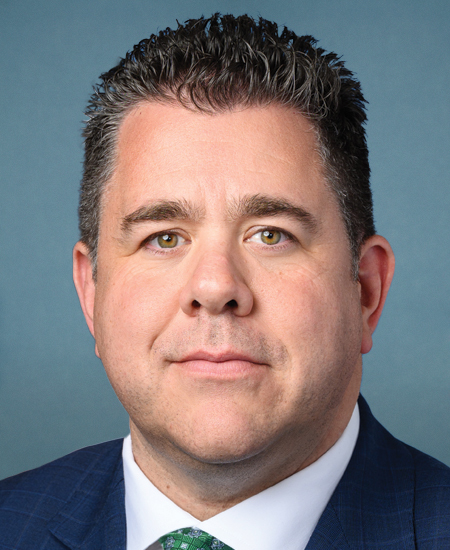
Nick LaLota
Nick LaLota House · District 1
R
Strong +
86% 7
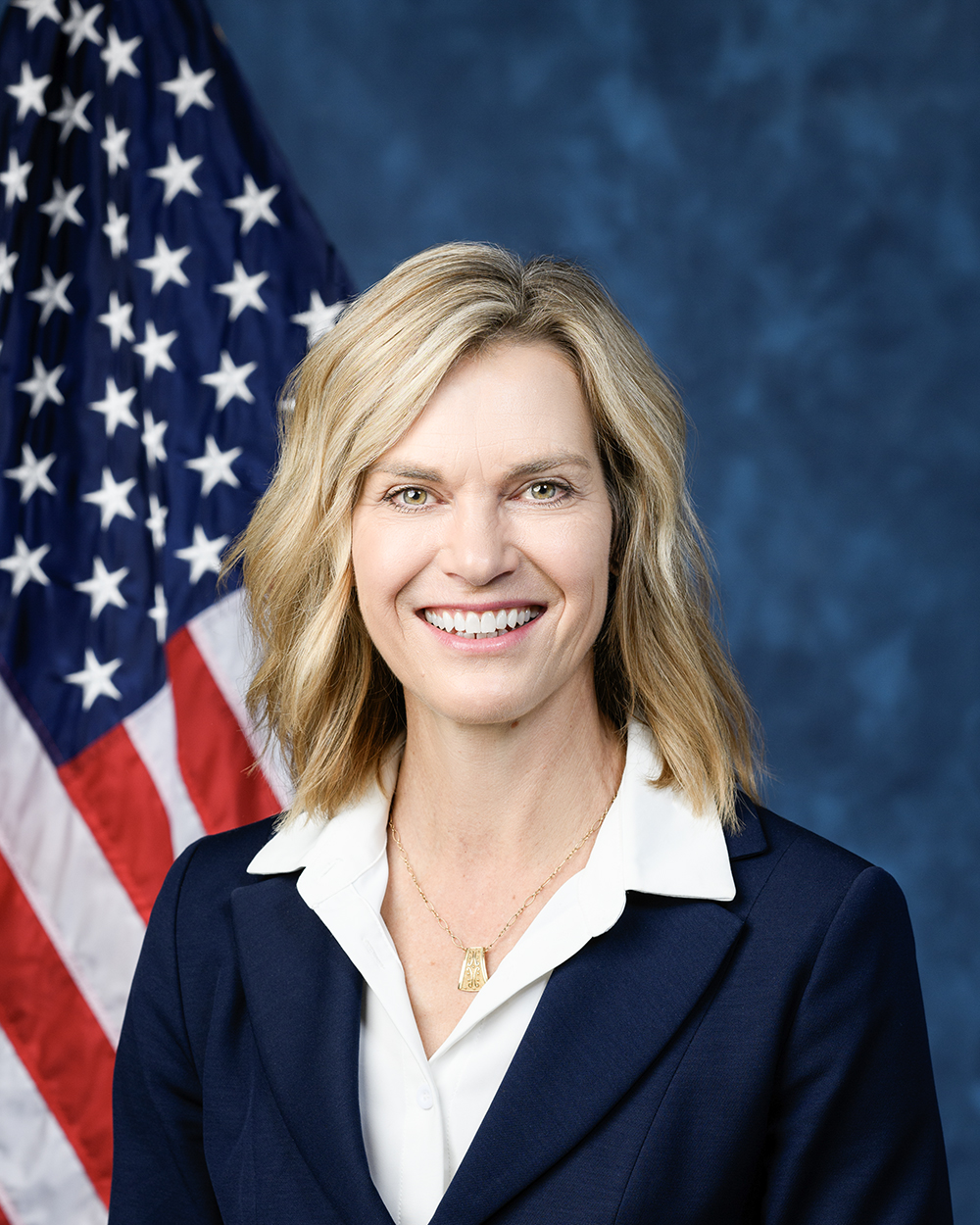
Julie Fedorchak
Julie Fedorchak House · District At-Large
R
Oppose
33% 6
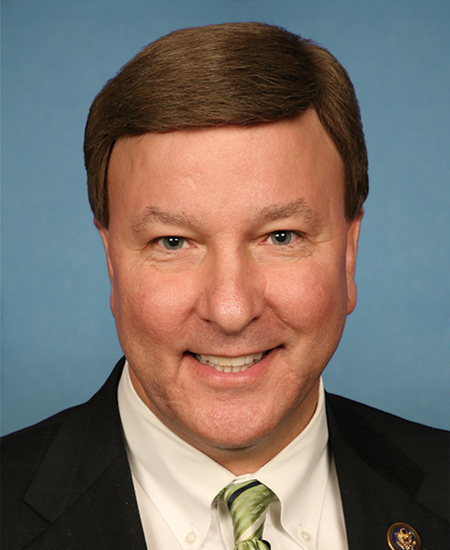
Mike Rogers
Mike Rogers House · District 3
R
Oppose
33% 6
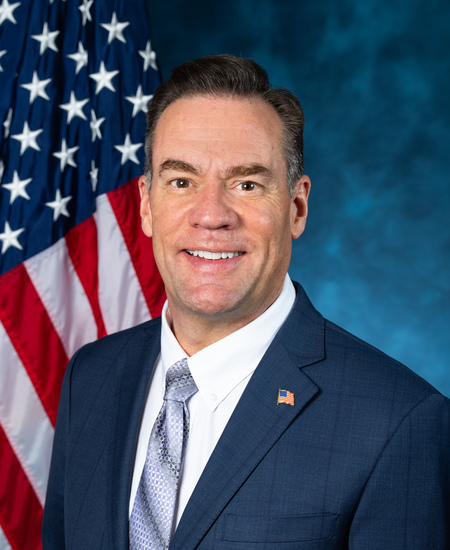
Russ Fulcher
Russ Fulcher House · District 1
R
Oppose
33% 6
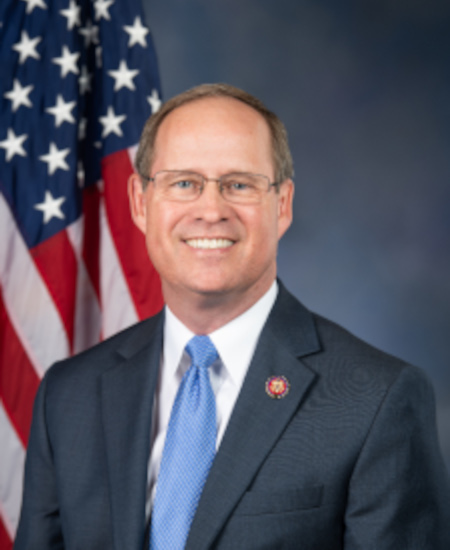
Gregory F. Murphy
Gregory F. Murphy House · District 3
R
Oppose
33% 3
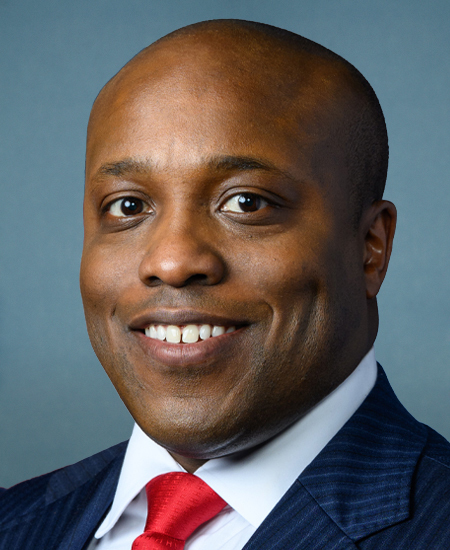
Wesley Hunt
Wesley Hunt House · District 38
R
Oppose
33% 3
Showing 11–20 of 295 bills

All labor & employment bills

in committee · United States · House Aug 10, 2026

HR 10070: Border Patrol Overtime Parity Act

The Border Patrol Overtime Parity Act amends federal law to expand eligibility for special overtime pay rates for U.S. Border Patrol agents. Currently, these higher pay rates are restricted to agents occupying positions at the GS-12 grade level or above. By removing this specific grade requirement from the statute, the bill allows agents in lower-grade positions to qualify for the same overtime compensation. This change directly affects Border Patrol officers by broadening the group of employees who can receive additional pay for working beyond standard hours.
Sub-Topics Labor Standards
in committee · United States · House Jul 30, 2026

HR 9995: Restoring Justice for Workers Act

The Restoring Justice for Workers Act prohibits employers from forcing workers to agree to arbitration for workplace disputes and bans agreements that prevent employees from joining together to seek legal relief. Under this bill, any contract requiring arbitration before a dispute arises would be invalid, while agreements made after a dispute occurs must be truly voluntary, require plain language explanations, include a 45-day waiting period, and receive explicit written consent from the worker. The legislation also makes it illegal to retaliate against employees who refuse to sign arbitration clauses and ensures that courts, rather than arbitrators, decide whether these arbitration agreements are valid. Additionally, the act amends the National Labor Relations Act to explicitly forbid employers from interfering with employees' rights to engage in collective actions regarding their work. These changes apply to all workers, including independent contractors, and take effect immediately upon enactment.
Sub-Topics Labor Standards
in committee · United States · Senate Jul 30, 2026

S 5190: Restoring Justice for Workers Act

The Restoring Justice for Workers Act prohibits employers from requiring workers to sign agreements that force them to resolve disputes through individual arbitration rather than in court or as part of a group. It bans retaliation against employees who refuse to arbitrate and mandates that any post-dispute arbitration agreements be truly voluntary, requiring plain language explanations, a 45-day waiting period, and written consent. The bill also amends the National Labor Relations Act to make it illegal for employers to enter into or enforce contracts that prevent workers from joining together to file joint or class-action lawsuits regarding workplace rights. These changes apply to all workers, including independent contractors, and take effect immediately upon enactment.
in committee · United States · House Jul 27, 2026

HR 9967: Congress Leads by Example Act of 2026

The Congress Leads by Example Act of 2026 expands workplace protections for employees of the legislative branch, including the House, Senate, and agencies like the Government Accountability Office and Library of Congress. The bill strengthens existing safety rules by giving the Office of Congressional Workplace Rights new authority to investigate workplace hazards and explicitly forbids retaliation against staff who report these issues. It also extends several federal employee rights to congressional staff, such as protections against firing due to garnishment or bankruptcy, access to parental bereavement leave, and mandatory mediation for labor disputes. Additionally, the legislation requires legislative offices to keep specific records regarding discrimination claims and ensures that hearings related to these complaints are open to the public.
in committee · United States · Senate Jun 17, 2026

S 4817: CHILD Labor Act

The CHILD Labor Act strengthens existing federal protections against child labor by expanding the definition of hazardous work for minors and requiring stricter oversight of companies in supply chains. It mandates that federal contractors and recipients of federal financial assistance ensure no child under 16 is employed and that those aged 16 or 17 are not engaged in dangerous labor, with penalties for violations extending to parent companies that fail to verify their subcontractors' compliance. The legislation also increases fines for child labor offenses, allows the Department of Labor to issue stop-work orders, and establishes new civil damages for victims of these violations. Additionally, the bill requires the government to publish annual reports on work-related injuries and deaths while funding training programs to help identify and prevent child labor abuses.
in committee · United States · Senate Jul 23, 2026

S 5107: No Corporate Crooks Act

The No Corporate Crooks Act bars individuals from working in the federal executive branch if they have been convicted of specific crimes committed while serving as a chief executive officer of a public or private non-federal entity. This ban applies to offenses such as bribery, fraud, cybercrime, embezzlement, insider trading, wage theft, and tax evasion, as well as comparable state-level crimes. Additionally, the law requires that any current federal executive branch employee who would be ineligible under these new rules must be removed from their position.
Sub-Topics Labor Standards
in committee · United States · House Jul 22, 2026

HR 9859: Ethical Investigations and Integrity Act

The Ethical Investigations and Integrity Act requires the Secretary of Labor to create a written agreement before sharing information with attorneys for use in civil wage and hour cases. This agreement must outline the scope of assistance and be shared with any employers or contractors who could be negatively affected by the disclosure. Additionally, the law mandates that the Department of Labor submit annual reports to Congress detailing these agreements and the specific information exchanged, while protecting the identities of other potential defendants. These provisions aim to increase transparency in how the government provides legal support to attorneys in labor disputes.
Sub-Topics Labor Standards
in committee · United States · Senate Jul 14, 2026

S 4982: Good Jobs for Good Airports Act

The Good Jobs for Good Airports Act establishes new federal standards to ensure that workers at small, medium, and large hub airports receive a living wage and adequate health benefits. It defines "covered service workers" to include employees in roles such as baggage handling, passenger assistance, security, ticketing, and concession services, regardless of whether they are directly hired by the airport or work for a contractor. Under the bill, employers must pay these workers at least the higher of the federal Service Contract Act wage rates or applicable state and local minimum wages, and they must provide similar fringe benefits. To enforce these rules, the Secretary of Labor and the Secretary of Transportation will have the authority to investigate violations, issue penalties, and require employers to submit monthly compliance certifications. Additionally, the law allows private individuals to file lawsuits against non-compliant employers and mandates annual reports to Congress on the implementation of these labor standards.
in committee · United States · Senate Jul 15, 2026

S 4995: Agricultural Worker Justice Act of 2026

The Agricultural Worker Justice Act of 2026 establishes new rules to improve wages, safety, and accountability for workers in the meat and poultry processing industry. It requires the USDA to only purchase food from facilities where workers are paid at least the local prevailing wage and prohibits companies receiving USDA funds from buying back their own stock or paying dividends. The bill also mandates stricter safety standards, including limits on increased production line speeds, better access to toilet facilities, and enhanced protections against retaliation for reporting injuries or unsafe conditions. Additionally, the legislation creates a system to blacklist contractors with repeated labor law violations and requires detailed annual reports on grant recipients and racial disparities in the sector.
in committee · United States · House Jun 9, 2026

HR 9234: Careworker Visa Act of 2026

The Careworker Visa Act of 2026 establishes a new visa category for foreign nationals to work as caregivers in private homes or small businesses with fewer than 25 employees, addressing a shortage of childcare, eldercare, and disability support workers. To qualify, employers must be certified by the Department of Labor, pay a prevailing wage determined by local standards, and file a petition that includes proof of financial stability and tax compliance. The visa allows workers to stay for initial three-year periods that can be renewed, includes a 90-day grace period for changing employers, and provides a pathway to permanent residency after meeting specific criteria. The legislation also strengthens protections against wage theft and retaliation by creating a dedicated office to handle complaints and prohibiting employers from using immigration status to control workers.
Sub-Topics Labor Standards
Showing 11 to 20 of 295 bills