Issue · Labor & Employment

Labor & Employment

Every labor & employment bill, vote, and legislator stance in United States, automatically classified by Maddy, our AI policy reader.

Total bills
1,399
119th Congress
Top supporter
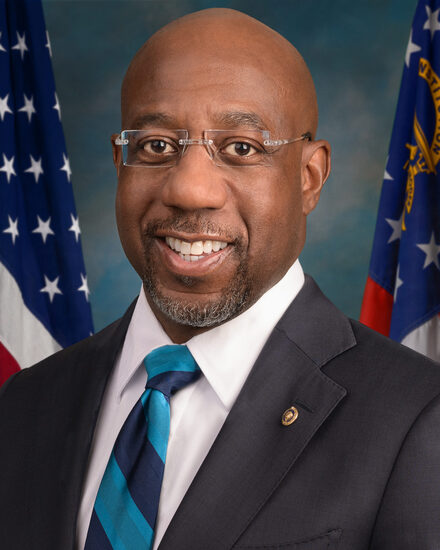
Raphael G. Warnock
100% support rate
Top opponent
Eric Burlison
31% support rate
Ranked legislators
10
5 support · 5 oppose
Key legislators

Who's moving labor & employment in United States

Legislators moving labor & employment in United States
Legislator Party Stance Support rate Votes
Raphael G. Warnock
Raphael G. Warnock Senate
D
Strong +
100% 211
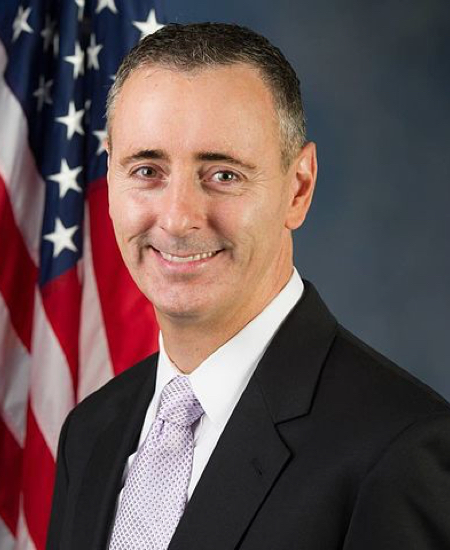
Brian K. Fitzpatrick
Brian K. Fitzpatrick House · District 1
R
Strong +
92% 194
Robert P. Bresnahan, Jr.
Robert P. Bresnahan, Jr. House · District 8
R
Strong +
92% 197
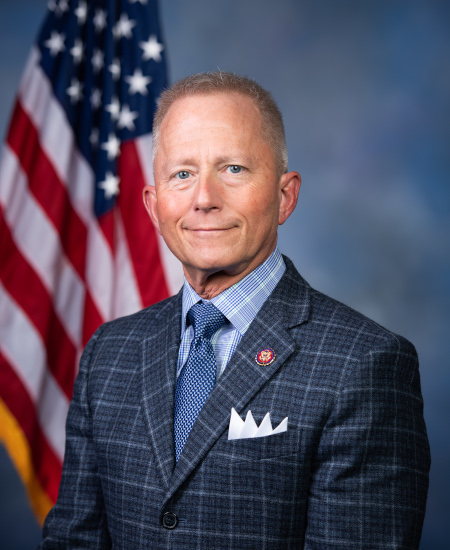
Jefferson Van Drew
Jefferson Van Drew House · District 2
R
Strong +
92% 197
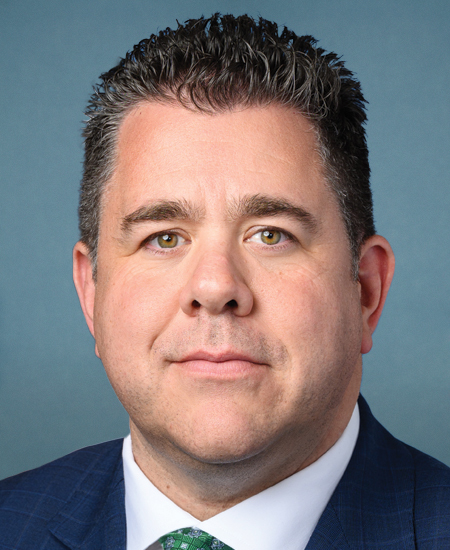
Nick LaLota
Nick LaLota House · District 1
R
Strong +
92% 195
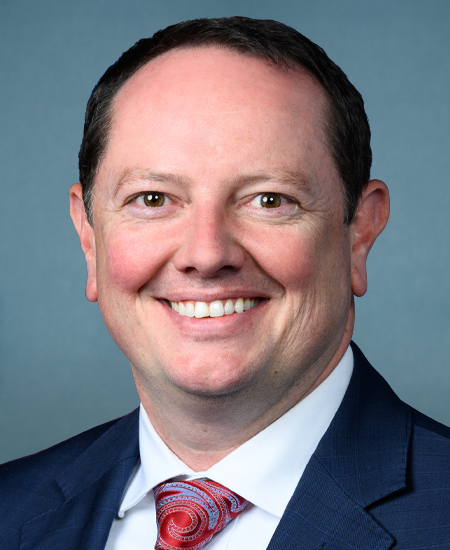
Eric Burlison
Eric Burlison House · District 7
R
Oppose
31% 197
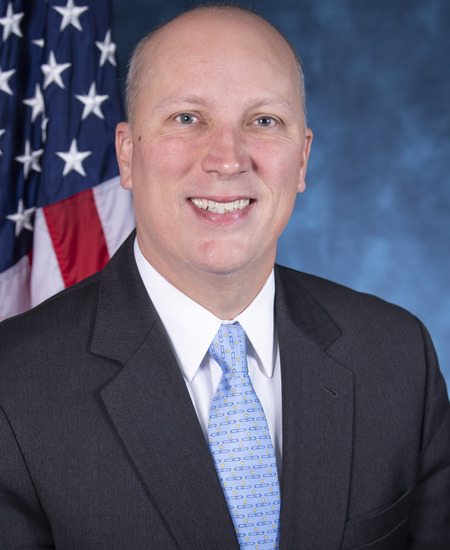
Chip Roy
Chip Roy House · District 21
R
Oppose
31% 190
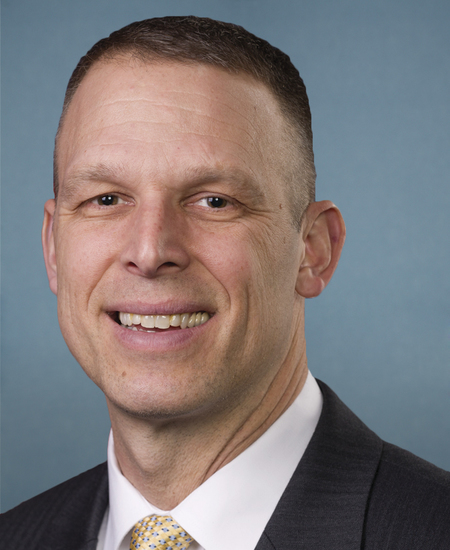
Scott Perry
Scott Perry House · District 10
R
Oppose
31% 194
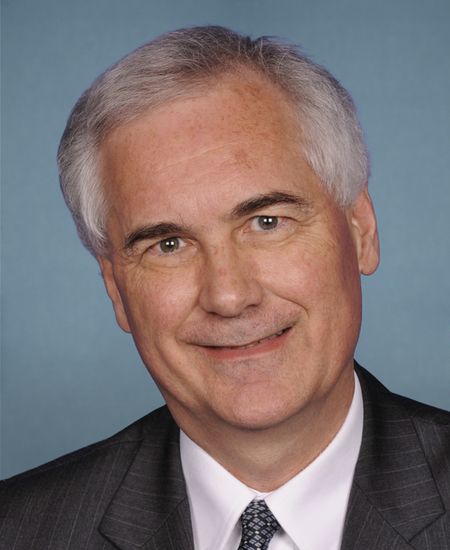
Tom McClintock
Tom McClintock House · District 5
R
Oppose
31% 190
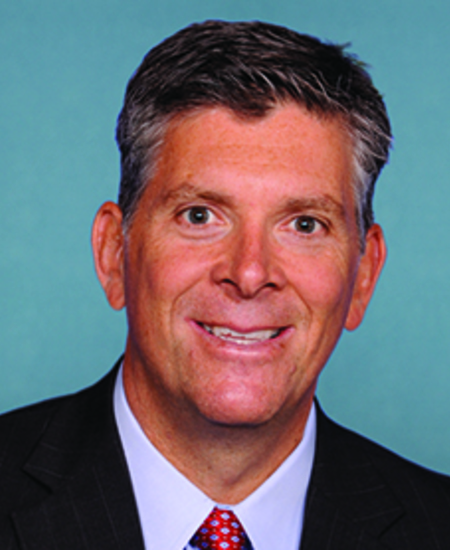
Darin LaHood
Darin LaHood House · District 16
R
Oppose
33% 175
Showing 1,381–1,390 of 1,399 bills

All labor & employment bills

in committee · United States · Senate Sep 29, 2025

S 2928: H–1B and L–1 Visa Reform Act of 2025

This bill would reform the H-1B and L-1 visa programs by requiring employers to pay workers at least the highest of three wage standards (local prevailing wage, median wage for all workers in the occupation, or median wage for skill level 2), prohibiting displacement of U.S. workers, and mandating 30-day online job postings before H-1B applications. It limits H-1B extensions to 3 years, eliminates B-1 visas as an alternative to H-1B, and creates new enforcement mechanisms including Department of Labor investigations. Employers would also need to provide H-1B and L-1 workers with benefits on the same basis as U.S. workers. These changes would directly affect employers seeking these visas, foreign workers in these categories, and U.S. workers who might be displaced.
Sub-Topics Labor Standards
in committee · United States · Senate May 20, 2025

S 1820: Protecting Older Workers Against Discrimination Act

This bill amends key anti-discrimination laws (Age Discrimination in Employment Act, Title VII, ADA, and Rehabilitation Act) to change how discrimination claims are proven. It requires workers to show only that age (or race, disability, etc.) was a *motivating factor* for employment decisions - not the *sole* cause - to establish discrimination. Under the new standard, complainants can use any admissible evidence, and courts cannot award damages or reinstatement if an employer proves they would have made the same decision without the discriminatory factor. The law applies to all pending and future claims involving age, race, color, religion, sex, national origin, or disability discrimination in employment.
in committee · United States · Senate Apr 3, 2025

S 1286: Tax Fairness for Workers Act

This bill would allow workers to deduct union dues directly from their taxable income (an "above-the-line" deduction) and restore deductions for other work-related expenses like uniforms or tools that were disallowed after 2017. It affects employees who pay union dues or incur job-specific costs, particularly those in unionized workplaces or professions requiring specialized equipment. The key mechanism creates a new deduction for union dues under existing tax code sections and revives the ability to itemize other work expenses, excluding them from the 2% floor on miscellaneous deductions. These changes would apply to tax returns filed for years beginning after December 31, 2024.
passed · United States · House Jun 10, 2026

HR 5408: Faster Labor Contracts Act

HR 5408, the Faster Labor Contracts Act, requires employers to begin negotiating a first contract with a newly certified union within 10 days of written request. If no agreement is reached within 90 days, the parties must seek mediation, and if unresolved after 30 days of mediation, the dispute moves to binding arbitration by a three-member panel. The arbitration decision, based on factors like employer finances, industry standards, and cost of living, becomes binding for two years. This bill directly affects newly certified unions and their employers during initial contract negotiations, aiming to reduce delays that currently average 465 days.
in committee · United States · House Feb 26, 2025

HR 1633: Workforce Reentry Act

HR 1633, the Workforce Reentry Act, creates federal grants to help formerly incarcerated individuals (ex-offenders) find and maintain jobs after release. It provides two funding mechanisms: pay-for-performance contracts (using at least 30% of funds) where grantees earn payments based on meeting specific job placement and earnings targets, and competitive grants for skills training, job placement, and mentoring services. Grantees must coordinate with existing workforce systems, use evidence-based programs, and cannot directly fund housing or treatment (only coordinate with other providers). The bill requires annual reporting on participant outcomes like program completion and employment rates, plus a 5-year independent evaluation to assess recidivism reduction and job success.
in committee · United States · House Feb 5, 2025

HR 996: Paid Family and Medical Leave Tax Credit Extension and Enhancement Act

HR 996 extends and enhances a tax credit for employers that provide paid family and medical leave to employees. The bill gives eligible employers two options for claiming the credit: either a percentage of wages paid to employees on leave or a percentage of premiums paid for an insurance policy covering such leave (calculated as if leave were always available). It clarifies that state or local government-paid leave counts toward an employer’s leave provision but not toward the credit amount, and prevents double benefits by disallowing deductions for expenses used to claim the credit. The Small Business Administration and Internal Revenue Service must conduct outreach to help employers understand and access this credit.
Sub-Topics Tax Credits Paid Leave Tags Small Business
in committee · United States · Senate Feb 11, 2026

SRES 604: A resolution recognizing that it is the duty of the Federal Government to develop and implement a Transgender Bill of Rights to protect and codify the rights of transgender and nonbinary people under the law and ensure their access to medical care, shelter, safety, and economic security.

This is a Senate resolution (SRES 604), not a bill, expressing the Senate's non-binding view that the federal government should create a Transgender Bill of Rights. It calls for protections including equal access to healthcare (specifically affirming gender-affirming care), anti-discrimination measures in employment and housing, easier legal gender recognition on documents, and safety improvements for transgender and nonbinary people in custody. The resolution outlines detailed policy goals but does not create new law or mandate government action. It serves as a statement of principle, not a legislative proposal.
Sub-Topics Civil Rights
in committee · United States · Senate Mar 10, 2025

S 920: Preventing Child Labor Exploitation in Federal Contracting Act

This bill requires federal contractors and their subcontractors to annually certify whether they or their subcontractors have been found liable for child labor violations under the Fair Labor Standards Act within the past three years. Entities that fail to address such violations face exclusion from federal contracts for at least four years, with their names publicly listed in the System for Award Management. The law mandates that contractors submit these certifications as part of the bidding process, and agencies must withhold contracts from non-compliant entities or those using non-compliant subcontractors. It also increases civil penalties for child labor violations in federal contracting and directs a GAO study on the prevalence of such violations among contractors.
in committee · United States · House Oct 8, 2025

HCONRES 56: Recognizing the significance of equal pay and the disparity in wages paid to Latina women in comparison to White, non-Hispanic men.

HCONRES 56 is a symbolic congressional resolution recognizing the persistent wage gap faced by Latina women in the U.S. It specifically highlights that, as of 2024, Latina workers earn just 58 cents for every dollar paid to White, non-Hispanic men working full-time year-round. The resolution designates October 8, 2025, as "Latina Equal Pay Day" to raise awareness about this disparity, which affects over 14 million Hispanic women in the labor force. It does not create new laws or policies but formally acknowledges the economic impact of this gap on Latina families and the broader economy.
in committee · United States · House Jul 10, 2025

HCONRES 42: Recognizing the significance of equal pay and the disparity in wages paid to men and to Black women.

HCONRES 42 is a symbolic congressional resolution recognizing the persistent wage gap between Black women and White, non-Hispanic men in the U.S. It highlights that Black women earn 66 cents for every dollar earned by White, non-Hispanic men working full-time year-round, with the gap taking over 200 years to close at current rates. The resolution emphasizes how this disparity - rooted in both racial and gender discrimination - impacts Black women’s ability to afford essentials like education, childcare, and housing. It does not create new laws or policies but formally acknowledges the issue on Black Women’s Equal Pay Day (July 10, 2025) and reaffirms support for equal pay.
Showing 1,381 to 1,390 of 1,399 bills