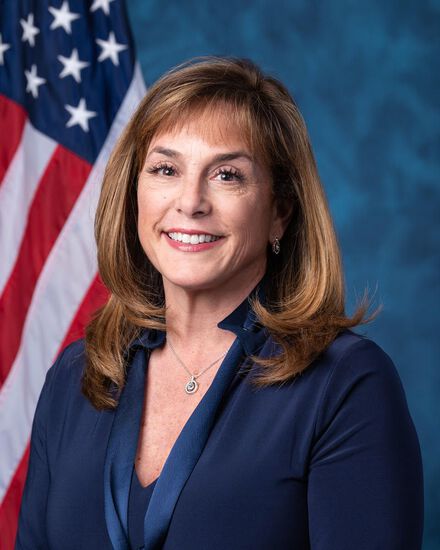
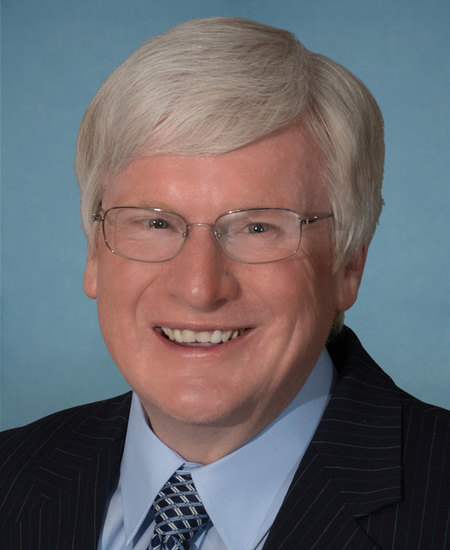
The Laken Riley Act expands mandatory detention for immigrants convicted of certain property crimes like burglary, theft, or shoplifting by adding these offenses to existing immigration detention criteria. It requires the federal government to issue detainers for such individuals and take custody if not detained by local authorities. The bill also grants state attorneys general standing to sue federal officials in federal court if they believe immigration enforcement actions (like releasing detained immigrants) cause the state financial harm exceeding $100. This creates new legal pathways for states to challenge federal immigration decisions through expedited lawsuits.
HJRES 22 is a congressional resolution disapproving a Department of Homeland Security (DHS) rule that aimed to modernize H-1B visa requirements and adjust F-1 student visa programs. This resolution, if passed, would nullify the DHS rule (published in the Federal Register as 89 Fed. Reg. 103054), preventing it from taking effect. The rule would have directly affected H-1B workers, employers seeking these visas, and international students in F-1 programs by changing eligibility rules and program flexibility. As a disapproval resolution, it does not create new policy but formally rejects the existing DHS rule.
S 3920 (UASI Act) requires local governments applying for Urban Areas Security Initiative (UASI) grants to allocate at least 30% of their total grant funds across specific national priority areas, including cybersecurity, soft target protection, and election security. Crucially, it mandates a minimum 10% allocation for "border crisis response and enforcement," which includes activities like cooperating with ICE on detainers, training law enforcement on immigration law, and developing shared technology systems with ICE. Grantees must also submit detailed justifications for border-related spending and certify compliance with DHS rules, including prohibitions on incentivizing illegal immigration. Failure to meet these allocations could result in funding holds, denial of future grants, or termination of current awards. The requirements apply to all UASI grants awarded for fiscal year 2027 and beyond.
S 3144, the Veterans Visa and Protection Act of 2025, creates a program to help noncitizen veterans who were removed from the U.S. or face removal proceedings return as permanent residents. It requires the government to reopen removal cases for eligible veterans (noncitizens who served honorably and weren’t removed for certain serious crimes) and adjust their status to permanent residency within 180 days of the bill’s enactment. The bill also prohibits removing noncitizen veterans for any reason except a "crime of violence" and ensures they regain access to military and veterans benefits they lost due to removal. This directly affects noncitizen veterans in immigration proceedings or who were deported, providing a clear pathway to legal status and benefits.
The CLEAR Act of 2025 aims to enhance cooperation between state/local law enforcement and federal immigration authorities by requiring states to provide information about apprehended aliens to federal officials and creating a database of immigration violators in the National Crime Information Center. The bill provides financial assistance to states that cooperate with immigration enforcement, increases federal detention space, and establishes training programs for law enforcement officers. It also creates legal immunity for officers following the law and expands a program to identify and remove criminal aliens from prisons. The bill directly affects state and local law enforcement agencies, federal immigration officials, and undocumented immigrants who are apprehended.
HR 7252, the Restoring Community Trust Act of 2026, repeals Section 642 of the 1996 Illegal Immigration Reform and Immigrant Responsibility Act (8 U.S.C. 1373). This provision currently requires state and local government agencies to share information about individuals with federal immigration authorities. The bill removes this mandate, allowing states and localities to decide independently whether to share such information with federal immigration officials, consistent with their own laws. It does not prohibit voluntary cooperation but aims to restore state authority over internal operations and reduce legal uncertainty for local governments.
The SECURE Benefits Act of 2025 creates a new process for issuing temporary Social Security numbers to noncitizens with valid temporary work permits (e.g., H-2A visa holders). It requires the IRS to verify these individuals' active work authorization status before allowing them to claim tax benefits like the Child Tax Credit, Earned Income Credit, or Savers Credit. The bill adds a $5,000 penalty for claiming these credits based on expired or invalid work authorization, with exceptions for reasonable cause. This directly affects noncitizens seeking tax benefits who hold temporary work permits, ensuring only those with current authorization can access these credits.
This bill creates a pathway for Afghan allies who supported U.S. operations in Afghanistan to obtain conditional permanent resident status in the United States. It defines "Afghan allies" as individuals who served in Afghan security forces or provided direct support to U.S. missions during the period from 2001-2021. The bill establishes a process for reviewing applications, conducting security assessments, and referring eligible individuals to the U.S. Refugee Admissions Program, with conditional permanent resident status that can be converted to full permanent residency after 4 years if certain conditions are met.
The Private Detention Accountability Act (S 3932) requires U.S. Immigration and Customs Enforcement (ICE) to submit audit reports to specific congressional committees within 30 days after completing facility inspections. It prohibits ICE from housing new detainees at any detention facility unless the facility has undergone a completed audit, any identified issues have been fixed, and the required report has been submitted. This applies to all facilities starting operations after the law's enactment or those already operating that have had their audits finalized. The bill directly affects ICE detention facilities and the non-citizens held within them by mandating transparency and safety compliance before new housing occurs.
This bill enforces a federal law prohibiting states from offering in-state tuition rates to undocumented immigrants at public colleges. It requires colleges to verify students' immigration status using the DHS SAVE system annually and charge undocumented students the higher out-of-state rate instead. States that continue providing in-state tuition to undocumented students could lose federal education funding. The bill directly affects undocumented immigrant students in public colleges across 22 states and D.C., as well as the states and institutions currently offering these subsidies.