Issue · Immigration

Immigration

Every immigration bill, vote, and legislator stance in United States, automatically classified by Maddy, our AI policy reader.

Total bills
842
119th Congress
Top supporter
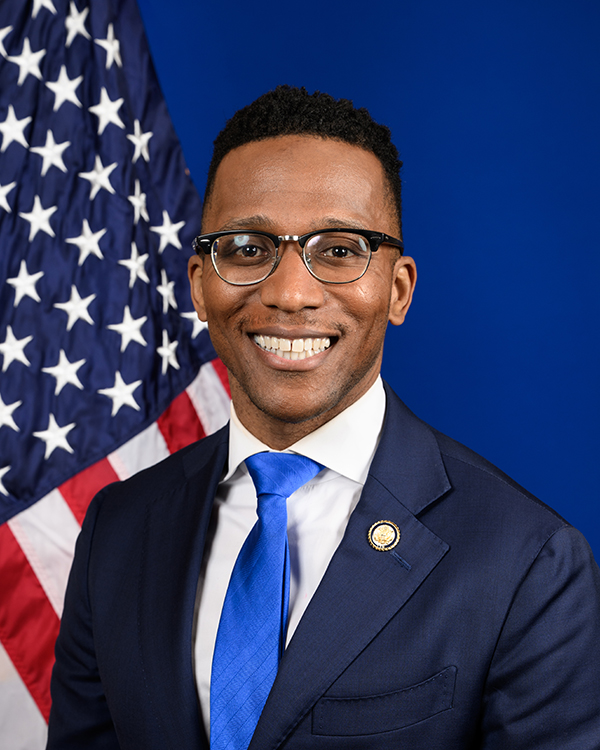
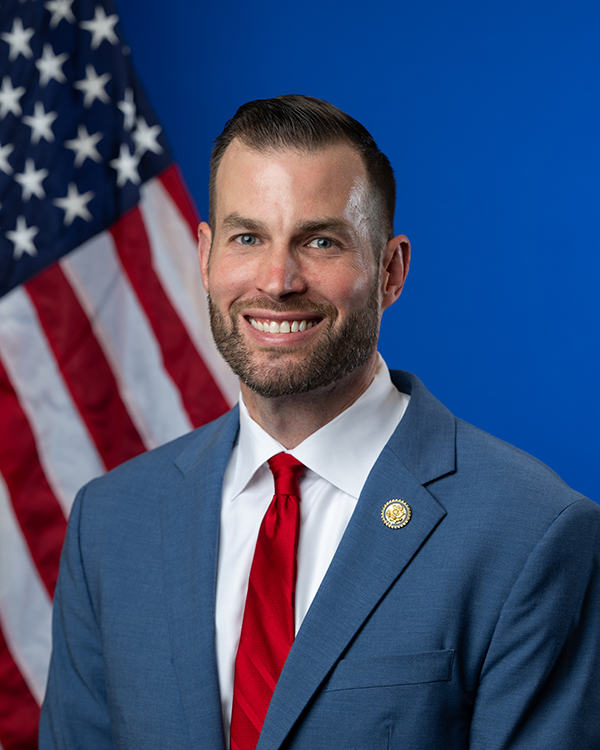
Christian D. Menefee
89% support rate
Top opponent
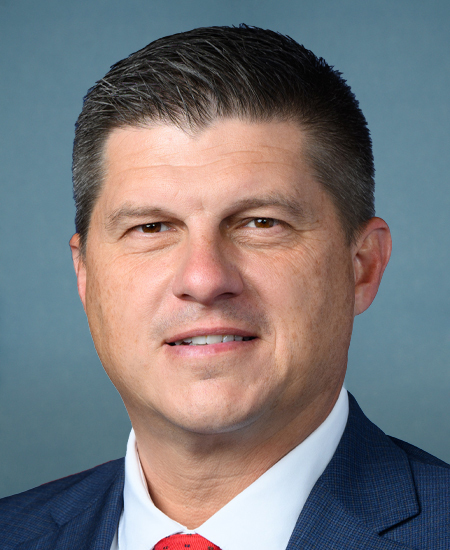
Gregory F. Murphy
13% support rate
Ranked legislators
10
5 support · 5 oppose
Key legislators

Who's moving immigration in United States

Legislators moving immigration in United States
Legislator Party Stance Support rate Decisive votes
Christian D. Menefee
Christian D. Menefee House · District 18
D
Strong +
89% 9
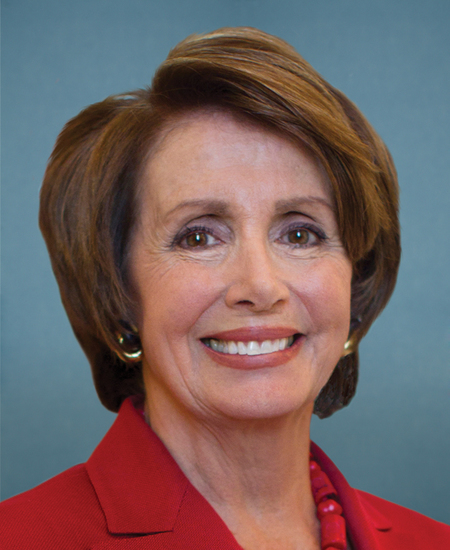
Nancy Pelosi
Nancy Pelosi House · District 11
D
Strong +
86% 21
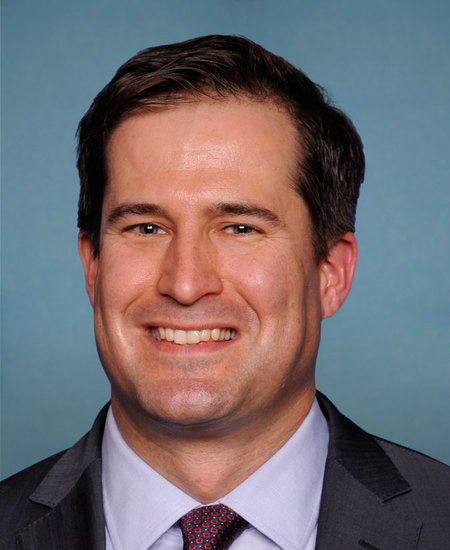
Seth Moulton
Seth Moulton House · District 6
D
Strong +
86% 21
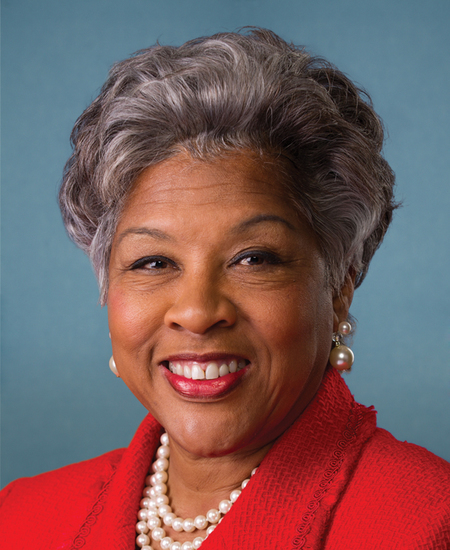
Joyce Beatty
Joyce Beatty House · District 3
D
Strong +
85% 20
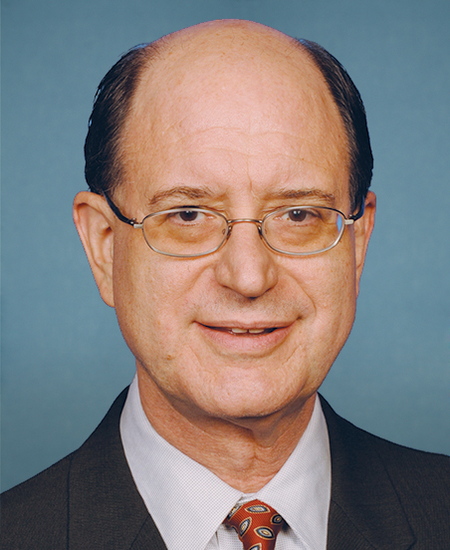
Brad Sherman
Brad Sherman House · District 32
D
Strong +
85% 26
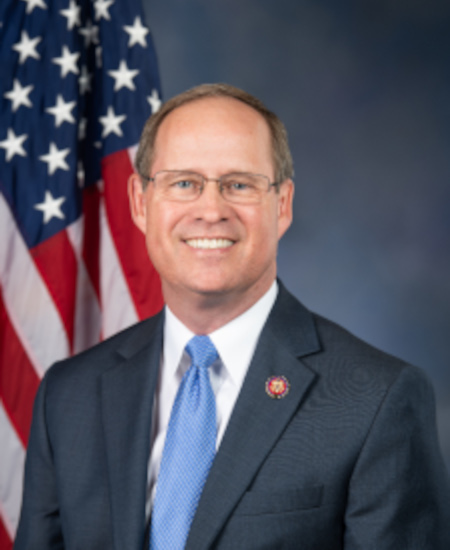
Gregory F. Murphy
Gregory F. Murphy House · District 3
R
Strong −
13% 23
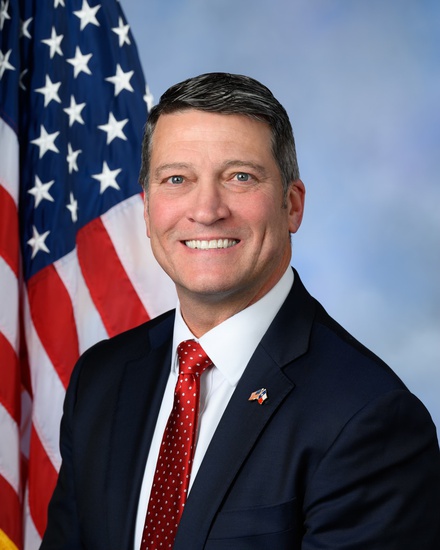
Ronny Jackson
Ronny Jackson House · District 13
R
Strong −
14% 28
Clay Fuller
Clay Fuller House · District 14
R
Strong −
14% 7
Brad Finstad
Brad Finstad House · District 1
R
Strong −
15% 26
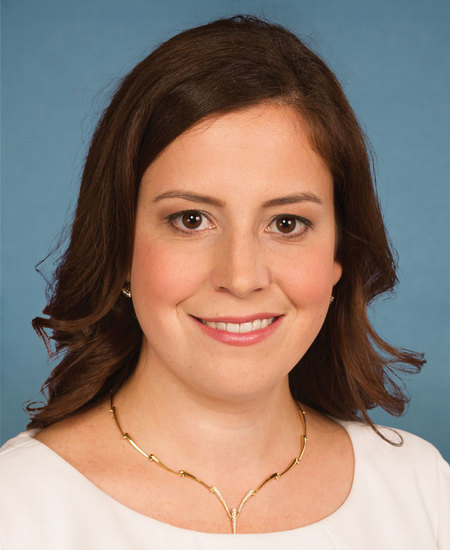
Elise M. Stefanik
Elise M. Stefanik House · District 21
R
Strong −
15% 26
Showing 451–460 of 842 bills

All immigration bills

in committee · United States · House May 13, 2025

HR 3362: Justice for Angel Families Act

This bill amends the Victims of Crime Act to expand compensation for "angel families" - immediate family members of homicide victims caused by undocumented immigrants (under INA 212(a)(6)(A)(i)) or international drug cartel members (under Controlled Substances Act). It adds coverage for emotional distress-related wage loss and medical expenses, alongside existing medical, funeral, and physical injury costs. The bill also creates a new Victims of Immigration Crime Engagement Office within Homeland Security to provide victims and families with support services, referrals, and criminal history information, while requiring annual reports tracking crime demographics, locations, and perpetrator patterns. These changes directly affect families of homicide victims where the perpetrator fits the specified categories of immigration or drug trafficking violations.
Sub-Topics Enforcement
in committee · United States · House Mar 26, 2025

HR 2366: American Families United Act

HR 2366, the American Families United Act, amends immigration law to expand discretion for the Attorney General and Secretary of Homeland Security regarding family-related cases. It allows them to halt removal proceedings or grant relief for spouses and children of U.S. citizens if removal would cause "hardship" (with family separation presumed to constitute hardship), including special provisions for widows/orphans of deceased citizens. The bill also permits waiving certain inadmissibility grounds and excludes cases involving serious violations like terrorism or criminal offenses. This policy change directly affects noncitizens facing removal proceedings who have U.S. citizen family members, without creating new benefits but modifying existing discretionary authority.
Sub-Topics Detention Enforcement
passed · United States · House Apr 21, 2026

HR 1689: To require the Secretary of Homeland Security to designate Haiti for temporary protected status.

This bill mandates that the Secretary of Homeland Security grant temporary protected status (TPS) to Haitian nationals already residing in the United States. It requires the designation to begin on August 3, 2025, and last for 18 months, allowing eligible individuals to legally stay and work during that period. The bill directly affects Haitian nationals in the U.S. who qualify under TPS criteria, providing them temporary relief from deportation. The key provision is the mandatory 18-month TPS period with a specific start date, overriding other legal provisions that might otherwise prevent such a designation.
in committee · United States · House Feb 13, 2025

HR 1348: Venezuelan Adjustment Act

HR 1348, the Venezuelan Adjustment Act, allows certain Venezuelans already in the U.S. to apply for permanent residency. It directly affects Venezuelans who entered the U.S. before December 31, 2021, and have lived there continuously for at least one year, plus their spouses and children. Key provisions include waiving specific inadmissibility grounds (like some criminal convictions), granting work authorization after 180 days of pending applications, and halting removal proceedings during processing. The bill also ensures no reduction in available immigrant visas and establishes a record of permanent residence upon approval.
in committee · United States · House Sep 18, 2025

HR 5494: Essential Workers for Economic Advancement Act

The Essential Workers for Economic Advancement Act creates a new H-2C nonimmigrant visa category for foreign workers in non-agricultural jobs requiring little or moderate preparation (classified as zone 1-3 occupations), directly affecting employers in full employment areas (where unemployment is ≤7.9%) and workers in those occupations. To hire an H-2C worker, employers must first recruit U.S. workers through specific methods (advertising for 30 days and using at least 3 recruiting activities), pay a 5% "scarcity recruitment fee" if they can't find a U.S. worker, and register with the government. The bill sets an annual limit of 65,000 H-2C positions for the first year, with potential increases based on how quickly positions are filled, and includes worker protections like minimum wage requirements, prohibitions on treating workers as independent contractors, and whistleblower protections. Employers must also use E-Verify and participate in an electronic monitoring system to track H-2C workers' employment status.
Sub-Topics Work Authorization
in committee · United States · Senate Mar 14, 2025

S 1079: Restoring Law and Order Act of 2025

S 1079, the Restoring Law and Order Act of 2025, creates a federal grant program to provide state and local law enforcement agencies (including tribal entities) with funding to address specific crime priorities. The grants fund hiring officers, targeting vehicle thefts and carjackings, prosecuting violent crime (including repeat offenders), using bail/pretrial detention for dangerous offenders, combating drug/fentanyl crimes, processing evidence faster, and deporting criminal aliens. The $500 million appropriation for fiscal year 2026 (with funds available until 2030) comes from rescinded unobligated balances previously allocated for diversity initiatives. Agencies receiving grants must maintain audit records and allow oversight of fund usage by the Attorney General.
in committee · United States · House Nov 20, 2025

HR 6225: PAUSE Act of 2025

This bill would pause most visa issuances and immigration status approvals until specific conditions are met under immigration law. It prohibits access to public schools for unauthorized immigrants, restricts citizenship eligibility to children born in the U.S. with at least one U.S. citizen or permanent resident parent, and bars certain benefits like Medicare, food assistance, and student loans for most non-citizens. The bill also imposes a $100,000 fee on H-1B work visa applications starting in 2026, terminates the Optional Practical Training program for international students, and repeals the Diversity Visa lottery program. These provisions directly affect immigrants seeking visas, students, and applicants for specific immigration pathways.
in committee · United States · House Dec 2, 2025

HR 6355: Corporal Fernando Ruiz Baltazar Posthumous Citizenship Act of 2025

This bill grants posthumous U.S. citizenship to noncitizens who served honorably in the U.S. military during World War II while enlisted in the Philippines and died between September 1, 1939, and December 31, 1946. It amends the Immigration and Nationality Act to include these veterans under specific eligibility criteria: they must have died from service-related injuries or diseases, and met enlistment requirements during that historical period. The bill removes barriers by clarifying that the standard naturalization requirements (section 319(d)) and related provisions (section 1703 of the 2004 Defense Act) do not apply to this group. This allows descendants to petition for citizenship on behalf of qualifying deceased service members through a certification from the relevant military department.
in committee · United States · House Nov 7, 2025

HR 5979: Immigration Document Delivery Accountability Act of 2025

HR 5979, the Immigration Document Delivery Accountability Act of 2025, requires U.S. Citizenship and Immigration Services (USCIS) to implement a tracking system for immigration documents mailed by the U.S. Postal Service. Within 180 days of the law’s passage, USCIS must mandate either a USPS barcode for document tracking or a recipient signature requirement for all mailed immigration documents - excluding in-person deliveries. This applies directly to USCIS and the U.S. Postal Service when delivering documents related to an individual’s immigration status. The law aims to create a verifiable record of document delivery to improve accountability.
in committee · United States · House Mar 5, 2026

HR 7785: Protecting Our Communities Act

HR 7785, the Protecting Our Communities Act, requires federal immigration enforcement personnel (such as those in ICE and CBP) to wear body cameras during operations and display visible identification during arrests or detentions. The bill mandates body cameras with specific field-of-view requirements, prohibits facial recognition use, and requires one-year footage retention with access for subjects, families, or legal counsel. It also mandates de-escalation training, prohibits face coverings during enforcement, and requires federal agencies to report quarterly to Congress on force usage, assaults on officers, and failures to display identification. The law directly affects federal immigration enforcement operations and aims to increase transparency and accountability during border security and immigration enforcement activities.
Showing 451 to 460 of 842 bills
Previous 1 … 45 46 47 … 85 Next