Issue · Immigration

Immigration (Enforcement)

Every immigration bill, vote, and legislator stance in United States, automatically classified by Maddy, our AI policy reader.

Total bills
437
119th Congress
Top supporter
Alan Armstrong
86% support rate
Top opponent
Catherine Cortez Masto
11% support rate
Ranked legislators
10
5 support · 5 oppose
Key legislators

Who's moving enforcement in United States

Legislators moving enforcement in United States
Legislator Party Stance Support rate Decisive votes
AA
Alan Armstrong Senate
R
Strong +
86% 29
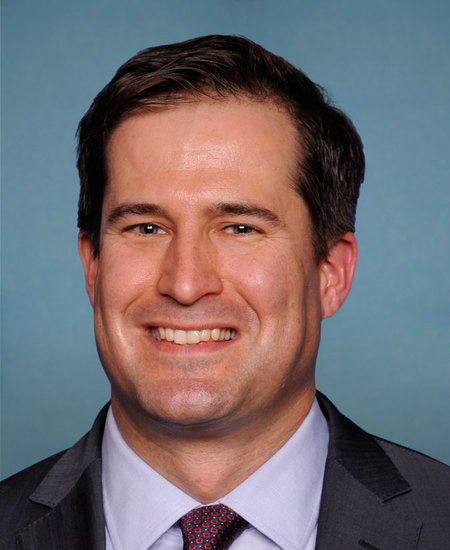
Seth Moulton
Seth Moulton House · District 6
D
Strong +
83% 12
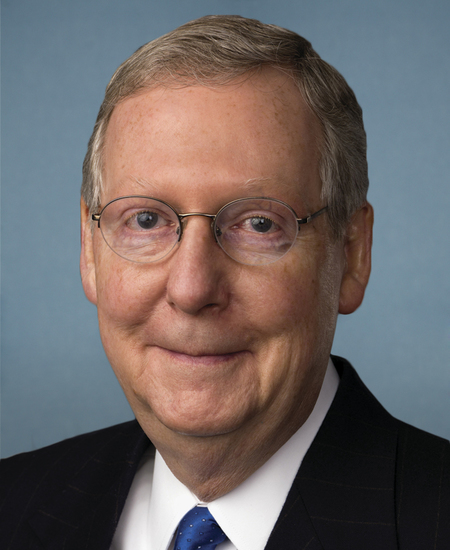
Mitch McConnell
Mitch McConnell Senate
R
Strong +
82% 33
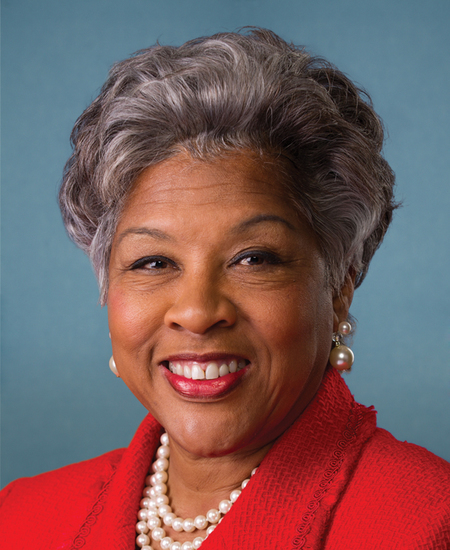
Joyce Beatty
Joyce Beatty House · District 3
D
Strong +
82% 11
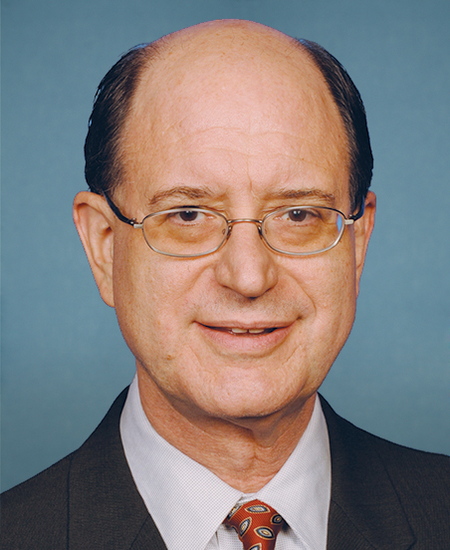
Brad Sherman
Brad Sherman House · District 32
D
Strong +
80% 15
Catherine Cortez Masto
Catherine Cortez Masto Senate
D
Strong −
11% 35
Margaret Wood Hassan
Margaret Wood Hassan Senate
D
Strong −
11% 35
Donald G. Davis
Donald G. Davis House · District 1
D
Strong −
12% 17
Henry Cuellar
Henry Cuellar House · District 28
D
Strong −
12% 17
Laura Gillen
Laura Gillen House · District 4
D
Strong −
12% 17
Showing 371–380 of 437 bills

All immigration bills

in committee · United States · Senate Feb 5, 2026

S 3782: Justice for Victims of Sanctuary Cities and Fallen Law Enforcement Act of 2026

This bill creates a private right for victims of certain violent crimes (murder, rape, or felony) committed by an alien to sue states or localities that qualify as "sanctuary jurisdictions" (defined as those restricting cooperation with federal immigration detainers). It allows lawsuits against jurisdictions that failed to comply with federal requests to detain or notify about an alien's release, with a 10-year statute of limitations. Jurisdictions accepting specific federal grants (like community development funds) must waive sovereign immunity to be sued. The bill also separately increases penalties for crimes against law enforcement officers and requires a report on prosecutions under the new provisions.
in committee · United States · Senate Jan 29, 2025

S 293: WALL Act of 2025

The WALL Act of 2025 appropriates $25 billion for constructing a physical barrier along the southern U.S. border. It implements new Social Security number requirements for tax credits like the child tax credit and earned income tax credit, with exceptions for individuals prohibited from working in the U.S. The bill also mandates E-Verify checks for eligibility for certain federal benefits, including housing assistance, and increases civil penalties for illegal entry and overstay. These provisions directly affect immigrants seeking tax benefits, housing assistance, and those who enter the country without authorization.
in committee · United States · House Nov 17, 2025

HR 6057: Criminal Alien Removal Clarification Act of 2025

This bill amends the Immigration and Nationality Act to add new grounds for deporting non-citizens. It makes any non-citizen deportable if they have been convicted of a felony or two misdemeanors (under either state or federal law) after entering the United States. The key provision expands deportation eligibility beyond previous standards by explicitly including state misdemeanor convictions alongside federal offenses. This change directly affects non-citizens with specific criminal records, potentially increasing deportation risks for those with certain convictions. The policy alters the legal standard for removal but does not change sentencing or enforcement procedures.
in committee · United States · House Apr 2, 2025

HR 2606: Stop Importing Terrorism Act

HR 2606, the "Stop Importing Terrorism Act," repeals a specific exception in immigration law that previously allowed certain individuals to enter the U.S. under terrorism-related grounds. It directly affects aliens who were admitted under this repealed exception between January 20, 2021, and the bill's enactment date. The bill makes these individuals deportable, removing their legal status. This is a procedural change to immigration enforcement, not a new policy affecting broader groups.
in committee · United States · House Mar 26, 2025

HR 2374: American Students First Act

HR 2374, the American Students First Act, restricts federal funding for public universities that charge non-citizens not lawfully present in the U.S. lower tuition rates than in-state residents or provide them with state financial aid. The bill amends existing law to require public institutions of higher education to charge undocumented immigrants the same tuition rates as in-state citizens and not offer state-based aid to them. If a university violates these rules, it loses all federal financial assistance for the following fiscal year, as determined by the Secretary of Education. This directly affects public colleges in states with such tuition or aid policies for undocumented students.
in committee · United States · Senate Jan 8, 2026

S 3606: Fraud Accountability Act

This bill changes U.S. immigration law to make certain fraud convictions deportable without requiring a minimum fraud loss amount. It targets immigrants (aliens) convicted of fraud against any private individual, fund, corporation, or government entity, removing the previous threshold for deportation. It also adds provisions to revoke citizenship for naturalized citizens convicted of such fraud crimes, requiring courts to cancel their naturalization certificates. The changes apply to fraud committed on or after September 30, 1996, if not previously charged before the bill's enactment.
in committee · United States · House Jan 30, 2026

HR 7284: ICE OUT Act

HR 7284, the ICE OUT Act, modifies legal protections for U.S. Immigration and Customs Enforcement (ICE) and U.S. Customs and Border Protection (CBP) agents during law enforcement actions. It eliminates qualified immunity for agents accused of using excessive force violating the Fourth Amendment, meaning such claims can no longer be dismissed based on immunity. For other cases, agents can only claim immunity if their actions matched clearly established constitutional rights at the time of the incident. The bill requires courts to first determine if constitutional rights were violated before assessing whether those rights were "clearly established," shifting the legal standard in civil lawsuits against these agents. This directly affects ICE and CBP officers facing civil rights lawsuits related to enforcement activities.
in committee · United States · Senate Oct 15, 2025

S 3009: Preserving a Sharia-Free America Act

This bill (S 3009) denies U.S. immigration benefits, visas, or admission to any non-citizen who advocates for imposing Sharia law in ways that violate constitutional or U.S. legal rights. It allows officials to revoke existing immigration benefits, deem individuals inadmissible or deportable, and remove them from the U.S. for such advocacy. Key provisions add "advocation of Sharia law" as grounds for inadmissibility under Section 212(a) and deportability under Section 237 of the Immigration and Nationality Act. The bill also prohibits judicial review of removal decisions made under these provisions. It directly affects non-citizens whose advocacy of Sharia law conflicts with U.S. law or rights.
in committee · United States · House Jan 16, 2026

HR 7123: Abolish ICE Act

HR 7123, the Abolish ICE Act, would eliminate the U.S. Immigration and Customs Enforcement (ICE) agency by prohibiting all federal funding for its operations, redirecting existing unobligated funds, and transferring ICE assets to the Department of Homeland Security Secretary. The bill requires ICE to be formally abolished 90 days after enactment, ending all its functions under the Homeland Security Act of 2002. This directly affects ICE as an agency and would shift immigration enforcement responsibilities to other federal entities. The legislation focuses on the structural removal of ICE, not on specific immigration policies or outcomes.
in committee · United States · House Jan 3, 2025

HR 61: Ensuring United Families at the Border Act

This bill requires U.S. immigration authorities to detain noncitizen parents together with their children under 18 when the parent is charged solely with a misdemeanor border crossing offense (e.g., illegal entry). It prohibits separating such families during immigration proceedings and mandates that parents and children be held in the same facility. The law also blocks states from imposing licensing requirements on detention facilities housing these families. It applies to all cases occurring after enactment, overriding prior agreements like the Flores settlement regarding family detention.
Showing 371 to 380 of 437 bills
Previous 1 … 37 38 39 … 44 Next