Issue · Immigration

Immigration

Every immigration bill, vote, and legislator stance in United States, automatically classified by Maddy, our AI policy reader.

Total bills
833
119th Congress
Top supporter
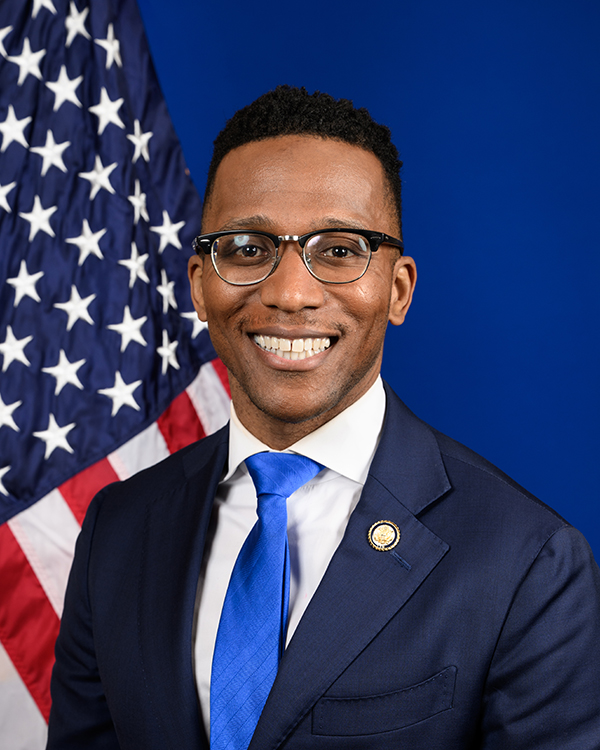
Christian D. Menefee
89% support rate
Top opponent
Gregory F. Murphy
13% support rate
Ranked legislators
10
5 support · 5 oppose
Key legislators

Who's moving immigration in United States

Legislators moving immigration in United States
Legislator Party Stance Support rate Decisive votes
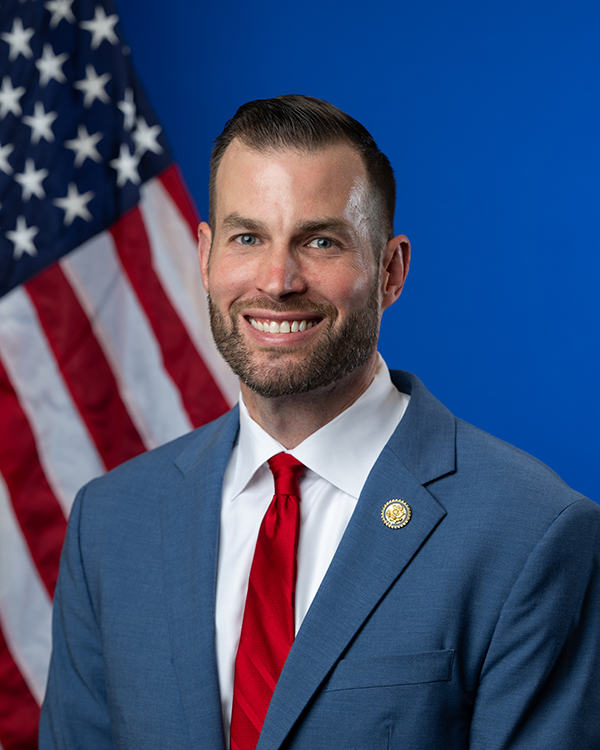
Christian D. Menefee
Christian D. Menefee House · District 18
D
Strong +
89% 9
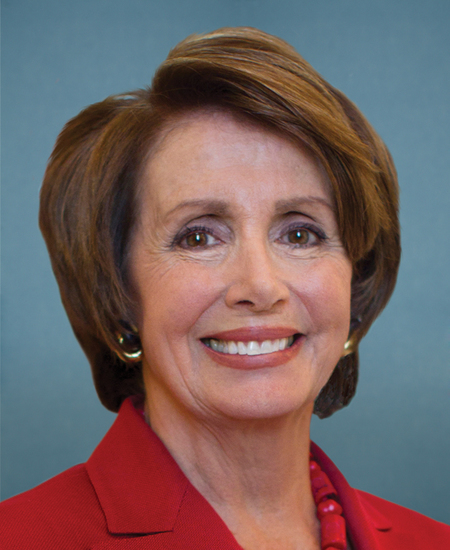
Nancy Pelosi
Nancy Pelosi House · District 11
D
Strong +
86% 21
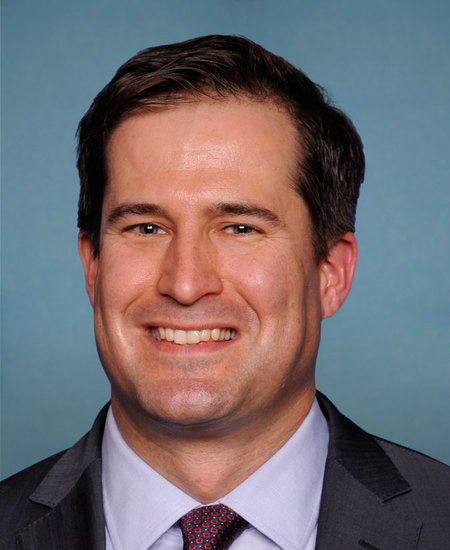
Seth Moulton
Seth Moulton House · District 6
D
Strong +
86% 21
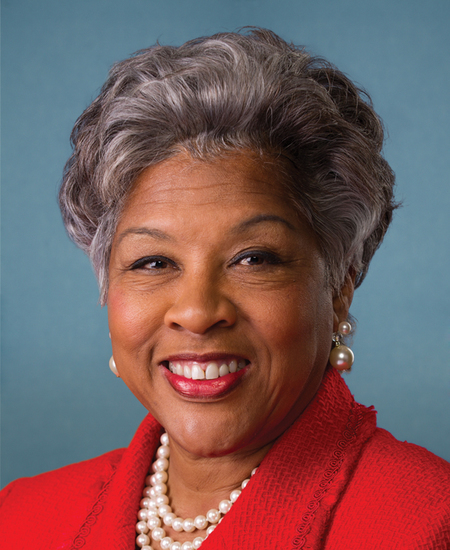
Joyce Beatty
Joyce Beatty House · District 3
D
Strong +
85% 20
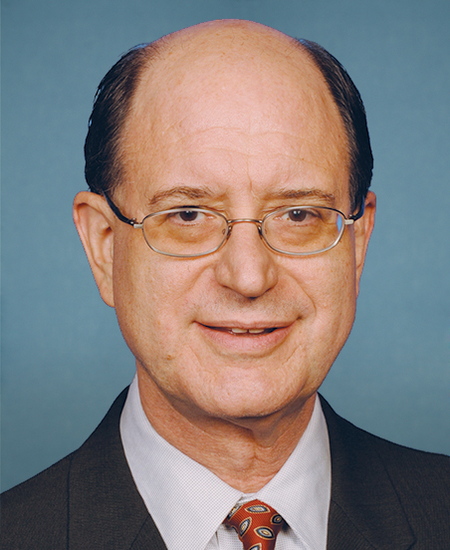
Brad Sherman
Brad Sherman House · District 32
D
Strong +
85% 26
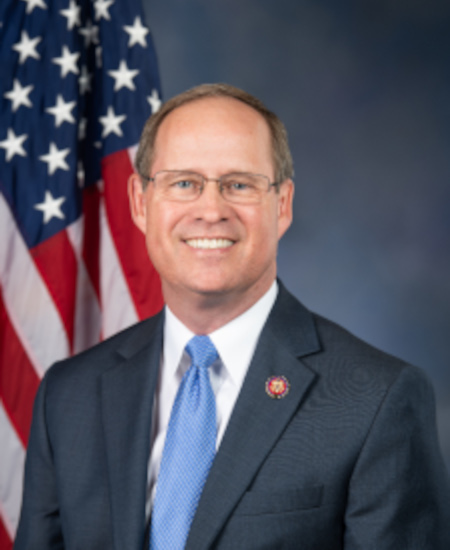
Gregory F. Murphy
Gregory F. Murphy House · District 3
R
Strong −
13% 23
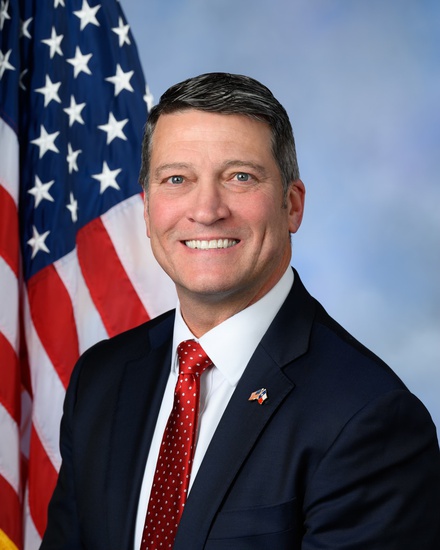
Ronny Jackson
Ronny Jackson House · District 13
R
Strong −
14% 28
Clay Fuller
Clay Fuller House · District 14
R
Strong −
14% 7
Brad Finstad
Brad Finstad House · District 1
R
Strong −
15% 26
Elise M. Stefanik
Elise M. Stefanik House · District 21
R
Strong −
15% 26
Showing 321–330 of 833 bills

All immigration bills

in committee · United States · House Jun 11, 2025

HR 3891: Northern Border Security and Staffing Reform Act

This bill requires U.S. Customs and Border Protection (CBP) to update its Northern Border Security Threat Analysis every five years, including specific new elements. It mandates assessments of current staffing levels versus projected needs, future retirement surges (noting a 400% increase expected by 2028), housing challenges, and local recruitment plans for northern border ports. The bill also requires CBP to develop and update a plan addressing retirement surges, staffing shortages, and the feasibility of recruitment tools like bonuses or student loan repayment. These provisions directly affect CBP staffing at northern border ports, which face unique challenges like harsh weather and housing shortages that hinder officer retention.
Sub-Topics Border Security
in committee · United States · House Jun 11, 2025

HR 3913: Putting American Students First Act

HR 3913, the "Putting American Students First Act," amends the Higher Education Act to establish specific eligibility requirements for Federal TRIO programs. It requires participants to be U.S. nationals, lawful permanent residents, certain aliens with intent to become permanent residents, citizens of Freely Associated States, CNMI residents under specific compacts, or lawful residents of Freely Associated States. The bill explicitly prohibits waiving these requirements under any current or future appropriations laws or performance partnership pilot authorities. This change directly affects students seeking TRIO program support, which assists low-income, first-generation, and disabled college students. The policy alters who qualifies for these federally funded educational support programs.
in committee · United States · House Mar 6, 2025

HR 1916: Pay Our Border Patrol and Customs Agents Act of 2025

This bill ensures that U.S. Border Patrol agents and Customs and Border Protection (CBP) officers who remain on duty during a government shutdown receive their salaries. It appropriates funds from the Treasury for fiscal year 2025 to cover their pay during any shutdown period beginning after the bill's enactment. The provision specifically applies to CBP personnel who are not furloughed under standard shutdown protocols. It directly affects federal workers in CBP’s Border Patrol and Office of Field Operations during government funding gaps.
Sub-Topics Border Security
in committee · United States · House Jan 22, 2026

HR 7223: Language Access for All Act of 2026

The Language Access for All Act of 2026 requires federal agencies to ensure meaningful access to government services for people with limited English proficiency (LEP). Agencies must translate vital documents into languages commonly spoken in the U.S. (based on Census data), provide multilingual digital tools, interpretation services, and use bilingual staff as an alternative to professional interpreters. Each agency must create a language access plan within one year, detailing how it will serve LEP populations - including during emergencies - and annually certify compliance with technical standards. Noncompliance is treated as discrimination under civil rights law, with enforcement by the Department of Justice.
Sub-Topics Immigrant Services
in committee · United States · House Mar 18, 2025

HR 2204: To require an institution of higher education that becomes aware that a student having nonimmigrant status under subparagraph (F)(i) or (J) of section 101(a)(15) of the Immigration and Nationality Act (8 U.S.C. 1101(a)(15)) has endorsed or supported a foreign terrorist organization to notify the SEVIS, and for other purposes.

HR 2204 requires U.S. universities to immediately report international students on F-1 or J-1 visas who support designated foreign terrorist organizations to the government's Student and Exchange Visitor Information System (SEVIS). If verified, the State Department would revoke the student's visa, and Homeland Security would begin removal proceedings. This bill directly affects international students holding F-1 or J-1 visas who endorse or support groups designated as foreign terrorist organizations under U.S. law. The key mechanism is a mandatory reporting requirement for universities, triggering visa revocation and potential deportation for affected students.
Sub-Topics Enforcement
in committee · United States · House Jun 5, 2025

HR 3728: Language Access in Transit Act

HR 3728, the Language Access in Transit Act, requires transit agencies receiving federal funding to provide meaningful language access services to people with limited English proficiency (LEP). It directly affects public transportation providers (like bus and subway systems) that receive financial assistance under federal transit programs. The bill amends federal law to mandate that the Secretary of Transportation take "affirmative action" ensuring these agencies offer language assistance, such as interpreters or translated materials, for LEP individuals accessing transit services. This change updates existing provisions in Title 49 of the U.S. Code to explicitly include language access as a requirement for funded transit services.
in committee · United States · House Dec 4, 2025

HR 6389: Upholding Protections for Unaccompanied Children Act of 2025

This bill would protect unaccompanied children by repealing fee requirements and other provisions in the "One Big Beautiful Bill Act" that have created barriers to their access to humanitarian protections. It specifically exempts unaccompanied children from paying fees for asylum applications, employment authorization, and immigration court proceedings, and requires the government to refund fees already paid under the repealed provisions. The bill also repeals provisions allowing for summary removal of children without due process, intrusive body examinations without safeguards, and sharing of sponsor information with immigration enforcement that has led to family separations. These changes would directly affect unaccompanied children seeking asylum or other protections in the United States, ensuring they can access legal processes without financial barriers or heightened risks of exploitation. The bill aims to uphold protections for unaccompanied children established under the William Wilberforce Trafficking Victims Protection Reauthorization Act of 2008 (TVPRA).
in committee · United States · House Jan 28, 2025

HR 816: Build the Wall Act of 2025

The Build the Wall Act of 2025 creates a new fund called the Southern Border Wall Construction Fund to finance physical barriers along the U.S. southern border. It requires all unspent funds from the Coronavirus State and Local Fiscal Recovery Funds (originally for pandemic relief) to be transferred immediately into this new account. The Secretary of Homeland Security would then use these redirected funds to construct and maintain border barriers. This bill changes how existing federal funds are allocated, shifting resources from pandemic recovery efforts to border security infrastructure.
Sub-Topics Border Security
in committee · United States · House Jan 3, 2025

HR 163: Finish the Wall Act

HR 163, the "Finish the Wall Act," mandates the immediate resumption of border wall construction along the U.S.-Mexico border within 24 hours of enactment. It requires the Department of Homeland Security to use all existing funds appropriated since 2016 for this purpose, prohibits canceling pre-January 2021 contracts, and sets a deadline of September 30, 2026, to complete the wall system. The bill directly affects the Department of Homeland Security, contractors with prior wall contracts, and border facilities, which must also comply with DNA collection requirements under federal law. It focuses on concrete policy actions - resuming construction, using existing funds, and meeting a specific timeline - without addressing broader policy impacts.
in committee · United States · House Jan 15, 2025

HR 414: Student Visa Security Improvement Act

HR 414, the Student Visa Security Improvement Act, requires enhanced background checks for student visa applicants (F, J, M categories) by directing DHS to implement in-person interviews and stricter reviews within 180 days of enactment, focusing on potential terrorist inadmissibility. It mandates schools and exchange programs to track student attendance (limiting unobserved periods to 30 days per term), report enrollment changes within 10 days, and verify academic progress through updated SEVIS system requirements. The bill also requires institutions to provide trained staff access to SEVIS, update data fields for academic verification, and enables DHS to decertify institutions posing security risks. These provisions directly affect international students, their host institutions, and exchange program sponsors participating in the Student and Exchange Visitor Program.
Showing 321 to 330 of 833 bills
Previous 1 … 32 33 34 … 84 Next