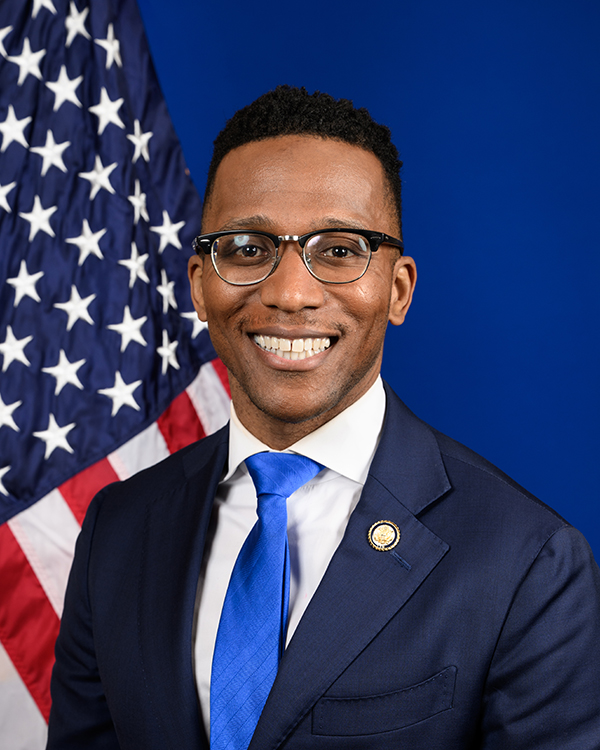
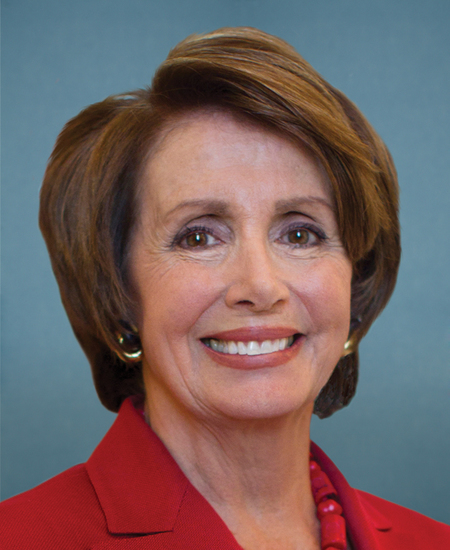
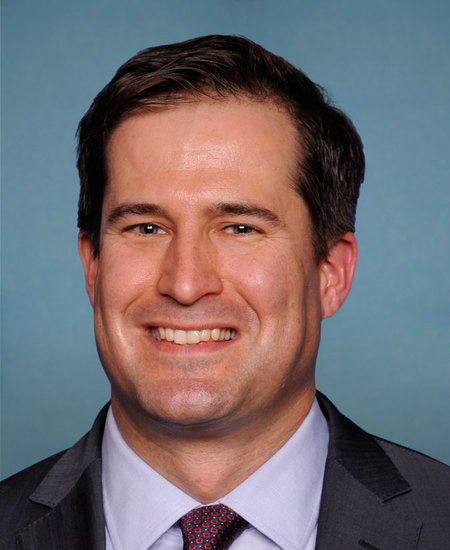
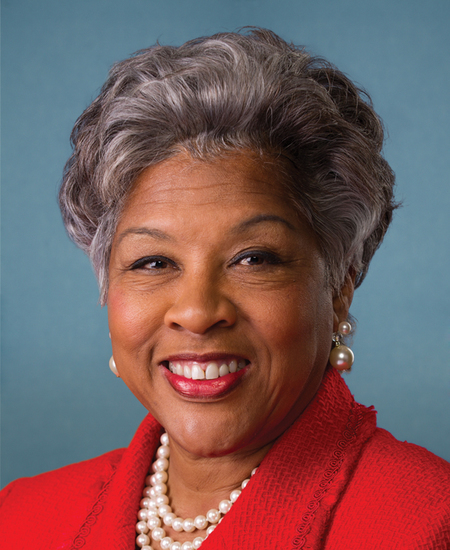
The Kayla Hamilton Act amends rules for placing unaccompanied immigrant children under 12 in foster care. It requires the Health and Human Services Secretary to contact the child's country of origin for criminal records, check for gang-related tattoos/markings, and place children with gang ties in secure facilities. The bill also mandates detailed background checks for host families, including immigration status, criminal history, and sex offender registry checks, before placement. These changes directly affect unaccompanied immigrant children in federal custody and the agencies managing their placements. The law aims to strengthen safeguards during the placement process without altering existing trafficking prevention programs.
HR 3486, the Stop Illegal Entry Act of 2025, increases penalties for certain immigration violations under the Immigration and Nationality Act. It raises the mandatory prison term for unlawful entry (Section 275) from 2 to 5 years and adds new provisions for aliens who commit crimes after entry. For reentry after removal (Section 276), it increases the base penalty to up to 10 years imprisonment, with enhanced penalties of up to 15 years for those with prior drug or violent crime convictions, and mandatory minimums of 10 years or more for those with prior aggravated felonies, multiple removals, or prior convictions for serious crimes. The bill directly affects noncitizens who enter the U.S. illegally or reenter after being removed, with penalties applying to specific categories of prior criminal conduct.
HR 875 amends immigration law to make non-citizens with DUI convictions inadmissible (preventing entry) and deportable (requiring removal after entry). It applies to any conviction for driving while intoxicated or impaired under state, tribal, or local law, regardless of whether the offense is classified as a misdemeanor or felony. The bill directly affects non-citizens convicted of driving under the influence of alcohol or drugs, including impairment from other substances. This policy change expands immigration consequences for DUI offenses beyond current standards.
HR 275 requires the Department of Homeland Security (DHS) to publish monthly reports on individuals classified as "special interest aliens" who attempt unlawful entry into the U.S. These reports, due by the seventh day of each month, must include the total number, nationalities or countries of origin, geographic regions of encounters, and whether entries occurred at ports, between ports, or inland. The reports must also identify if encounters involve "covered nations" as defined under existing law. This bill directly affects DHS, which must implement the reporting, and Congress, which receives the data for oversight. The law focuses on transparency around national security-related immigration encounters without altering immigration policy.
This bill prohibits the District of Columbia from maintaining policies that block government officials from sharing immigration status information with federal authorities or refusing to comply with federal immigration detainers. It specifically requires DC to share citizenship/immigration data and honor detainer requests under federal law, except when an individual is a crime victim or witness. The law directly affects DC government entities, officials, and policies, mandating cooperation with federal immigration enforcement. It does not change DC's authority to protect crime victims but eliminates existing sanctuary-like restrictions.
HRES 489 is a procedural resolution that would allow the House of Representatives to debate and vote on four separate bills. It enables consideration of H.R. 884 (which would restrict DC voting to U.S. citizens and repeal a 2022 voting rights law), H.R. 2056 (requiring DC to follow federal immigration laws), H.R. 2096 (restoring police discipline bargaining rights and extending disciplinary case deadlines), and S. 331 (amending fentanyl scheduling under the Controlled Substances Act). The resolution waives objections to these bills, sets one hour of debate for each, and establishes rules for final passage. This resolution itself does not change policy but facilitates the legislative process for these four bills.
This bill requires the Small Business Administration (SBA) to relocate all its regional, district, and local offices out of jurisdictions classified as "sanctuary jurisdictions" - defined as areas with policies restricting sharing of immigration information with federal authorities or refusing to comply with certain immigration detainer requests. Offices must be moved within 60 days to a location outside a sanctuary jurisdiction, and operations must pause during relocation. The bill excludes jurisdictions with policies protecting crime victims or witnesses from being deemed sanctuary jurisdictions. It directly affects SBA offices (excluding headquarters) in 37 states and localities with such policies, mandating their physical relocation.
HR 2966, the American Entrepreneurs First Act of 2025, modifies requirements for certain Small Business Administration (SBA) loans by requiring applicants to provide proof of citizenship, national status, or lawful permanent residency for themselves and all business owners. It directly affects small business applicants and their owners who are non-citizens, including refugees, nonimmigrant visa holders, DACA recipients, or undocumented individuals. The bill mandates new documentation, such as alien registration numbers for lawful permanent residents, and prohibits loans if applicants fail to provide this information or if ineligible owners are involved. These changes apply to SBA 7(a) loans and Title V investment programs, altering eligibility criteria for specific loan programs.
HRES 458 is a procedural resolution that allows the House of Representatives to debate and vote on four separate bills. It sets specific rules for consideration, including time limits for debate and amendments, for bills covering opioid treatment programs (H.R. 2483), relocating Small Business Administration offices in sanctuary jurisdictions (H.R. 2931), requiring citizenship documentation for SBA loans (H.R. 2966), and limiting small business lending companies (H.R. 2987). The resolution itself does not change policy but streamlines the legislative process for these bills. This procedural step enables the House to advance these measures through standard committee and floor procedures.
HR 35, the Agent Raul Gonzalez Officer Safety Act, creates a new federal crime for operating a motor vehicle while intentionally fleeing U.S. Border Patrol agents or assisting law enforcement officers within 100 miles of the U.S. border. It imposes penalties of up to 2 years in prison for the basic offense, 5-20 years if serious injury occurs, and 10 years to life if death results. The bill also makes individuals convicted of this crime inadmissible to the U.S., deportable, and ineligible for immigration relief like asylum. Additionally, it requires annual reports from the Attorney General and Homeland Security Secretary detailing arrests, charges, and penalties related to this offense.