Issue · Healthcare

Healthcare (Mental Health)

Every healthcare bill, vote, and legislator stance in United States, automatically classified by Maddy, our AI policy reader.

Total bills
10
119th Congress
Top supporter
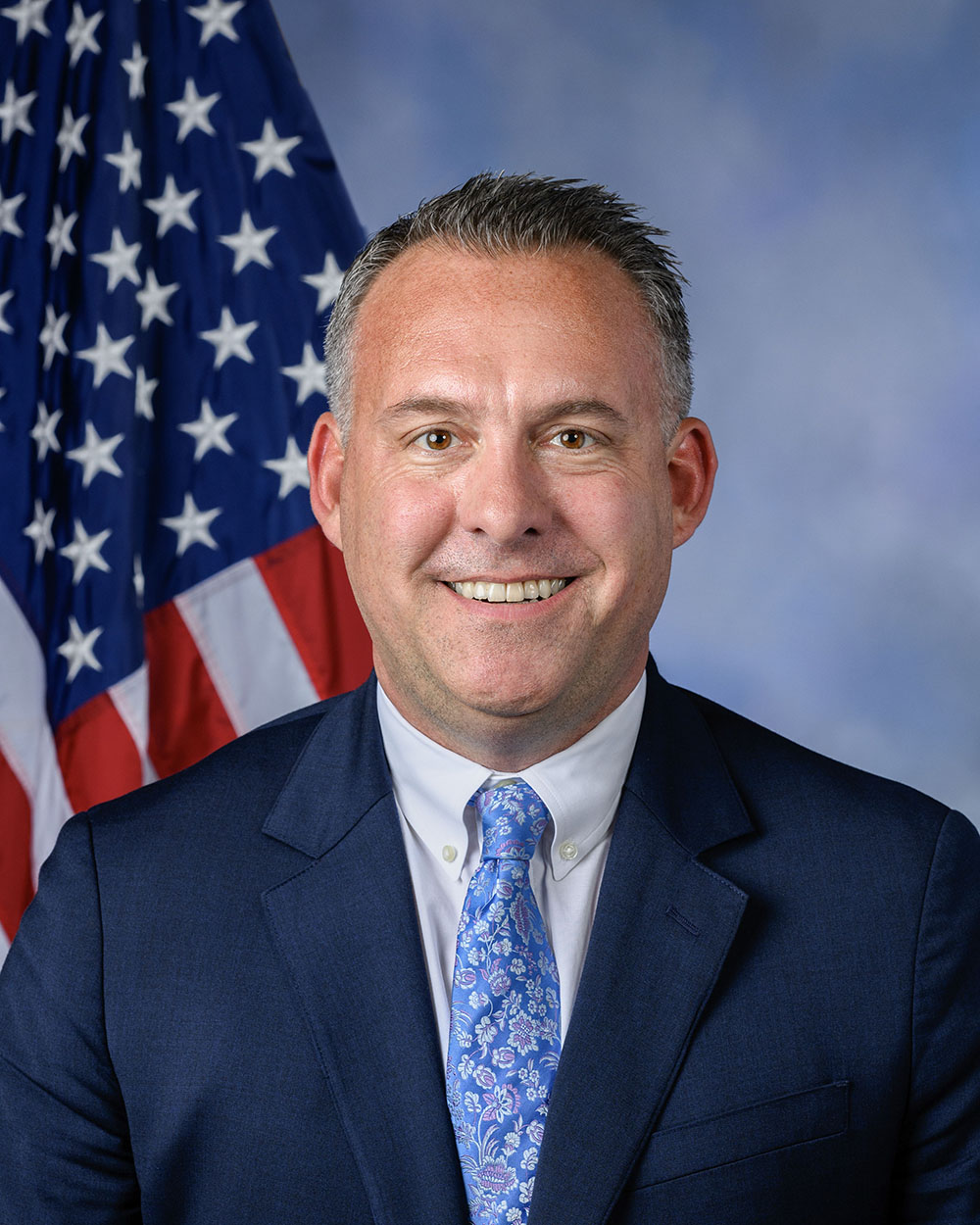
Jefferson Van Drew
100% support rate
Top opponent
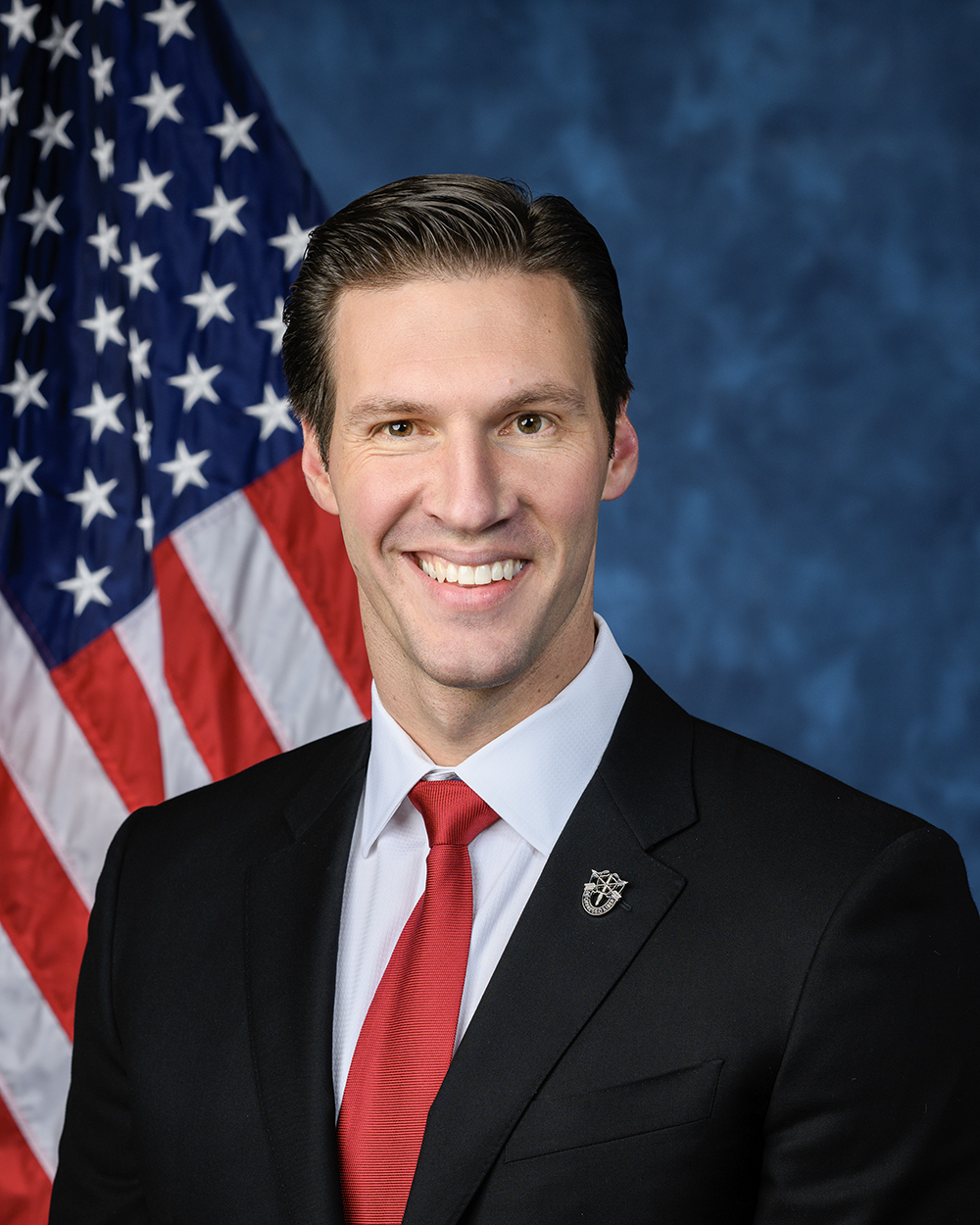
Brad Knott
0% support rate
Ranked legislators
10
5 support · 5 oppose
Key legislators

Who's moving mental health in United States

Legislators moving mental health in United States
Legislator Party Stance Support rate Votes
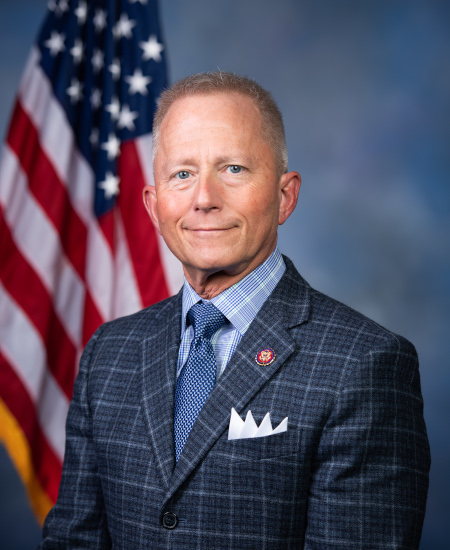
Jefferson Van Drew
Jefferson Van Drew House · District 2
R
Strong +
100% 4
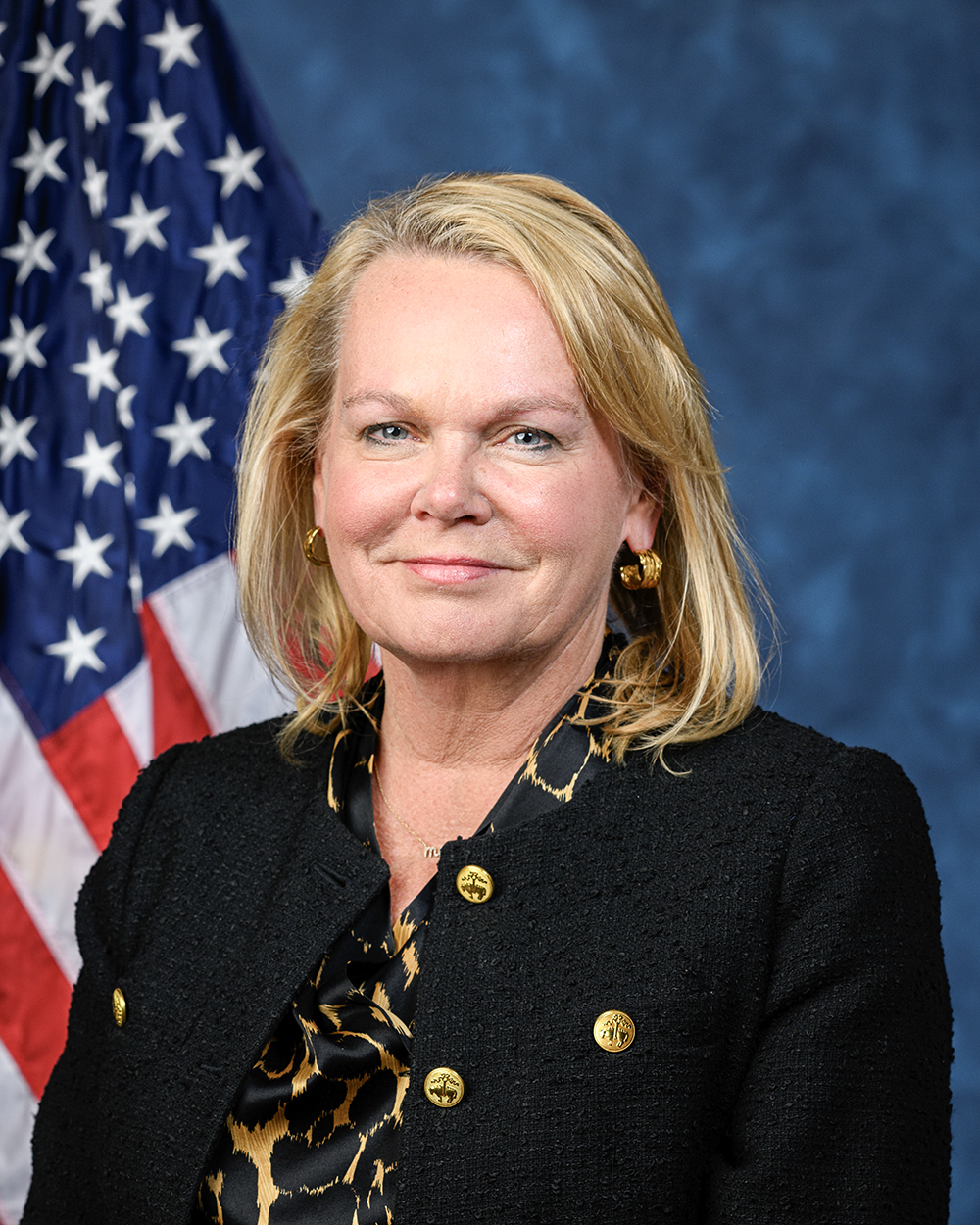
April McClain Delaney
April McClain Delaney House · District 6
D
Strong +
100% 3
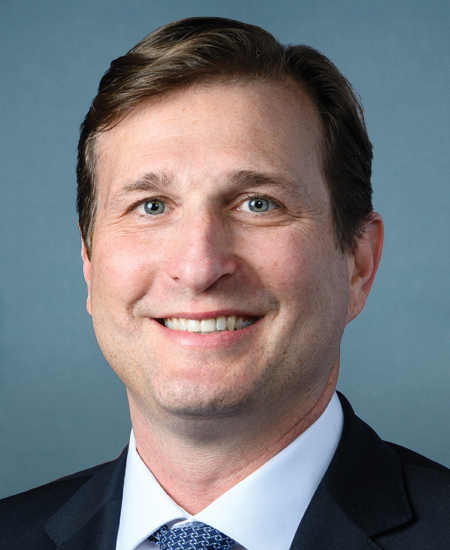
Daniel S. Goldman
Daniel S. Goldman House · District 10
D
Strong +
100% 3
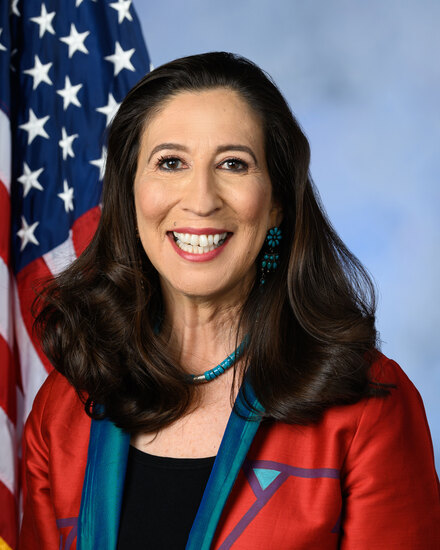
Teresa Leger Fernandez
Teresa Leger Fernandez House · District 3
D
Strong +
100% 3
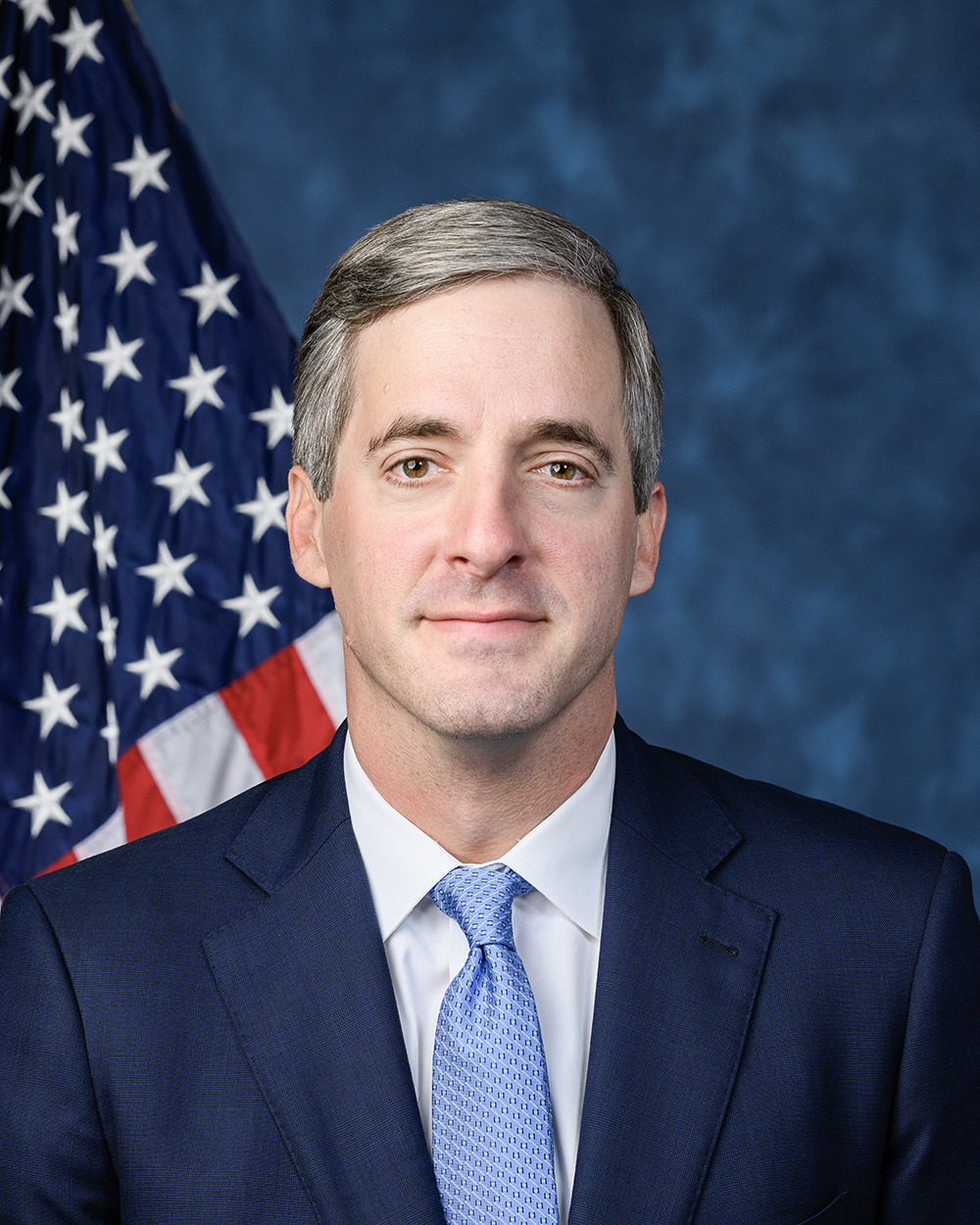
Adam Gray
Adam Gray House · District 13
D
Support
75% 4
Brad Knott
Brad Knott House · District 13
R
Strong −
0% 4
Keith Self
Keith Self House · District 3
R
Strong −
0% 4
Pat Harrigan
Pat Harrigan House · District 10
R
Strong −
0% 4
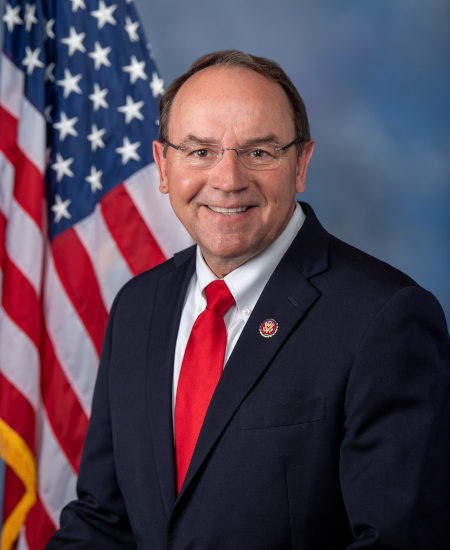
Thomas P. Tiffany
Thomas P. Tiffany House · District 7
R
Strong −
0% 4
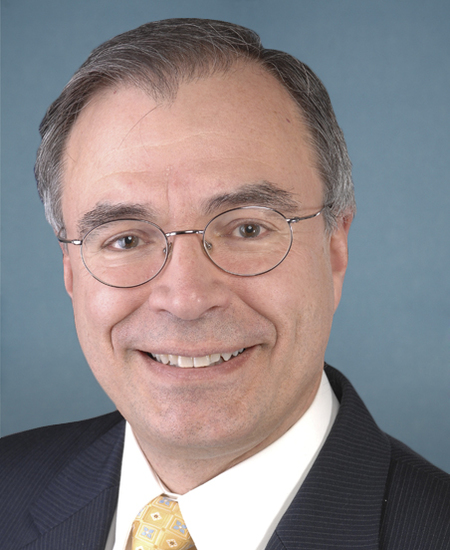
Andy Harris
Andy Harris House · District 1
R
Strong −
0% 3
Showing 10 of 10 bills

All healthcare bills

in committee · United States · House Sep 8, 2026

HR 10319: Gender Delusion Disqualification Act

The Gender Delusion Disqualification Act would amend federal employment laws to prohibit individuals diagnosed with gender dysphoria from holding specific government jobs or credentials that require meeting mental health standards. The bill defines "covered positions" as executive agency roles where regulations already mandate mental health criteria for appointment or continued service, and extends this exclusion to any federal license or certificate issued under similar conditions. Agencies would be required to issue implementing regulations within 180 days of enactment to identify which specific positions and certifications fall under these new restrictions. The legislation explicitly states that it does not impose additional standards on employees in roles that do not currently have established mental health requirements.
Sub-Topics Mental Health
in committee · United States · House Jul 21, 2026

HR 9798: Employer Health Plan Flexibility Act

The Employer Health Plan Flexibility Act would allow certain employer-sponsored group health plans to opt out of the Affordable Care Act's requirement to cover specific Essential Health Benefits. This exemption applies to plans governed by the Employee Retirement Income Security Act and would take effect for plan years starting on or after January 1, 2028. While exempt from those specific coverage mandates, the bill explicitly states that employers must still comply with other federal rules, including those regarding mental health parity, nondiscrimination, and preventive services. To ensure transparency, employers claiming this exemption must annually inform their employees about the benefits included in their plan and identify any Essential Health Benefits that are not covered.
in committee · United States · House Apr 29, 2026

HR 8573: STOP Act

The STOP Act prohibits healthcare providers and others from performing gender transition procedures on minors under 18, defining these procedures broadly to include hormone treatments, surgeries, and puberty blockers. The bill allows for exceptions in cases of disorders of sex development, acute physical injuries, or precocious puberty, but imposes federal civil penalties of at least $100,000 for violations. Additionally, the legislation establishes a federal grant program to fund nonprofit organizations that provide detransition services, education, and mental health support to individuals seeking to reverse gender transition procedures.
Sub-Topics Mental Health
in committee · United States · Senate Apr 29, 2026

S 4426: STOP Act

The STOP Act prohibits healthcare providers and others from performing gender transition procedures on minors under 18, with specific exceptions for treating disorders of sex development or addressing immediate physical dangers. This federal law defines "gender transition" broadly to include hormone treatments, surgeries, and puberty blockers, while imposing civil penalties of at least $100,000 for violations and allowing affected individuals to sue for damages. To support those seeking to reverse these procedures, the bill authorizes grants for nonprofit organizations to provide medical advice, mental health services, and educational assistance, while explicitly banning the use of these funds for gender transition treatments or most abortions.
Sub-Topics Mental Health
in committee · United States · House Apr 22, 2026

HR 8452: Restoring Law and Order on America’s Streets Act

This bill expands federal civil commitment laws to allow the long-term detention of individuals deemed a danger to public safety, specifically targeting those with serious mental illnesses who engage in certain behaviors. It directly affects homeless individuals with mental health conditions by requiring officials to evaluate them for involuntary commitment if they commit crimes like burglary, drug distribution in public, or prolonged outdoor living. The legislation defines "urban camping" and "urban squatting" as specific offenses that, when combined with a serious mental illness, can lead to mandatory certification for continued confinement. By amending existing statutes, the act aims to address public safety concerns related to mental illness and homelessness through a legal framework that prioritizes institutionalization over other forms of care or release.
in committee · United States · House Mar 12, 2026

HR 7902: Safeguarding Women from Chemical Abortion Act

This bill, titled the Safeguarding Women from Chemical Abortion Act, aims to revoke federal approval for the drug mifepristone (also known as RU-486) for use in terminating pregnancies. If enacted, the Food and Drug Administration's approval for mifepristone for this indication would be withdrawn within 14 days, making its introduction into interstate commerce for pregnancy termination a violation of federal law. Additionally, the bill establishes a new federal right for individuals to sue manufacturers of mifepristone if they experience bodily injury or harm to mental health attributed to its use for pregnancy termination. This legislation directly affects drug manufacturers, distributors, healthcare providers, and individuals seeking or having used medication abortion.
in committee · United States · House Sep 30, 2025

HR 5646: Restoring Safeguards for Dangerous Abortion Drugs Act

This bill requires the FDA to reinstate the 2011 safety program for mifepristone (the drug sold as Mifeprex) and bans its importation into the U.S. It creates federal liability for harm caused by illegal importers of the drug, allowing lawsuits for bodily injury or mental health harm resulting from unauthorized importation. The law applies specifically to telehealth providers, pharmacies, or others who knowingly import mifepristone across state lines. It takes effect 90 days after enactment.
in committee · United States · House Nov 20, 2025

HR 6174: Ending Crime and Disorder on America’s Streets Act

This bill redirects federal funding toward mandatory treatment facilities for unhoused individuals with serious mental illness or addiction, while tying grant money to local enforcement of public drug use bans, camping restrictions, and sex offender registration. It prohibits federal support for "harm reduction" programs and safe consumption sites, requires states to prioritize treatment over "housing first" approaches, and mandates data sharing between health programs and law enforcement. The bill defines "unhoused individuals" as those posing public risks or unable to care for themselves for 3+ months. It applies to federal grant programs for homelessness services, mental health treatment, and housing assistance.
in committee · United States · House Aug 5, 2025

HR 4878: MOSSA Act

The MOSSA Act (HR 4878) directs federal agencies to prioritize funding for local governments enforcing laws against public drug use, camping, and loitering, while requiring homelessness programs to link participants with mental health/substance use treatment as a condition of aid. It mandates that federal grant programs for homelessness services end support for "housing first" approaches and "harm reduction" initiatives, instead requiring evidence-based treatment programs and stricter accountability for service providers. The bill also directs agencies to address sex offenders in homeless programs by restricting their housing with children and to review funding recipients operating drug injection sites for legal violations. These provisions collectively shift federal funding toward enforcement-focused and treatment-oriented homelessness strategies, affecting state/local governments, homeless service providers, and individuals accessing federal housing assistance.
in committee · United States · Senate Jan 29, 2025

S 312: Jamie Reed Protecting Our Kids from Child Abuse Act

S 312, the "Jamie Reed Protecting Our Kids from Child Abuse Act," creates a federal legal claim for minors harmed by gender-transition procedures. It defines "gender-transition procedure" (excluding cases involving ambiguous biological characteristics, medical emergencies, or life-threatening conditions) and holds pediatric gender clinics, medical practitioners, and affiliated hospitals/institutions liable for bodily or mental health harm caused to minors. The bill prohibits federal funding for such clinics or procedures and allows affected individuals to sue up to 30 years after turning 18, seeking damages and attorney fees.