Issue · Healthcare

Healthcare

Every healthcare bill, vote, and legislator stance in United States, automatically classified by Maddy, our AI policy reader.

Total bills
2,988
119th Congress
Top supporter
Darline Graham
82% support rate
Top opponent
Rick Scott
19% support rate
Ranked legislators
10
5 support · 5 oppose
Key legislators

Who's moving healthcare in United States

Legislators moving healthcare in United States
Legislator Party Stance Support rate Decisive votes
Darline Graham
Darline Graham Senate
R
Strong +
82% 11
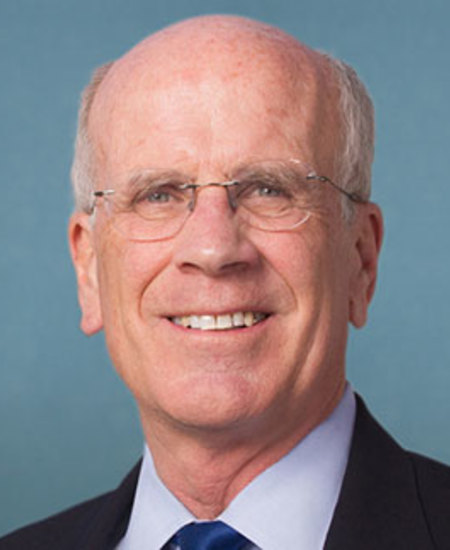
Peter Welch
Peter Welch Senate
D
Strong +
81% 27
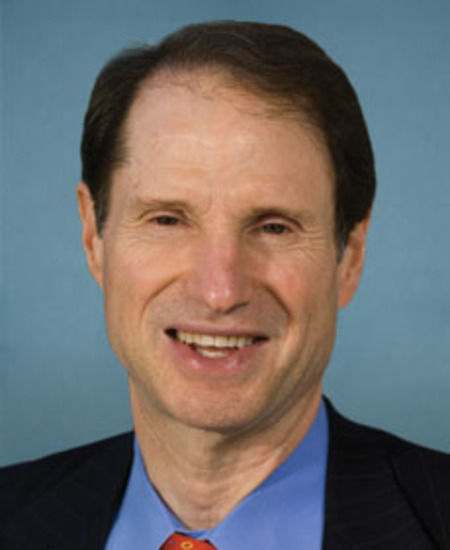
Ron Wyden
Ron Wyden Senate
D
Support
78% 27
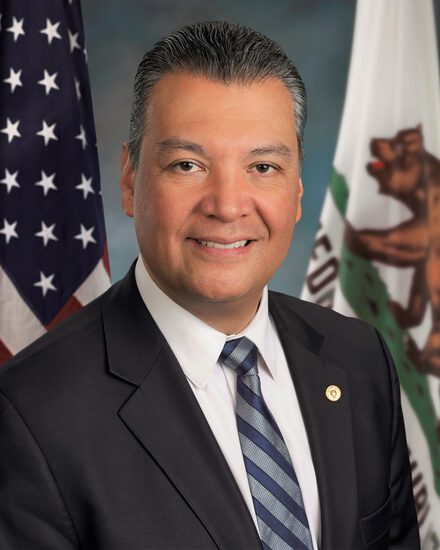
Alex Padilla
Alex Padilla Senate
D
Support
77% 26
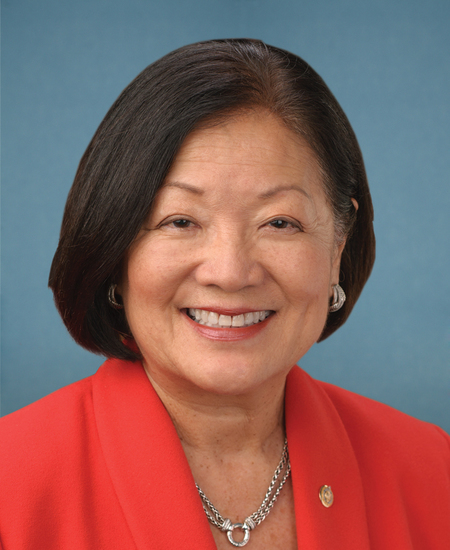
Mazie K. Hirono
Mazie K. Hirono Senate
D
Support
74% 27
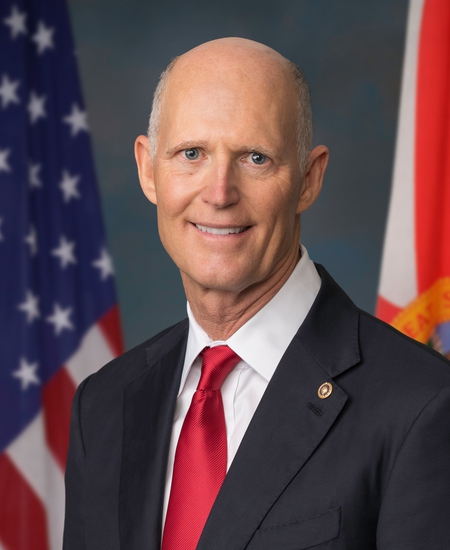
Rick Scott
Rick Scott Senate
R
Strong −
19% 27
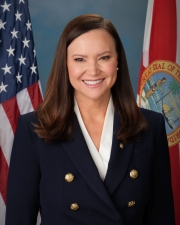
Ashley Moody
Ashley Moody Senate
R
Oppose
22% 27
Rand Paul
Rand Paul Senate
R
Oppose
22% 27
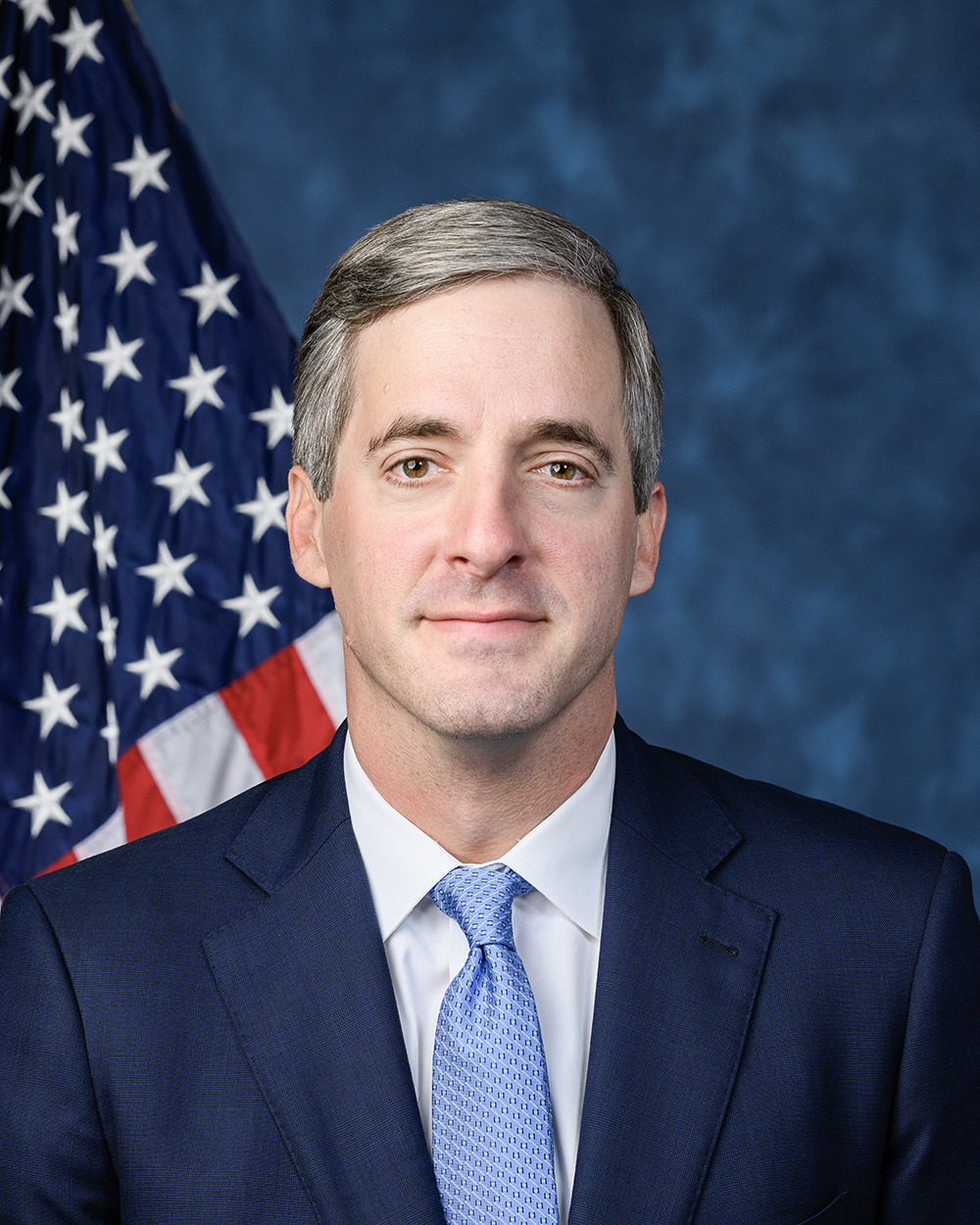
Brad Knott
Brad Knott House · District 13
R
Oppose
28% 18
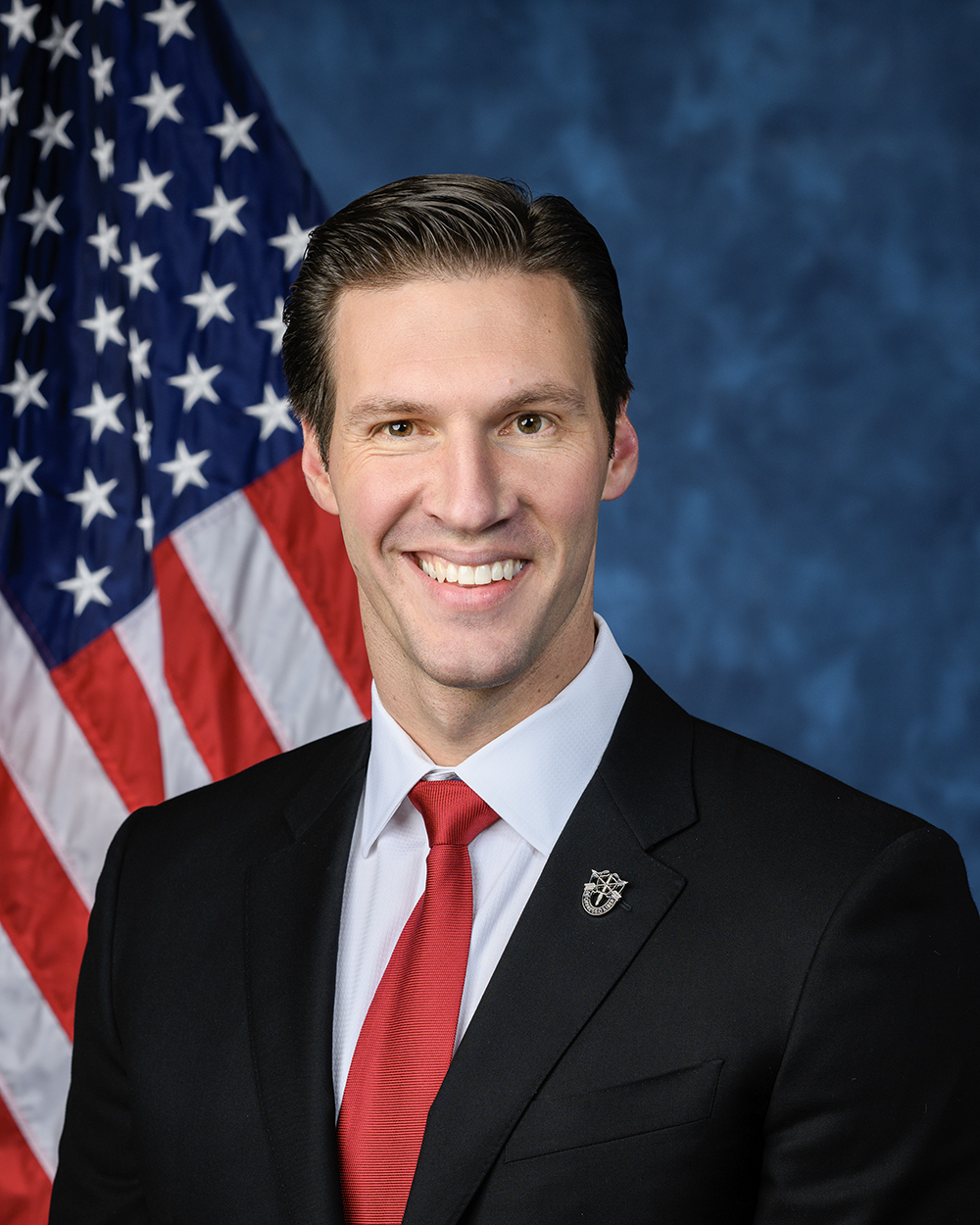
Pat Harrigan
Pat Harrigan House · District 10
R
Oppose
28% 18
Showing 861–870 of 2,988 bills

All healthcare bills

in committee · United States · Senate Aug 7, 2026

S 4189: INSULIN Act of 2026

The INSULIN Act of 2026 requires health insurance plans to limit insulin copayments to $35 per 30-day supply starting in 2027, with plans choosing to cap costs at 25% of the negotiated price after 2028. The bill also mandates that pharmacy benefit managers pass all rebates and discounts related to insulin directly to health plans rather than retaining them. Additional provisions include measures to speed up the approval process for generic and biosimilar insulin products, establish a pilot program to provide affordable insulin to uninsured individuals in 10 states, and create a resource center and hotline to help uninsured people access assistance programs.
in committee · United States · Senate Mar 25, 2026

S 4210: Child Suicide Prevention Act

This bill creates two grant programs to help prevent suicide among individuals under 26 years old by funding health care and education initiatives. The first program provides up to $20 million to states, health departments, hospitals, and other organizations to train health care providers on identifying suicide risks, discussing firearm safety, and connecting at-risk individuals with support services. The second program allocates $10 million to medical and nursing schools to develop curricula on suicide prevention and safe firearm storage for health care professionals. Additionally, the bill authorizes the use of up to 15 percent of the first grant's funds to distribute secure gun storage devices at reduced or no cost to households with youth, along with counseling on their use. The Department of Health and Human Services will maintain an informational website and submit annual reports to Congress on the programs' progress through fiscal year 2030.
Sub-Topics Mental Health
in committee · United States · House Sep 24, 2026

HR 8052: Veteran Infection Prevention Act

The Veteran Infection Prevention Act requires sterile processing technicians in the Veterans Health Administration to obtain certification from an accredited training institution within two years of their appointment, with some exceptions for entry-level positions. Current employees who are not yet certified will have two years from the bill's enactment to become certified, and those who choose to pursue certification will receive a scholarship to help cover training costs. In exchange for the scholarship, recipients must commit to two years of service with the Veterans Health Administration after receiving their certification. This legislation aims to improve infection prevention standards by ensuring all sterile processing technicians meet professional certification requirements.
in committee · United States · House Mar 3, 2026

HR 7777: Protecting America’s Medical Supply Chains Act of 2026

This bill strengthens the Defense Production Act to prioritize securing medical supplies like drugs, devices, and biological products that are essential for national defense. It requires the President to develop and submit a strategy within 180 days that outlines how to diversify supply chains, reduce foreign dependency, and protect the U.S. medical supply system. The legislation also authorizes funding for domestic companies that produce critical components or materials needed to secure these supply chains. Additionally, the President must provide annual progress reports to Congress on the implementation of these measures until September 2029.
in committee · United States · House Mar 25, 2026

HR 8084: Access to LARCs Act

This bill directs the Secretary of Health and Human Services to conduct a study on access to multiple contraceptive methods at community health centers located in health care deserts. The study will examine barriers such as reimbursement, inventory stocking, provider training, and patient education, and will identify which centers receive funding under the Public Health Service Act. Within 180 days of enactment, the Secretary must submit a report to Congress detailing the study findings. The bill defines key terms including "women in need," "health care desert," and "range of contraceptive methods" to ensure clarity in the study's scope.
in committee · United States · House Mar 9, 2026

HR 7879: SUPER BUGS Act of 2026

This bill directs the Secretary of State to create a strategy for international cooperation on developing medical products to fight infectious diseases and antibiotic-resistant pathogens. The plan would involve foreign governments, global organizations, and private companies to share resources and expertise for creating vaccines, treatments, and diagnostics. It aims to strengthen public health systems in partner countries to prevent outbreaks from spreading to the United States. The strategy must be submitted to Congress within 18 months and must ensure fair contributions from participating nations based on their budgets and technical capabilities. The bill focuses on aligning these efforts with existing U.S. pandemic preparedness plans and avoiding duplication of work.
Sub-Topics Public Health
in committee · United States · House Mar 25, 2026

HR 8083: Allowing Greater Access to Safe and Effective Contraception Act

This bill would allow certain oral contraceptive drugs to be sold over-the-counter to adults aged 18 and older by requiring the FDA to prioritize their review and waive associated application fees. It specifically excludes emergency contraceptives and drugs also approved for induced abortion from these provisions. The legislation also directs the Government Accountability Office to study how federal programs fund contraception over the past 15 years, covering Medicare, Medicaid, and other health services.
in committee · United States · House Mar 19, 2026

HR 8024: Maternal Vaccination Act

The Maternal Vaccination Act directs federal funding to expand a public health campaign focused on increasing vaccination rates among pregnant and postpartum individuals and their children. It modifies existing laws to include these groups in awareness efforts and specifically targets racial and ethnic minority communities to address equity gaps. The bill also adjusts the funding timeline and amount for the campaign, increasing the annual allocation from $15 million to $17 million for fiscal years 2027 through 2031. These changes aim to improve maternal and child health outcomes by ensuring broader access to vaccination information and resources.
passed · United States · House Sep 16, 2026

HR 8005: Stop Pills That Kill Act

The Stop Pills That Kill Act targets counterfeit pills containing fentanyl or methamphetamine that are sold under the branding of legitimate prescription medications. It expands federal criminal penalties to specifically include these counterfeit substances and requires the Drug Enforcement Administration to create a comprehensive plan within 180 days to improve law enforcement investigations and public education efforts. The bill also mandates annual reports to Congress detailing seizure data, prosecution statistics, and prevention measures related to counterfeit pills. These provisions aim to enhance federal response to the distribution of fake prescription pills while maintaining existing legal frameworks.
in committee · United States · Senate Mar 25, 2026

S 4208: Rural America Health Corps Act

The Rural America Health Corps Act creates a demonstration program to help health professionals work in rural areas by offering loan repayment assistance. Eligible individuals must commit to five years of full-time employment in a rural health professional shortage area to receive payments on their student loans. The program would pay one-fifth of the loan principal and interest each year of service, with a maximum total payment of $200,000 per person. This initiative is designed to address healthcare access challenges in rural communities by incentivizing medical professionals to serve in underserved areas.
Sub-Topics Healthcare Workforce Tags Rural Communities
Showing 861 to 870 of 2,988 bills
Previous 1 … 86 87 88 … 299 Next