Issue · Healthcare

Healthcare

Every healthcare bill, vote, and legislator stance in United States, automatically classified by Maddy, our AI policy reader.

Total bills
2,988
119th Congress
Top supporter
Darline Graham
82% support rate
Top opponent
Rick Scott
19% support rate
Ranked legislators
10
5 support · 5 oppose
Key legislators

Who's moving healthcare in United States

Legislators moving healthcare in United States
Legislator Party Stance Support rate Decisive votes
Darline Graham
Darline Graham Senate
R
Strong +
82% 11
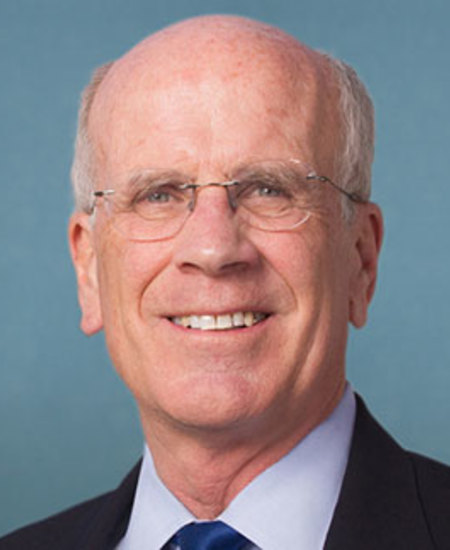
Peter Welch
Peter Welch Senate
D
Strong +
81% 27
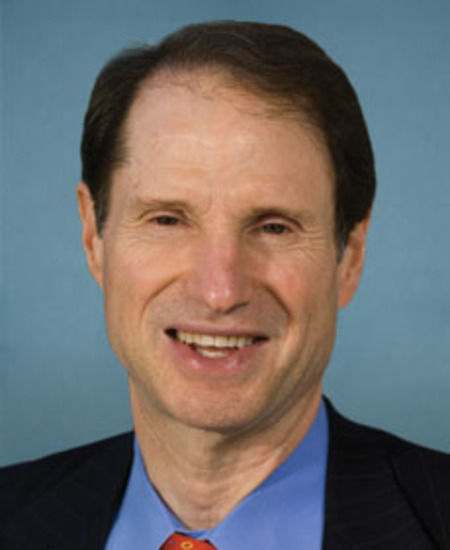
Ron Wyden
Ron Wyden Senate
D
Support
78% 27
Alex Padilla
Alex Padilla Senate
D
Support
77% 26
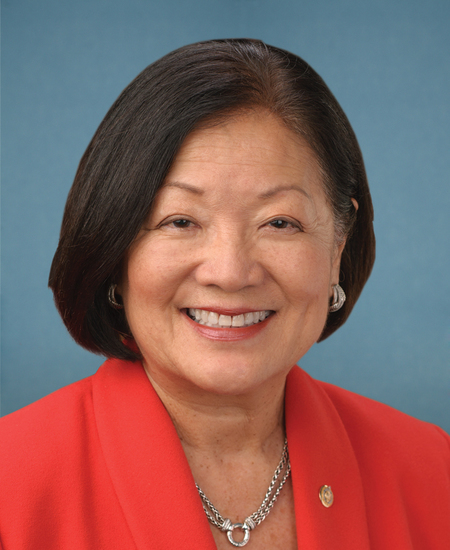
Mazie K. Hirono
Mazie K. Hirono Senate
D
Support
74% 27
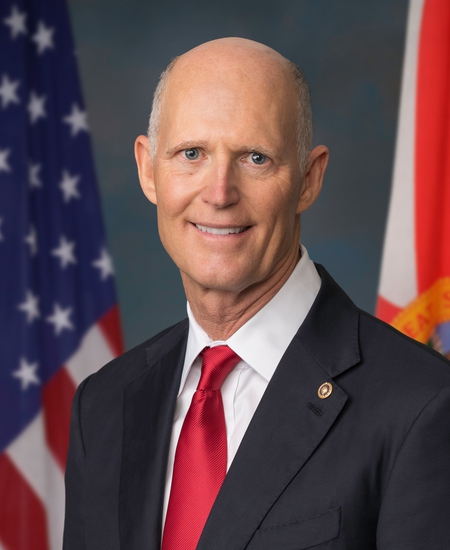
Rick Scott
Rick Scott Senate
R
Strong −
19% 27
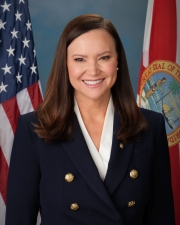
Ashley Moody
Ashley Moody Senate
R
Oppose
22% 27
Rand Paul
Rand Paul Senate
R
Oppose
22% 27
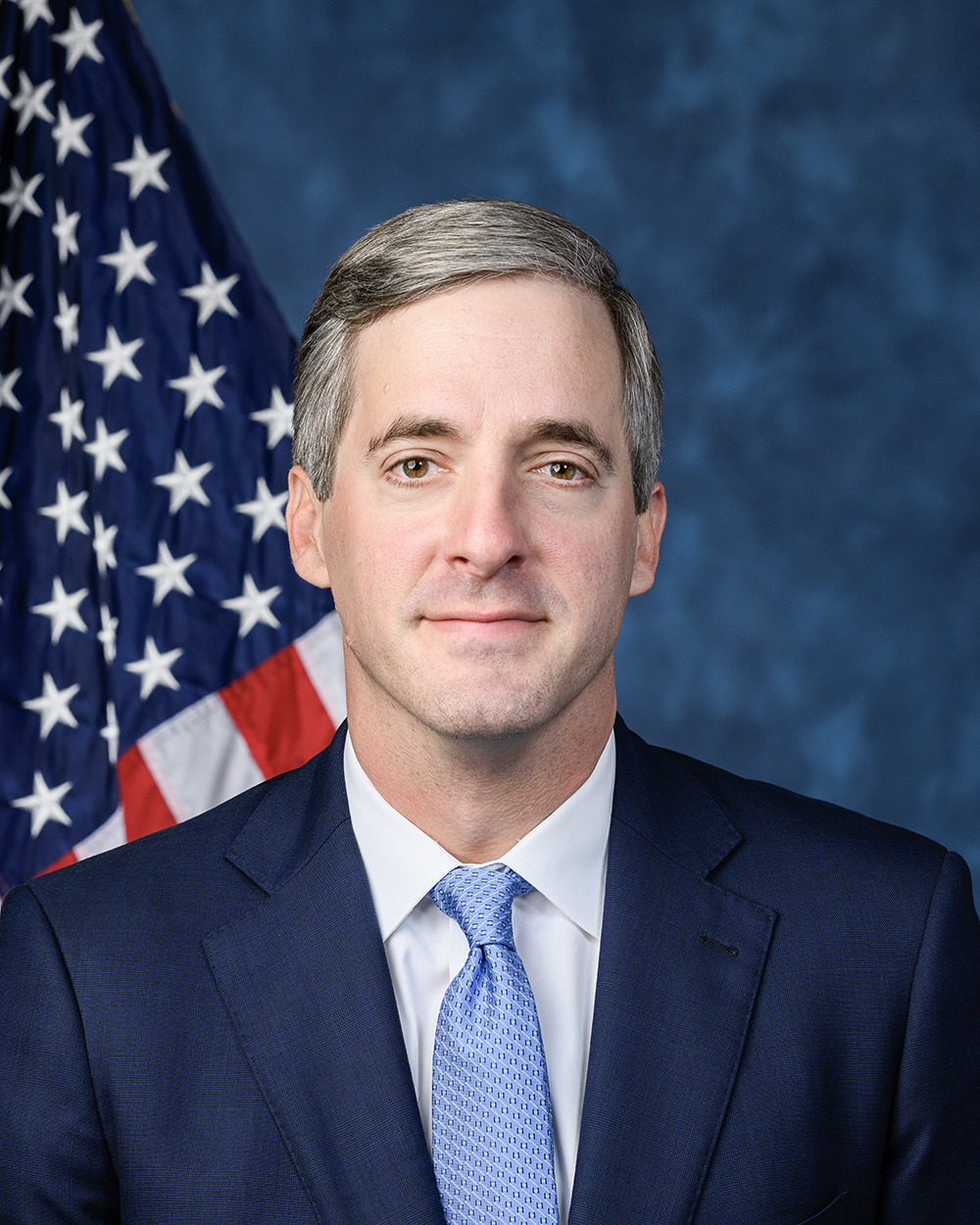
Brad Knott
Brad Knott House · District 13
R
Oppose
28% 18
Pat Harrigan
Pat Harrigan House · District 10
R
Oppose
28% 18
Showing 851–860 of 2,988 bills

All healthcare bills

in committee · United States · Senate Mar 17, 2026

S 4118: Hospice CARE Act of 2026

The Hospice CARE Act of 2026 introduces stricter oversight and payment reforms for Medicare hospice programs. It temporarily halts enrollment of new hospice programs for five years, with exceptions for areas lacking adequate care access. The bill increases survey frequency for certain hospices, requires more independent physician certifications for terminal illness, and mandates face-to-face encounters before recertifying patients. Payment reforms include adjusting reimbursement rates for specific services like palliative chemotherapy and dialysis, while also implementing stricter reporting requirements and ownership change notifications.
in committee · United States · Senate Mar 26, 2026

S 4242: Supporting Pregnant and Parenting Women and Families Act

This bill amends the Social Security Act to allow states to use federal grants to support pregnancy centers. It defines pregnancy centers as organizations that protect the lives of mothers and unborn children while offering services like counseling, education, and material support to families. The change removes previous restrictions that prevented states from using these funds for such centers. The legislation directly affects state governments managing federal grants and the organizations that provide pregnancy-related resources.
Sub-Topics Women's Health
in committee · United States · Senate Mar 24, 2026

S 4176: STOP FRAUD in Medicaid Act

The STOP FRAUD in Medicaid Act expands the scope of Medicaid fraud investigations by directing state Medicaid fraud control units to examine not just providers but also individuals who apply for or receive benefits. This change requires states to investigate and prosecute fraudulent activities involving both healthcare providers and beneficiaries seeking or receiving Medicaid coverage. The bill amends existing federal law to explicitly include individuals in the definition of entities subject to fraud control unit oversight. These provisions take effect 180 days after the law is enacted, giving states time to adjust their investigation procedures.
Sub-Topics Medicaid
in committee · United States · Senate Mar 23, 2026

S 4162: Get Justice-Involved Veterans BACK HOME Act

This bill establishes a pilot program to provide mental health care to incarcerated veterans, prioritizing those with service-connected disabilities related to PTSD, traumatic brain injury, or military sexual trauma. The program would offer telemental health services, mobile mental health units, or other appropriate care at no cost to veterans, with care delivered exclusively by Department of Veterans Affairs health care providers. Additionally, the bill requires the Bureau of Prisons to establish dedicated housing units for veterans in federal correctional facilities where feasible, along with specialized training for correctional staff and veteran-focused rehabilitation programs. The legislation also mandates automatic resumption of disability compensation payments upon a veteran's release from incarceration and requires annual reports on incarcerated veterans to Congress.
in committee · United States · House Feb 25, 2026

HR 7694: Gwenn’s Law

This bill, known as Gwenn's Law, directs the National Institutes of Health to launch public awareness campaigns aimed at increasing women's participation in clinical trials, with a specific focus on research for rare diseases. It authorizes $10 million annually from 2027 to 2031 to fund these outreach efforts at hospitals, clinics, and other healthcare locations. The legislation also establishes a permanent interagency task force within HHS to coordinate rare disease research and requires the department to submit a public action plan within 180 days outlining how to improve treatment options for rare conditions that disproportionately affect women.
in committee · United States · House Mar 12, 2026

HR 7899: Respect for Essential Workers Act

The Respect for Essential Workers Act allows certain immigrants currently in the United States with Temporary Protected Status to remain if they work in essential industries like healthcare, food service, construction, or agriculture. It also permits these workers to adjust their immigration status to permanent residency after 90 days from the bill's enactment. The law defines "covered aliens" as those with Temporary Protected Status who are employed in specified essential sectors or healthcare shortage areas. This legislation directly affects foreign nationals working in critical jobs who would otherwise face removal if their temporary status ended.
in committee · United States · House Apr 9, 2026

HR 8242: Health Coverage Tax Credit Reauthorization Act of 2026

This bill extends the Health Coverage Tax Credit program through January 1, 2030, allowing eligible individuals and small businesses to receive tax credits for purchasing health insurance. The program directly affects people who buy health insurance outside of government marketplaces and small businesses that provide coverage to their employees. Under this legislation, qualified taxpayers can claim a tax credit to help pay for their monthly health insurance premiums, with the credit amount based on their income and the cost of coverage. The change is administrative, simply updating the expiration date in the tax code rather than altering how the credit is calculated or who qualifies for it.
in committee · United States · Senate Mar 26, 2026

S 4233: Save Struggling Hospitals Act

This bill, known as the Save Struggling Hospitals Act, modifies Medicare reimbursement rules to provide additional financial support to hospitals in low-wage areas. It directly affects hospitals whose geographic area wage index falls below the 25th percentile, increasing their reimbursement rates by half the difference between their current index and the 25th percentile threshold. The adjustment applies to discharges occurring on or after October 1, 2019, and is designed to be budget neutral, meaning the total amount paid out remains unchanged while redistributing funds from higher-wage to lower-wage areas. The law also includes safeguards to prevent hospitals in the 75th percentile or higher from losing funding and ensures no hospital's reimbursement drops below 95 percent of the previous year's rate.
Sub-Topics Hospitals Medicare
in committee · United States · Senate Mar 26, 2026

S 4229: SCHEDULES Act of 2026

The SCHEDULES Act of 2026 requires the Department of Veterans Affairs to set a standard for how quickly veterans receive appointments after being referred for care, whether at a VA facility or through community providers. The VA must publish this standard in the Federal Register and on its website at least 30 days before implementing or changing it. The bill mandates quarterly reports to Congress detailing how many referrals meet the standard, broken down by care type and facility, along with an annual ranking of medical centers from best to worst in meeting the timing requirement. These reports must also include data on steps taken to improve care timeliness and estimates for full compliance. The legislation aims to increase transparency and accountability in scheduling appointments for veterans receiving care through the VA system.
in committee · United States · Senate Apr 29, 2026

S 4220: Veterans Health Administration Novel Therapeutics Preparedness Act

This bill establishes a new Office of Novel Therapeutics within the Veterans Health Administration to prepare for the implementation of emerging mental health treatments, such as psychedelic-assisted therapies, that are currently under FDA review. The office will develop national clinical standards, create training programs for staff, and designate specific medical centers as centers of excellence to lead research and implementation efforts. It also requires the VA to submit an annual report to Congress on research activities, clinical outcomes, and workforce readiness, while coordinating with other federal agencies on regulatory and reimbursement issues. The legislation focuses on ensuring patient safety, maintaining evidence-based practices, and providing integrated care for veterans with conditions like PTSD, depression, and substance use disorders.
Showing 851 to 860 of 2,988 bills
Previous 1 … 85 86 87 … 299 Next