Issue · Healthcare

Healthcare

Every healthcare bill, vote, and legislator stance in United States, automatically classified by Maddy, our AI policy reader.

Total bills
2,988
119th Congress
Top supporter
Darline Graham
82% support rate
Top opponent
Rick Scott
19% support rate
Ranked legislators
10
5 support · 5 oppose
Key legislators

Who's moving healthcare in United States

Legislators moving healthcare in United States
Legislator Party Stance Support rate Decisive votes
Darline Graham
Darline Graham Senate
R
Strong +
82% 11
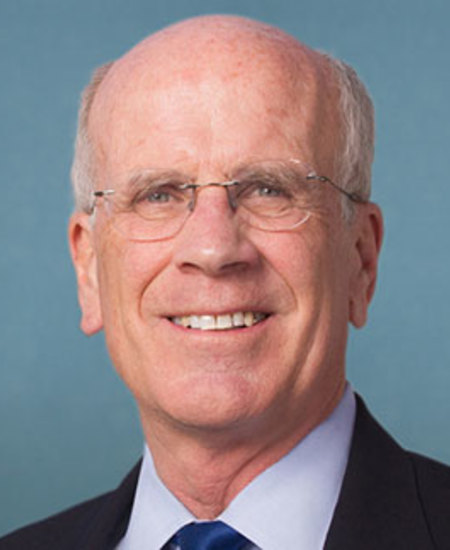
Peter Welch
Peter Welch Senate
D
Strong +
81% 27
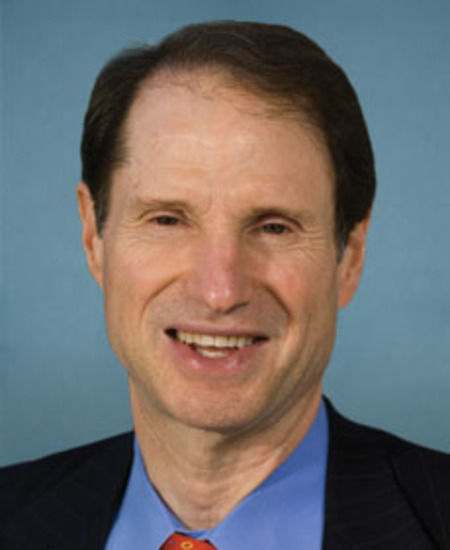
Ron Wyden
Ron Wyden Senate
D
Support
78% 27
Alex Padilla
Alex Padilla Senate
D
Support
77% 26
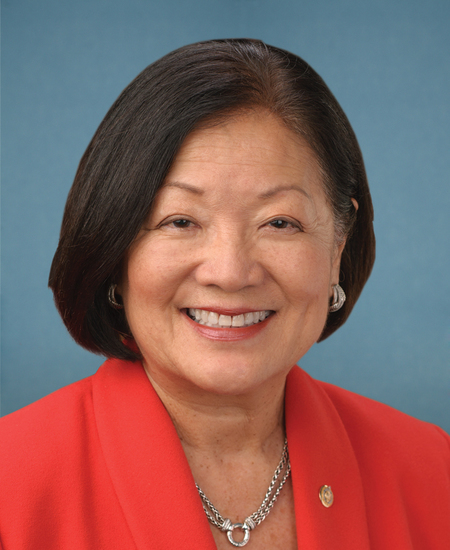
Mazie K. Hirono
Mazie K. Hirono Senate
D
Support
74% 27
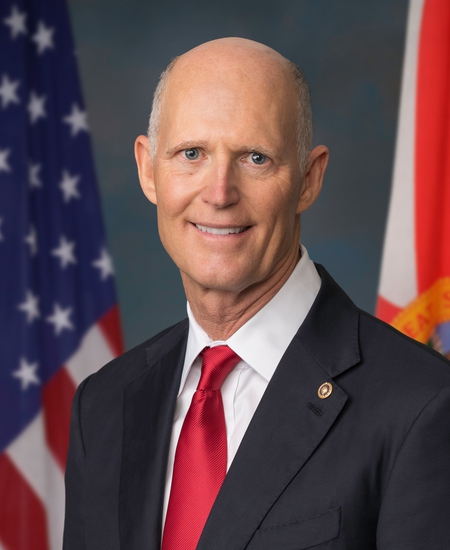
Rick Scott
Rick Scott Senate
R
Strong −
19% 27
Ashley Moody
Ashley Moody Senate
R
Oppose
22% 27
Rand Paul
Rand Paul Senate
R
Oppose
22% 27
Brad Knott
Brad Knott House · District 13
R
Oppose
28% 18
Pat Harrigan
Pat Harrigan House · District 10
R
Oppose
28% 18
Showing 811–820 of 2,988 bills

All healthcare bills

in committee · United States · House Mar 25, 2026

HR 8091: Outpatient Surgery Access Act of 2026

This bill, the Outpatient Surgery Access Act of 2026, changes how Medicare calculates payment updates for surgeries performed at outpatient surgical centers. Starting in 2027, these centers will receive annual payment increases that match the updates given to other outpatient hospital services, rather than using a separate calculation method. The legislation also removes a specific budget neutrality adjustment that previously limited payment increases for these facilities and ensures that spending data from the new payment system is included in future budget calculations. These changes directly affect Medicare reimbursement rates for outpatient surgical procedures without altering the underlying services provided.
Sub-Topics Hospitals Medicare
in committee · United States · House Jul 2, 2026

HR 7895: PBM Kickback Prohibition Act

This bill prohibits pharmacy benefit management companies from paying referral fees to brokers, consultants, or other individuals in exchange for directing business to them. It directly affects pharmacy benefit management service providers, brokerage firms, and healthcare plans by amending the Employee Retirement Income Security Act to ban such compensation arrangements. The key provision adds a new restriction to existing laws, making it illegal for these service providers to pay any amount, directly or indirectly, for referrals of their services. The ban takes effect for plan years starting after the bill is enacted, aiming to increase transparency in healthcare service contracting.
Sub-Topics Prescription Drugs
in committee · United States · House Mar 19, 2026

HR 8008: Social Determinants for Moms Act

This bill establishes a federal task force to address maternal health disparities by coordinating efforts across multiple government agencies and community stakeholders to reduce preventable maternal deaths and serious health complications. The task force will include representatives from various departments such as Health and Human Services, Housing and Urban Development, and Transportation, along with community leaders, patients, and healthcare providers focused on maternal health. Additionally, the bill authorizes $100 million over five years to provide grants to community organizations for addressing social determinants of maternal health including housing, transportation, nutrition, employment, and environmental conditions. These grants prioritize areas with high rates of maternal mortality and poverty, and recipients must submit annual reports on their activities and outcomes. The legislation defines key terms such as maternal mortality and social determinants of maternal health to guide implementation and reporting requirements.
Sub-Topics Women's Health
in committee · United States · House Apr 20, 2026

HR 7973: Momnibus Act

The Momnibus Act is a comprehensive legislative bill designed to improve maternal health outcomes across the United States by addressing social determinants of health, expanding access to care, and reducing disparities among pregnant and postpartum individuals. The bill establishes a federal task force to coordinate efforts between agencies and stakeholders to eliminate preventable maternal mortality and severe morbidity, while providing sustained funding to community-based organizations to address nonclinical factors like housing, nutrition, and transportation. Key provisions include extending WIC eligibility to 24 months postpartum, creating grants to grow and diversify the perinatal workforce, implementing respectful maternity care training for all healthcare employees, and establishing compliance programs to track and address bias in maternity care settings. The legislation also includes specific measures for incarcerated mothers, veterans, and vulnerable populations affected by climate change, alongside funding for maternal mental health services and technology-enabled care models to expand access in underserved areas.
in committee · United States · House Dec 15, 2025

HR 6721: MAP for Care Act

This bill establishes a Medicare Advance Directive Certification Program to help Medicare beneficiaries create and manage legally recognized advance directives that outline their medical care preferences. The program would require participating vendors to meet strict accreditation standards for security, privacy, and accessibility while allowing beneficiaries to voluntarily enroll and update their documents online. Key provisions include mandatory notifications to Medicare enrollees, federal oversight of vendor compliance, and the availability of state-compliant advance directive forms on the Centers for Medicare & Medicaid Services website. The legislation does not preempt state laws and ensures that certified directives remain accessible to healthcare providers and designated family members when needed.
Sub-Topics Medicaid Medicare
in committee · United States · House Mar 24, 2026

HR 8055: Extending WIC for New Moms Act

Extending WIC for New Moms Act This bill amends the Special Supplemental Nutrition Program for Women, Infants, and Children (WIC) to extend the eligibility periods for breastfeeding and postpartum women. Specifically, a state program may elect to certify a breastfeeding woman for up to 24 months (currently 1 year) postpartum. The bill also expands the eligibility period for postpartum women to up to 24 months after termination of pregnancy (currently 6 months). The Department of Agriculture must submit a report to Congress evaluating the effect of these changes to the program on (1) maternal and infant health outcomes, (2) breastfeeding rates, and (3) qualitative evaluations of family experiences under WIC.
Sub-Topics Children's Health
in committee · United States · House Mar 27, 2026

HR 8143: Ensuring Access to Lower-Cost Medicines for Seniors Act of 2026.

This bill requires Medicare Part D prescription drug plans to include certain lower-cost generic drugs and biosimilar biological products in preferred positions on their formularies starting in 2027. It mandates that these lower-cost alternatives be placed on more favorable tiers with reduced out-of-pocket costs compared to their brand-name counterparts. Additionally, the legislation prohibits plans from imposing stricter access restrictions, such as prior authorization or step therapy, on these lower-cost options than those applied to the original brand-name drugs. The measure directly affects Medicare beneficiaries enrolled in Part D plans and the insurance sponsors who manage those formularies.
Sub-Topics Medicare Prescription Drugs Tags Seniors
in committee · United States · House Apr 14, 2026

HRES 1171: Supporting the designation of the week of April 20 through April 24, 2026, as "National Home Visiting Week".

This resolution designates the week of April 20 through April 24, 2026, as National Home Visiting Week to raise awareness about home visiting programs that support families. The bill does not create new funding or change existing laws, but instead formally recognizes the importance of these services that help parents, promote healthy child development, and strengthen family relationships. It highlights statistics showing that over 284,000 families received home visiting services in 2024, with more than 20,000 home visitors providing support nationwide. The resolution serves as a commemorative measure to acknowledge the role of home visitors in providing practical, emotional, and educational assistance to families across the United States.
in committee · United States · House Apr 14, 2026

HRES 1167: Expressing support for the designation of the month of April 2026 as "Parkinson's Awareness Month".

This resolution expresses support for designating April 2026 as Parkinson's Awareness Month to raise public awareness about the condition. It directly affects individuals living with Parkinson's disease, their caregivers, and organizations working to improve care and research. The bill does not change laws or funding but serves as a symbolic gesture to highlight the disease's impact and encourage continued research and community support. It recognizes the millions of people affected and acknowledges the importance of clinical trials and quality-of-life improvements for patients and their families.
in committee · United States · House Mar 12, 2026

HR 7909: Medicare Expansion and Lowering Costs Now Act

This bill creates a Medicare buy-in option for individuals aged 50 to 64 who would qualify for Medicare at age 65 but are not yet eligible, allowing them to enroll in Medicare Parts A, B, and D with premiums based on average costs and geographic adjustments. It also establishes a new voluntary supplemental insurance program for current Medicare beneficiaries to help cover deductibles and copayments, starting in 2027, and requires the government to negotiate lower drug prices for Medicare Part D plans beginning in 2029. The legislation creates a reinsurance fund to stabilize health insurance premiums in the individual market for high-cost enrollees starting in 2025 and extends risk corridor reauthorization through 2031. Additionally, the bill increases eligibility for premium tax credits to cover individuals with household incomes up to 400% of the poverty line and repeals certain reconciliation provisions from a previous law.
Showing 811 to 820 of 2,988 bills
Previous 1 … 81 82 83 … 299 Next