Issue · Healthcare

Healthcare (Insurance)

Every healthcare bill, vote, and legislator stance in United States, automatically classified by Maddy, our AI policy reader.

Total bills
250
119th Congress
Top supporter
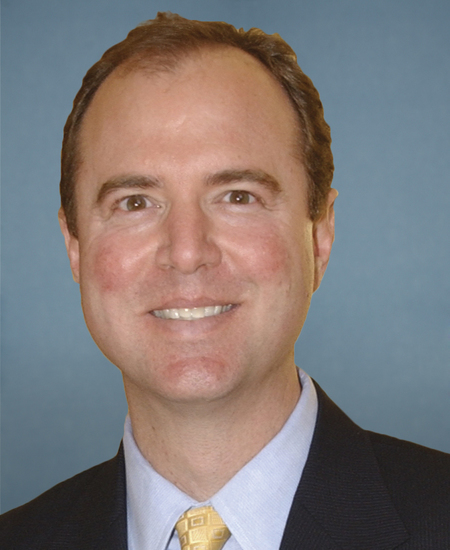
Adam B. Schiff
90% support rate
Top opponent
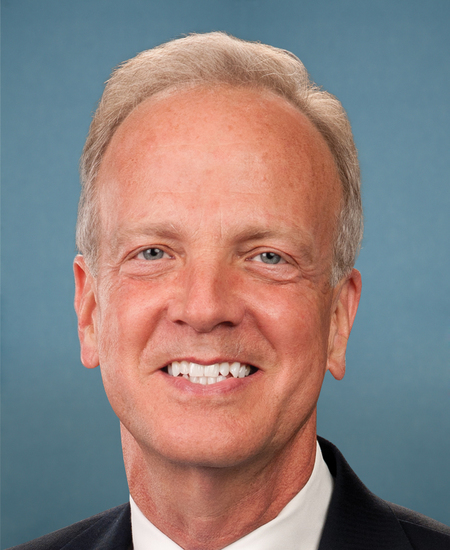
Jerry Moran
0% support rate
Ranked legislators
10
5 support · 5 oppose
Key legislators

Who's moving insurance in United States

Legislators moving insurance in United States
Legislator Party Stance Support rate Decisive votes
Adam B. Schiff
Adam B. Schiff Senate
D
Strong +
90% 10
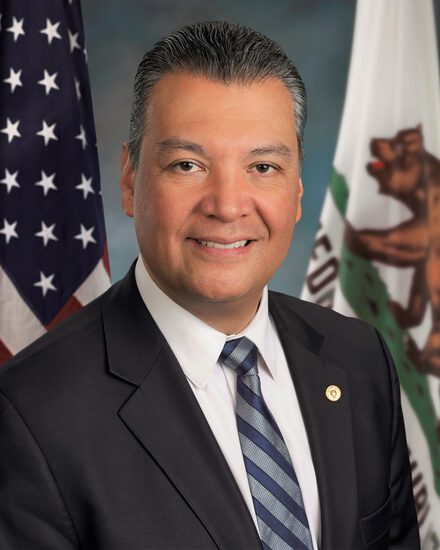
Alex Padilla
Alex Padilla Senate
D
Strong +
90% 10
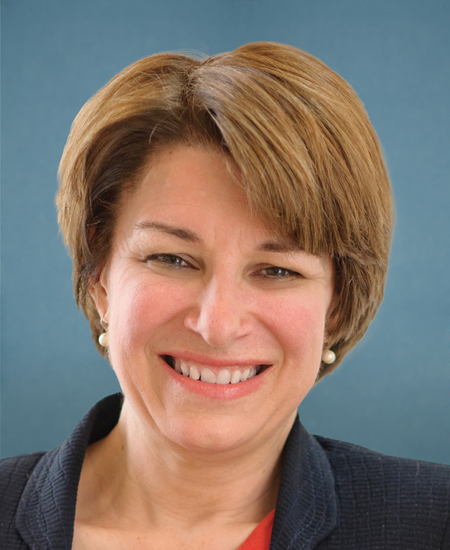
Amy Klobuchar
Amy Klobuchar Senate
D
Strong +
90% 10
Andy Kim
Andy Kim Senate
D
Strong +
90% 10
Angela D. Alsobrooks
Angela D. Alsobrooks Senate
D
Strong +
90% 10
Jerry Moran
Jerry Moran Senate
R
Strong −
0% 8
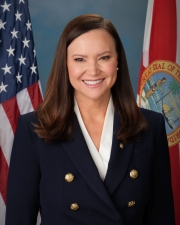
Ashley Moody
Ashley Moody Senate
R
Strong −
10% 10
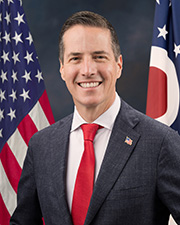
Bernie Moreno
Bernie Moreno Senate
R
Strong −
10% 10
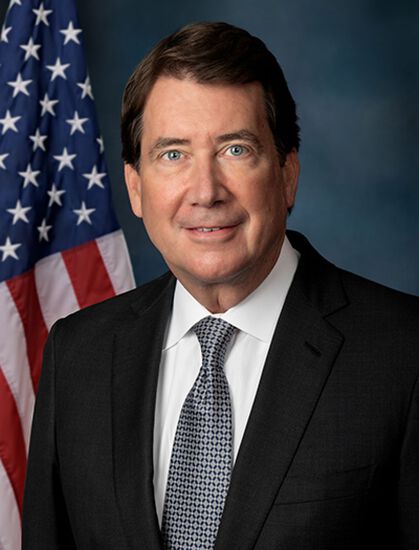
Bill Hagerty
Bill Hagerty Senate
R
Strong −
10% 10
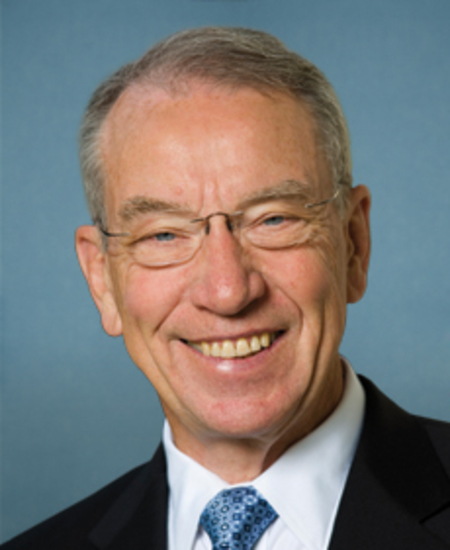
Chuck Grassley
Chuck Grassley Senate
R
Strong −
10% 10
Showing 61–70 of 250 bills

All healthcare bills

in committee · United States · Senate Mar 4, 2026

S 3990: PrEP Access and Coverage Act of 2026

This bill, the PrEP Access and Coverage Act of 2026, requires most health insurance plans to cover HIV prevention medication without charging patients any cost-sharing fees. It directly affects people enrolled in private insurance, Medicare, Medicaid, and other government health programs by mandating that these plans cover the medication, related lab tests, and follow-up care without requiring prior approval. The law also prohibits insurance companies from denying life, disability, or long-term care insurance to individuals taking HIV prevention medication and requires a public education campaign to increase awareness about the medication.
in committee · United States · Senate Mar 9, 2026

S 4027: Healthy Competition for Better Care Act

This bill, titled the Healthy Competition for Better Care Act, prohibits health insurance companies and group health plans from entering into contracts with healthcare providers that include certain anticompetitive restrictions. Specifically, it bans agreements that prevent insurers from steering patients toward different providers, require insurers to make additional agreements with related entities, force payment rate agreements with affiliates not involved in the contract, or stop other insurers from paying lower rates for the same services. The law includes exceptions for certain types of healthcare networks like health maintenance organizations and value-based care arrangements, allows states to grandfather existing contracts for up to 10 years if they are unlikely to reduce competition, and requires federal agencies to create implementing regulations within one year of enactment.
in committee · United States · House Mar 5, 2026

HR 7853: PrEP Access and Coverage Act of 2026

This bill, the PrEP Access and Coverage Act of 2026, requires most health insurance plans to cover HIV prevention medication without charging patients any out-of-pocket costs. It directly affects people with private insurance, government health programs like Medicare and Medicaid, military health care, and the Indian Health Service. The law mandates that insurance companies cannot require pre-approval for these medications, cannot charge deductibles or copayments for them, and cannot deny or charge higher premiums for life, disability, or long-term care insurance based on someone taking HIV prevention medication. The bill also creates a new public education campaign to increase awareness about HIV prevention options and provides federal funding to states and community organizations to expand access to these services.
in committee · United States · House Nov 20, 2025

HRES 902: Providing for consideration of the bill (H.R. 185) to advance responsible policies.

This resolution, HRES 902, sets up the House to consider H.R. 185, known as the Bipartisan Healthcare Optimization, Protection, and Extension Act. The bill extends financial assistance for health insurance through 2027 by adjusting premium tax credits for people earning up to 935% of the poverty line. It also adds stricter rules and penalties for insurance agents and brokers who provide incorrect or fraudulent information during enrollment. The legislation includes consumer protections like verification processes for enrollments, requirements to notify people about their tax credits, and procedures to remove deceased individuals from health plans. Finally, it extends the open enrollment period for 2026 to run from November 1, 2025, to May 15, 2026.
Sub-Topics Insurance
in committee · United States · House Mar 9, 2026

HR 7861: Care Over Profits Act of 2026

This bill, known as the Care Over Profits Act of 2026, aims to reform health insurance regulations by increasing the minimum medical loss ratio requirement and strengthening penalties for fraudulent enrollment practices. It directly affects health insurance companies offering plans in small group and individual markets, as well as agents and brokers who help people enroll in qualified health plans through health insurance exchanges. The bill raises the medical loss ratio requirement from 80% to 85% starting in 2026, meaning insurers must spend at least 85 cents of every premium dollar on medical care rather than administrative costs or profits. Additionally, it introduces new civil and criminal penalties for agents and brokers who negligently or knowingly provide false information during enrollment applications, with fines ranging from $10,000 to $200,000 per affected individual and potential imprisonment of up to 10 years for willful violations.
Sub-Topics Insurance
in committee · United States · Senate Nov 6, 2025

S 976: Insurance Fraud Accountability Act

The Insurance Fraud Accountability Act (S 976) amends the Affordable Care Act to strengthen penalties for insurance agents and brokers who provide incorrect or fraudulent information during health plan enrollment. It imposes civil penalties of $10,000-$50,000 per violation for negligent errors and up to $200,000 for knowing fraud, with criminal penalties including up to 10 years in prison for willful violations. The bill requires new verification processes for agent- or broker-assisted enrollments by January 2029, including mandatory documentation, consent forms, and delayed commission payments until enrollment issues are resolved. These provisions directly affect agents, brokers, third-party marketing organizations, and consumers enrolled in qualified health plans through federal or state marketplaces.
Sub-Topics Insurance
in committee · United States · House Mar 17, 2026

HRES 1120: Supporting the recognition of March 14, 2026, as "Black Midwives Day" and the longstanding and invaluable contributions of Black midwives to maternal and infant health in the United States.

This resolution supports recognizing March 14, 2026, as Black Midwives Day to honor the contributions of Black midwives to maternal and infant health. It highlights the importance of midwifery in addressing maternal health disparities and the maternity care desert crisis affecting millions of women. The resolution calls for federal and state governments to take actions such as increasing funding for midwifery education, removing regulatory barriers, and expanding insurance coverage for midwifely care. It also encourages efforts to decriminalize midwifery practices and promote culturally competent care to improve health outcomes for Black mothers and infants.
in committee · United States · Senate Mar 17, 2026

SRES 646: A resolution recognizing March 14, 2026, as "Black Midwives Day" and the longstanding and invaluable contributions of Black midwives to maternal and infant health in the United States.

This resolution formally recognizes March 14, 2026, as Black Midwives Day to honor the contributions of Black midwives to maternal and infant health in the United States. It highlights the importance of midwifery in addressing gaps in healthcare access and reducing maternal mortality rates, which are disproportionately high among Black women. The bill encourages federal, state, and local governments to take actions such as diversifying the perinatal workforce, removing regulatory barriers for midwives, and expanding insurance coverage for midwifery services. It also calls for increased funding for education and mentorship programs to support Black midwives and promote culturally competent care.
in committee · United States · House Feb 18, 2025

HR 1397: Increasing Access to Dental Insurance Act

Increasing Access to Dental Insurance Act This bill permits individuals to enroll in a dental benefits plan on a health insurance exchange without also enrolling in a qualified health plan.
Sub-Topics Insurance
in committee · United States · House Feb 20, 2026

HR 1320: Modern Worker Security Act

HR 1320, the Modern Worker Security Act, changes how federal law determines if a worker is an employee or independent contractor. It prohibits considering whether a worker has access to "portable benefits" (like health insurance, retirement savings, or paid leave that they can keep after leaving a job) when making this classification. This directly affects workers who might currently be misclassified as independent contractors, denying them employee benefits. The key mechanism is removing portable benefits from the employee status determination process, aiming to ensure workers who perform regular work for an employer qualify for standard employee protections.
Showing 61 to 70 of 250 bills
Previous 1 … 6 7 8 … 25 Next