Issue · Healthcare

Healthcare (Women's Health)

Every healthcare bill, vote, and legislator stance in United States, automatically classified by Maddy, our AI policy reader.

Total bills
79
119th Congress
Top supporter
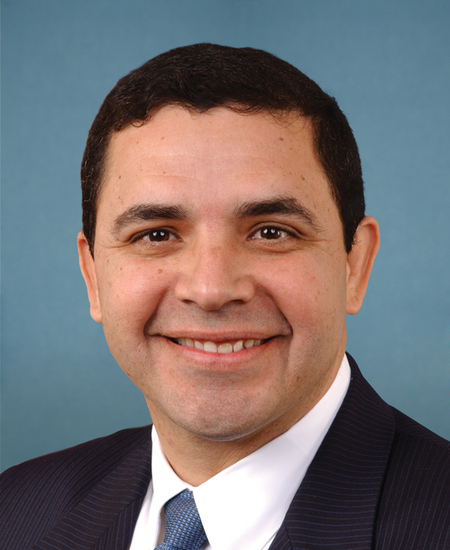
Henry Cuellar
100% support rate
Top opponent
John Garamendi
33% support rate
Ranked legislators
6
5 support · 1 oppose
Key legislators

Who's moving women's health in United States

Legislators moving women's health in United States
Legislator Party Stance Support rate Decisive votes
Henry Cuellar
Henry Cuellar House · District 28
D
Strong +
100% 4
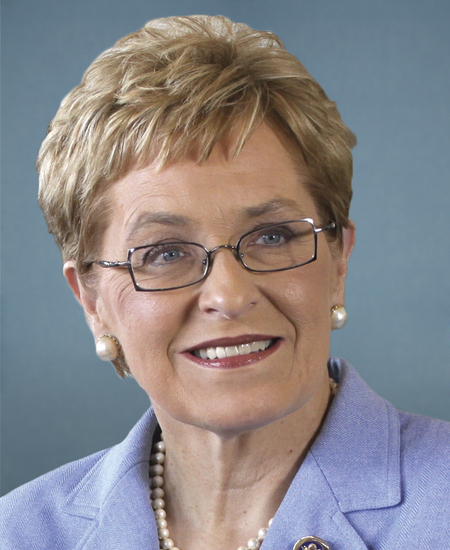
Marcy Kaptur
Marcy Kaptur House · District 9
D
Support
67% 3
Mike Haridopolos
Mike Haridopolos House · District 8
R
Support
67% 3
Aaron Bean
Aaron Bean House · District 4
R
Mixed
50% 4
Abraham J. Hamadeh
Abraham J. Hamadeh House · District 8
R
Mixed
50% 4
John Garamendi
John Garamendi House · District 8
D
Oppose
33% 3
Showing 61–70 of 79 bills

All healthcare bills

in committee · United States · House Feb 13, 2025

HR 1349: Women’s Protection in Telehealth Act

HR 1349, the Women’s Protection in Telehealth Act, excludes Medicare participation for providers who prescribe, administer, dispense, or furnish abortion-inducing drugs via telehealth unless they meet strict conditions. Specifically, providers must be physicians who physically examine the patient, be present in the same room during drug administration, and schedule an in-person follow-up within 14 days. The bill defines "abortion-inducing drug" as any substance used to terminate a clinically diagnosable pregnancy with knowledge it will likely cause fetal death. This directly affects Medicare-covered telehealth abortion services, requiring in-person care for such treatments rather than remote consultations. The exclusion is permanent for non-compliant providers under Medicare rules.
in committee · United States · Senate Jan 27, 2026

S 3697: SAVE Moms and Babies Act of 2026

The SAVE Moms and Babies Act of 2026 prohibits the FDA from approving new abortion drugs or granting investigational exemptions for them. It requires existing approved abortion drugs to be dispensed only in-person by certified healthcare providers in clinics or hospitals (not pharmacies), mandates providers to verify pregnancy duration and handle complications, and enforces strict adverse event reporting to the FDA. The bill directly affects healthcare providers prescribing abortion drugs, patients seeking these medications, and the FDA’s regulatory authority over such drugs. Key provisions include banning use after 70 days gestation, requiring provider certification for specific medical capabilities, and mandating documentation of risks to patients.
Sub-Topics Women's Health
in committee · United States · House Jan 22, 2025

HR 599: Protect Funding for Women’s Health Care Act

This bill prohibits federal funding from being provided to Planned Parenthood Federation of America or its related clinics. It redirects funds previously allocated to Planned Parenthood to other eligible providers like community health centers, hospitals, and clinics that offer women's health services. These services include contraception, cancer screenings, prenatal care, STI testing, and family planning - particularly in underserved areas. The bill explicitly states it does not reduce overall federal funding for women's health care or affect existing abortion-related funding restrictions.
Sub-Topics Women's Health
in committee · United States · House Jan 13, 2025

HCONRES 3: Expressing support for the Geneva Consensus Declaration on Promoting Women's Health and Strengthening the Family and urging that the United States rejoin this historic declaration.

HCONRES 3 is a symbolic congressional resolution expressing support for the Geneva Consensus Declaration, an international agreement signed by 39 countries that affirms women’s health, family protection, and opposes international abortion rights. It urges the U.S. to rejoin the declaration, which emphasizes that no country has an obligation to fund or facilitate abortion and that families are foundational to society. The resolution does not create new laws but reaffirms existing U.S. policies prohibiting federal funding for abortions or coercive family planning abroad. It directly affects U.S. foreign policy direction but has no binding effect on government actions.
Sub-Topics Women's Health
in committee · United States · House Feb 11, 2025

HR 1208: No Tax Breaks for Radical Corporate Activism Act

This bill denies tax deductions to employers for expenses related to two specific services: (1) reimbursing employees for travel to obtain an abortion, and (2) covering gender transition procedures for a minor child (under age 18). It directly affects employers who provide health benefits or reimbursements for these services, making such costs non-deductible for tax purposes. Key provisions define "gender transition procedure" broadly to include medical/surgical services, puberty-blocking drugs, and cross-sex hormones, with limited exceptions for medically verified disorders of sex development or complications from prior procedures. The law would take effect for taxable years after enactment.
in committee · United States · House Jan 3, 2025

HR 49: No Pro-Abortion Task Force Act

HR 49, the "No Pro-Abortion Task Force Act," blocks federal funding for the HHS Reproductive Healthcare Access Task Force (created January 21, 2022) and any similar successor group. It directly affects the Department of Health and Human Services by preventing the use of taxpayer money to operate this specific task force. The bill does not alter abortion laws or healthcare access; it only prohibits federal funds from supporting this particular initiative. This is a procedural funding restriction, not a policy change on reproductive healthcare.
Sub-Topics Women's Health
in committee · United States · House Jun 17, 2025

HRES 522: Recognizing that Adriana Smith and her family's prolonged ordeal without their consent is the direct result of the Black maternal health crisis, the danger of laws that give rights to fetuses and take them away from pregnant people, and anti-abortion laws that continue to harm people who can become pregnant.

HRES 522 is a congressional resolution recognizing Adriana Smith, a Black nurse who became brain dead at 9 weeks pregnant, as a case directly resulting from systemic issues in maternal healthcare and restrictive abortion laws. It specifically condemns laws that grant legal rights to fetuses while stripping pregnant people of medical autonomy, and highlights how Georgia’s anti-abortion laws (like the LIFE Act) create dangerous uncertainty for medical decisions. The resolution urges states to repeal abortion bans, protect advance directives for pregnant patients, and clarify that medical care must prioritize the health of the pregnant person. It does not create new law but calls for policy changes to prevent similar cases where families are denied consent over life support decisions. The resolution focuses on the intersection of racial disparities in maternal care, fetal rights legislation, and the chilling effect of vague anti-abortion laws on healthcare access.
in committee · United States · Senate Jan 15, 2026

S 3650: Child Interstate Abortion Notification Act

S 3650, the Child Interstate Abortion Notification Act, requires physicians performing abortions on minors traveling across state lines to provide 24 hours of "actual notice" (in person or in writing) to a parent before the procedure, or "constructive notice" (via certified mail) if actual notice isn't possible. The bill directly affects minors under 18 (not emancipated), their parents, and physicians in states where the minor resides but the abortion is performed. Key exceptions include life-threatening medical emergencies, court waivers for parental notification, documented child abuse, or when a parent accompanies the minor. Violations could lead to fines or imprisonment for those transporting minors to bypass parental involvement laws or physicians failing to comply with notification rules.
Sub-Topics Women's Health
in committee · United States · Senate Jan 22, 2025

S 177: Protect Funding for Women's Health Care Act

S 177, the Protect Funding for Women's Health Care Act, prohibits federal funding from being provided to Planned Parenthood Federation of America or its affiliates, clinics, subsidiaries, or successors. This directly affects Planned Parenthood as a recipient of federal funds for women's health services. The bill ensures that funds previously allocated to Planned Parenthood will instead be made available to other eligible providers like community health centers, hospitals, and clinics serving women. It explicitly states this prohibition does not reduce overall federal funding for women’s health care or affect existing abortion-related funding restrictions in appropriations acts.
Sub-Topics Women's Health
in committee · United States · House Apr 10, 2025

HR 2874: Defense of Conscience in Health Care Act

This bill requires the Health and Human Services Secretary to issue a final rule within six months of enactment that reinstates the 2019 "protecting statutory conscience rights in health care" regulation. It directly affects healthcare providers and facilities receiving federal funds, ensuring they can refuse certain services (like abortion or contraception) based on religious or moral beliefs without penalty. The rule must explicitly supersede any conflicting current regulations. This is a procedural rule restoration, not a new policy, aimed at preserving existing conscience protections under federal law.
Sub-Topics Women's Health
Showing 61 to 70 of 79 bills
Previous 1 … 6 7 8 Next