Issue · Healthcare

Healthcare (Medicaid)

Every healthcare bill, vote, and legislator stance in United States, automatically classified by Maddy, our AI policy reader.

Total bills
441
119th Congress
Top supporter
Christopher Murphy
89% support rate
Top opponent
Bill Hagerty
11% support rate
Ranked legislators
10
5 support · 5 oppose
Key legislators

Who's moving medicaid in United States

Legislators moving medicaid in United States
Legislator Party Stance Support rate Decisive votes
Christopher Murphy
Christopher Murphy Senate
D
Strong +
89% 9
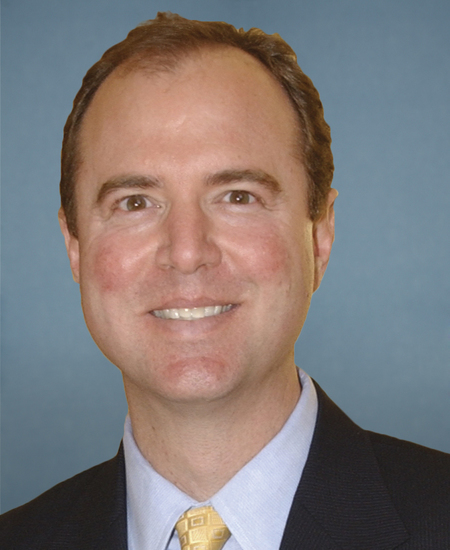
Adam B. Schiff
Adam B. Schiff Senate
D
Strong +
80% 10
Alex Padilla
Alex Padilla Senate
D
Strong +
80% 10
Amy Klobuchar
Amy Klobuchar Senate
D
Strong +
80% 10
Andy Kim
Andy Kim Senate
D
Strong +
80% 10
Bill Hagerty
Bill Hagerty Senate
R
Strong −
11% 9
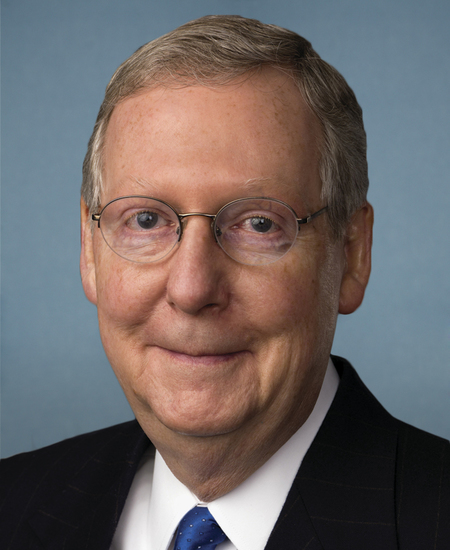
Mitch McConnell
Mitch McConnell Senate
R
Strong −
11% 9
Roger F. Wicker
Roger F. Wicker Senate
R
Strong −
11% 9
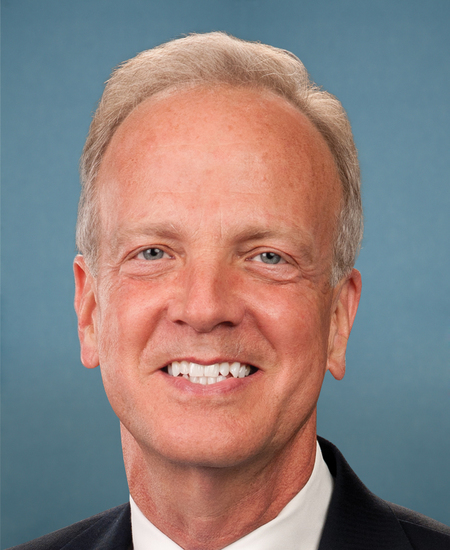
Jerry Moran
Jerry Moran Senate
R
Strong −
12% 8
Ashley Moody
Ashley Moody Senate
R
Strong −
20% 10
Showing 51–60 of 441 bills

All healthcare bills

in committee · United States · House Jul 15, 2026

HR 9703: Improving Access to Transfusion Care for Hospice Patients Act of 2026

This bill directs the Centers for Medicare & Medicaid Services to test a new payment model that allows blood transfusions for hospice patients to be billed separately from the standard daily hospice rate. Under this proposed change, Medicare would reimburse these transfusions at the same rate used when they are provided outside of a hospice setting. The legislation requires the agency to evaluate the model by comparing patient outcomes, such as hospital visits and chemotherapy use, between those receiving the new payment structure and similar patients under the current system. This initiative aims to determine if separating the payment for blood transfusions impacts care delivery and resource utilization for individuals receiving end-of-life care.
in committee · United States · House Jul 9, 2026

HR 9623: Protecting Americans’ Health Care Act of 2026

The Protecting Americans' Health Care Act of 2026 reverses specific Medicaid changes made in the 119th Congress. It directly affects state and federal health programs by restoring the original rules that were previously altered. The bill achieves this by repealing the relevant sections of the reconciliation law and reinstating the prior legislation as if the changes had never occurred. This action effectively undoes the policy shifts related to Medicaid funding and eligibility that were implemented in the earlier session.
Sub-Topics Medicaid
in committee · United States · House Jul 14, 2026

HR 9682: Cure Hepatitis C Act of 2026

The Cure Hepatitis C Act of 2026 establishes a federal program to eliminate hepatitis C by creating a subscription model that allows the government to purchase antiviral drugs directly from manufacturers and distribute them at no cost to specific patient groups. These groups include individuals in Medicaid or CHIP programs, those without health insurance, patients in correctional facilities, and those receiving care through the Indian Health Service. The bill also expands Medicare coverage by removing deductibles and copayments for hepatitis C treatments between 2028 and 2032. To support these efforts, the legislation authorizes funding for state grants to improve screening and treatment access, mandates the creation of a national strategy and performance dashboard, and requires coordination with various federal agencies and stakeholders.
in committee · United States · House Jul 14, 2026

HR 9667: Securing Healthcare and Income Entitlements for Lawfully Domiciled Citizens (SHIELD Citizens) Act

The SHIELD Citizens Act aims to restrict access to federal welfare programs, such as food assistance, Medicaid, and housing aid, exclusively to United States citizens. By amending existing laws, the bill removes eligibility for noncitizens, including lawfully domiciled residents, while preserving access to emergency medical care, disaster relief, and services like soup kitchens. The legislation includes a transition period allowing current recipients to keep their benefits for up to 180 days after the law takes effect, which is set to begin 180 days after enactment. This change directly impacts noncitizen families who currently rely on these safety net programs, narrowing the pool of eligible individuals to citizens only.
Sub-Topics Medicaid
in committee · United States · House Jun 30, 2026

HR 9542: Protecting Health Care and Lowering Costs Act of 2026

This bill, titled the Protecting Health Care and Lowering Costs Act of 2026, directly affects individuals and entities impacted by previous Medicaid funding changes. Its primary mechanism is to repeal specific provisions from a 2024 reconciliation law that altered Medicaid funding rules, effectively restoring the program to its state before those changes were enacted. By removing these amendments, the legislation aims to reverse recent policy shifts regarding federal support for Medicaid without introducing new requirements or altering other parts of the healthcare system.
Sub-Topics Medicaid
in committee · United States · Senate Jun 24, 2026

S 4895: Turn the Tide Act

The Turn the Tide Act primarily increases federal funding for substance use disorder treatment, prevention, and recovery services, directing billions of dollars to states, tribes, and local organizations starting in fiscal year 2027. It expands access to medication-assisted treatment by prohibiting insurance companies from imposing prior authorization requirements or cost-sharing fees for these drugs and mandates that health plans cover at least one formulation of opioid overdose reversal medications without deductibles. The legislation also establishes new programs and grants to support first responder training, recovery housing, mental health care for children exposed to trauma, and workforce development in areas with the highest overdose death rates. Additionally, the bill extends existing Medicaid waivers and creates a demonstration project to test whether providing recovery housing under Medicaid can reduce emergency room visits and hospitalizations for individuals with opioid use disorders.
in committee · United States · Senate Jun 24, 2026

S 4913: MOMMIES Act

The MOMMIES Act expands Medicaid and CHIP coverage for low-income pregnant individuals by extending postpartum benefits from 60 days to one year and mandating full coverage of oral health services during this period. To support these changes, the bill includes a maintenance of effort provision that prevents states from reducing eligibility standards or benefit levels for pregnant individuals until 2027, alongside a 100 percent federal funding match for states that increase spending on this population. A major component is a five-year demonstration project that provides grants to states to implement maternity care home models, which coordinate comprehensive medical and social support services like housing assistance and mental health care to improve birth equity and outcomes. The legislation also requires the Centers for Medicare & Medicaid Services to issue guidance on covering doula services and directs the Government Accountability Office to study the use of telehealth and gaps in coverage for pregnant and postpartum people.
in committee · United States · Senate Jun 24, 2026

S 4898: Medicaid RAC Improvement Act of 2026

The Medicaid RAC Improvement Act of 2026 strengthens oversight of the Medicaid Recovery Audit Contractor program to improve how states identify and recover improper payments. It requires the Centers for Medicare and Medicaid Services to establish clear expiration dates for state exceptions to the program, mandate detailed annual reports on audit results, and ensure managed care organizations are included in these reviews. Additionally, the bill directs the agency to study barriers preventing states from participating and to launch a five-year demonstration project aimed at increasing state engagement. The legislation also extends the standard audit period to allow reviews of payments made over the previous four fiscal years.
in committee · United States · Senate Jun 24, 2026

S 4886: Medicare Cost Cap Act of 2026

The Medicare Cost Cap Act of 2026 establishes a $5,000 annual limit on out-of-pocket costs for Medicare fee-for-service beneficiaries starting in 2028, after which Medicare will cover 100% of additional covered expenses. This protection applies to all individuals enrolled in Medicare Part A or Part B and includes tracking mechanisms to notify patients and providers once the cap is reached. The bill also modifies eligibility rules for low-income assistance programs, aligning income thresholds between Medicare Savings Programs and Medicaid and expanding data sharing to streamline enrollment for qualifying beneficiaries.
Sub-Topics Medicaid Medicare
in committee · United States · Senate Jun 24, 2026

SRES 790: A resolution recognizing and honoring the 27th anniversary of the Supreme Court decision in Olmstead v L.C.

This Senate resolution honors the 27th anniversary of the Supreme Court's Olmstead v. L.C. decision, which established that states must offer community-based services to individuals with disabilities rather than forcing them into institutions. The bill affirms the legal requirement that people with disabilities should live in the most integrated settings possible and salutes those who have expanded home and community support services. It also condemns a recent Department of Justice opinion that challenges this integration mandate and calls on the department to rescind that opinion. Additionally, the resolution criticizes cuts to the Medicaid program and urges Congress to restore funding to protect the health and independence of people with disabilities.
Sub-Topics Medicaid Tags People with Disabilities
Showing 51 to 60 of 441 bills
Previous 1 … 5 6 7 … 45 Next