Issue · Healthcare

Healthcare (Women's Health)

Every healthcare bill, vote, and legislator stance in United States, automatically classified by Maddy, our AI policy reader.

Total bills
223
119th Congress
Top supporter
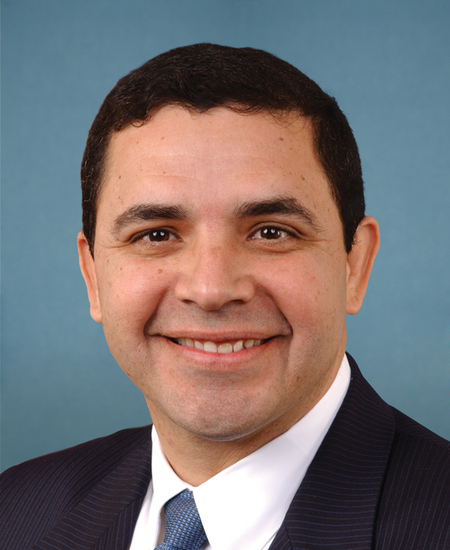
Henry Cuellar
100% support rate
Top opponent
John Garamendi
33% support rate
Ranked legislators
6
5 support · 1 oppose
Key legislators

Who's moving women's health in United States

Legislators moving women's health in United States
Legislator Party Stance Support rate Decisive votes
Henry Cuellar
Henry Cuellar House · District 28
D
Strong +
100% 4
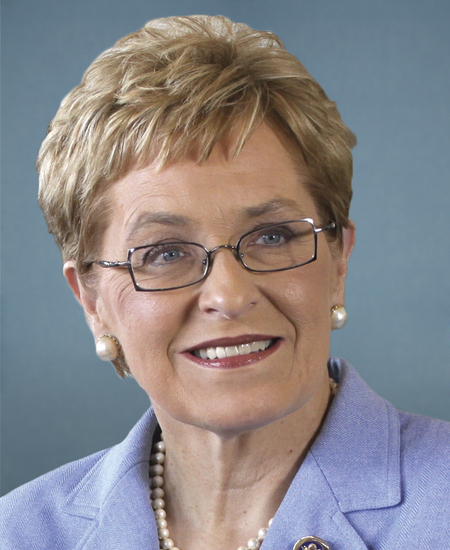
Marcy Kaptur
Marcy Kaptur House · District 9
D
Support
67% 3
Mike Haridopolos
Mike Haridopolos House · District 8
R
Support
67% 3
Aaron Bean
Aaron Bean House · District 4
R
Mixed
50% 4
Abraham J. Hamadeh
Abraham J. Hamadeh House · District 8
R
Mixed
50% 4
John Garamendi
John Garamendi House · District 8
D
Oppose
33% 3
Showing 51–60 of 223 bills

All healthcare bills

in committee · United States · Senate May 18, 2026

S 4552: Moms Matter Act

The Moms Matter Act establishes two main grant programs to improve maternal mental health and expand the healthcare workforce dedicated to this field. The first program provides funding to community organizations and healthcare providers to integrate mental health services into prenatal and postpartum care, with a specific focus on groups facing higher risks of poor childbirth outcomes. The second program offers grants to educational institutions to train and recruit more mental health professionals who specialize in maternal care, prioritizing schools that commit to diversity and training on implicit bias. Both initiatives include requirements for regular reporting on how funds are used and their effectiveness in addressing maternal health disparities.
in committee · United States · Senate May 19, 2026

S 4574: MARCH for Military Servicemembers Act

The MARCH for Military Servicemembers Act repeals a specific federal law that previously restricted the use of Department of Defense medical facilities and funds for abortion care. By removing this restriction, the bill allows military healthcare providers to offer abortion services to servicemembers without fear of violating federal regulations. This change directly affects active duty personnel, reservists, and their dependents who rely on military healthcare systems. The legislation does not create new funding or mandate specific procedures but rather restores the ability of the Department of Defense to provide reproductive care consistent with other medical treatments.
Sub-Topics Women's Health
in committee · United States · House May 19, 2026

HR 8891: Rural MOMS Act of 2026

The Rural MOMS Act of 2026 modifies how Medicare counts hospital beds, specifically excluding labor and delivery rooms from the total number of acute care inpatient beds used to determine if a facility qualifies as a Critical Access Hospital. This change directly affects rural hospitals that provide maternity services by altering the financial thresholds required to maintain their special status under the Medicare program. By removing delivery rooms from the bed count calculation, the bill aims to prevent these facilities from losing their designation solely because they offer childbirth care. The legislation does not change how these hospitals are funded or operated, but rather adjusts the metric used to evaluate their eligibility for critical access benefits.
in committee · United States · House May 7, 2026

HR 8716: Blood Pressure MATTERS Act

The Blood Pressure MATTERS Act requires health insurance plans, Medicaid programs, and the Children's Health Insurance Program to cover self-measured blood pressure monitors for pregnant and postpartum individuals without charging copayments or deductibles. This coverage applies to devices that allow individuals to measure their own blood pressure without a doctor's help, provided the device is FDA-cleared and listed on a specific validated registry. The law mandates that these devices be covered regardless of whether a person has been diagnosed with high blood pressure, but limits the benefit to one device per person every two years. These changes take effect approximately 120 days after the bill is enacted, with a grace period for states that need to pass additional legislation to comply.
in committee · United States · Senate Apr 30, 2026

SRES 710: A resolution recognizing Maternal Mental Health Day to raise awareness about maternal mental health.

This Senate resolution formally recognizes Maternal Mental Health Day on the first Wednesday of May to raise awareness about mental health issues affecting new mothers. It highlights the prevalence of these conditions, noting that they are common complications of pregnancy that often go undiagnosed and can negatively impact both mothers and their children. The bill calls for increased public education on risk factors and symptoms, honors the challenges mothers face, and encourages further research and provider training to improve treatment options.
in committee · United States · House May 22, 2026

HR 9015: Physician Education for Fistula Treatment Act

This bill, known as the Physician Education for Fistula Treatment Act, aims to prevent and treat obstetric fistula, a serious childbirth injury caused by prolonged labor without medical care, primarily affecting women in the world's poorest nations. It authorizes funding to train and retain obstetrician-gynecologists and urogynecology specialists in least developed countries through new fellowship programs, residency training, and specialized medical centers. Additionally, the legislation requires the President to create a comprehensive ten-year strategy to address the shortage of physicians in these regions, focusing on prevention, treatment, and strengthening local health infrastructure. The bill also mandates that relevant government agencies submit annual reports to Congress on the progress and effectiveness of these international health initiatives.
Sub-Topics Women's Health
in committee · United States · Senate May 12, 2026

S 4503: Advancing Menopause Care and Mid-Life Women’s Health Act

The Advancing Menopause Care and Mid-Life Women’s Health Act directs the National Institutes of Health and the Department of Health and Human Services to expand research, education, and clinical training focused on menopause and mid-life women’s health. It authorizes funding to create Centers of Excellence, launch public awareness campaigns, and develop training programs for health care providers to better diagnose and treat menopausal symptoms. The bill also requires the government to collect data on health disparities and report progress annually to Congress, with a specific focus on improving care for women in rural and underserved areas.
Sub-Topics Women's Health
in committee · United States · Senate May 11, 2026

S 4480: Optimizing Postpartum Outcomes Act of 2026

The Optimizing Postpartum Outcomes Act of 2026 directs the Department of Health and Human Services to issue guidance on Medicaid and CHIP coverage for pelvic health services, such as pelvic floor exams and physical therapy, during the postpartum period. This guidance will outline best practices for payment models, financing options, and technical assistance for state agencies to improve access to these care services. The bill also requires the Government Accountability Office to study gaps in coverage for these services and defines the postpartum period as lasting at least six months or as long as lactation continues. Additionally, the Act authorizes $2 million annually from 2027 to 2031 to fund a national education campaign that trains health professionals and informs postpartum women about the importance and availability of pelvic health care.
in committee · United States · House Apr 21, 2026

HR 8397: Protecting Moms and Babies Against Climate Change Act

This bill establishes a grant program to help vulnerable mothers and babies in areas with high climate-related health risks, such as extreme heat and air pollution. It directs the Department of Health and Human Services to award up to $105 million over four years to community groups, healthcare providers, and local organizations for initiatives that provide cooling resources, health education, and support services. The program prioritizes areas with high rates of maternal and infant health disparities and requires grantees to address racial and ethnic inequities. Additionally, the bill creates a research consortium at the National Institutes of Health to study climate impacts on birth outcomes and funds training programs for health profession schools to better prepare providers for these risks.
in committee · United States · House May 14, 2026

HRES 1285: Expressing the sense of the House of Representatives that over 25 years of real-world evidence and hundreds of peer-reviewed studies proving that mifepristone is safe and effective should be respected, and law and policy governing access to lifesaving, time-sensitive medication abortion care in the United States should be equitable, transparent, and based on the best available peer-reviewed evidence-based science.

This non-binding resolution expresses the House of Representatives' view that the FDA should regulate mifepristone, a medication used for abortion, based on scientific evidence rather than political pressure. It highlights over 25 years of data showing the drug is safe and effective when prescribed via telemedicine or dispensed by mail and pharmacy. The bill advocates for policies that ensure equitable access to this care, particularly for marginalized communities facing barriers due to state-level restrictions. By citing numerous studies and medical organizations, the resolution calls for transparent, science-based decisions to maintain current access methods.
Showing 51 to 60 of 223 bills
Previous 1 … 5 6 7 … 23 Next