Issue · Healthcare

Healthcare (Women's Health)

Every healthcare bill, vote, and legislator stance in United States, automatically classified by Maddy, our AI policy reader.

Total bills
302
119th Congress
Top supporter
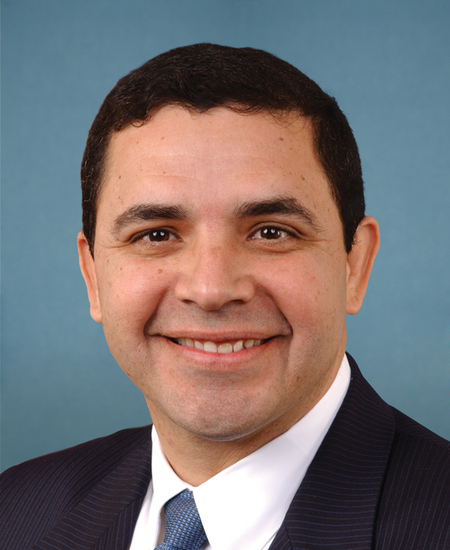
Henry Cuellar
100% support rate
Top opponent
John Garamendi
33% support rate
Ranked legislators
6
5 support · 1 oppose
Key legislators

Who's moving women's health in United States

Legislators moving women's health in United States
Legislator Party Stance Support rate Decisive votes
Henry Cuellar
Henry Cuellar House · District 28
D
Strong +
100% 4
Marcy Kaptur
Marcy Kaptur House · District 9
D
Support
67% 3
Mike Haridopolos
Mike Haridopolos House · District 8
R
Support
67% 3
Aaron Bean
Aaron Bean House · District 4
R
Mixed
50% 4
Abraham J. Hamadeh
Abraham J. Hamadeh House · District 8
R
Mixed
50% 4
John Garamendi
John Garamendi House · District 8
D
Oppose
33% 3
Showing 41–50 of 302 bills

All healthcare bills

in committee · United States · House May 19, 2026

HR 8907: IMPACT to Save Moms Act

The IMPACT to Save Moms Act directs the Centers for Medicare & Medicaid Services to run a five-year demonstration project from 2027 to 2031, allowing states to test new payment models for maternity care under Medicaid and state child health plans. This initiative aims to improve health outcomes for pregnant and postpartum individuals, with a specific focus on reducing disparities among groups that experience higher rates of maternal mortality and severe complications. To achieve these goals, the project requires states to consider alternative payment structures that account for pregnancy risk levels, include diverse care teams with training on bias, and address social factors affecting health. The bill also mandates that the federal government evaluate the project's impact on health outcomes and spending, and submit a final report to Congress with recommendations on whether to expand the program nationwide.
in committee · United States · House May 29, 2026

HR 9061: PREEMPT Act

The PREEMPT Act directs the federal government to issue guidance and provide technical assistance to states regarding Medicaid coverage for preeclampsia screening and detection tests. This legislation aims to improve outcomes for pregnant women by promoting early detection and management of the condition, which is a leading cause of maternal and fetal deaths. Specifically, it requires the Secretary of Health and Human Services to outline best practices and determine which advanced biomarker tests can be covered under state Medicaid plans. The bill does not mandate that states cover these tests but instead establishes a framework for federal support to help states evaluate and implement such coverage.
in committee · United States · House May 22, 2026

HRES 1323: Recognizing the impact the stigmatization of menstruation has on the lives of women, girls, and people who menstruate, and expressing support for the designation of the month of May as "National Menstrual Health Awareness Month".

This resolution formally recognizes the negative effects of menstrual stigma on women, girls, and other menstruating people and expresses support for designating May as National Menstrual Health Awareness Month. It highlights the importance of normalizing menstruation, improving access to products and sanitation facilities, and expanding education and clinical research on menstrual health conditions. The bill does not create new laws or funding but serves as a symbolic statement to promote awareness and gender equity regarding menstrual health.
Sub-Topics Women's Health
in committee · United States · House Jun 2, 2026

HR 9090: Advancing Menopause Care and Mid-Life Women’s Health Act

The Advancing Menopause Care and Mid-Life Women's Health Act directs the National Institutes of Health and the Department of Health and Human Services to expand research, education, and clinical care for women experiencing perimenopause and menopause. Key provisions include funding grants for biomedical studies on specific health conditions, creating new research categories for menopausal symptoms, and establishing Centers of Excellence to improve professional training for healthcare providers. The bill also mandates a national public awareness program, the development of online educational resources, and the creation of a data dashboard to track health outcomes and address disparities among rural and underserved populations. These efforts are supported by authorized funding of $25 million for research and $10 million for public health promotion and training programs for each fiscal year from 2027 through 2031.
in committee · United States · House May 15, 2026

HR 8852: Radiation Health Research Act

The Radiation Health Research Act directs the National Institutes of Health to create a program specifically studying the health effects of nuclear radiation on women. This initiative requires long-term monitoring of participants, including pregnant women and young girls, for at least ten years while ensuring their privacy is protected. The program must involve collaboration with various federal agencies and align with current scientific evidence. Additionally, the Director of NIH is required to submit annual reports to Congress detailing research findings, identifying knowledge gaps, and proposing strategies to minimize adverse health effects.
Sub-Topics Women's Health
in committee · United States · House May 11, 2026

HR 8729: No-Cost Breast Examinations in Medicaid Act of 2026

This bill requires Medicaid to cover diagnostic and supplemental breast examinations without charging patients any copayments or deductibles. It defines these exams based on national medical guidelines, covering tests like mammograms, MRIs, and ultrasounds for both evaluating abnormalities and screening high-risk individuals. Additionally, the legislation mandates that screening mammography graded as effective by the USPSTF must be included as a required benefit for all Medicaid beneficiaries. These changes will take effect one year after the bill is signed into law.
in committee · United States · House Apr 28, 2026

HR 8551: Early Access to Screening Act

The Early Access to Screening Act mandates that Medicare, Medicaid, and private health insurance plans cover annual screening mammograms for women aged 30 and older without any out-of-pocket costs. Starting January 1, 2026, these plans must pay the full cost of the procedure, while coverage for women under 30 remains prohibited. The bill also establishes a rule preventing women over 29 from receiving more than one screening mammogram within an 11-month window. By amending federal laws governing public and private health coverage, the legislation ensures consistent, free access to this preventive care for the specified demographic.
in committee · United States · House May 11, 2026

HR 8734: To express the Sense of Congress with respect to safety of medication abortion and Federal preemption of State restrictions on dispensing medication abortion, and for other purposes.

This bill expresses the sense of Congress that medication abortion is a safe medical treatment approved by federal regulators. It asserts that this federal approval overrides any state laws requiring the procedure to be dispensed in person by a healthcare provider. Additionally, the bill states that federal approval preempts state restrictions on prescribing or dispensing medication abortion through telehealth. Essentially, the legislation argues that states cannot enforce rules limiting how medication abortion is delivered if those rules conflict with the federal approval process.
in committee · United States · House May 13, 2026

HR 8784: Bereaved Parents Rights Act

The Bereaved Parents Rights Act requires hospitals and birth centers to notify parents of miscarriages or stillbirths about their options for burial, cremation, or hospital disposal. This notification must occur within six hours of the event or the parent's discharge, using a standardized form provided by the government. If parents choose burial or cremation within 72 hours, the facility must follow the same state laws that apply to other fetal deaths. The bill also allows parents to sue in federal court if these notification requirements are not met.
in committee · United States · House May 15, 2026

HR 8869: Traumatic Births Research Act of 2026

The Traumatic Births Research Act of 2026 directs the Department of Health and Human Services to study how traumatic birth experiences and post-traumatic stress disorder affect mothers, infants, and families. This legislation expands research funding to include states, Indian Tribes, and Tribal organizations, requiring that study results be broken down by race and ethnicity. Additionally, the bill authorizes a pilot program to compare midwife-led care models against traditional medical care regarding their impact on birth trauma and mental health. To monitor progress, the Secretary must submit an interim report by the end of fiscal year 2028 and a final report by the end of fiscal year 2030.
Sub-Topics Mental Health Women's Health Tags Tribal Nations
Showing 41 to 50 of 302 bills
Previous 1 … 4 5 6 … 31 Next