Issue · Healthcare

Healthcare (Insurance)

Every healthcare bill, vote, and legislator stance in United States, automatically classified by Maddy, our AI policy reader.

Total bills
250
119th Congress
Top supporter
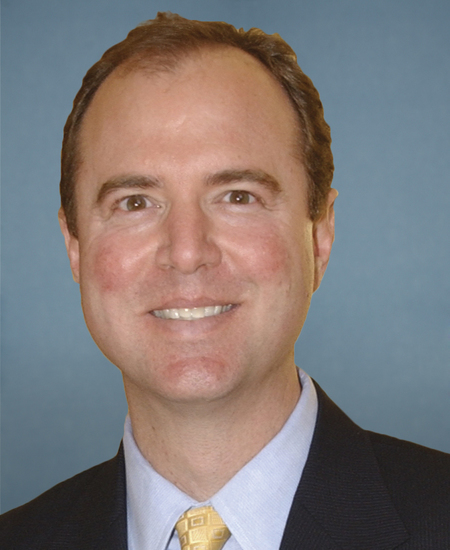
Adam B. Schiff
90% support rate
Top opponent
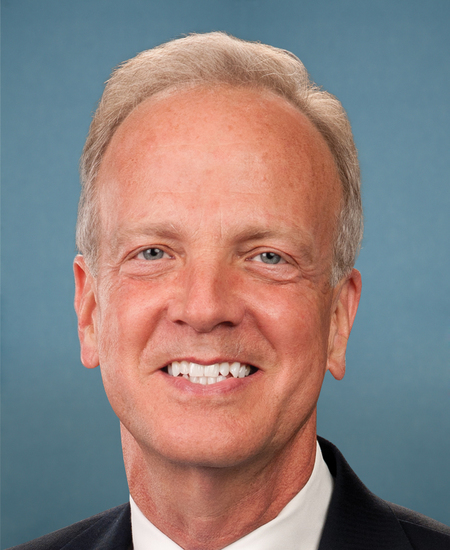
Jerry Moran
0% support rate
Ranked legislators
10
5 support · 5 oppose
Key legislators

Who's moving insurance in United States

Legislators moving insurance in United States
Legislator Party Stance Support rate Decisive votes
Adam B. Schiff
Adam B. Schiff Senate
D
Strong +
90% 10
Alex Padilla
Alex Padilla Senate
D
Strong +
90% 10
Amy Klobuchar
Amy Klobuchar Senate
D
Strong +
90% 10
Andy Kim
Andy Kim Senate
D
Strong +
90% 10
Angela D. Alsobrooks
Angela D. Alsobrooks Senate
D
Strong +
90% 10
Jerry Moran
Jerry Moran Senate
R
Strong −
0% 8
Ashley Moody
Ashley Moody Senate
R
Strong −
10% 10
Bernie Moreno
Bernie Moreno Senate
R
Strong −
10% 10
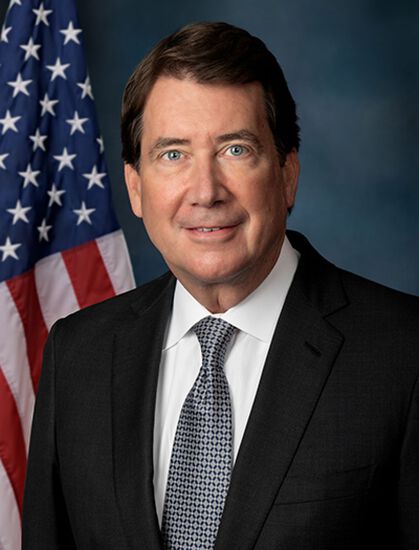
Bill Hagerty
Bill Hagerty Senate
R
Strong −
10% 10
Chuck Grassley
Chuck Grassley Senate
R
Strong −
10% 10
Showing 41–50 of 250 bills

All healthcare bills

in committee · United States · Senate May 19, 2026

S 4566: Increasing Access to Lung Cancer Screening Act

This bill expands access to lung cancer screening and tobacco cessation support by requiring Medicaid to cover annual screenings and related counseling for eligible individuals without charging copayments or requiring prior approval. It also mandates that Medicare and private health insurance plans provide the same screenings without utilization management barriers, ensuring broader coverage across different healthcare systems. Additionally, the legislation authorizes a $10 million federal funding stream to run an education campaign aimed at informing high-risk patients and providers about screening importance and eligibility. The law includes a provision for a government study to examine demographic gaps in current screening guidelines and offers states a grace period to update their plans to comply with these new requirements.
in committee · United States · Senate May 20, 2026

S 4583: Legalizing Premium Health Care Act of 2026

The Legalizing Premium Health Care Act of 2026 allows Medicare beneficiaries to sign written contracts with doctors or other eligible professionals to receive services at agreed-upon rates that may exceed standard Medicare limits. Under this bill, patients who sign such contracts would be responsible for paying the difference between the contracted amount and what Medicare covers, while also handling their own claims unless they choose to delegate this task to the provider. The legislation prohibits these agreements during medical emergencies or urgent situations and prevents states from setting their own caps on the charges these professionals can bill. Additionally, the act explicitly excludes individuals who qualify for both Medicare and Medicaid from entering into these private payment arrangements.
in committee · United States · House Jul 13, 2026

HR 8684: Transparency in Billing Act of 2026

The Transparency in Billing Act of 2026 requires hospitals to include a unique identifier for off-campus outpatient departments on health insurance claims. This rule applies to group health plans and health insurance issuers, ensuring that billing for services provided at locations outside a hospital's main campus clearly distinguishes the specific department involved. Effective January 1, 2027, hospitals must obtain and submit this separate identifier to avoid holding patients liable for these services, with a new reporting process established for suspected violations. The law also authorizes the Secretary of Labor to impose daily civil monetary penalties on hospitals that fail to comply with these billing requirements.
Sub-Topics Hospitals Insurance
in committee · United States · House Apr 22, 2026

HR 8442: Patient Refunds for Bad Denials Act of 2026

This bill establishes penalties for health insurance companies that deny a high percentage of patient claims, aiming to protect consumers from frequent rejections. Under the new rules, the government could fine insurers up to $10 million plus additional amounts for every percentage point their denial rate exceeds 25 percent, provided the denials are not based on proven fraud or lack of medical necessity. If a company pays these fines, the money is distributed proportionally among the patients enrolled in that insurer's plans during the year. The legislation also requires insurers to explain why they denied claims as medically unnecessary and to report their overall denial rates to the government annually. These measures take effect for plan years starting on or after January 1, 2027.
Sub-Topics Insurance
in committee · United States · House May 7, 2026

HR 8716: Blood Pressure MATTERS Act

The Blood Pressure MATTERS Act requires health insurance plans, Medicaid programs, and the Children's Health Insurance Program to cover self-measured blood pressure monitors for pregnant and postpartum individuals without charging copayments or deductibles. This coverage applies to devices that allow individuals to measure their own blood pressure without a doctor's help, provided the device is FDA-cleared and listed on a specific validated registry. The law mandates that these devices be covered regardless of whether a person has been diagnosed with high blood pressure, but limits the benefit to one device per person every two years. These changes take effect approximately 120 days after the bill is enacted, with a grace period for states that need to pass additional legislation to comply.
in committee · United States · Senate May 13, 2026

S 4512: Affordable Insulin Now Act of 2026

The Affordable Insulin Now Act of 2026 mandates that private health plans, including those under Medicare, ERISA, and the Internal Revenue Code, cover specific insulin products starting in 2027 without applying deductibles. For these covered insulins, the law limits patient out-of-pocket costs to the lesser of $35 per 30-day supply or 25% of the negotiated price, while also counting these payments toward annual deductibles and out-of-pocket maximums. The legislation defines "selected insulin products" to include at least one dosage form of each type available, such as rapid-acting or long-acting varieties, but does not require coverage for insulins outside this selection. Additionally, the bill establishes a program to reimburse healthcare providers and pharmacies up to $35 for insulin dispensed to uninsured individuals, ensuring they do not hold the patients liable for the cost.
in committee · United States · House Apr 29, 2026

HR 8585: Community Multi-Share Coverage Program Act of 2026

This bill authorizes the Department of Health and Human Services to award grants for creating Community Multi-Share Coverage Programs designed to help small businesses provide affordable health insurance to employees with limited income. These programs would operate through partnerships between hospitals, local employers, and community organizations to offer coverage that includes essential medical services without deductibles and with low co-payments. Eligible individuals are those who earn between Medicaid limits and 400% of the federal poverty line, work for small employers, and currently lack affordable coverage options. The funding structure requires shared financial contributions from the public sector, local healthcare providers, employers, and enrollees to ensure long-term sustainability. Additionally, the bill mandates that programs evaluate their impact on improving participants' health, employment status, and economic self-sufficiency over a four-year grant period.
Sub-Topics Insurance Medicaid
in committee · United States · House Apr 16, 2026

HR 8324: Great American Healthcare Plan

The Great American Healthcare Plan is a comprehensive bill that modifies tax rules for Health Savings Accounts, expands access to health insurance through new marketplace pools, and strengthens price transparency for hospitals and medical providers. It allows individuals to use HSAs for wellness expenses like healthy food and gym memberships, lets parents and children access each other's HSA funds, and requires hospitals to publicly list their standard charges and negotiated rates. The legislation also mandates that administrative service providers share detailed pricing data with health plans and creates a mechanism for pharmacists and nurses to dispense certain low-risk prescription drugs under expanded access.
Sub-Topics Insurance
in committee · United States · House Dec 4, 2025

HR 6421: IMPACT Act of 2025

The IMPACT Act of 2025 amends the Affordable Care Act to expand eligibility for catastrophic health insurance plans. Specifically, it allows individuals who do not qualify for financial subsidies or tax credits based on their household income to purchase these plans. This change modifies the existing rules that previously restricted catastrophic plans primarily to those with higher incomes who were ineligible for premium assistance. The new eligibility rules will take effect for insurance plan years starting six months after the law is enacted.
Sub-Topics Hospitals Insurance
in committee · United States · House Mar 3, 2026

HR 7767: Make Billionaires Pay Their Fair Share Act

The Make Billionaires Pay Their Fair Share Act introduces a 5% annual wealth tax on individuals and trusts with net assets exceeding $1 billion, which is adjusted for inflation after 2026. The bill also expands Medicare coverage to include dental, hearing, and vision services, establishes a $60,000 minimum annual salary for public school teachers, and creates a birth-through-five child care entitlement program for working families. Additional provisions include increased eligibility for health insurance premium tax credits, expanded home and community-based services under Medicaid, and funding for various education and healthcare initiatives.
Showing 41 to 50 of 250 bills
Previous 1 … 4 5 6 … 25 Next