Issue · Healthcare

Healthcare (Medicaid)

Every healthcare bill, vote, and legislator stance in United States, automatically classified by Maddy, our AI policy reader.

Total bills
441
119th Congress
Top supporter
Christopher Murphy
89% support rate
Top opponent
Bill Hagerty
11% support rate
Ranked legislators
10
5 support · 5 oppose
Key legislators

Who's moving medicaid in United States

Legislators moving medicaid in United States
Legislator Party Stance Support rate Decisive votes
Christopher Murphy
Christopher Murphy Senate
D
Strong +
89% 9
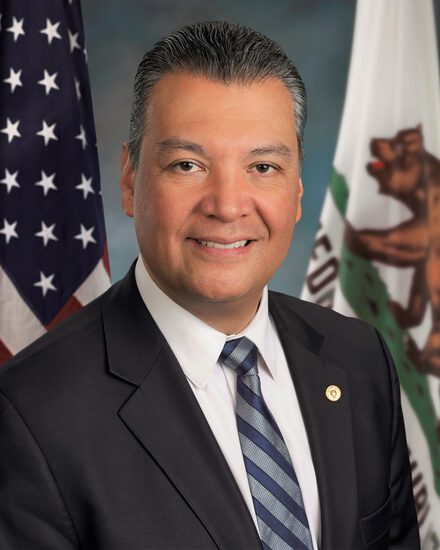
Adam B. Schiff
Adam B. Schiff Senate
D
Strong +
80% 10
Alex Padilla
Alex Padilla Senate
D
Strong +
80% 10
Amy Klobuchar
Amy Klobuchar Senate
D
Strong +
80% 10
Andy Kim
Andy Kim Senate
D
Strong +
80% 10
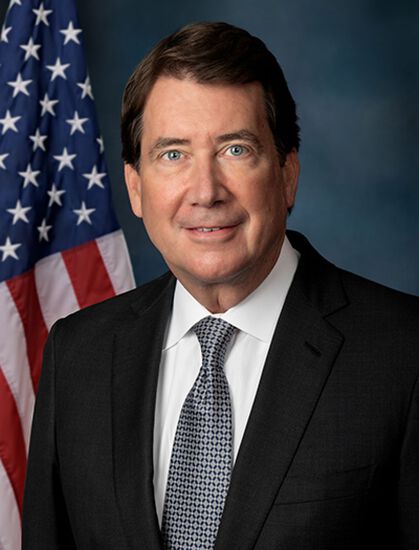
Bill Hagerty
Bill Hagerty Senate
R
Strong −
11% 9
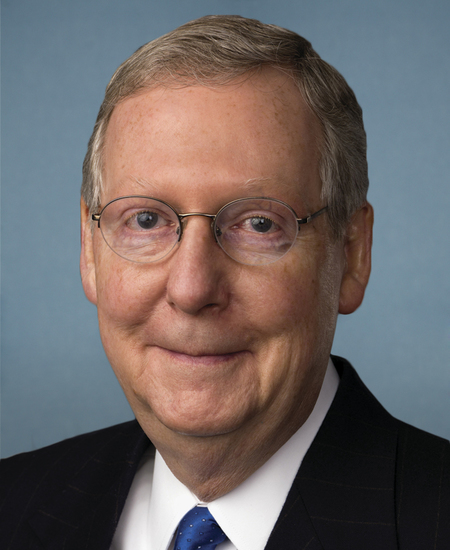
Mitch McConnell
Mitch McConnell Senate
R
Strong −
11% 9
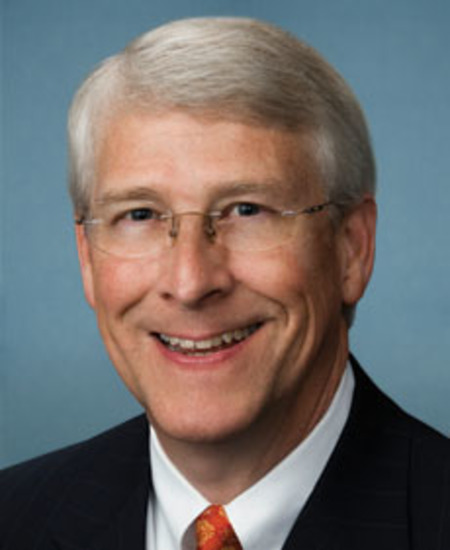
Roger F. Wicker
Roger F. Wicker Senate
R
Strong −
11% 9
Jerry Moran
Jerry Moran Senate
R
Strong −
12% 8
Ashley Moody
Ashley Moody Senate
R
Strong −
20% 10
Showing 431–440 of 441 bills

All healthcare bills

in committee · United States · House Sep 17, 2025

HJRES 123: Providing for congressional disapproval under chapter 8 of title 5, United States Code, of the rule submitted by the Centers for Medicare & Medicaid Services relating to "Patient Protection and Affordable Care Act; Marketplace Integrity and Affordability".

HJRES 123 is a congressional disapproval resolution targeting a specific rule by the Centers for Medicare & Medicaid Services (CMS). It seeks to nullify CMS's June 2025 rule titled "Patient Protection and Affordable Care Act; Marketplace Integrity and Affordability," which was published in the Federal Register (90 Fed. Reg. 27074). If passed, the resolution would block this rule from taking effect under procedures outlined in Title 5, U.S. Code. The bill directly affects the CMS regulation governing the Affordable Care Act's health insurance marketplace, not the broader law itself.
in committee · United States · Senate May 8, 2025

S 1702: Access to Prescription Digital Therapeutics Act of 2025

This bill requires Medicare to cover "prescription digital therapeutics" (software-based treatments for medical conditions, like apps for diabetes management or mental health) starting January 1, 2026. It mandates Medicare to establish payment rules for manufacturers - considering actual costs and usage - and create specific billing codes for these tools. Manufacturers must annually report pricing, distribution volume, and user data to Medicare, with penalties for noncompliance. The bill directly affects Medicare beneficiaries, digital therapeutic developers, and healthcare providers who prescribe these digital health tools.
in committee · United States · Senate Feb 26, 2025

S 752: Accelerating Kids’ Access to Care Act

This bill creates a streamlined process for out-of-state healthcare providers to enroll in Medicaid or CHIP (Children's Health Insurance Program) in a state. It directly affects children under 21 enrolled in these programs and healthcare providers located in other states who already meet low fraud risk standards. The key provision requires states to adopt a simplified enrollment process using only basic provider information (like name and National Provider Identifier), granting eligible providers a 5-year enrollment period without repeated screening. This reduces administrative barriers for providers serving out-of-state children under 21 who qualify for Medicaid or CHIP coverage.
Sub-Topics Children's Health Insurance Medicaid Tags Children
in committee · United States · House Jul 29, 2025

HR 4796: Restoring Essential Healthcare Act

HR 4796, the Restoring Essential Healthcare Act, repeals a provision that blocked Medicaid payments to certain healthcare providers during a specific period. It directly affects Medicaid beneficiaries who received care from these providers between the enactment of the prior law (Public Law 119-21) and this bill's enactment. The key provision retroactively restores Medicaid payments for services already provided during that blocked period, treating the payment restriction as if it never existed. This change ensures eligible individuals and providers receive reimbursement for covered care delivered during the prohibited timeframe.
Sub-Topics Medicaid
in committee · United States · Senate Dec 2, 2025

S 3298: Medicaid Primary Care Improvement Act

This bill clarifies that states can use direct primary care arrangements under Medicaid, where patients pay a fixed monthly fee for primary care services (like check-ups and preventive care) instead of traditional billing. It directly affects Medicaid beneficiaries, primary care providers, and state Medicaid agencies by allowing states to contract with providers for this model through managed care organizations. Key provisions require the Health Secretary to issue implementation guidance within one year and submit a report to Congress within two years analyzing how states use these arrangements and their impact on care quality and costs. The bill does not change existing Medicaid requirements for cost-sharing or the scope of covered services.
in committee · United States · Senate Feb 25, 2025

S 729: Hospital Transparency Compliance Enforcement Act

This bill requires all U.S. hospitals to publicly list their standard prices for common services within six months of enactment (or six months after opening for new hospitals) and update this list annually. Hospitals must ensure this pricing information is accessible online and cannot hide it from search results. Non-compliant hospitals face daily fines - ranging from $600 per day for small hospitals to $11,000 per day for large facilities - based on bed size, with the government publishing a public list of violators every six months. The law aims to make healthcare pricing transparent for patients and enforceable through specific penalties.
in committee · United States · House Sep 2, 2025

HR 5094: Protect Patients from Costly Care Act

HR 5094, the "Protect Patients from Costly Care Act," repeals two specific provisions from a prior reconciliation law (Public Law 119-21) that would have increased patient costs. It restores Medicaid cost sharing rules to their pre-2023 state, directly affecting Medicaid beneficiaries by preventing higher out-of-pocket costs. It also reverses changes to orphan drug exclusions under the Drug Price Negotiation Program, bringing those medications back under federal price negotiation rules for manufacturers. The bill does not create new policies but undoes specific cost-increasing changes to existing programs.
Sub-Topics Medicaid
in committee · United States · Senate Jul 24, 2025

SRES 338: A resolution recognizing the importance of independent living and economic self-sufficiency for individuals with disabilities made possible by the Americans with Disabilities Act of 1990 and calling for further action to strengthen and expand health care for individuals with disabilities to work and live in the community.

SRES 338 is a non-binding Senate resolution recognizing how the Americans with Disabilities Act (ADA) of 1990 enables independent living and economic self-sufficiency for people with disabilities. It highlights that over one-third of disabled individuals rely on Medicaid for health coverage and community-based care, yet many remain in segregated institutions due to Medicaid limitations and insufficient community services. The resolution calls for bipartisan action to strengthen Medicaid funding, oppose cuts or work-reporting requirements that hinder access to care, and expand home-based services to support employment and community living. It specifically urges federal agencies to improve accessibility in housing, transportation, emergency services, and competitive employment opportunities for people with disabilities, particularly those of color facing systemic barriers. This resolution does not create new law but advocates for policy changes to fulfill the ADA’s promise.
Sub-Topics Medicaid Tags People with Disabilities
in committee · United States · Senate Jun 16, 2025

S 2085: Postpartum Lifeline Act

The Postpartum Lifeline Act requires states to provide 12 months of continuous Medicaid and CHIP coverage for pregnant individuals, replacing the previous 60-day postpartum coverage limit. It directly affects low-income pregnant and postpartum individuals enrolled in Medicaid or CHIP, ensuring they maintain health coverage through the first year after pregnancy. The bill repeals the existing provision that restricted coverage to pregnancy-related services for only 60 days and mandates full coverage for all medical needs during the 12-month period. States must comply with this requirement starting no later than one year after the bill's enactment, though they may choose an earlier effective date. This policy change eliminates a major gap in postpartum care access for eligible individuals.
in committee · United States · House Jul 29, 2025

HR 4807: Protect Our Hospitals Act

The Protect Our Hospitals Act (HR 4807) repeals a specific provision (Section 71115 of Public Law 119-21) that altered Medicaid provider tax rules. This bill restores the prior tax structure for Medicaid providers, including hospitals and clinics that accept Medicaid, returning them to the tax treatment that existed before the change. As a result, these providers will no longer be subject to the modified tax rules enacted by the repealed provision. The bill does not affect Medicaid eligibility, benefits, or coverage - it solely reverts a tax policy change without introducing new requirements.
Sub-Topics Hospitals Medicaid
Showing 431 to 440 of 441 bills