Issue · Healthcare

Healthcare

Every healthcare bill, vote, and legislator stance in United States, automatically classified by Maddy, our AI policy reader.

Total bills
2,910
119th Congress
Top supporter
Darline Graham
100% support rate
Top opponent
Ashley Moody
18% support rate
Ranked legislators
10
5 support · 5 oppose
Key legislators

Who's moving healthcare in United States

Legislators moving healthcare in United States
Legislator Party Stance Support rate Decisive votes
Darline Graham
Darline Graham Senate
R
Strong +
100% 6
AA
Alan Armstrong Senate
R
Strong +
88% 8
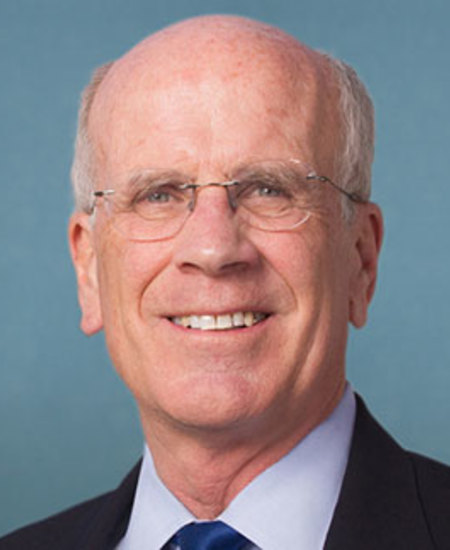
Peter Welch
Peter Welch Senate
D
Strong +
82% 22
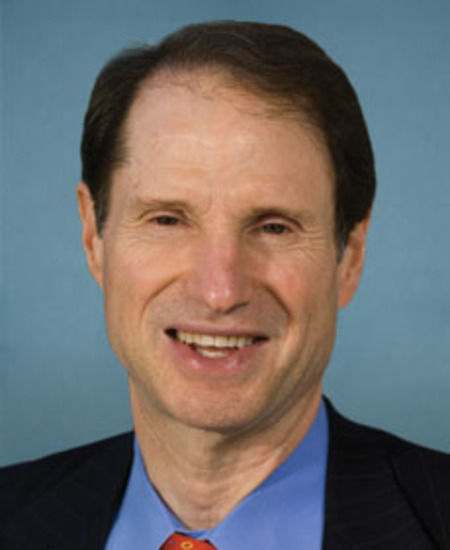
Ron Wyden
Ron Wyden Senate
D
Support
77% 22
Alex Padilla
Alex Padilla Senate
D
Support
76% 21
Ashley Moody
Ashley Moody Senate
R
Strong −
18% 22
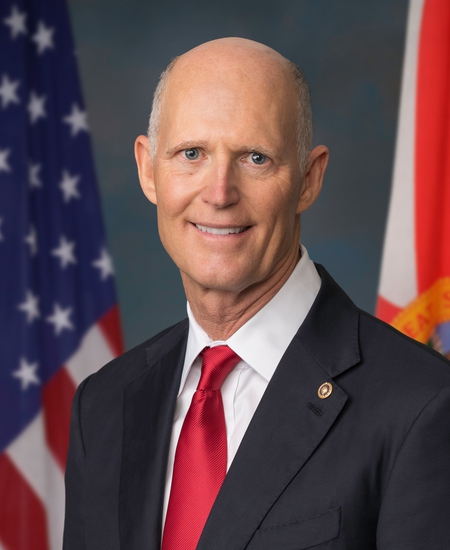
Rick Scott
Rick Scott Senate
R
Strong −
18% 22
Rand Paul
Rand Paul Senate
R
Oppose
23% 22
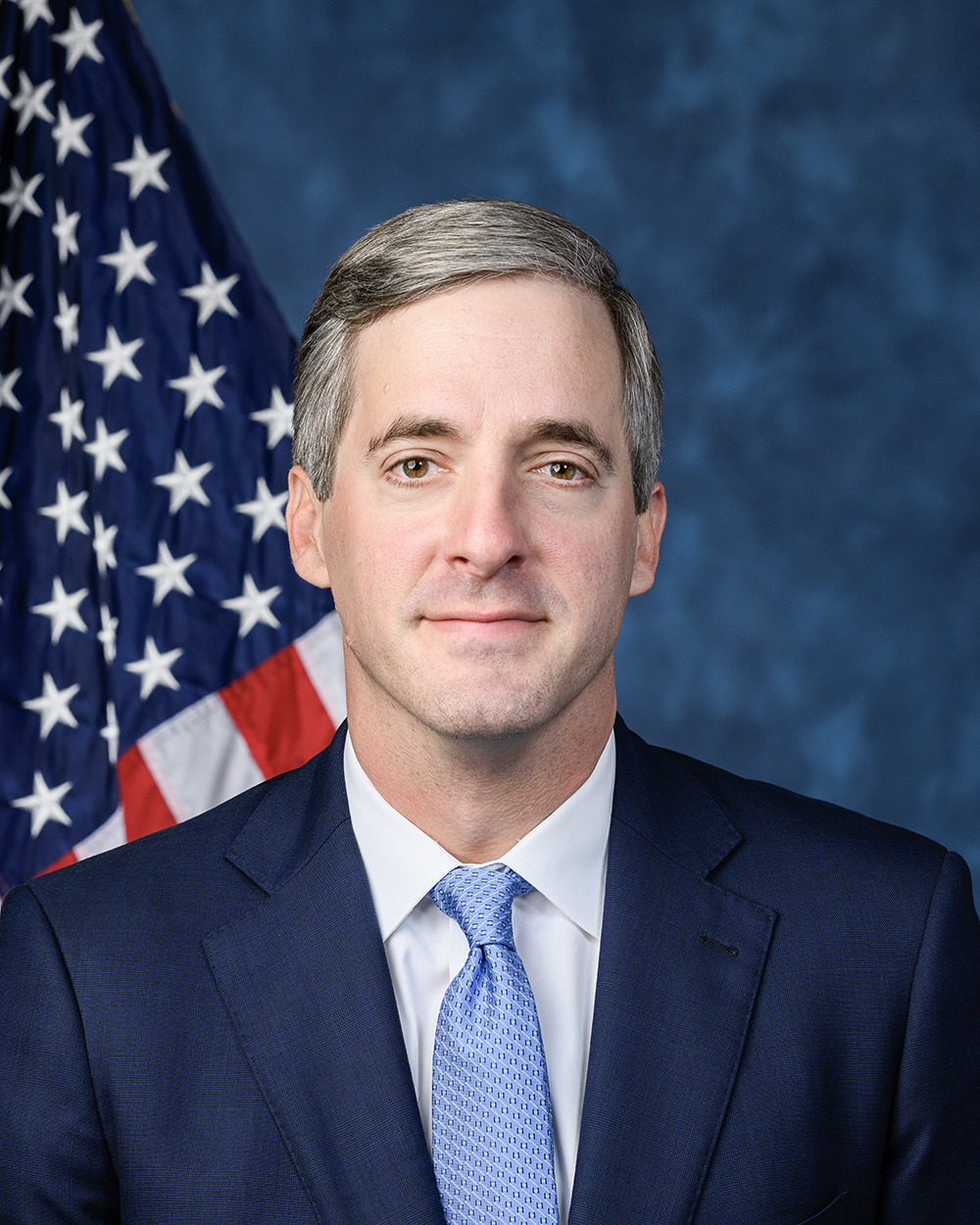
Brad Knott
Brad Knott House · District 13
R
Oppose
28% 18
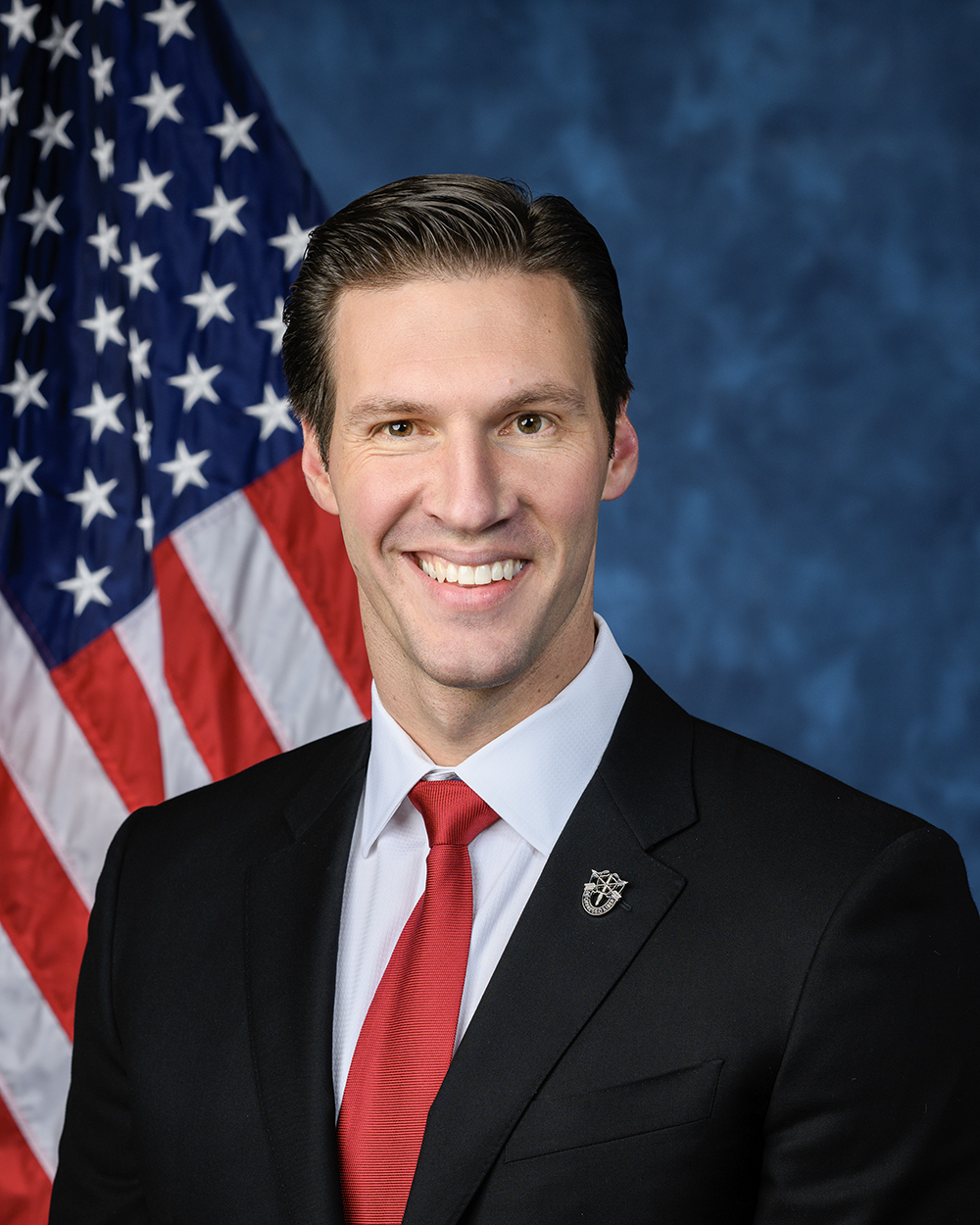
Pat Harrigan
Pat Harrigan House · District 10
R
Oppose
28% 18
Showing 31–40 of 2,910 bills

All healthcare bills

in committee · United States · Senate Sep 16, 2026

SRES 856: A resolution supporting the designation of September 19, 2026, as "National Stillbirth Prevention and Awareness Day", recognizing tens of thousands of families in the United States that have endured a stillbirth, and seizing the opportunity to keep other families from experiencing the same tragedy.

This Senate resolution supports designating September 19, 2026, as National Stillbirth Prevention and Awareness Day to recognize families affected by stillbirths and promote preventive measures. It cites high annual stillbirth rates in the United States and notes that racial disparities place certain communities at greater risk. The text requests that the President issue a proclamation encouraging nationwide awareness programs and highlights the 2024 Maternal and Child Health Stillbirth Prevention Act as a foundation for federal resources and research.
in committee · United States · House Sep 14, 2026

HR 10370: Ailani Myers Accelerating Innovation in Medicine to Cure Kids with Cancer Act

The Ailani Myers Accelerating Innovation in Medicine to Cure Kids with Cancer Act directs federal agencies to coordinate efforts using artificial intelligence to improve the diagnosis, treatment, and prevention of pediatric cancer. It establishes a Childhood Cancer Data Initiative within the National Cancer Institute to collect, standardize, and share data on patients diagnosed as children, adolescents, or young adults. The bill requires the development of interoperability standards for patient data used with AI tools and mandates annual reports to Congress on implementation progress through fiscal year 2031. Additionally, it authorizes $100 million per year from fiscal years 2027 through 2031 specifically for the data initiative, while allowing necessary sums for other activities under the law.
in committee · United States · House Sep 21, 2026

HRES 1567: Expressing support for the designation of September 22, 2026, as "National Hispanic Nurses Day" and recognizing the National Association of Hispanic Nurses as the leading organization representing and advocating for Hispanic nurses.

This House resolution expresses support for designating September 22, 2026, as "National Hispanic Nurses Day" to honor the contributions of Hispanic nurses to the U.S. healthcare system. It specifically recognizes the National Association of Hispanic Nurses as the leading organization representing and advocating for this group of professionals. The bill encourages the public to observe the day with ceremonies and activities that highlight the role of these nurses in reducing health disparities and providing culturally competent care.
in committee · United States · House Sep 16, 2026

HR 10407: Childcare Cost Relief Act of 2026

The Childcare Cost Relief Act of 2026 amends existing law to provide additional federal funding to states and territories with disproportionately high child care costs relative to their median incomes. This extra money is distributed only in years when the total budget for the Child Care and Development Block Grant increases, excluding any supplemental appropriations. The Secretary of Health and Human Services must annually identify which jurisdictions qualify as "affected" by evaluating local cost data and workforce capacity. Each year, the Secretary is required to submit a report to Congress detailing the median child care costs, workforce assessments, and the specific list of states receiving these additional funds.
Sub-Topics Early Childhood Tags Children
in committee · United States · House Sep 15, 2026

HR 10398: CHC REBASE Act of 2026

The CHC REBASE Act of 2026 amends the Medicare program to adjust payment rates for Federally Qualified Health Centers (FQHCs) so that they cover 100 percent of estimated reasonable costs by 2028, effectively removing previous financial caps on these services. To support this change, the bill requires the Secretary of Health and Human Services to convene a working group with stakeholders from health centers, physicians, and CMS to review payment methodologies and recommend further modifications. Additionally, the legislation ensures that telehealth services provided by FQHCs and rural health clinics are paid at standard rates starting in 2027, treating associated costs as allowable expenses. The bill also mandates new guidance for Medicare Advantage plans to streamline "wraparound" payments to FQHCs and requires a Government Accountability Office report on how well these centers are included in insurance provider networks for underserved populations.
in committee · United States · House Sep 21, 2026

HRES 1569: Recognizing the importance of protecting continuous Medicaid coverage for individuals undergoing active cancer treatment.

This House resolution recognizes the critical need for continuous Medicaid coverage for individuals undergoing active cancer treatment and encourages states to simplify the process for maintaining eligibility. It urges state Medicaid programs to use existing claims and health data to automatically identify patients with cancer, thereby exempting them from community engagement requirements without requiring additional paperwork or repeated proof of their condition. The resolution also calls on the Centers for Medicare & Medicaid Services to provide technical assistance to states to implement these streamlined procedures and extend similar protections to other chronic illnesses.
Sub-Topics Medicaid Medicare
in committee · United States · House Sep 16, 2026

HR 10409: Lethal Means Safety Training Act

The Lethal Means Safety Training Act requires the Department of Veterans Affairs to update its suicide prevention and lethal means safety training within 180 days of enactment, ensuring the content is culturally appropriate and based on current best practices. The bill mandates that specific VA employees, including those in health and benefits administration, compensation examiners, and staff at vocational rehabilitation facilities, complete this training within 90 days of hiring and annually thereafter. Additionally, the legislation extends these requirements to non-VA community care providers and family caregivers who receive federal support, making completion of the course a condition for their participation in VA programs. The Secretary of Veterans Affairs must also publish annual reports on training completion rates and make the course materials publicly available online.
in committee · United States · House Sep 15, 2026

HR 10393: WIC for Kids Act

The WIC for Kids Act expands eligibility for the Special Supplemental Nutrition Program for Women, Infants, and Children (WIC) to include children in households receiving Head Start services, food assistance on Indian reservations, or nutrition block grants in Puerto Rico, American Samoa, and the Northern Mariana Islands. The bill extends the standard certification period for WIC-eligible children from one year to two years and allows state agencies to align recertification dates for all eligible family members within a household. Additionally, it requires states to automatically certify infants born to participating mothers without requiring a new application and grants automatic eligibility to children in kinship care arrangements.
Sub-Topics Early Childhood Children's Health Tags Children
in committee · United States · House Sep 14, 2026

HR 10376: Telehealth Reporting and Transparency Act of 2026

The Telehealth Reporting and Transparency Act of 2026 requires the Secretary of Health and Human Services to submit an annual report to Congress detailing Medicare claims for telehealth services. The report must include data on claim volumes, geographic distribution, patient demographics such as age and income level, and potential barriers to access like broadband availability. Additionally, the bill mandates the creation of a public dashboard on the Centers for Medicare & Medicaid Services website that displays this aggregated information in a searchable format. A Government Accountability Office audit is also required within three to five years of enactment to evaluate the implementation of these reporting requirements.
Sub-Topics Medicaid Medicare Telehealth Broadband Access Tags Data Reporting
in committee · United States · House Sep 14, 2026

HR 10374: Affordable Premiums for Seniors Act of 2026

The Affordable Premiums for Seniors Act of 2026 extends a Medicare Part D premium stabilization program through 2029 and makes it permanent starting in 2030, provided that ending the program would not cause prescription drug premiums to rise. This legislation directly affects seniors enrolled in Medicare prescription drug plans by aiming to keep their costs stable over time. The bill requires the Secretary of Health and Human Services to issue updated operational guidelines for the program within 30 days of enactment.
Sub-Topics Insurance Medicare Prescription Drugs Tags Seniors
Showing 31 to 40 of 2,910 bills
Previous 1 … 3 4 5 … 291 Next