Issue · Healthcare

Healthcare (Mental Health)

Every healthcare bill, vote, and legislator stance in United States, automatically classified by Maddy, our AI policy reader.

Total bills
430
119th Congress
Top supporter
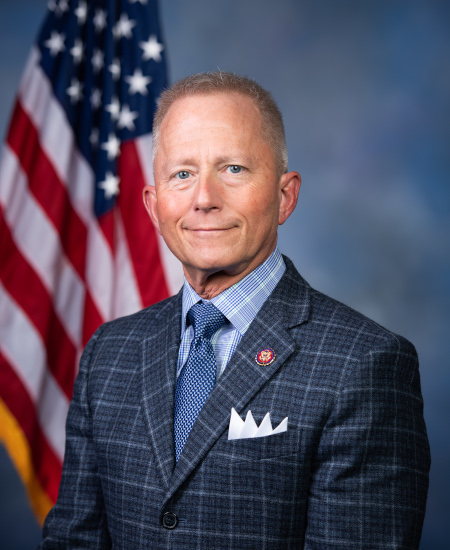
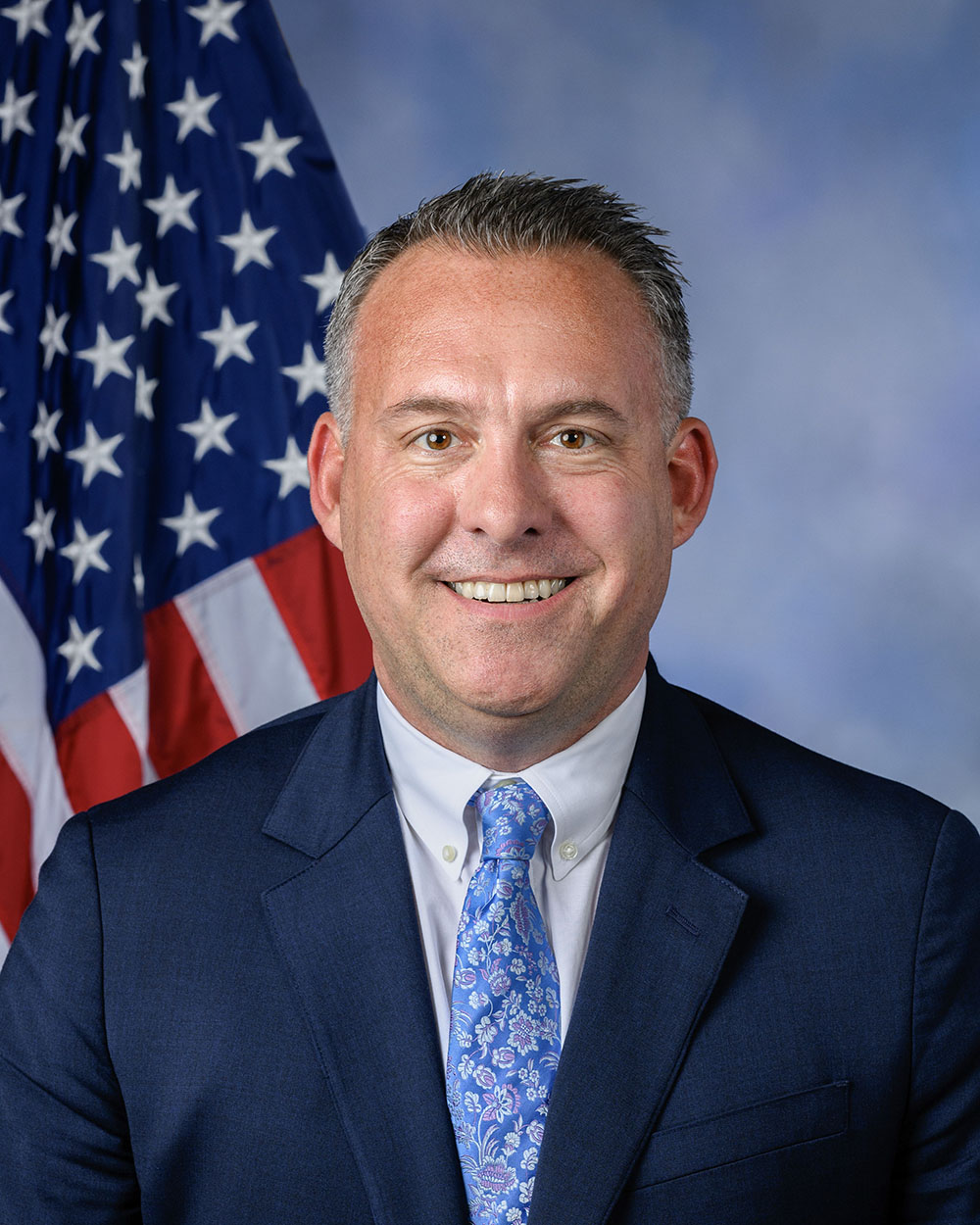
Jefferson Van Drew
100% support rate
Top opponent
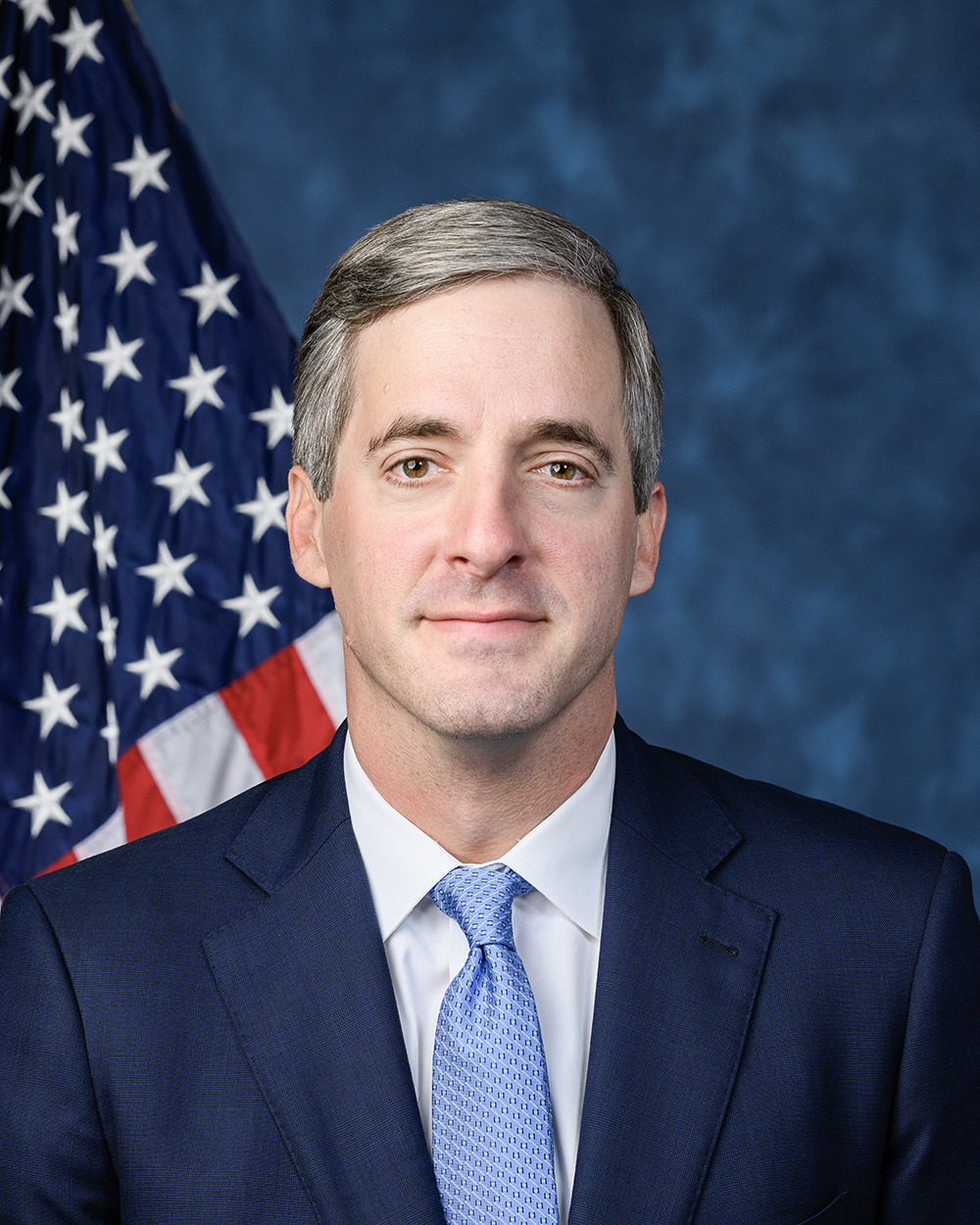
Brad Knott
0% support rate
Ranked legislators
10
5 support · 5 oppose
Key legislators

Who's moving mental health in United States

Legislators moving mental health in United States
Legislator Party Stance Support rate Decisive votes
Jefferson Van Drew
Jefferson Van Drew House · District 2
R
Strong +
100% 4
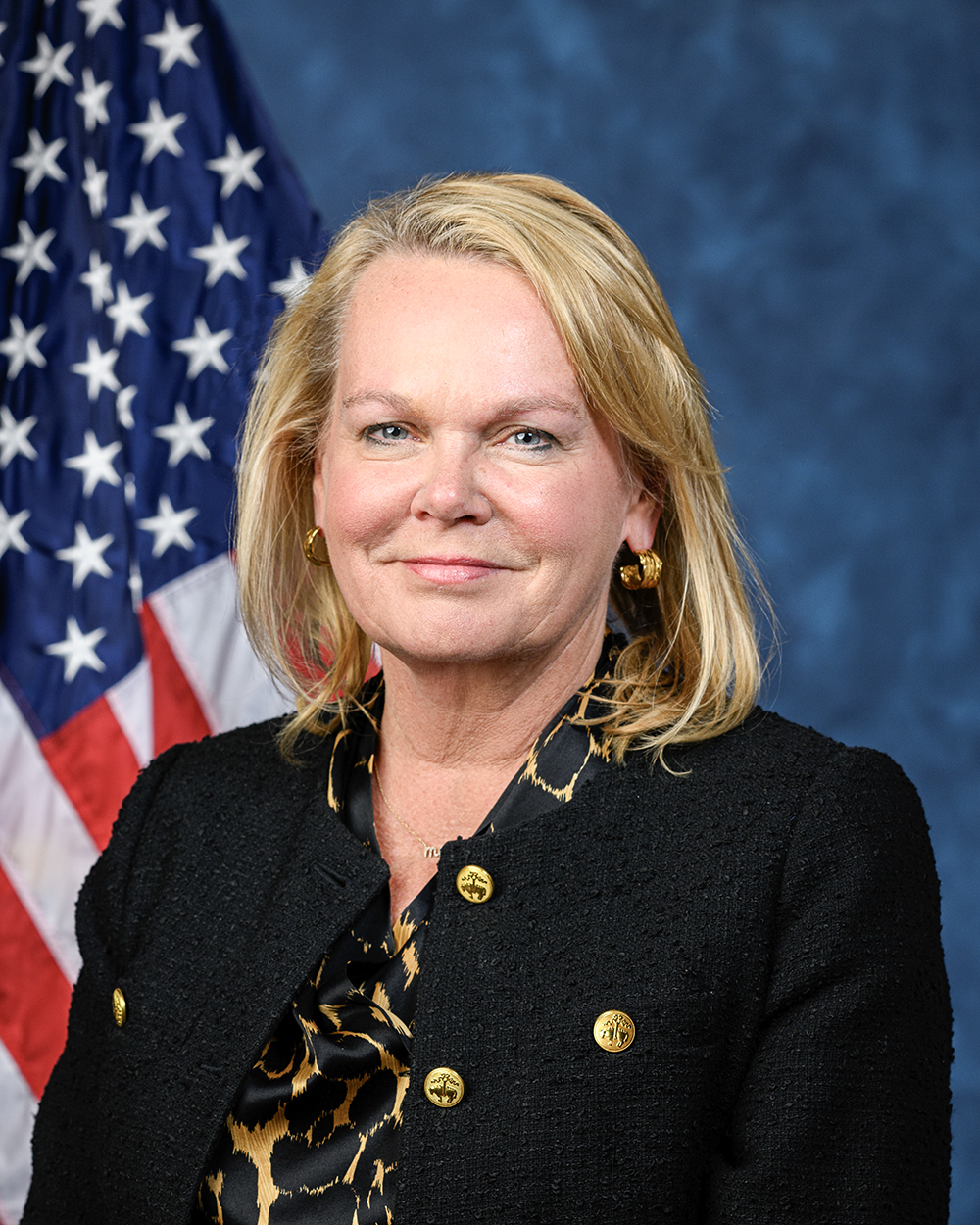
April McClain Delaney
April McClain Delaney House · District 6
D
Strong +
100% 3
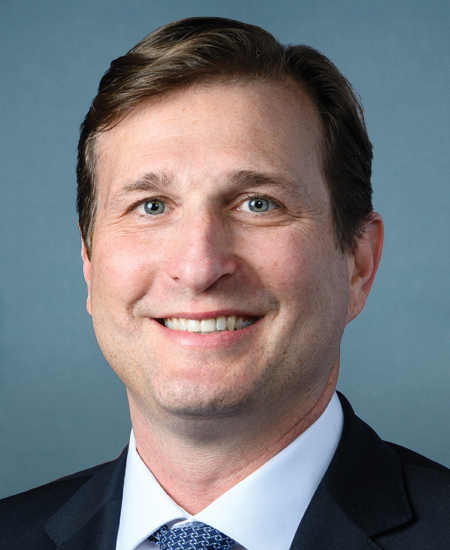
Daniel S. Goldman
Daniel S. Goldman House · District 10
D
Strong +
100% 3
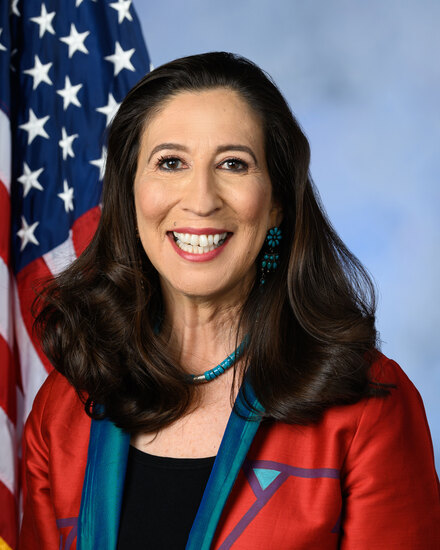
Teresa Leger Fernandez
Teresa Leger Fernandez House · District 3
D
Strong +
100% 3
Adam Gray
Adam Gray House · District 13
D
Support
75% 4
Brad Knott
Brad Knott House · District 13
R
Strong −
0% 4
Keith Self
Keith Self House · District 3
R
Strong −
0% 4
Pat Harrigan
Pat Harrigan House · District 10
R
Strong −
0% 4
Thomas P. Tiffany
Thomas P. Tiffany House · District 7
R
Strong −
0% 4
Andy Harris
Andy Harris House · District 1
R
Strong −
0% 3
Showing 311–320 of 430 bills

All healthcare bills

in committee · United States · Senate Feb 20, 2025

S 666: First Responders Wellness Act

The First Responders Wellness Act creates a national 24/7 mental health hotline for first responders (including police, firefighters, EMTs, and 911 dispatchers) and their families, offering toll-free voice and text support. The hotline must be staffed by trained peer specialists or mental health providers familiar with first responder stressors and must coordinate with existing crisis lines like 988. It requires annual public awareness campaigns, annual reports on effectiveness, and authorizes $10 million yearly for 2025-2031. The bill also directs a report on on-site crisis services for emergency response providers during major disasters.
Sub-Topics Mental Health Substance Abuse Tags Emergency Management Public Safety
in committee · United States · Senate Mar 13, 2025

S 1062: Suicide Prevention Act

This bill establishes a federal program to improve suicide prevention through data collection and emergency department services. It requires public health departments to collect and share real-time, disaggregated data on self-harm behaviors (including intent categories like suicidal ideation or non-suicidal self-harm) with the CDC for tracking, prevention planning, and research. Hospital emergency departments receiving grants must implement protocols for screening patients for self-harm/suicide risk, providing short-term prevention services, and connecting patients to long-term care after discharge. The bill authorizes $30 million annually from 2026-2030 for these surveillance and ER grant programs, with priority for areas experiencing higher rates of self-harm or lacking mental health services.
in committee · United States · Senate Mar 12, 2025

S 1004: Pregnant and Postpartum Women Treatment Reauthorization Act

This bill reauthorizes a federal program supporting pregnant and postpartum women with substance use disorders. It increases annual funding from $29.9 million to $38.9 million for fiscal years 2025-2029, updates terminology to "health care services," and requires applicants to include outreach plans targeting women disproportionately impacted by maternal substance use disorder. The program directly affects eligible women seeking treatment during pregnancy and postpartum, ensuring continued access to care through expanded funding and targeted outreach. The changes apply to the existing Public Health Service Act program (Section 508) without altering its core purpose.
in committee · United States · Senate May 8, 2025

S 1676: RETAIN Act

The RETAIN Act creates a refundable tax credit for educators in high-need schools, including early childhood educators, teachers, school leaders, and school-based mental health providers. The credit amount increases with years of continuous service, ranging from $5,800 for the first two years to $11,600 after 10 years of service. It is refundable (meaning it pays out even if no income tax is owed) and applies to those working in qualifying schools serving high-poverty areas or meeting Title I eligibility criteria. The credit aims to address retention challenges by rewarding long-term service in under-resourced educational settings.
in committee · United States · Senate Jun 5, 2025

S 1971: Nutrition CARE Act of 2025

The Nutrition CARE Act of 2025 (S 1971) expands Medicare Part B coverage to include medical nutrition therapy for beneficiaries with eating disorders, starting January 1, 2026. It directly affects Medicare beneficiaries diagnosed with eating disorders, including those from historically underserved groups like Black, Indigenous, and People of Color who face significant treatment gaps. The bill amends Medicare law to cover 13 hours of initial medical nutrition therapy (including a 1-hour assessment) and 4 hours annually for ongoing management, provided by registered dietitians or nutrition professionals following a referral from a physician or psychologist. This change addresses a current gap where Medicare did not cover outpatient medical nutrition therapy for eating disorders, aligning coverage with established treatment guidelines.
in committee · United States · House Feb 3, 2026

HR 7324: More Behavioral Health Providers Act of 2026

This bill expands Medicare incentives to increase mental health and substance use disorder care in underserved areas. It adds a 15% bonus payment to Medicare for specific mental health and substance use services provided by qualified non-physician providers (like clinical social workers, psychologists, and counselors) in designated "mental health professional shortage areas." The bonus applies to services furnished on or after January 1, 2027, directly benefiting Medicare beneficiaries in these areas and encouraging more providers to work there. The change modifies existing Medicare payment rules to include these new provider types and service categories.
in committee · United States · House May 14, 2026

HR 6993: BEACON Act of 2026

The BEACON Act of 2026 establishes two grant programs to improve treatment for veterans with chronic mild traumatic brain injury (mTBI). It authorizes $30 million over three years for grants to nonprofits, academic institutions, and health providers to develop and test non-drug neurorehabilitation approaches, focusing on mental health outcomes, suicide risk reduction, and long-term recovery. The bill requires grantees to prioritize patient-centered care, conduct clinical studies, and partner with VA facilities, with each grant capped at $5 million annually. A separate $10 million annual program funds independent research on TBI treatments, requiring third-party analysis and annual reports to Congress. The pilot programs expire after three years, with evaluations to determine future expansion.
passed · United States · Senate Sep 24, 2026

S 3257: John A. Hauser Mental Health in Aviation Act

This bill requires the Federal Aviation Administration (FAA) to update regulations to encourage pilots and air traffic controllers to seek and disclose mental health care without fear of losing their medical certification. It mandates an annual review of the "special issuance" process (for medical certification) to consider new treatments, improve examiner training, and reduce backlogs, while allocating $15 million annually (2026-2029) to recruit more medical examiners and provide mental health training. Additionally, it funds a $1.5 million annual public campaign to destigmatize mental health care in aviation, improve trust with workers, and make resources easily accessible at aviation medical offices and training facilities. The FAA must consult with industry stakeholders and report progress to Congress on implementation.
Sub-Topics Mental Health Airports
in committee · United States · Senate Apr 9, 2025

S 1361: Every State Counts for Veterans Mental Health Act

This bill prioritizes states that have never received a Department of Veterans Affairs (VA) suicide prevention grant. It requires the VA Secretary to give all eligible applicants in such states a scoring preference during grant evaluations until at least one grant is awarded there. The law directly affects veterans in states without existing VA suicide prevention grants by ensuring these states receive fair consideration for funding. Key mechanisms include prioritizing entities in states with prior unawarded applications and applying a scoring preference for all applicants in states with no prior grants. This aims to expand access to mental health support for veterans nationwide.
in committee · United States · House Sep 16, 2026

HR 7030: Securing Facilities for Mental Health Services Act

This bill amends the National Housing Act to expand mortgage insurance eligibility to include mental health hospitals, allowing them to access the same federal loan programs as general hospitals. It directly affects mental health facilities seeking financing for construction or renovation by adding them to the existing hospital mortgage insurance program. The key change modifies Section 242(b)(1) to include mental health hospitals under the insurance rules, with the amendment taking effect 9 months after enactment. A report on the program's effectiveness must be submitted to Congress within two years of enactment. The bill does not create new funding but adjusts existing program rules to improve access to capital for mental health infrastructure.
Showing 311 to 320 of 430 bills
Previous 1 … 31 32 33 … 43 Next