Issue · Healthcare

Healthcare (Medicaid)

Every healthcare bill, vote, and legislator stance in United States, automatically classified by Maddy, our AI policy reader.

Total bills
389
119th Congress
Top supporter
Christopher Murphy
89% support rate
Top opponent
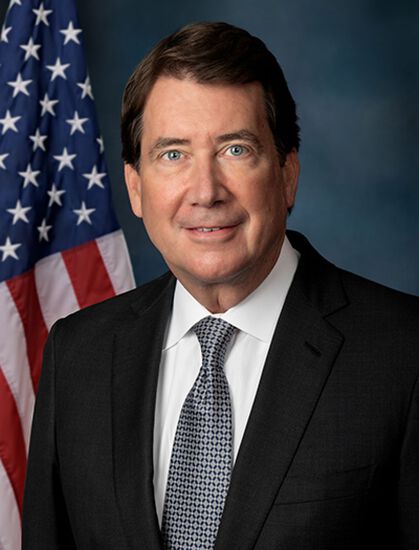
Bill Hagerty
11% support rate
Ranked legislators
10
5 support · 5 oppose
Key legislators

Who's moving medicaid in United States

Legislators moving medicaid in United States
Legislator Party Stance Support rate Decisive votes
Christopher Murphy
Christopher Murphy Senate
D
Strong +
89% 9
Adam B. Schiff
Adam B. Schiff Senate
D
Strong +
80% 10
Alex Padilla
Alex Padilla Senate
D
Strong +
80% 10
Amy Klobuchar
Amy Klobuchar Senate
D
Strong +
80% 10
Andy Kim
Andy Kim Senate
D
Strong +
80% 10
Bill Hagerty
Bill Hagerty Senate
R
Strong −
11% 9
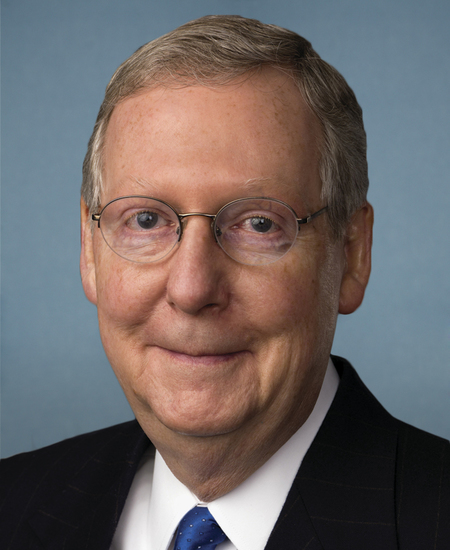
Mitch McConnell
Mitch McConnell Senate
R
Strong −
11% 9
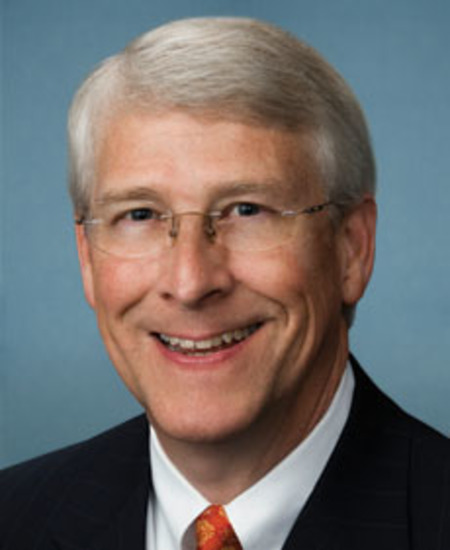
Roger F. Wicker
Roger F. Wicker Senate
R
Strong −
11% 9
Jerry Moran
Jerry Moran Senate
R
Strong −
12% 8
Ashley Moody
Ashley Moody Senate
R
Strong −
20% 10
Showing 311–320 of 389 bills

All healthcare bills

in committee · United States · Senate Dec 4, 2025

S 3345: PBM Price Transparency and Accountability Act

The PBM Price Transparency and Accountability Act requires pharmacy benefit managers (PBMs) to be more transparent about drug pricing and ensure accurate payments to pharmacies. It establishes national average drug acquisition cost benchmarks for Medicaid, prohibits PBMs from keeping excessive profits through "spread pricing," and mandates detailed reporting of drug pricing, rebates, and fees. The bill affects Medicaid programs, Medicare Part D plans, and the PBMs that negotiate drug prices on behalf of insurers. It includes enforcement mechanisms like civil penalties for non-compliance and requires PBMs to report detailed pricing information to the Secretary of Health and Human Services.
in committee · United States · Senate Mar 19, 2026

S 2833: Stand Strong Falls Prevention Act

The Stand Strong Falls Prevention Act establishes an Advisory Committee on Falls Prevention within the Older Americans Act to coordinate federal efforts targeting falls among older adults. The committee will develop a national falls prevention plan, assess current federal programs (including Medicare and Medicaid initiatives), and recommend evidence-based interventions like home modifications and screening tools. It requires annual reports to Congress evaluating program effectiveness, progress on reducing falls-related injuries, and recommendations for expanding successful pilots. The bill directly affects federal agencies, Medicare beneficiaries, and older adults at risk of falls, focusing on concrete policy coordination rather than new funding or mandates.
in committee · United States · Senate Mar 19, 2026

S 2289: Healthy Moms and Babies Act

The Healthy Moms and Babies Act (S 2289) aims to improve maternal and infant health outcomes by strengthening Medicaid and CHIP programs. It requires states to report on maternal health quality measures, establishes a new "maternity health home" option for coordinated care during pregnancy and postpartum, and mandates studies on reducing cesarean sections and expanding doula services under Medicaid. The bill also requires states to collect data on social determinants of health affecting pregnant and postpartum women and provides guidance for reducing maternal mortality and severe morbidity. These provisions directly affect pregnant and postpartum women enrolled in Medicaid, healthcare providers, and state Medicaid programs.
in committee · United States · House Dec 19, 2025

HR 4611: EACH Act of 2025

HR 4611 (EACH Act of 2025) requires all federally funded health programs - including Medicaid, Medicare, military health plans, and the Indian Health Service - to cover abortion services without restrictions, repealing the Hyde Amendment's long-standing ban on federal funding for most abortions. This directly affects millions of people enrolled in these programs, particularly low-income women, women of color (including 25% of Black women and 22% of Hispanic women on Medicaid), and young people. The bill mandates coverage in all federally administered health plans and prohibits state or private insurers from restricting abortion coverage in health insurance. It aims to eliminate current federal and state barriers that deny abortion access to people who rely on government health programs.
in committee · United States · Senate Jun 12, 2025

S 2064: Helping Tobacco Users Quit Act

This bill requires Medicaid and CHIP programs to cover tobacco cessation counseling and FDA-approved medications (including nonprescription options) with no out-of-pocket costs for enrollees. It directly affects low-income individuals using tobacco products who are enrolled in Medicaid or CHIP. Key mechanisms include a temporary 90% federal funding share for these services for five years, prohibitions on prior authorization for cessation drugs, and requirements for states to promote these services through outreach campaigns. The law also mandates states to monitor and increase awareness of these covered benefits among tobacco users and healthcare providers.
in committee · United States · Senate Jun 12, 2025

S 2050: ASSIST Act

The ASSIST Act (S 2050) increases federal funding for mental health and substance use disorder services provided in schools and school-based health centers. It raises the federal medical assistance percentage (FMAP) for these services to 90% for states, starting one year after enactment, while ensuring this doesn’t reduce existing federal payments or count against territorial spending limits. The bill also creates a new grant program administered by the Health and Human Services Secretary to fund entities like school districts and universities in hiring more licensed mental health providers, requiring culturally competent care and annual reporting on provider numbers and service effectiveness. It prohibits using grant funds for threat assessment teams and mandates a report to Congress on the program’s effectiveness within 18 months.
in committee · United States · House Jun 24, 2025

HR 4104: Health Equity and Access under the Law for Immigrant Families Act of 2025

HR 4104 would expand access to Medicaid, CHIP, and Affordable Care Act (ACA) health coverage for immigrants lawfully present in the U.S., including those with deferred action or pending immigration applications. It removes state-level barriers to Medicaid/CHIP eligibility for lawfully present individuals, treats Federally authorized presence as "lawfully present" for ACA subsidies, and allows states to choose to cover undocumented individuals through Medicaid or CHIP. The bill also extends these changes to Medicare Part A and Part B, ensuring lawfully present immigrants qualify for coverage and subsidies under existing programs. These provisions apply to all federally funded health programs and take effect in 2026 for most ACA-related changes.
in committee · United States · Senate Dec 17, 2025

S 3551: PROTECT for Rare Act

The PROTECT for Rare Act (S 3551) requires Medicare, Medicaid, and private health insurers to establish an expedited appeal process for coverage denials of drugs treating rare diseases or conditions affecting 200,000 or fewer U.S. individuals. It expands coverage criteria by allowing insurers to consider peer-reviewed medical literature and clinical guidelines - not just FDA-approved labeling - as valid justification for treatment, while excluding uses listed as contraindicated in approved drug labeling or medical references. The law applies to all covered drugs used for rare conditions and takes effect for coverage decisions starting January 1, 2027. This directly affects patients with rare diseases, healthcare providers seeking coverage approvals, and insurers managing drug benefit denials.
in committee · United States · Senate Jul 24, 2025

S 2433: Neonatal Care Transparency Act of 2025

This bill requires hospitals and obstetric providers to disclose policies on providing life-saving care to premature infants, directly affecting parents expecting premature births and healthcare facilities. Hospitals must publicly state if they have a minimum gestational age for treatment, whether care decisions are case-by-case, and transfer plans for infants needing higher-level care. Obstetric providers must share these policies with patients during the first prenatal visit. Non-compliant hospitals and providers risk losing federal Medicaid and CHIP funding starting January 2026. The law aims to ensure transparency about neonatal care options before delivery.
in committee · United States · Senate Dec 16, 2025

S 3492: Essential Caregivers Act of 2025

Essential Caregivers Act of 2025   This bill prohibits certain health care facilities from limiting the access of essential caregivers to residents of those facilities, including during designated emergency periods.   Specifically, the bill generally prohibits Medicare skilled nursing facilities, Medicaid nursing facilities, Medicaid intermediate care facilities, and associated inpatient rehabilitation facilities from restricting the access of essential caregivers to residents of the facilities, including during emergency periods in which visitation rights are otherwise restricted. During emergency periods, facilities may restrict access for an initial period of up to seven days and for one additional maximum seven-day period (if the additional period is approved by the state health department). Facilities may restrict access for a total of 7 days (or 14 days with the approval of the state health department) during an emergency period. Essential caregivers must agree to comply with any safety protocols set by the facility, which may be no more stringent for caregivers compared to those for staff. Caregivers who fail to comply with these requirements may be denied access, subject to an appeals process.
Showing 311 to 320 of 389 bills
Previous 1 … 31 32 33 … 39 Next