Issue · Healthcare

Healthcare (Medicaid)

Every healthcare bill, vote, and legislator stance in United States, automatically classified by Maddy, our AI policy reader.

Total bills
434
119th Congress
Top supporter
Christopher Murphy
89% support rate
Top opponent
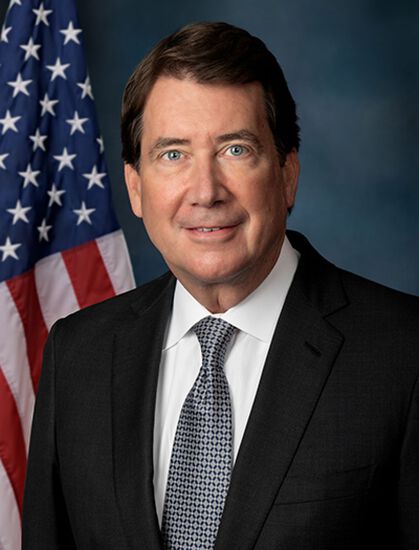
Bill Hagerty
11% support rate
Ranked legislators
10
5 support · 5 oppose
Key legislators

Who's moving medicaid in United States

Legislators moving medicaid in United States
Legislator Party Stance Support rate Votes
Christopher Murphy
Christopher Murphy Senate
D
Strong +
89% 9
Adam B. Schiff
Adam B. Schiff Senate
D
Strong +
80% 10
Alex Padilla
Alex Padilla Senate
D
Strong +
80% 10
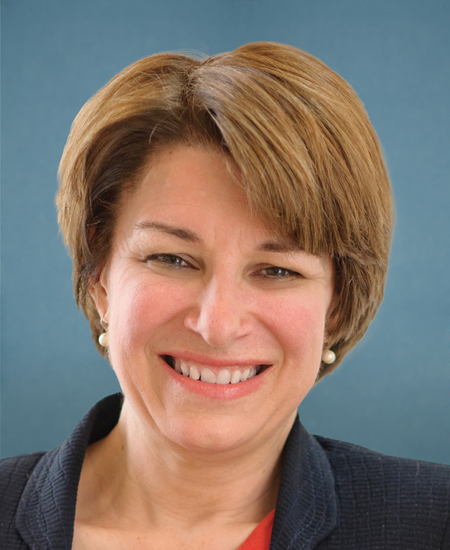
Amy Klobuchar
Amy Klobuchar Senate
D
Strong +
80% 10
Andy Kim
Andy Kim Senate
D
Strong +
80% 10
Bill Hagerty
Bill Hagerty Senate
R
Strong −
11% 9
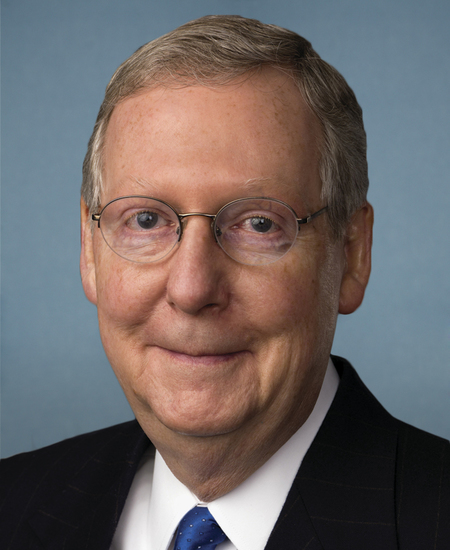
Mitch McConnell
Mitch McConnell Senate
R
Strong −
11% 9
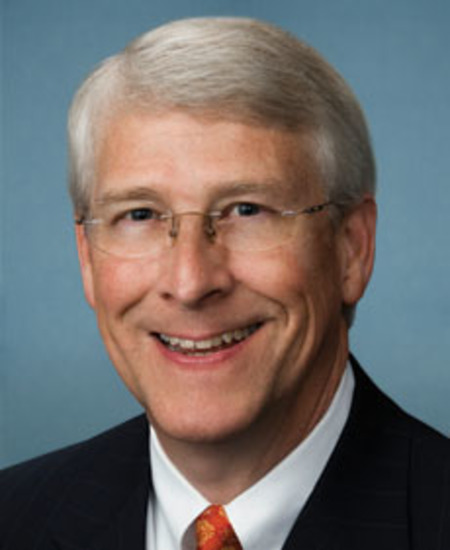
Roger F. Wicker
Roger F. Wicker Senate
R
Strong −
11% 9
Jerry Moran
Jerry Moran Senate
R
Strong −
12% 8
Ashley Moody
Ashley Moody Senate
R
Strong −
20% 10
Showing 21–30 of 434 bills

All healthcare bills

in committee · United States · House Aug 3, 2026

HRES 1469: Condemning a legal opinion issued by the U.S. Department of Justice on June 18, 2026, regarding the Olmstead v. L.C., the 1999 Supreme Court decision that recognized institutional isolation of people with disabilities as discrimination under the Americans with Disabilities Act.

This resolution condemns a 2026 Department of Justice opinion that challenges the legal requirement to place people with disabilities in community settings rather than institutions. It directly affects individuals with disabilities who rely on federal protections to live independently and avoid segregation in facilities like nursing homes or psychiatric hospitals. The text affirms that the 1999 Supreme Court ruling in Olmstead v. L.C. mandates that states offer community-based services when appropriate and calls on the Justice Department to rescind its opinion. Additionally, it urges Congress to reverse recent cuts to Medicaid funding that support home and community-based services for people with disabilities.
Sub-Topics Medicaid Mental Health Tags People with Disabilities
in committee · United States · Senate Jul 23, 2026

S 5108: Right to IVF Act of 2026

The Right to IVF Act of 2026 establishes federal protections to ensure individuals can access assisted reproductive technology and intrauterine insemination without state-imposed restrictions, while also mandating that health insurance plans, Medicare, Medicaid, and the Federal Employees Health Benefits program cover these services. The bill defines these procedures broadly to include treatments like egg and embryo freezing and requires coverage regardless of whether a patient has been diagnosed with infertility. It further directs the Department of Defense and the Department of Veterans Affairs to provide fertility preservation and reproductive assistance to uniformed service members and veterans, including funding for egg or sperm retrieval and storage. Additionally, the legislation grants federal courts the authority to challenge and block any state laws that limit access to these reproductive treatments or discriminate against providers and patients based on protected characteristics.
in committee · United States · House Jul 22, 2026

HR 9833: Ensuring Kids Have Access to Medically Necessary Dental Care Act

This bill, titled the Ensuring Kids Have Access to Medically Necessary Dental Care Act, modifies the Children's Health Insurance Program to expand dental coverage for low-income children and pregnant women. It mandates that states remove any lifetime or annual dollar limits on dental benefits for eligible participants and requires states to offer dental-only supplemental coverage instead of allowing them to opt out. The changes take effect six months after the law is enacted, ensuring that these specific groups receive consistent access to necessary dental services without financial caps.
Sub-Topics Children's Health Insurance Medicaid Tags Children
in committee · United States · House Jul 23, 2026

HR 9940: Disability Community Act of 2026

The Disability Community Act of 2026 updates federal Medicaid terminology to replace the outdated phrase "mentally retarded" with "intellectual or developmental disabilities" throughout relevant laws and regulations. This change affects how states and facilities are referred to in official documents, ensuring language aligns with current medical and social standards. Additionally, the bill increases federal funding for specific Medicaid services provided to individuals with intellectual and developmental disabilities during 2027, 2028, and 2029. These funds are intended to cover costs associated with complying with existing federal regulations regarding care and services.
Sub-Topics Medicaid Tags People with Disabilities
in committee · United States · House Jul 22, 2026

HR 9847: Improving CARE for Youth Act

The Improving CARE for Youth Act modifies Medicaid rules to allow payment for mental health, substance use disorder, and primary care services provided on the same day within the same clinic or health center. This change directly affects youth and adults receiving care by removing previous restrictions that often prevented billing for these combined visits. The bill defines "same-day qualifying services" to include scenarios where a patient sees both a primary care provider and a mental health specialist in one visit, or vice versa, at facilities like Federally qualified health centers or physician offices. By updating the Social Security Act, the legislation aims to streamline access to coordinated care without imposing new limitations on how these services are billed.
in committee · United States · House Jul 23, 2026

HR 9941: Right to IVF Act of 2026

This bill establishes federal protections and funding to expand access to in vitro fertilization and intrauterine insemination for individuals, military service members, and veterans. It requires most private health plans, Medicaid programs, and Medicare to cover these fertility treatments without imposing higher cost-sharing than other medical services. Additionally, the legislation mandates that the Department of Defense and the Department of Veterans Affairs provide specific fertility preservation and treatment benefits to uniformed service members and eligible veterans. The bill also includes preemption clauses that override state laws restricting these procedures and prohibits discrimination based on marital status, sex, or sexual orientation in the provision of care.
in committee · United States · Senate Jul 21, 2026

S 5052: Lainie Jones Comprehensive Cancer Survivorship Act of 2026

The Lainie Jones Comprehensive Cancer Survivorship Act of 2026 establishes a new Office of Cancer Survivorship within the National Cancer Institute to coordinate research and education focused on the long-term health needs of the 18 million Americans living with or beyond a cancer diagnosis. The bill mandates that Medicare and Medicaid cover specific services, including the creation of personalized care plans to help patients transition from active treatment to ongoing follow-up care, as well as fertility preservation and storage services for cancer patients. Additionally, the legislation creates a grant program to support cancer survivors in maintaining or returning to the workforce and requires the development of a new payment model to improve the quality and coordination of survivorship care.
Sub-Topics Medicaid Medicare
in committee · United States · Senate Jul 23, 2026

SRES 814: A resolution recognizing the importance of independent living and economic self-sufficiency for individuals with disabilities made possible by the Americans with Disabilities Act of 1990 and calling to protect the right of individuals with disabilities to live in their own homes and communities.

This Senate resolution recognizes the importance of independent living and economic self-sufficiency for individuals with disabilities, emphasizing their right to live in their own homes and communities. It calls on the Department of Justice to rescind a recent opinion that the Senate views as undermining the legal requirement to provide community-based services instead of institutional care. The document also urges various federal agencies to improve funding for home and community-based services, increase accessible housing and transportation, and promote competitive employment opportunities for people with disabilities. Additionally, the resolution pledges bipartisan efforts to address barriers faced by individuals with disabilities, including those of color, and opposes cuts to the Medicaid program that could limit access to essential support services.
Sub-Topics Medicaid Tags People with Disabilities
in committee · United States · House Jul 22, 2026

HR 9823: Alzheimer’s Early Detection Act of 2026

The Alzheimer's Early Detection Act of 2026 requires private health insurance plans and Medicaid programs to cover specific tests that detect biological markers for Alzheimer's disease. These tests, which can be performed on blood or tissue samples, are intended to help with early detection, diagnosis, and treatment management of the condition. The law mandates that insurers treat these tests like other standard medical benefits, meaning patients cannot face higher costs, separate waiting periods, or step therapy hurdles specifically for this care. Additionally, the bill requires insurance companies to approve requests for these tests within 72 hours and directs the National Institutes of Health to study the value of such testing over three years.
Sub-Topics Insurance Medicaid
in committee · United States · Senate Jul 21, 2026

S 5037: MediKids Act

The MediKids Act expands Medicaid eligibility to cover children and young adults up to age 26, regardless of their immigration status, and establishes a system for automatic enrollment of newborns that allows parents to opt out if other qualifying health coverage is available. The bill ensures that states provide full federal funding for these expanded groups and extends specific pediatric health services, such as Early and Periodic Screening, Diagnostic, and Treatment (EPSDT), to individuals up to age 26. Additionally, the legislation modifies tax rules to prevent this new Medicaid coverage from counting as minimum essential coverage for the purpose of individual health insurance tax penalties.
Showing 21 to 30 of 434 bills
Previous 1 2 3 4 44 Next