Issue · Healthcare

Healthcare (Insurance)

Every healthcare bill, vote, and legislator stance in United States, automatically classified by Maddy, our AI policy reader.

Total bills
32
119th Congress
Top supporter
Adam B. Schiff
90% support rate
Top opponent
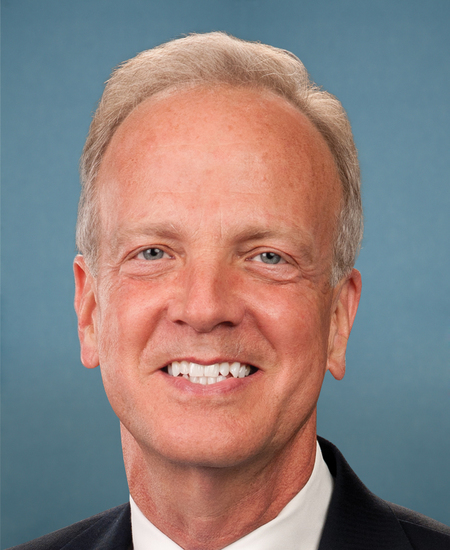
Jerry Moran
0% support rate
Ranked legislators
10
5 support · 5 oppose
Key legislators

Who's moving insurance in United States

Legislators moving insurance in United States
Legislator Party Stance Support rate Votes
Adam B. Schiff
Adam B. Schiff Senate
D
Strong +
90% 10
Alex Padilla
Alex Padilla Senate
D
Strong +
90% 10
Amy Klobuchar
Amy Klobuchar Senate
D
Strong +
90% 10
Andy Kim
Andy Kim Senate
D
Strong +
90% 10
Angela D. Alsobrooks
Angela D. Alsobrooks Senate
D
Strong +
90% 10
Jerry Moran
Jerry Moran Senate
R
Strong −
0% 8
Ashley Moody
Ashley Moody Senate
R
Strong −
10% 10
Bernie Moreno
Bernie Moreno Senate
R
Strong −
10% 10
Bill Hagerty
Bill Hagerty Senate
R
Strong −
10% 10
Chuck Grassley
Chuck Grassley Senate
R
Strong −
10% 10
Showing 21–30 of 32 bills

All healthcare bills

in committee · United States · Senate Aug 1, 2025

S 2641: Health Care Freedom and Choice Act

This bill repeals a federal rule that allowed short-term health insurance plans to be sold with fewer consumer protections. It specifically targets a rule published by the IRS, EBSA, and CMS on April 3, 2024, which governed short-term, limited-duration insurance and certain noncoordinated health benefits. By nullifying this rule, the bill would allow insurers to offer these short-term plans without the restrictions previously imposed. This directly affects insurers selling short-term coverage and consumers purchasing such plans, as it removes requirements related to coverage duration, pre-existing condition limitations, and essential health benefits.
Sub-Topics Insurance
in committee · United States · Senate Mar 19, 2026

S 1756: Conscience Protection Act of 2025

This bill, the Conscience Protection Act of 2025, strengthens protections for healthcare providers and organizations that refuse to participate in certain medical procedures (including abortion, assisted suicide, and sterilization) based on religious, moral, or ethical beliefs. It creates a private right of action allowing affected entities to seek legal remedies when their conscience rights are violated, addressing a gap in current law where victims could not defend their rights in court. The bill amends the Public Health Service Act to prohibit discrimination against such healthcare entities and establishes clearer enforcement mechanisms through the Department of Health and Human Services, including administrative investigations and civil actions. It directly affects healthcare providers, hospitals, insurers, and other health-related organizations operating under federal funding. The bill aims to address inconsistent enforcement of existing conscience protections like the Weldon Amendment, which has been challenged in cases such as California's abortion coverage mandate.
in committee · United States · House May 5, 2025

HR 3205: No Subsidies for Gender Transition Procedures Act

This bill would deny federal tax deductions for gender transition procedures and prohibit Medicaid, Medicare, and Children's Health Insurance Program (CHIP) funding for such procedures. It defines gender transition procedures broadly to include hormonal treatments, surgeries, and cosmetic procedures intended to align physical appearance with gender identity, with limited exceptions for medically necessary treatments related to disorders of sex development or life-threatening conditions. The legislation would also require health insurance plans to exclude gender transition procedures from essential health benefits under the Affordable Care Act. This would directly affect individuals seeking gender transition care who rely on federal health programs or tax deductions for medical expenses.
in committee · United States · House Jan 14, 2025

HR 379: Healthcare Freedom and Choice Act

Healthcare Freedom and Choice Act This bill nullifies a rule regarding short-term, limited-duration health insurance plans. The rule was promulgated by the Internal Revenue Service, Employee Benefits Security Administration, and Department of Health and Human Services; is titled  Short-Term, Limited-Duration Insurance and Independent, Noncoordinated Excepted Benefits Coverage ; and was published April 3, 2024. Short-term, limited-duration health insurance plans are plans that may only offer coverage for a limited amount of time and are exempt from the market requirements of the Patient Protection and Affordable Care Act (e.g., coverage of individuals with preexisting conditions). The rule limits the length of the initial contract period for such a plan to no more than three months and, taking into account any renewals or extensions, the maximum coverage period to no more than four months. The rule also includes within the maximum renewal period limitation a new plan sold by the same issuer, or any issuer that is a member of the same controlled group, to the same policyholder within a 12-month period. Regulations in effect prior to the rule this bill nullifies permitted short-term, limited-duration health insurance plans with an initial contract period of fewer than 12 months and a maximum coverage period of up to 36 months, including renewals and extensions.
Sub-Topics Insurance
in committee · United States · Senate Dec 9, 2025

S 3389: Lowering Health Care Costs for Americans Act

The Lowering Health Care Costs for Americans Act (S 3389) creates Healthcare Affordability Accounts that would receive premium tax credits instead of direct payments to consumers, with income-based limits on premium assistance ranging from $10 to $40 per month depending on income level. The bill prohibits coverage of gender transition procedures and abortion services under qualified health plans, while requiring detailed price transparency for hospitals, clinical diagnostic laboratories, imaging services, and ambulatory surgical centers to help consumers compare costs. It also mandates itemized bills for healthcare providers, including plain language descriptions of services, billing codes, and payment details, to improve consumer understanding of healthcare costs. The provisions apply to plan years beginning after 2026, with implementation timelines varying by section.
in committee · United States · House Oct 28, 2025

HR 5839: Supplemental Benefits for Individuals Act of 2025

The Supplemental Benefits for Individuals Act of 2025 amends Section 2791(c)(4) of the Public Health Service Act to include individual health insurance coverage as an "excepted benefit." This change allows health insurance plans purchased directly by individuals (not through employers) to be classified as excepted benefits, meaning they would not need to cover essential health benefits required of standard health plans under the Affordable Care Act. The bill directly affects individuals who buy health insurance on their own by expanding the types of coverage available without meeting full ACA requirements. The key mechanism is a technical update to the definition of excepted benefits in federal law.
in committee · United States · Senate Jan 22, 2025

S 186: No Taxpayer Funding for Abortion and Abortion Insurance Full Disclosure Act of 2025

This bill prohibits federal funds from being used for abortions or health plans covering abortion. It amends the Affordable Care Act to block premium tax credits and cost-sharing reductions for health plans that include abortion coverage (except for rape/incest cases or life-threatening conditions), and requires clear disclosure of abortion coverage and related surcharges in plan materials. The law explicitly exempts abortions performed due to rape, incest, or to preserve a mother's life, and allows separate abortion coverage using non-federal funds. It applies to all federal health programs and ACA marketplace plans, effective for plan years beginning after 2025.
in committee · United States · House Dec 9, 2025

HR 6538: More Affordable Care Act

This bill would allow states to waive certain Affordable Care Act requirements for health insurance starting in 2026, provided they maintain a high-risk insurance pool. Residents in participating states would receive funds directly into "Trump Health Freedom Accounts" instead of traditional premium tax credits, which could be used to purchase health insurance with restrictions on coverage for gender transition procedures and abortion services. The bill also modifies tax credits for small employers in participating states and requires better price transparency and outcomes reporting from healthcare providers. It would directly affect residents and small businesses in states that choose to participate in the waiver program.
in committee · United States · Senate Nov 20, 2025

S 3264: More Affordable Care Act

This bill establishes a "Health Freedom Waiver Program" that would allow states to opt out of certain Affordable Care Act requirements for health insurance starting in 2026. States choosing this option would need to maintain a high-risk insurance pool, and the federal government would instead fund "Trump Health Freedom Accounts" for eligible residents, replacing premium tax credits and cost-sharing reductions. These accounts would provide funds for health insurance but restrict coverage for gender transition procedures and abortion services. The bill also includes modified tax credits for small businesses in waiver states and requires better price transparency in health care through updated reporting requirements.
in committee · United States · Senate Jan 13, 2026

SJRES 84: A joint resolution providing for congressional disapproval under chapter 8 of title 5, United States Code, of the rule submitted by the Centers for Medicare & Medicaid Services relating to "Patient Protection and Affordable Care Act; Marketplace Integrity and Affordability".

SJRES 84 is a joint resolution seeking to block a rule issued by the Centers for Medicare & Medicaid Services (CMS) under the Affordable Care Act. The rule, published in the Federal Register on June 25, 2025, aimed to improve affordability and integrity in health insurance marketplaces. If approved, this resolution would invalidate the rule under a federal disapproval process, preventing its implementation. This directly affects how health insurance plans are structured and priced for consumers using ACA marketplaces.
Showing 21 to 30 of 32 bills
Previous 1 2 3 4 Next