Issue · Healthcare

Healthcare

Every healthcare bill, vote, and legislator stance in United States, automatically classified by Maddy, our AI policy reader.

Total bills
2,988
119th Congress
Top supporter
Darline Graham
82% support rate
Top opponent
Rick Scott
19% support rate
Ranked legislators
10
5 support · 5 oppose
Key legislators

Who's moving healthcare in United States

Legislators moving healthcare in United States
Legislator Party Stance Support rate Decisive votes
Darline Graham
Darline Graham Senate
R
Strong +
82% 11
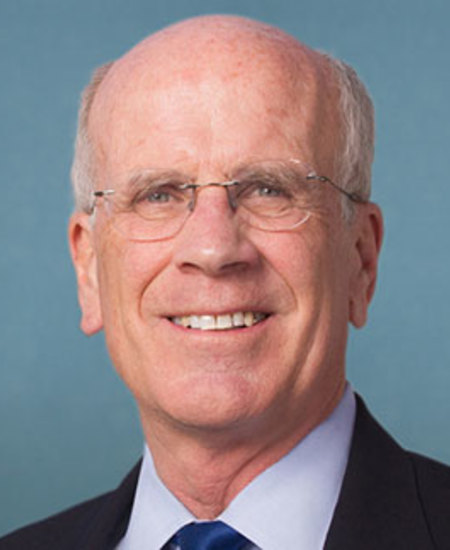
Peter Welch
Peter Welch Senate
D
Strong +
81% 27
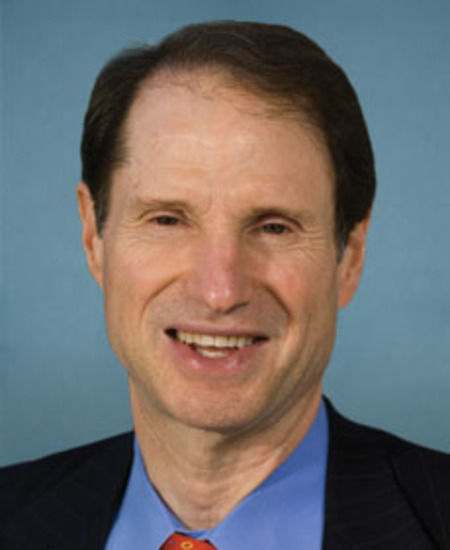
Ron Wyden
Ron Wyden Senate
D
Support
78% 27
Alex Padilla
Alex Padilla Senate
D
Support
77% 26
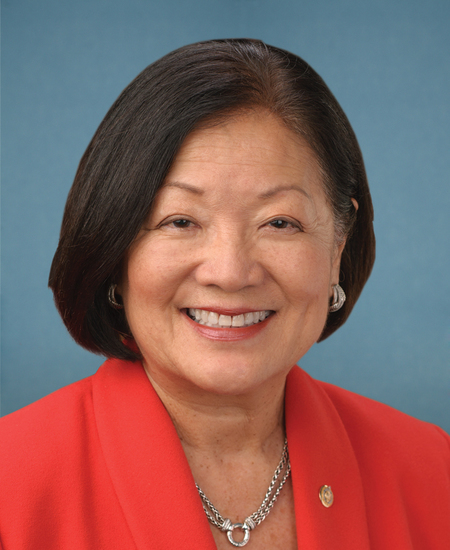
Mazie K. Hirono
Mazie K. Hirono Senate
D
Support
74% 27
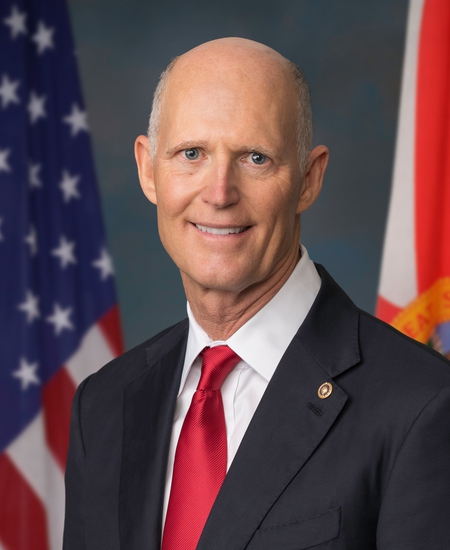
Rick Scott
Rick Scott Senate
R
Strong −
19% 27
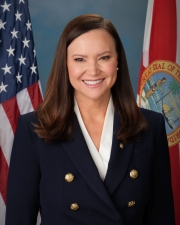
Ashley Moody
Ashley Moody Senate
R
Oppose
22% 27
Rand Paul
Rand Paul Senate
R
Oppose
22% 27
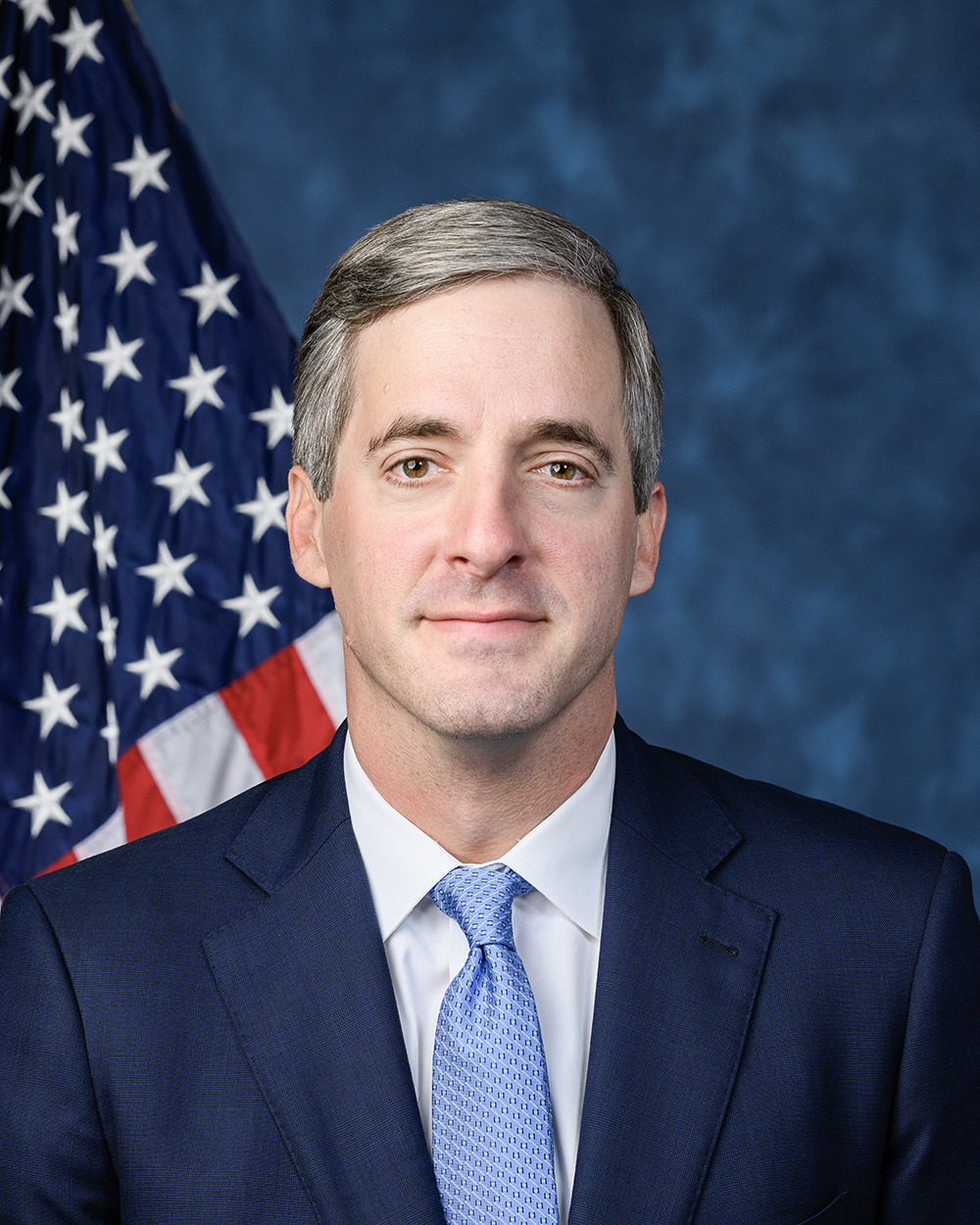
Brad Knott
Brad Knott House · District 13
R
Oppose
28% 18
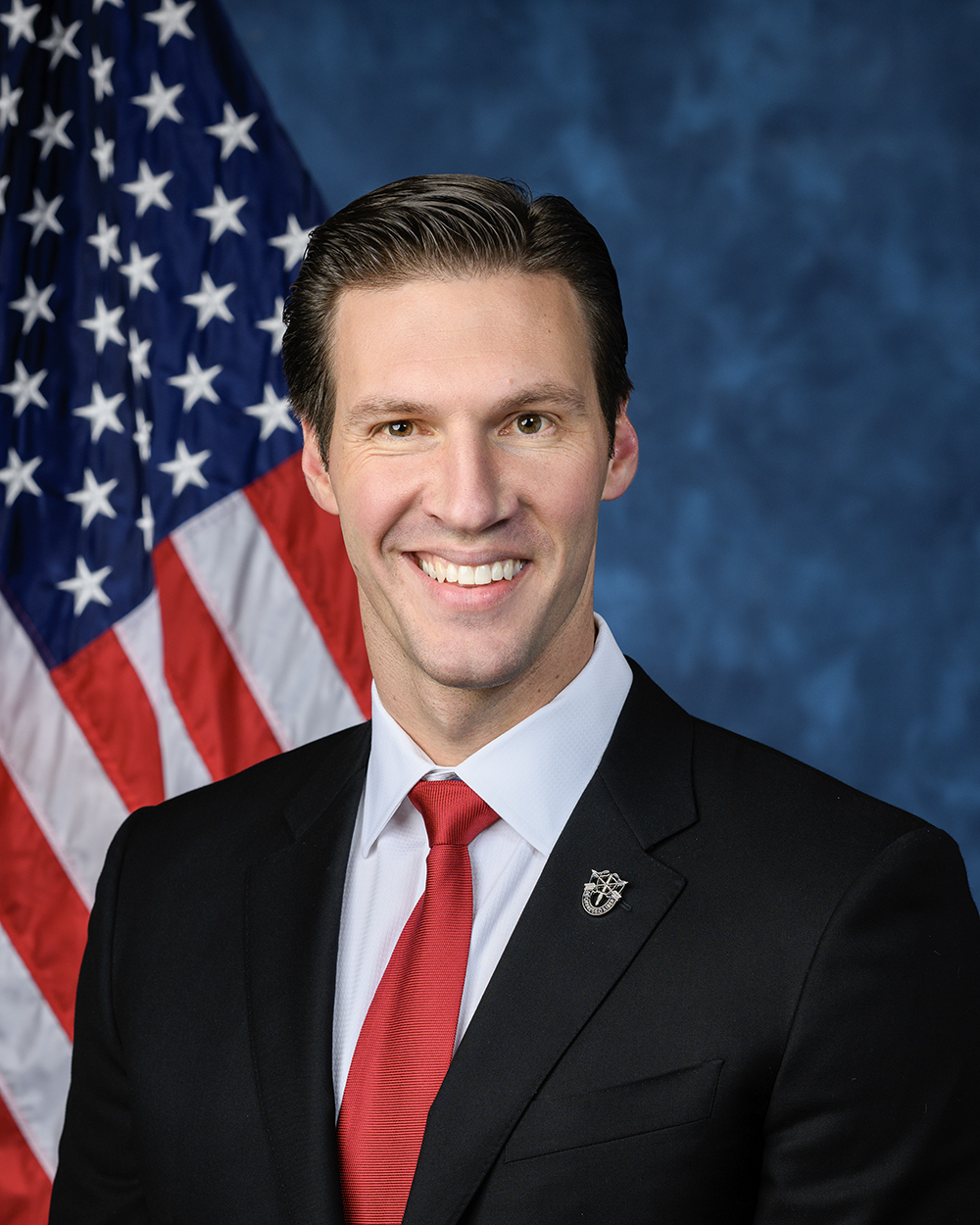
Pat Harrigan
Pat Harrigan House · District 10
R
Oppose
28% 18
Showing 2,071–2,080 of 2,988 bills

All healthcare bills

passed · United States · Senate Sep 30, 2026

S 1055: Indian Health Service Emergency Claims Parity Act

This bill amends the Indian Health Care Improvement Act to establish a 15-day notification deadline for Native Americans who receive emergency medical care from non-Indian Health Service providers or facilities. It directly affects Indigenous individuals seeking emergency treatment outside of IHS facilities by requiring them to notify the Service within 15 days to qualify for payment. The key provision replaces the previous time limitation with a standardized 15-day window for submitting claims. This change simplifies the reimbursement process for emergency care received under existing authority. The bill does not alter eligibility for care but streamlines the administrative requirement for claims processing.
Tags Tribal Nations
in committee · United States · House Jun 12, 2025

HR 3969: MARCH for Military Servicemembers Act

The MARCH for Military Servicemembers Act (HR 3969) repeals Section 1093 of title 10, United States Code, which currently prohibits the use of Department of Defense funds and facilities for abortion care. This change would directly affect military servicemembers by enabling them to access abortion services through military healthcare systems, removing a longstanding funding barrier. The key provision eliminates the specific restriction, allowing the Department of Defense to provide or fund such care as part of standard military health services. The bill focuses on removing a legal constraint, not mandating specific services or outcomes.
Sub-Topics Women's Health
in committee · United States · Senate Nov 20, 2025

S 3248: Health Savings Accounts For All Act of 2025

This bill would increase contribution limits for Health Savings Accounts (HSAs), particularly for individuals aged 50 or older. It would expand eligible expenses to include menstrual care products, vitamins, dietary supplements, gym memberships, and wearable fitness trackers. The bill would allow HSA funds to be rolled over to children or parents of account holders and provide bankruptcy protections for HSAs similar to retirement accounts. These changes would directly affect individuals using HSAs for health care expenses, particularly those seeking more flexible use of their accounts for wellness expenses and those aged 50 or older.
in committee · United States · House Dec 18, 2025

HR 6862: Protecting Health Care Workforce Pipelines Act

This bill extends the deadline for graduate and professional students in health care fields to avoid loan repayment requirements. It specifically affects students enrolled in health professions programs at qualifying institutions located within 100 miles of a health professional shortage area or medically underserved community. The key change delays the termination date for these students' loan limits from July 1, 2026, to July 1, 2030. This provides additional time for students to complete their education without immediate repayment obligations, aiming to support health care workforce development.
in committee · United States · House Jan 5, 2026

HR 6376: Supporting Military Families Exposed to Toxic Substances Act

This bill expands VA healthcare access to military family members (including those in utero) who lived or worked at military locations where veterans have a presumption of service-connected illness due to toxic exposure (e.g., Camp Lejeune). It requires the VA to provide hospital care and medical services for covered illnesses if families demonstrate exposure to the same toxins qualifying veterans for benefits. Key limitations include requiring exhausted third-party payment claims (like insurance) before VA coverage, and restricting care to illnesses with VA-established presumptions. The VA must report annually on utilization, denials, and pending applications starting in 2027. This directly affects military families residing at contaminated bases, not veterans themselves.
in committee · United States · House Sep 18, 2025

HR 5355: Ian Kalvinskas Pediatric Liver Cancer Early Detection and Screening Act

This bill requires a GAO study to evaluate early detection methods for pediatric liver disease, including adding bilirubin measurement to newborn screening panels and assessing trends in transplant wait-list mortality. It also mandates a public education program to inform families about early signs of liver disease and the safety of living liver donation, using existing HHS resources without new funding. The law directly affects infants and children with liver conditions like biliary atresia and liver cancer, aiming to improve early intervention. Key provisions include a study on cost-effective screening and a program to educate pediatric providers and families about warning signs.
Sub-Topics Children's Health
in committee · United States · House Jul 25, 2025

HR 4773: ACO Assignment Improvement Act of 2025

HR 4773, the ACO Assignment Improvement Act of 2025, amends Medicare's Shared Savings Program rules to change how beneficiaries are assigned to Accountable Care Organizations (ACOs). It adds a new provision requiring ACOs to include primary care services provided by their professionals in beneficiary assignment calculations starting January 1, 2027. This directly affects Medicare beneficiaries enrolled in ACOs and the ACOs themselves, as it modifies the criteria used to determine which beneficiaries are counted toward an ACO's performance. The change aims to better align beneficiary assignments with primary care service delivery under the program.
in committee · United States · House May 23, 2025

HR 3589: RESTORE Act

The RESTORE Act aims to improve reproductive health care by promoting "restorative reproductive medicine" that focuses on diagnosing and treating underlying causes of infertility and reproductive health conditions like endometriosis, adenomyosis, polycystic ovary syndrome, and uterine fibroids. Key provisions include prohibiting discrimination against health care providers who decline to provide or refer for assisted reproductive technology due to religious or moral beliefs, requiring regular reports on standard care for infertility diagnosis, and modernizing medical coding to better classify and reimburse restorative treatments. The bill also expands research into reproductive health conditions, advances education about fertility awareness-based methods, and increases access to Title X funding for restorative reproductive medicine services. These changes are designed to improve access to comprehensive reproductive health care for people experiencing infertility. The legislation specifically targets both women and men affected by reproductive health conditions and aims to address gaps in current care approaches.
Sub-Topics Women's Health
in committee · United States · House Mar 31, 2025

HR 2502: Law Enforcement Training for Mental Health Crisis Response Act of 2025

This bill establishes a federal grant program to fund mental health crisis response training for law enforcement and corrections officers. It provides up to $10 million annually for state, local, and tribal agencies to cover training costs, including travel and lodging, for officers responding to mental health crises. The training must be evidence-based, developed with healthcare professionals and people with lived mental health experience, and cover de-escalation, empathy, community resources, and safety protocols. Agencies applying must demonstrate current training gaps, officer safety records, and how the training will reduce injuries to officers and the public during mental health emergencies. The grants are supplemental to existing funding and require annual reporting on training participation and outcomes.
in committee · United States · House Jan 28, 2025

HR 786: Preserving Patient Access to Accountable Care Act

HR 786 extends Medicare incentive payments for providers participating in "eligible alternative payment models" (like bundled care programs) by adjusting key timeline and percentage references in the Social Security Act. It specifically delays the expiration of these incentives from 2026 to 2027 for certain payments (adding a 3.53% rate for 2027) and extends subsequent years' references accordingly. This bill directly affects Medicare providers using alternative payment models by preserving their access to these financial incentives for an additional year. The key mechanism is technical, updating specific years and payment percentages in Medicare law without changing the underlying program structure. The bill does not create new programs but ensures existing incentives continue for providers in 2027 and beyond.
Sub-Topics Medicare
Showing 2,071 to 2,080 of 2,988 bills