Issue · Healthcare

Healthcare (Women's Health)

Every healthcare bill, vote, and legislator stance in United States, automatically classified by Maddy, our AI policy reader.

Total bills
302
119th Congress
Top supporter
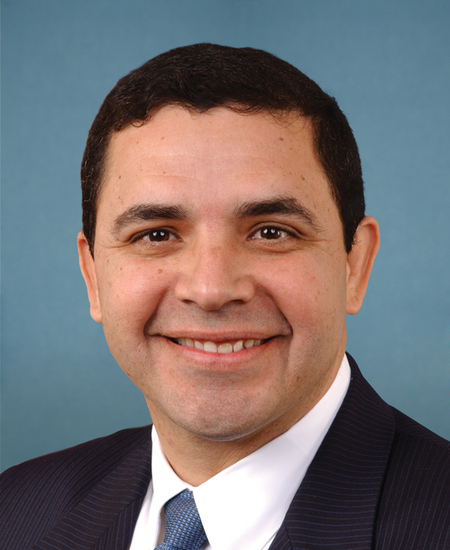
Henry Cuellar
100% support rate
Top opponent
John Garamendi
33% support rate
Ranked legislators
6
5 support · 1 oppose
Key legislators

Who's moving women's health in United States

Legislators moving women's health in United States
Legislator Party Stance Support rate Decisive votes
Henry Cuellar
Henry Cuellar House · District 28
D
Strong +
100% 4
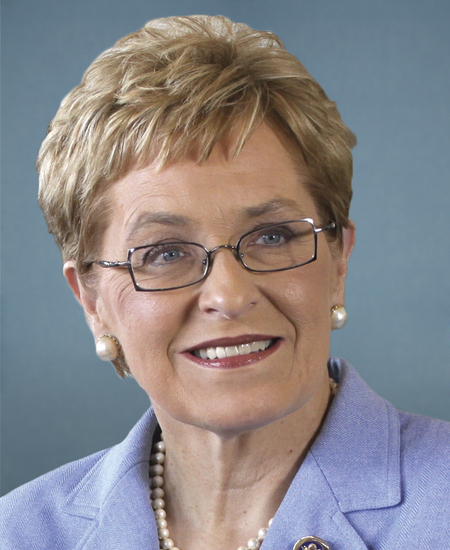
Marcy Kaptur
Marcy Kaptur House · District 9
D
Support
67% 3
Mike Haridopolos
Mike Haridopolos House · District 8
R
Support
67% 3
Aaron Bean
Aaron Bean House · District 4
R
Mixed
50% 4
Abraham J. Hamadeh
Abraham J. Hamadeh House · District 8
R
Mixed
50% 4
John Garamendi
John Garamendi House · District 8
D
Oppose
33% 3
Showing 161–170 of 302 bills

All healthcare bills

in committee · United States · House Oct 24, 2025

HR 5828: Dads Matter Act of 2025

HR 5828, the Dads Matter Act of 2025, requires the Health and Human Services Department to launch a public awareness campaign about fathers' roles in pregnancy and postpartum care, and to issue guidance to states on training healthcare providers (like hospitals and doctors) to better include fathers. The bill aims to improve maternal and infant health outcomes by encouraging providers to discuss topics such as father involvement in prenatal visits, skin-to-skin contact, breastfeeding support, and recognizing maternal health risks. It directs HHS to provide resources countering narratives that minimize fathers' roles and to address cultural barriers to father engagement. A government study will later assess the bill's effectiveness after six years.
in committee · United States · House Nov 20, 2025

HR 6242: Healthy MOM Act

The Healthy MOM Act (HR 6242) would require health insurance plans to provide a special enrollment period for pregnant individuals beginning when pregnancy is reported to the insurer. It mandates that group health plans and health insurance issuers cover maternity care, including childbirth and postpartum care, for all dependents regardless of age. The bill would extend Medicaid coverage for pregnant individuals and infants to 12 months postpartum (instead of ending at 60 days postpartum) and make this 12-month coverage permanent. These provisions would directly affect pregnant individuals, women with dependent children who are pregnant, and health insurance plans and Medicaid programs.
in committee · United States · House Dec 4, 2025

HR 6466: Forced Abortion Prevention and Accountability Act

HR 6466, the Forced Abortion Prevention and Accountability Act, prohibits non-consensual administration of abortion drugs (like mifepristone or misoprostol) to pregnant women without their informed consent. It criminalizes this act with penalties up to 25 years in prison and allows victims to sue for triple damages, psychological/physical injury compensation, and attorney fees. The bill directly affects pregnant women who might face coerced procedures and medical providers or others who administer such drugs without consent. Key provisions include criminal penalties for the act itself, enhanced penalties for serious injury or death, and a civil remedy framework for victims seeking compensation.
Sub-Topics Women's Health
in committee · United States · House Mar 18, 2025

HRES 231: Recognizing the longstanding and invaluable contributions of Black midwives to maternal and infant health in the United States.

HRES 231 (introduced March 18, 2025) is a symbolic resolution designating March 14, 2025, as "Black Midwives Day" to honor Black midwives' historical and ongoing role in improving maternal and infant health. It recognizes how Black midwives provide culturally competent care that addresses racial disparities in maternal outcomes, particularly in communities facing maternity care deserts. The resolution does not create new laws but calls for federal, state, and local governments to support initiatives expanding access to Black midwives and removing barriers to their practice. It highlights that Black birthing people face significantly higher maternal mortality rates (50.3 deaths per 100,000 live births in 2023) compared to other groups, often due to systemic inequities. The resolution emphasizes the need for policies promoting midwifery care as part of equitable maternal health solutions.
in committee · United States · House Jul 23, 2025

HR 4664: Stop Shackling and Detaining Pregnant Women Act

This bill would prohibit the detention of pregnant women, lactating women, and postpartum mothers (within one year of childbirth) in immigration custody, requiring their immediate release except in rare circumstances involving public safety threats. It bans the use of physical restraints on these individuals during pregnancy, labor, delivery, and postpartum recovery, with only extremely limited exceptions. The bill mandates that facilities provide comprehensive reproductive health care including prenatal care, labor and delivery services, postpartum care, and access to abortion services. It requires facilities to maintain medical records, obtain informed consent for medical procedures, and conduct weekly reviews of any detained individuals under exceptional circumstances. The bill also establishes reporting requirements for facilities and creates transparency through public reporting of detention practices.
in committee · United States · House Sep 5, 2025

HR 5166: Financial Services and General Government Appropriations Act, 2026

# Summary of the Financial Services and General Government Appropriations Act, 2026 This Act provides funding for various federal agencies and departments under the Financial Services and General Government Appropriations category for fiscal year 2026. The legislation contains over 750 sections with detailed provisions governing how funds may be used, restrictions on certain activities, and requirements for transparency and reporting. Key provisions include: 1. **Restrictions on Healthcare Coverage**: Prohibits funds for gender-affirming care in the Federal Employees Health Benefits program (Section 761) and limits abortion coverage except in cases where the mother's life is endangered or the pregnancy resulted from rape or incest (Sections 809, 818). 2. **Executive Compensation Limits**: Imposes restrictions on pay increases for senior executive positions, including Executive Schedule positions (Sections 737-746), with specific provisions preventing pay rate increases for certain positions during calendar year 2026. 3. **District of Columbia Provisions**: Contains numerous restrictions on how District of Columbia funds may be spent, including prohibitions on: - Enforcing certain abortion-related laws (Section 818) - Implementing certain voting rights or criminal justice reforms (Sections 825, 827) - Legalizing recreational marijuana (Section 830) - Enforcing certain environmental regulations (Section 821) 4. **Prohibitions on Certain Activities**: - Bans implementation of certain executive orders related to voting access (Section 756) - Prohibits funds for vaccine or mask mandates (Section 757) - Restricts funding for entities that engage in "fact-checking" or credibility rating of news outlets (Section 758) - Prohibits funding for certain types of research or medical procedures 5. **Transparency Requirements**: Mandates detailed reporting on conference costs, travel expenses, and other expenditures (Section 738). The Act serves as a comprehensive funding measure for financial services and general government operations while embedding numerous policy restrictions on how those funds may be used across federal agencies and the District of Columbia.
in committee · United States · House May 13, 2025

HR 3365: HEALTH for MOM Act of 2025

This bill gives states the option to create coordinated care teams (called "maternity health homes") for pregnant and postpartum women enrolled in Medicaid. It requires states to develop individualized care plans covering medical, behavioral, and social services, with increased federal funding (15% higher for the first four years) to support this model. Eligible women include those who are pregnant or within one year of pregnancy (excluding those with limited pregnancy-only coverage), and participation is voluntary for both women and providers. States must track care quality, costs, and outcomes through data reporting but are not required to adopt the program.
in committee · United States · Senate Mar 11, 2025

S 958: Tech to Save Moms Act

The Tech to Save Moms Act expands access to telehealth for pregnant and postpartum individuals in underserved communities by allowing remote screening and management of pregnancy complications through digital tools. It authorizes $6 million annually (2026-2030) for grants to train maternal health providers on reducing racial disparities, using telehealth during emergencies, and addressing social health risks. The grants prioritize health professional shortage areas, rural communities, and populations with high maternal mortality rates, requiring grantees to evaluate outcomes and develop best practices. The bill also mandates a study on AI and monitoring devices to address racial biases in maternal health technology.
in committee · United States · House Jun 30, 2025

HR 4265: Reproductive Health Travel Fund Act of 2025

HR 4265, the Reproductive Health Travel Fund Act of 2025, would provide $350 million annually (2026-2030) in federal grants to cover travel and logistical costs for people seeking abortion care in states with bans or severe restrictions. The bill directly affects individuals who must travel across state lines for abortion services, particularly those facing systemic barriers like Black, Indigenous, and low-income people. Grants can cover round-trip travel, lodging, childcare, meals, translation, and lost wages, but cannot fund the abortion procedure itself. Eligible recipients are community-based abortion funds meeting specific criteria, with priority given to organizations serving those impacted by state abortion bans.
Sub-Topics Women's Health
in committee · United States · House Aug 12, 2025

HR 4964: Child Interstate Abortion Notification Act

HR 4964, the Child Interstate Abortion Notification Act, requires physicians performing abortions on minors traveling across state lines to provide 24 hours of actual or constructive notice to the minor's parent before the procedure. It directly affects minors (under 18) seeking abortions in a state different from their residence, their parents, and healthcare providers. Key provisions mandate parental notification unless exceptions apply - such as medical emergencies, court waivers, verified abuse disclosures, or the minor being accompanied by a documented parent. The law aims to ensure compliance with parental involvement requirements in the minor’s home state, with penalties for noncompliance including fines or imprisonment for physicians.
Sub-Topics Women's Health
Showing 161 to 170 of 302 bills
Previous 1 … 16 17 18 … 31 Next