Issue · Healthcare

Healthcare (Women's Health)

Every healthcare bill, vote, and legislator stance in United States, automatically classified by Maddy, our AI policy reader.

Total bills
302
119th Congress
Top supporter
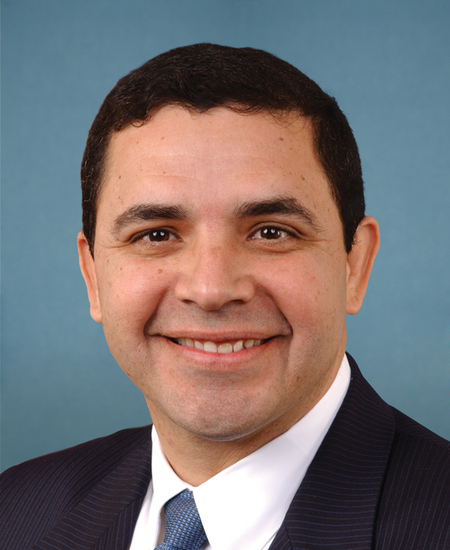
Henry Cuellar
100% support rate
Top opponent
John Garamendi
33% support rate
Ranked legislators
6
5 support · 1 oppose
Key legislators

Who's moving women's health in United States

Legislators moving women's health in United States
Legislator Party Stance Support rate Decisive votes
Henry Cuellar
Henry Cuellar House · District 28
D
Strong +
100% 4
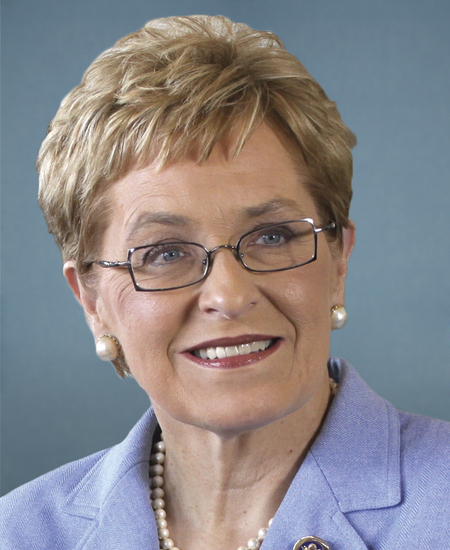
Marcy Kaptur
Marcy Kaptur House · District 9
D
Support
67% 3
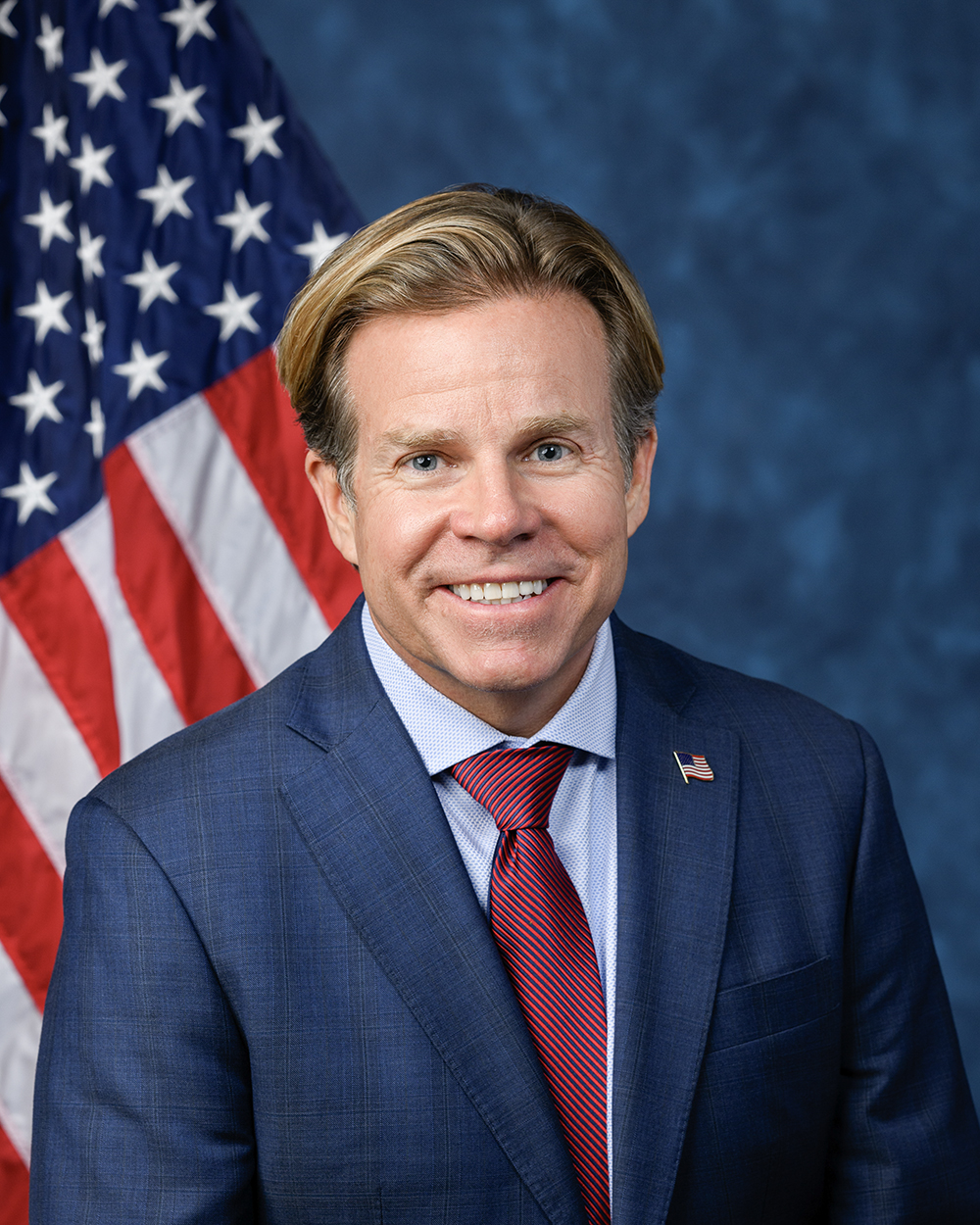
Mike Haridopolos
Mike Haridopolos House · District 8
R
Support
67% 3
Aaron Bean
Aaron Bean House · District 4
R
Mixed
50% 4
Abraham J. Hamadeh
Abraham J. Hamadeh House · District 8
R
Mixed
50% 4
John Garamendi
John Garamendi House · District 8
D
Oppose
33% 3
Showing 131–140 of 302 bills

All healthcare bills

in committee · United States · House Mar 21, 2025

HR 2251: Protecting Individuals with Down Syndrome Act

This bill prohibits doctors from performing abortions based solely on a Down syndrome diagnosis. It requires providers to ask patients about such diagnoses before an abortion and inform them of the ban. Violations could result in criminal penalties (up to 5 years in prison) or civil lawsuits seeking damages for the patient or family. The law applies to all abortions performed in the U.S. or transported across state lines for this specific purpose. It does not restrict other abortion procedures or create a new right to abortion.
Sub-Topics Women's Health
in committee · United States · House Feb 24, 2025

HR 1525: Protecting Life from Chemical Abortions Act

Protecting Life from Chemical Abortions Act This bill nullifies certain changes made by the Food and Drug Administration (FDA) to dispensing requirements for mifepristone. (Mifepristone is a drug that is approved to end pregnancies through 10 weeks gestation when used in conjunction with the drug misoprostol. The procedure is often referred to as medication abortion or the abortion pill.) The FDA regulates mifepristone through the Mifepristone Risk Evaluation and Mitigation Strategy (REMS) program. The program requires health care providers to comply with certain requirements in order to prescribe or dispense mifepristone to end a pregnancy; the program previously included an in-person dispensing requirement that required mifepristone to be directly dispensed to patients in clinics, medical offices, or hospitals. During the COVID-19 public health emergency, the FDA stopped enforcing the in-person dispensing requirement, which allowed mail-order pharmacies to fill and dispense mifepristone prescriptions. In January 2023, the FDA modified program requirements so as to (1) remove the in-person dispensing requirement, and (2) require pharmacies to be program-certified in order to dispense mifepristone. The modifications allow certified retail pharmacies to dispense mifepristone pursuant to prescriptions that are written by certified prescribers. The bill nullifies the January 2023 changes and prohibits the FDA from (1) exercising any enforcement discretion with respect to program requirements, or (2) reducing program protections until every state submits certain data regarding abortions to the Centers for Disease Control and Prevention. The bill also generally prohibits the declaration of a public health emergency with respect to abortions.
in committee · United States · House Apr 8, 2025

HR 2732: Fairness for Stay-at-Home Parents Act

This bill amends the Family and Medical Leave Act (FMLA) to explicitly include "the birth of a son or daughter" as a qualifying reason for leave. It directly affects employees taking leave for childbirth, ensuring they cannot be penalized for not returning to work after such leave. The key provision requires employers to notify eligible employees that they cannot recover health insurance premiums paid during the leave if the employee does not return due to the birth. This change clarifies protections for parents using FMLA for childbirth-related leave.
in committee · United States · House Sep 11, 2025

HR 5302: No Funds for Foreign Abortions Act

This bill prohibits U.S. foreign aid from funding any foreign government or organization that provides, promotes, or facilitates abortions under most circumstances. It blocks funding to foreign entities performing abortions, offering abortion referrals, promoting abortion services, or funding related research, with exceptions only for pregnancies resulting from rape or incest (requiring documented proof like police reports). Foreign governments and organizations receiving U.S. aid must certify compliance annually, and violations risk losing future funding, repayment of misused funds, or penalties. The policy directly affects U.S. foreign assistance programs targeting global health and development, excluding only rape/incest cases with required documentation.
Sub-Topics Women's Health
in committee · United States · House Jan 28, 2025

HR 798: Dignity for Aborted Children Act

This bill requires abortion providers to give patients a consent form outlining disposal options for fetal remains (taking the remains or transferring them to interment/cremation services). Providers must arrange interment or cremation within 7 days if patients release remains, and face civil penalties up to $50,000 or criminal charges for noncompliance. It mandates annual reporting by providers on abortion procedures, gestational age, and disposal methods, with the Secretary submitting a separate report to Congress. The bill directly affects abortion providers and patients receiving abortion care, adding handling and reporting requirements for fetal remains without changing abortion access or medical procedures.
Sub-Topics Women's Health
in committee · United States · House Sep 30, 2025

HR 5646: Restoring Safeguards for Dangerous Abortion Drugs Act

This bill requires the FDA to reinstate the 2011 safety program for mifepristone (the drug sold as Mifeprex) and bans its importation into the U.S. It creates federal liability for harm caused by illegal importers of the drug, allowing lawsuits for bodily injury or mental health harm resulting from unauthorized importation. The law applies specifically to telehealth providers, pharmacies, or others who knowingly import mifepristone across state lines. It takes effect 90 days after enactment.
in committee · United States · House Mar 11, 2025

HR 2029: Stop Comstock Act

HR 2029, the "Stop Comstock Act," amends federal obscenity laws to remove outdated restrictions on abortion and contraception. It deletes references to "indecent" materials and abortion-related language from Title 18 (e.g., removing "or means for procuring abortion" from section 552 and revising definitions in sections 1461 and 1462). The bill clarifies that federal law does not prohibit the distribution of materials related to abortion or contraceptives, updating how "obscene" is defined. These changes directly affect federal enforcement of obscenity laws, particularly regarding medical information and devices. The bill focuses on modernizing statutory language to align with current legal standards for protected speech and healthcare access.
Sub-Topics Women's Health
in committee · United States · House Jan 23, 2025

HR 688: Standing with Moms Act

HR 688, the Standing with Moms Act, requires the U.S. Department of Health and Human Services (HHS) to create a federal website (life.gov) and an interactive portal within one year of enactment. The portal would provide pregnant women with tailored, location-specific information on health services, financial assistance, mental health support, alternatives to abortion, abortion risks, and child development resources. It mandates that states submit resource recommendations meeting specific criteria (e.g., non-abortion providers with 3+ years of service), excludes abortion providers from the listings, and includes multilingual access. HHS must also report to Congress on website usage, user feedback, and gaps in services within 180 days of launch.
in committee · United States · House Sep 16, 2025

HR 5406: Opportunities to Support Mothers and Deliver Children Act

This bill creates federal grants to fund 3-year demonstration projects that train low-income individuals (under 138% of the federal poverty level) to become doulas or midwives. It requires states to already recognize and permit these professionals to practice, and applicants must partner with entities like workforce boards, hospitals, or community organizations. The $10 million appropriation for fiscal year 2026 will support programs focused on accessible career pathways with high training standards, fair wages, and health benefits. Projects must include rigorous evaluations to identify effective models for building this workforce, particularly for underserved communities.
in committee · United States · House Feb 11, 2025

HR 220: Veterans Infertility Treatment Act of 2025

This proposed bill (HR 220) would expand VA healthcare benefits to cover infertility treatments like in vitro fertilization (IVF) and fertility preservation services for veterans with infertility or at risk of infertility (e.g., due to medical treatments), and their partners. It limits VA coverage to three successful IVF cycles or ten attempts, requires consent from veterans, partners, and donors, and allows use of donated eggs or embryos. Partners would receive travel reimbursement as if they were veterans, and temporary rules during implementation will immediately allow partners to access care without marriage requirements. The bill clarifies VA isn’t required to cover maternity care beyond existing rules and defers full implementation until VA issues final regulations within one year of enactment.
Showing 131 to 140 of 302 bills
Previous 1 … 13 14 15 … 31 Next