Issue · Healthcare

Healthcare (Mental Health)

Every healthcare bill, vote, and legislator stance in United States, automatically classified by Maddy, our AI policy reader.

Total bills
440
119th Congress
Top supporter
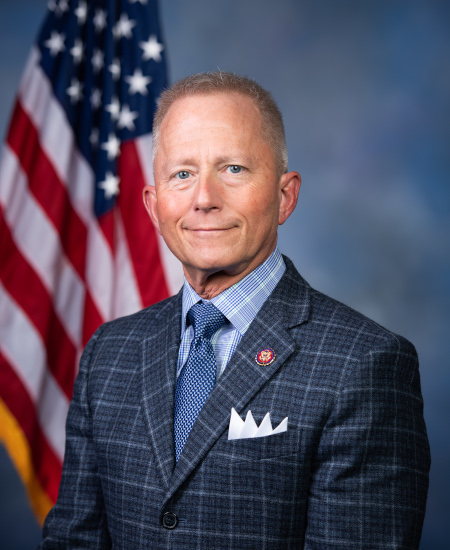
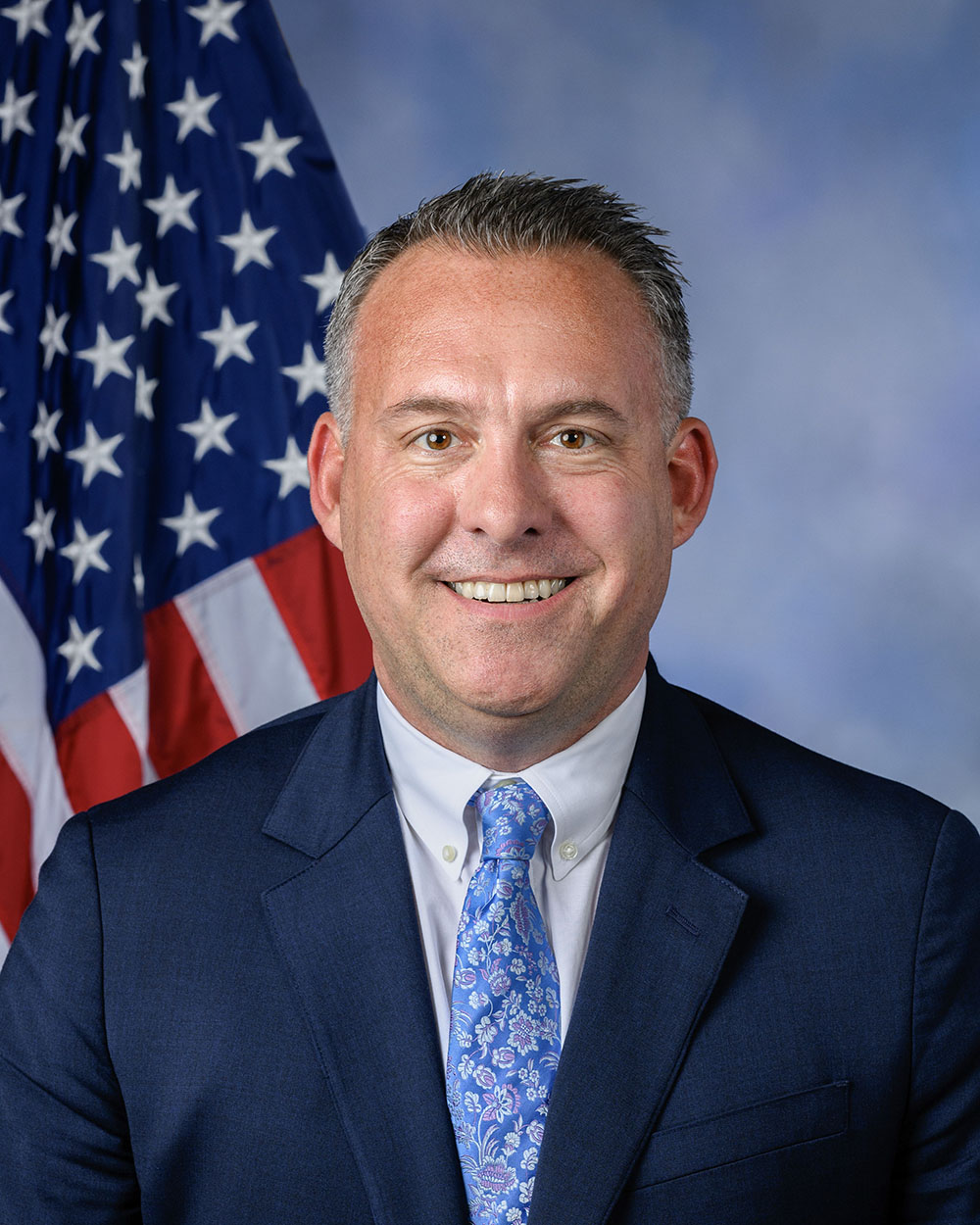
Jefferson Van Drew
100% support rate
Top opponent
Brad Knott
0% support rate
Ranked legislators
10
5 support · 5 oppose
Key legislators

Who's moving mental health in United States

Legislators moving mental health in United States
Legislator Party Stance Support rate Decisive votes
Jefferson Van Drew
Jefferson Van Drew House · District 2
R
Strong +
100% 4
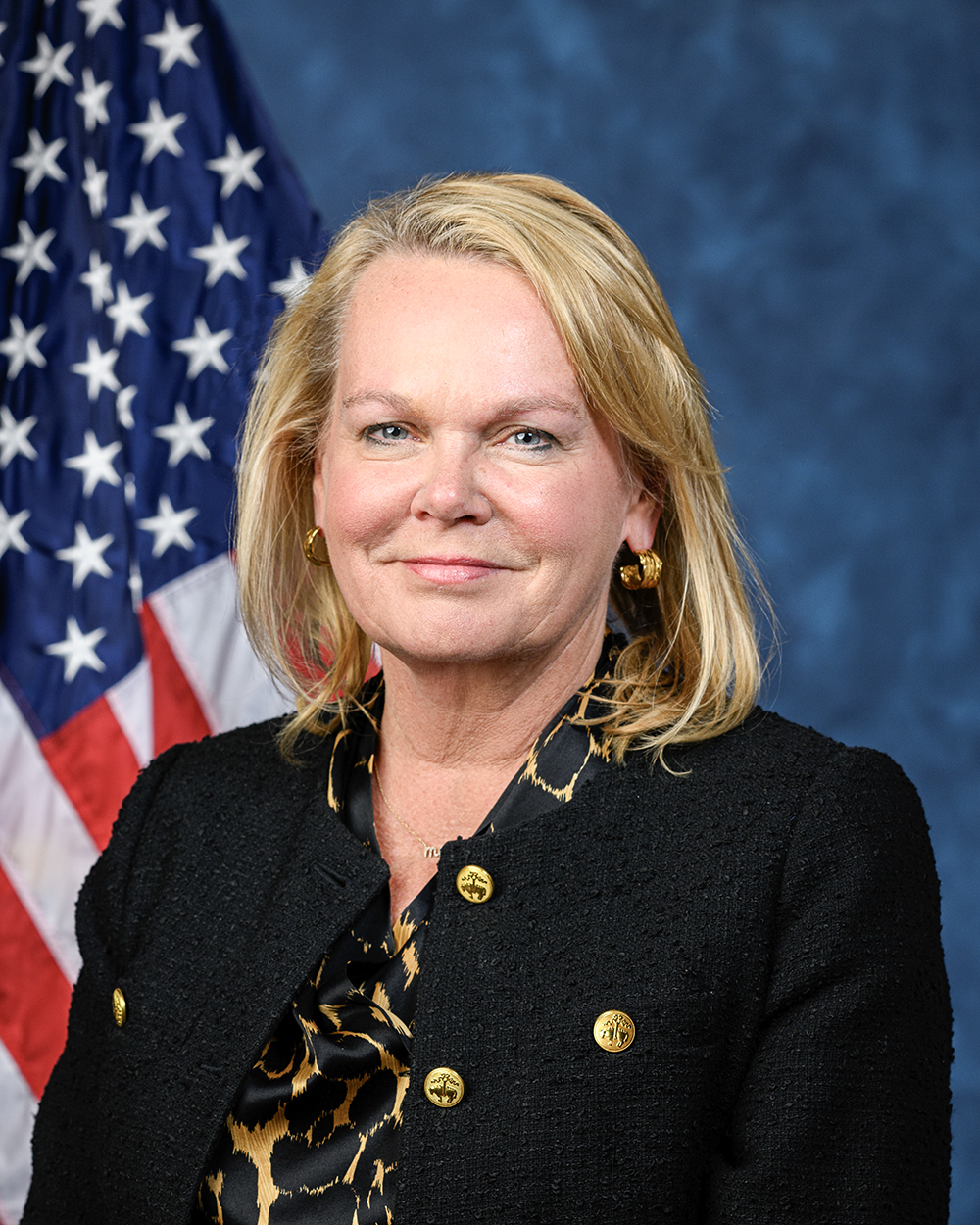
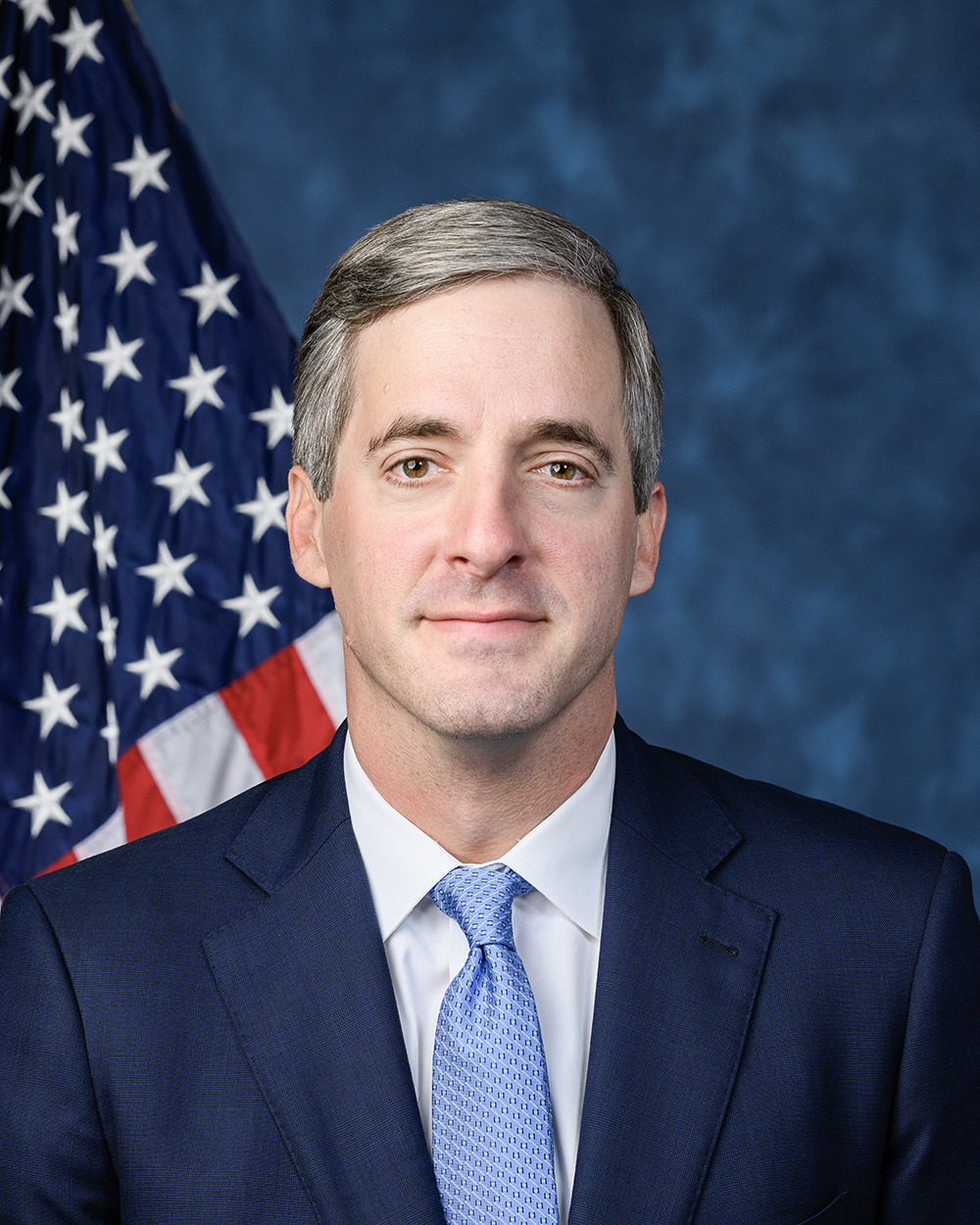
April McClain Delaney
April McClain Delaney House · District 6
D
Strong +
100% 3
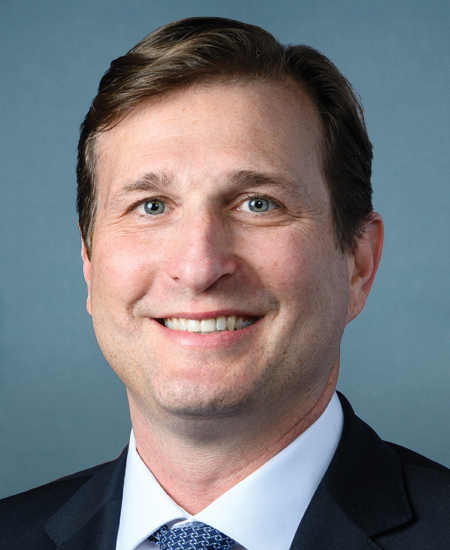
Daniel S. Goldman
Daniel S. Goldman House · District 10
D
Strong +
100% 3
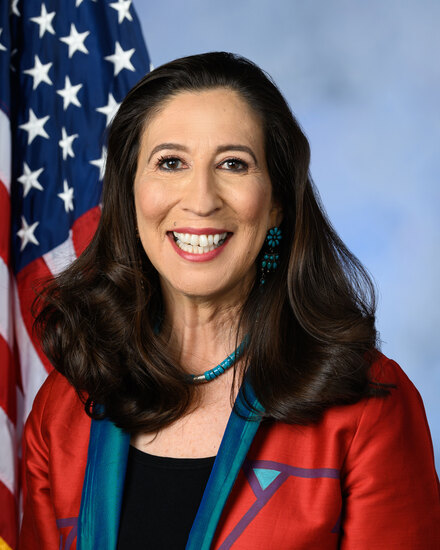
Teresa Leger Fernandez
Teresa Leger Fernandez House · District 3
D
Strong +
100% 3
Adam Gray
Adam Gray House · District 13
D
Support
75% 4
Brad Knott
Brad Knott House · District 13
R
Strong −
0% 4
Keith Self
Keith Self House · District 3
R
Strong −
0% 4
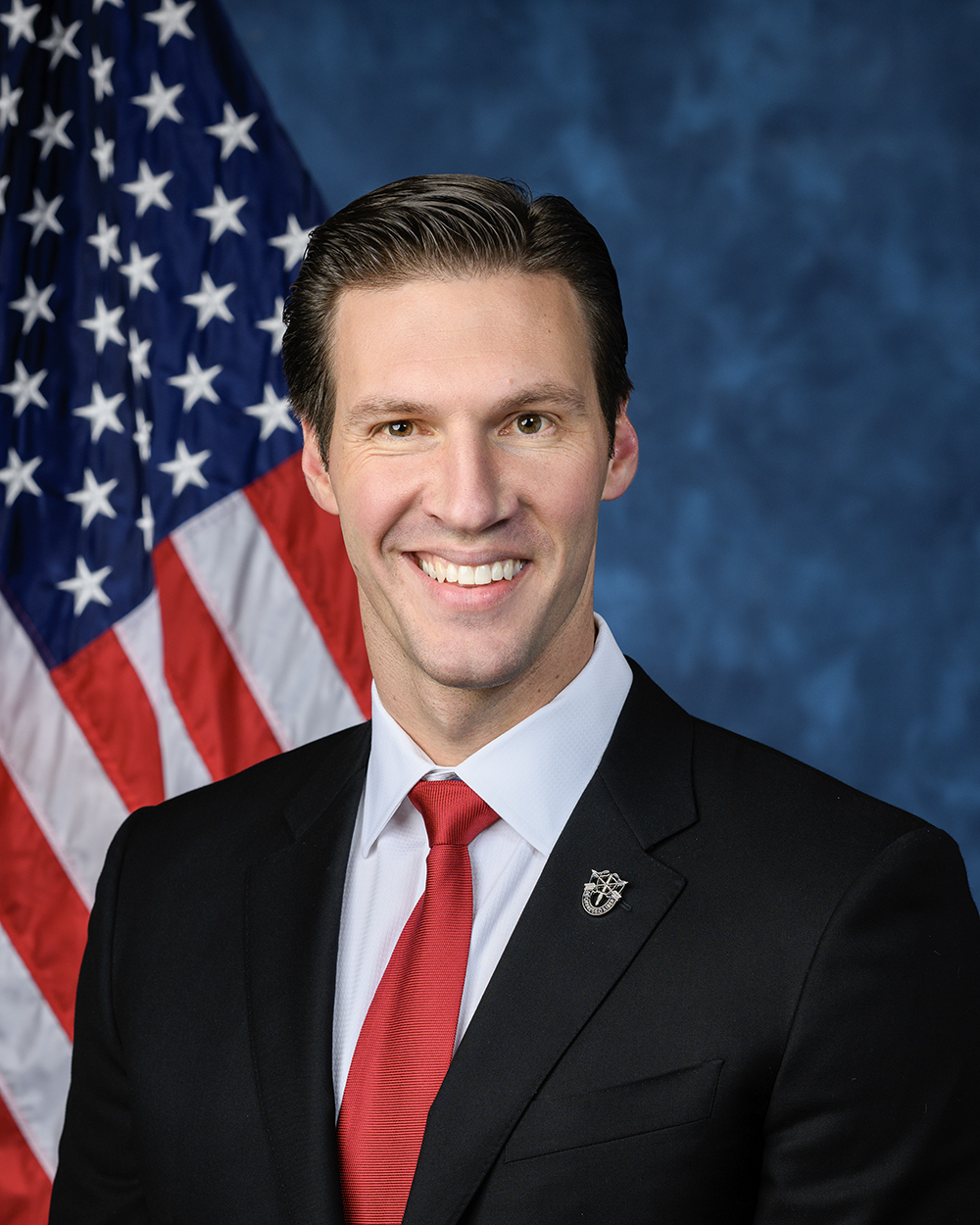
Pat Harrigan
Pat Harrigan House · District 10
R
Strong −
0% 4
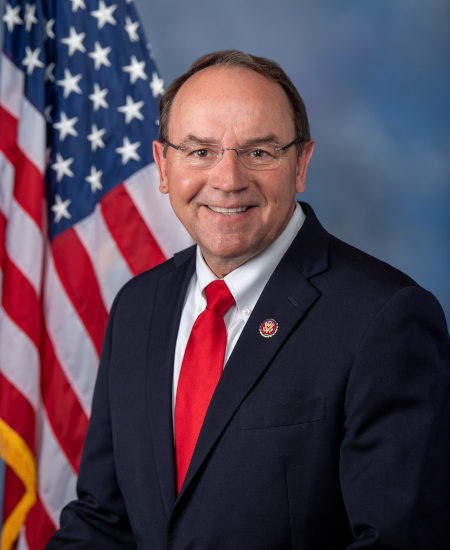
Thomas P. Tiffany
Thomas P. Tiffany House · District 7
R
Strong −
0% 4
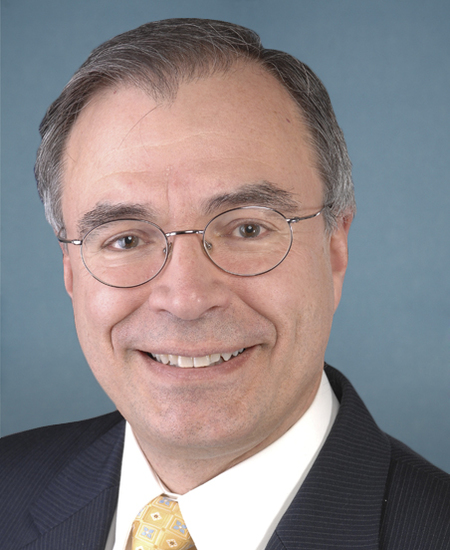
Andy Harris
Andy Harris House · District 1
R
Strong −
0% 3
Showing 131–140 of 440 bills

All healthcare bills

in committee · United States · Senate Mar 25, 2026

S 4202: Mental Health Access and Provider Support Act of 2026

The Mental Health Access and Provider Support Act of 2026 increases Medicare reimbursement rates for psychologists by raising payment percentages from 75 percent to 85 percent of the standard fee schedule. This change directly affects Medicare beneficiaries and psychologists who provide mental health services under the Medicare program. The higher payment rates apply to services furnished on or after January 1, 2027, aiming to improve access to mental health care by increasing provider compensation.
Sub-Topics Medicare Mental Health
in committee · United States · House Apr 20, 2026

HR 7973: Momnibus Act

The Momnibus Act is a comprehensive legislative bill designed to improve maternal health outcomes across the United States by addressing social determinants of health, expanding access to care, and reducing disparities among pregnant and postpartum individuals. The bill establishes a federal task force to coordinate efforts between agencies and stakeholders to eliminate preventable maternal mortality and severe morbidity, while providing sustained funding to community-based organizations to address nonclinical factors like housing, nutrition, and transportation. Key provisions include extending WIC eligibility to 24 months postpartum, creating grants to grow and diversify the perinatal workforce, implementing respectful maternity care training for all healthcare employees, and establishing compliance programs to track and address bias in maternity care settings. The legislation also includes specific measures for incarcerated mothers, veterans, and vulnerable populations affected by climate change, alongside funding for maternal mental health services and technology-enabled care models to expand access in underserved areas.
in committee · United States · Senate Mar 26, 2026

S 4225: DOULA for VA Act of 2026

This bill establishes a five-year pilot program to provide doula support services to pregnant and postpartum women veterans enrolled in the Department of Veterans Affairs. The program aims to improve maternal, mental health, and infant care outcomes by training doulas to advocate for veterans alongside medical teams, with sessions occurring before, during, and after labor and delivery. The pilot will operate in specific Veterans Integrated Service Networks selected based on female veteran enrollment rates and will include targeted support for populations facing higher health risks, such as American Indian or Alaska Native veterans. Funding is authorized through fiscal year 2032, and the VA Secretary must submit annual reports on the program's impact to Congress, including recommendations on whether to expand the initiative.
in committee · United States · House Mar 26, 2026

HR 8124: STOP Suicide Act

The STOP Suicide Act establishes a new grant program to fund stabilization services for individuals experiencing acute suicidal thoughts. These grants will be awarded competitively to eligible entities such as community health centers, crisis centers, schools, and tribal organizations to support evidence-based interventions that reduce immediate suicide risk. The program authorizes up to $30 million annually from 2027 to 2031 and requires recipients to submit plans for sustaining services after grant funding ends. Grants may support outpatient care, virtual services, and peer support in the least restrictive settings appropriate for each individual's needs.
Sub-Topics Mental Health
in committee · United States · House Apr 9, 2026

HR 7976: Moral Injury Recognition and Restitution Act

This bill, known as the Moral Injury Recognition and Restitution Act, changes how the Department of Veterans Affairs handles compensation claims for veterans affected by military sexual trauma. It allows veterans who receive approved claims for mental health conditions or physical injuries caused by such trauma to receive back pay starting from the day after their military discharge rather than from the date their claim was filed. The legislation defines military sexual trauma according to existing legal standards and includes both mental health conditions and physical disabilities resulting from or worsened by the trauma. This change applies retroactively to eligible veterans who have already been approved for compensation benefits.
in committee · United States · Senate Mar 25, 2026

S 4187: Data to Save Moms Act

The Data to Save Moms Act directs the Department of Health and Human Services to provide grants to maternal mortality review committees, prioritizing diverse community members and addressing participation barriers like training and transportation. The bill requires these committees to review cases of severe maternal morbidity and deaths linked to mental health or substance use conditions, while also consulting with community organizations to understand nonclinical factors in pregnancy-related deaths. Additionally, the act mandates a comprehensive review of maternal health data collection processes and quality measures, including a specific study on American Indian and Alaska Native individuals and grants for research at minority-serving institutions to better understand disparities in maternal outcomes.
in committee · United States · House Mar 25, 2026

HR 8070: Child Suicide Prevention Act

This bill establishes two grant programs to reduce child suicide by funding evidence-based training for healthcare providers and educational curricula for medical schools. The first program provides up to $20 million through 2030 to states, hospitals, and healthcare organizations to train providers on suicide risk assessment, intervention strategies, and safe firearm storage practices. The second program allocates $10 million to medical and nursing schools to develop and integrate suicide prevention and lethal means safety content into their curricula. Additionally, the bill authorizes the creation of a public website to share best practices on suicide prevention and firearm safety with healthcare providers, schools, and families.
Sub-Topics Mental Health
in committee · United States · House May 20, 2026

HR 8044: Get Justice-Involved Veterans BACK HOME Act

This bill establishes a pilot program to provide mental health care to incarcerated veterans with service-connected disabilities related to PTSD, traumatic brain injury, or military sexual trauma, focusing on five facilities across different settings. It requires the Department of Veterans Affairs to offer telemental health services or mobile mental health units without charging copayments, while also creating a dedicated hub of VA health care providers for these veterans. Additionally, the bill mandates that federal prisons establish separate housing units for veterans where feasible and automatically resume VA compensation payments upon a veteran's release from incarceration. The legislation also requires the Bureau of Prisons to submit annual reports to Congress on data regarding incarcerated veterans.
in committee · United States · House Mar 26, 2026

HR 8122: 9–8–8 Connect Act

The 9-8-8 Connect Act establishes a new federal funding program to provide follow-up services to individuals who have contacted suicide prevention and crisis intervention hotlines, directly affecting crisis centers that are part of the national network. The bill authorizes $30 million for fiscal year 2027 to help these centers offer check-ins, outreach, family collaboration, and care referrals to people who have recently interacted with crisis services. Additionally, the legislation requires the Federal Communications Commission to create rules ensuring all mobile phone calls and text messages to the 9-8-8 hotline are transmitted, including those from phones without service plans. The act also updates telecommunications laws to allow 9-8-8 to be dialed directly from multi-line telephone systems alongside emergency numbers like 9-1-1.
Sub-Topics Mental Health
in committee · United States · Senate Apr 29, 2026

S 4197: Veterans Outdoor Rehabilitation Act

The Veterans Outdoor Rehabilitation Act establishes a grant program administered by the Department of Veterans Affairs to help state veterans agencies expand access to structured outdoor recreation programs. These grants, with a minimum of $200,000 per state, can be used to develop outdoor activities, partner with local providers, reduce costs for veterans, and coordinate with federal land management agencies. States must submit applications outlining their plans and report annually on participation numbers, veteran demographics, and observed well-being outcomes. The legislation authorizes $10 million annually in funding to support these initiatives aimed at improving physical and mental health through nature-based activities.
Showing 131 to 140 of 440 bills
Previous 1 … 13 14 15 … 44 Next