Issue · Healthcare

Healthcare (Women's Health)

Every healthcare bill, vote, and legislator stance in United States, automatically classified by Maddy, our AI policy reader.

Total bills
302
119th Congress
Top supporter
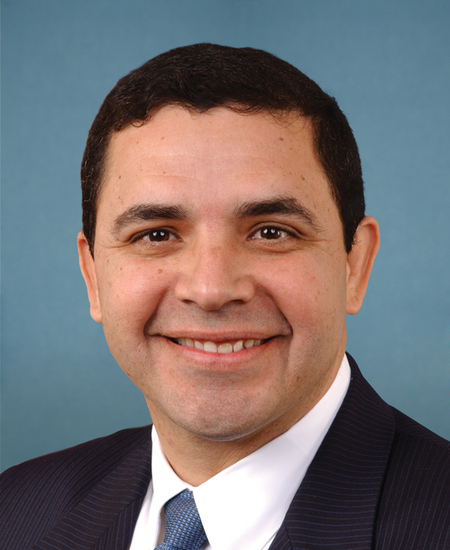
Henry Cuellar
100% support rate
Top opponent
John Garamendi
33% support rate
Ranked legislators
6
5 support · 1 oppose
Key legislators

Who's moving women's health in United States

Legislators moving women's health in United States
Legislator Party Stance Support rate Decisive votes
Henry Cuellar
Henry Cuellar House · District 28
D
Strong +
100% 4
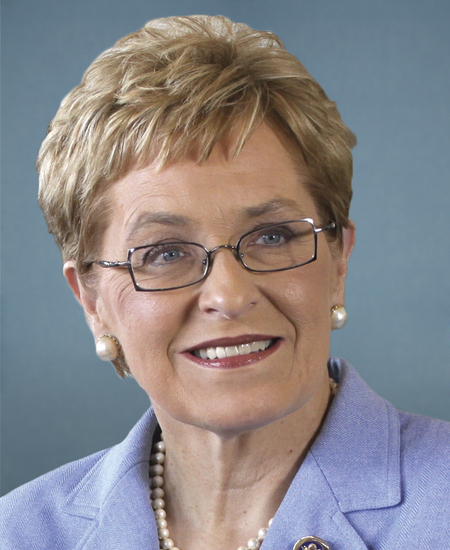
Marcy Kaptur
Marcy Kaptur House · District 9
D
Support
67% 3
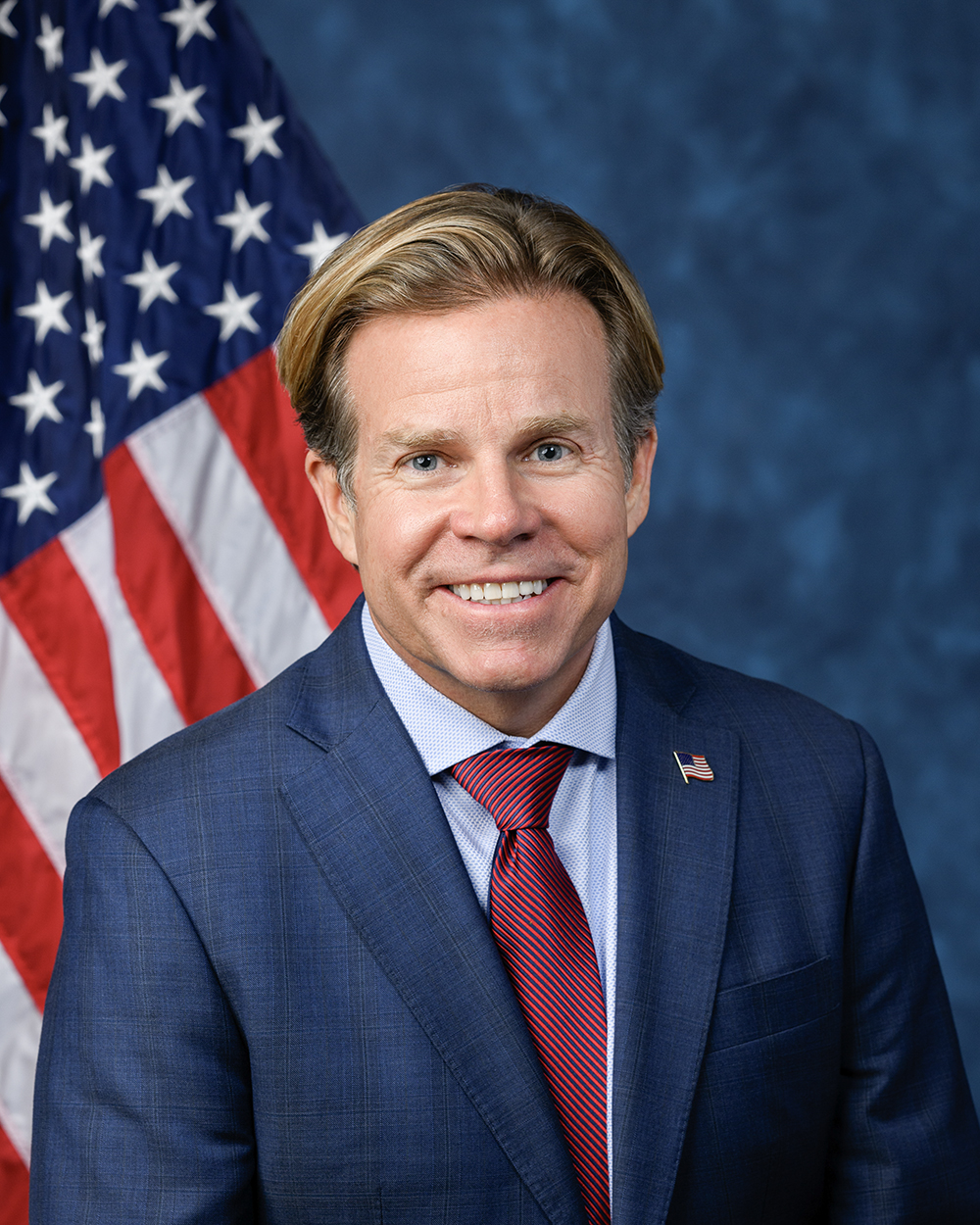
Mike Haridopolos
Mike Haridopolos House · District 8
R
Support
67% 3
Aaron Bean
Aaron Bean House · District 4
R
Mixed
50% 4
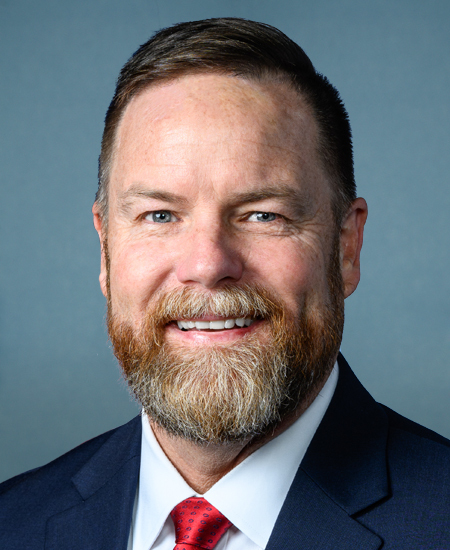
Abraham J. Hamadeh
Abraham J. Hamadeh House · District 8
R
Mixed
50% 4
John Garamendi
John Garamendi House · District 8
D
Oppose
33% 3
Showing 111–120 of 302 bills

All healthcare bills

in committee · United States · House Nov 18, 2025

HR 6096: NEST Act

The NEST Act (HR 6096) requires the federal government to provide newborn supply kits to new mothers, focusing on low-income families and communities with high maternal health risks. These kits include essential items like diapers, postpartum pads, breastfeeding supplies, blood pressure monitors, and health information resources. Funds for the kits come from a $5 million annual set-aside in Social Security Act funding, distributed through grants to community health centers, tribal organizations, and hospitals. Priority is given to rural areas, maternity care deserts, and mothers earning below 185% of the poverty line. The program mandates annual reporting on distribution demographics and health outcomes to Congress.
Sub-Topics Women's Health
in committee · United States · House Jun 12, 2025

HR 3974: Protect Black Women and Girls Act

HR 3974, the Protect Black Women and Girls Act, creates a federal task force to examine systemic challenges faced by Black women and girls (defined as individuals identifying as women, female, or femme). The task force, composed of agency representatives and community experts, will identify effective policies and programs across education, economic opportunity, healthcare, justice, and housing, then recommend improvements to federal, state, and local governments. Key mechanisms include studying issues like school discipline disparities, maternal health outcomes, economic barriers, and over-incarceration, and proposing solutions such as restorative justice programs, career training, and expanded healthcare access. The task force must report annually to Congress and submit final recommendations within two years, focusing on concrete policy changes to improve outcomes.
in committee · United States · Senate Jan 23, 2025

S 205: Protecting Individuals with Down Syndrome Act

Protecting Individuals with Down Syndrome Act This bill creates new federal crimes related to the performance of an abortion on an unborn child who has Down syndrome. It subjects a violator to criminal penalties—a fine, a prison term of up to five years, or both. It also authorizes civil remedies, including damages and injunctive relief. A woman who undergoes such an abortion may not be prosecuted or held civilly liable.
Sub-Topics Women's Health
in committee · United States · House Dec 10, 2025

HCONRES 65: Commending State and local governments for championing reproductive rights as human rights.

This concurrent resolution (HCONRES 65) is a symbolic congressional commendment of state and local governments that have affirmed reproductive rights as human rights. It recognizes efforts by jurisdictions like Carrboro, North Carolina; Austin, Texas; and Fulton County, Georgia, which passed resolutions or proclamations declaring abortion access a human right and condemning criminalization of pregnancy outcomes. The resolution urges states to repeal restrictive abortion laws and protect access to reproductive care, but it does not create new legal requirements or fund programs. As a procedural resolution, it has no binding effect on federal or state law.
Sub-Topics Women's Health
in committee · United States · House Jan 22, 2025

HR 600: WHO is Accountable Act

HR 600, the "WHO is Accountable Act," prohibits U.S. federal funds from supporting the World Health Organization (WHO) until the organization meets eight specific conditions. These include ending perceived Chinese Communist Party influence, ending alleged pandemic cover-ups, granting Taiwan observer status, and halting WHO activities on gender identity, climate change, and abortion access. The bill blocks all U.S. contributions and membership efforts until the State Department certifies WHO compliance. It directly affects U.S. agencies managing international health funding and WHO's operational policies.
in committee · United States · House Mar 27, 2025

HR 2439: Support UNFPA Funding Act

HR 2439 authorizes $50 million for fiscal year 2026 and $55 million for 2027 to fund the United Nations Population Fund (UNFPA), directly supporting its global programs. The bill specifies that these funds will help end preventable maternal deaths, address unmet contraceptive needs, combat gender-based violence, and end harmful practices like child marriage and female genital mutilation. UNFPA operates in over 150 countries, primarily aiding women and girls in developing nations and crisis zones, including those affected by conflict or natural disasters. The bill emphasizes UNFPA’s compliance with U.S. restrictions (not funding abortion) and its role in advancing U.S. strategic interests through voluntary family planning and reproductive health services.
Sub-Topics Women's Health
in committee · United States · House Mar 17, 2026

HRES 1120: Supporting the recognition of March 14, 2026, as "Black Midwives Day" and the longstanding and invaluable contributions of Black midwives to maternal and infant health in the United States.

This resolution supports recognizing March 14, 2026, as Black Midwives Day to honor the contributions of Black midwives to maternal and infant health. It highlights the importance of midwifery in addressing maternal health disparities and the maternity care desert crisis affecting millions of women. The resolution calls for federal and state governments to take actions such as increasing funding for midwifery education, removing regulatory barriers, and expanding insurance coverage for midwifely care. It also encourages efforts to decriminalize midwifery practices and promote culturally competent care to improve health outcomes for Black mothers and infants.
in committee · United States · House Jun 10, 2025

HR 589: FACE Act Repeal Act of 2025

HR 589, the FACE Act Repeal Act of 2025, would repeal a federal law (Section 248 of Title 18, U.S. Code) that prohibited obstructing access to reproductive health care facilities through physical means, intimidation, or violence. This repeal would eliminate the federal criminal penalty for such conduct, meaning federal prosecutors could no longer charge individuals under this specific law. The bill applies to all pending or future federal prosecutions related to these actions. It does not affect state laws that may still regulate access to reproductive health care facilities.
Sub-Topics Women's Health
in committee · United States · House Jan 6, 2025

HR 215: Adoption Information Act

HR 215, the Adoption Information Act, requires family planning services funded under Title V of the Social Security Act to provide pamphlets containing regional adoption center contact information to patients inquiring about medical or abortion services. Specifically, medical professionals must offer a pamphlet listing all adoption centers in the region with their addresses and phone numbers at the time of inquiry, and ensure patients have the opportunity to read it. The Secretary of Health and Human Services must annually update and distribute these pamphlets to all qualifying family planning programs. This provision uses existing Title V funding, with no new funds required for implementation.
Sub-Topics Women's Health
in committee · United States · House Jan 3, 2025

HR 78: Pregnant Women Health and Safety Act of 2025

This bill requires physicians performing abortions to have hospital admitting privileges within 15 miles of the procedure location and to inform patients about nearby facilities for follow-up care if complications arise. It also sets conditions for abortion clinics receiving federal funds, mandating state licensing and compliance with outpatient surgery center standards (excluding certificate-of-need requirements). Violations by physicians could result in fines or up to two years in prison. The bill directly affects healthcare providers and clinics, not pregnant patients, and amends Title 18 of the U.S. Code to establish these requirements.
Showing 111 to 120 of 302 bills
Previous 1 … 11 12 13 … 31 Next