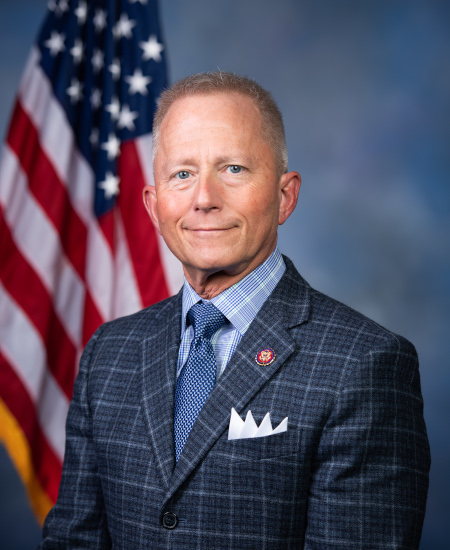
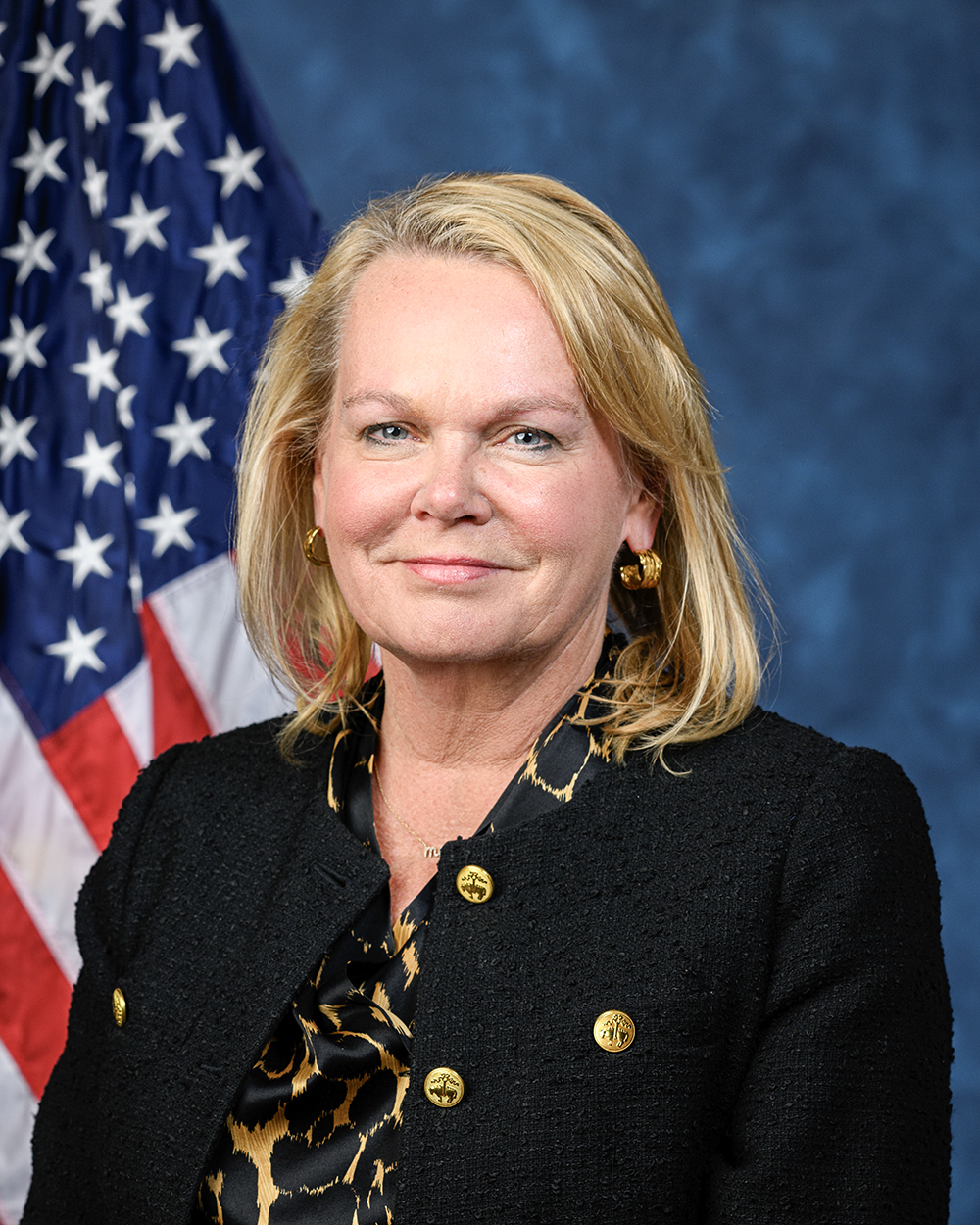
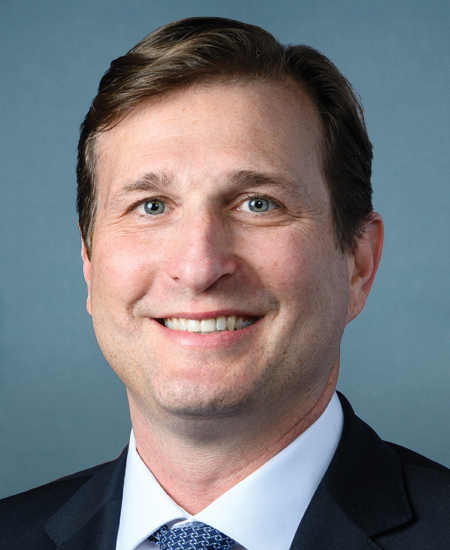
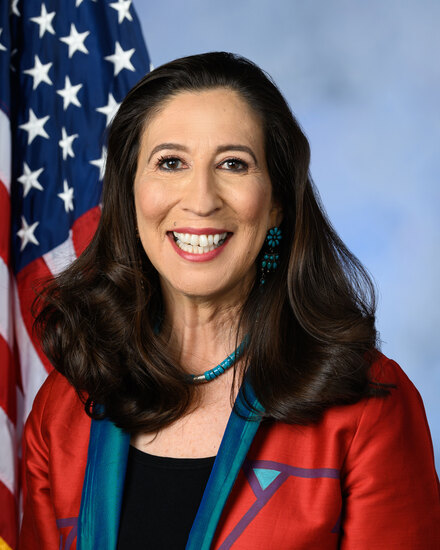
The Supporting the Mental Health of Educators and Staff Act of 2026 aims to improve the well-being of teachers and school employees by establishing federal programs and sharing best practices. The bill directs the Department of Health and Human Services to create an awareness initiative to reduce stigma around seeking mental health care and to distribute evidence-based strategies for preventing suicide and promoting resiliency. It authorizes $45 million over three years to fund grants for schools and universities to implement new mental health programs, offer peer support, and provide professional training on addressing mental health needs. Additionally, the legislation requires the government to conduct a comprehensive review of these efforts and report findings to Congress within two years.
The Moms Matter Act directs the Department of Health and Human Services to create two main grant programs aimed at improving maternal mental health and reducing health disparities among pregnant and postpartum individuals. The first program provides funding to community organizations and healthcare providers to expand services that integrate mental health care into prenatal and postpartum settings, with a specific focus on groups facing higher risks of mortality and morbidity. The second program offers grants to educational institutions to train and recruit a diverse workforce of mental health professionals who specialize in caring for pregnant and postpartum patients. Both initiatives require recipients to submit annual reports on their activities and outcomes, while the legislation authorizes $25 million and $15 million respectively for each program from fiscal years 2027 through 2031.
HRES 1256 is a non-binding resolution that formally recognizes May 6, 2026, as National Maternal Mental Health Awareness Day. The bill aims to raise public understanding about maternal mental health issues, such as depression and anxiety, which disproportionately affect women, military families, and medically underserved communities. It highlights the severe risks of untreated conditions, including increased infant mortality and significant economic costs, while encouraging government agencies and citizens to support awareness programs.
The Moms Matter Act establishes two main grant programs to improve maternal mental health and expand the healthcare workforce dedicated to this field. The first program provides funding to community organizations and healthcare providers to integrate mental health services into prenatal and postpartum care, with a specific focus on groups facing higher risks of poor childbirth outcomes. The second program offers grants to educational institutions to train and recruit more mental health professionals who specialize in maternal care, prioritizing schools that commit to diversity and training on implicit bias. Both initiatives include requirements for regular reporting on how funds are used and their effectiveness in addressing maternal health disparities.
The HELP Act of 2026 directs the Department of Health and Human Services to create a program that strengthens and coordinates 211 services, which provide free information and referrals for health and human services like food assistance and housing. The bill authorizes $250 million annually from 2026 to 2032 to fund grants for state-level 211 networks, requiring recipients to match at least 25% of the funding with local resources. A designated nonprofit administering agency will distribute these funds, oversee coordination between 211, 911, and 988 systems, and run public awareness campaigns to ensure all individuals can access these services regardless of location or disability.
The SMART Community Policing Act expands federal funding for community policing programs to help law enforcement better assist individuals facing mental health crises, homelessness, or substance use disorders. It authorizes the use of COPS funds to create mobile crisis teams staffed with mental health professionals and paramedics, as well as co-responder programs that pair officers with behavioral health clinicians to de-escalate volatile situations. Additionally, the bill supports hiring case management teams to connect people with needed services and help them adhere to treatment plans, aiming to reduce repeated interactions with emergency responders.
The Peer Support for Our First Responders Act of 2026 directs the Department of Health and Human Services to create a temporary working group focused on improving mental health support for law enforcement officers and first responders. This group will examine current peer-to-peer behavioral health programs, considering the unique challenges faced by these workers, and develop updated recommendations for Congress on reducing suicide risk and addressing substance use. The committee will include representatives from federal agencies, local governments, and organizations, as well as law enforcement officers and first responders with direct experience in these programs. Within one year of passing, the group must publish a report with evidence-based findings and minimum standards for effective support, then submit specific proposals to Congress on how to integrate these services into broader healthcare systems. The working group will dissolve after completing its report, though the Secretary may request to reconvene it later if new updates are deemed necessary.
The Ensuring Excellence in Mental Health Act expands federal support for certified community behavioral health clinics (CCBHCs) by modifying how these facilities are funded under Medicaid and Medicare. Under the new rules, states and the federal government will use a prospective payment system to pay CCBHCs based on the cost of providing care rather than per-visit fees, while also extending coverage to additional services like primary health care. The legislation establishes a new grant program to help clinics operate and expand, creates a national data system to track clinic performance, and introduces an accreditation requirement to ensure quality standards are met. Additionally, the bill extends liability protections to clinicians working in these clinics and removes certain financial barriers for Medicare patients seeking care at CCBHCs.
This resolution officially designates the week of April 24 through April 30 as the annual "National Reentry Week" to raise awareness about the challenges formerly incarcerated individuals face when returning to society. The bill highlights the need for better support systems, such as access to housing, education, job training, and mental health services, to help reduce recidivism rates. It encourages the Department of Justice and the Bureau of Prisons to coordinate reentry efforts and engage in related events during this designated week. While the measure does not change laws or allocate funding, it serves to focus national attention on policies that promote successful reintegration and public safety.
This bill authorizes the Attorney General to create a grant program that funds community-based organizations to establish "One Stop Shop" centers for formerly incarcerated individuals. These centers would provide a single location for comprehensive services, including job training, housing assistance, legal aid, and mental health support, while requiring applicants to develop needs assessments and plans for transportation and stakeholder collaboration. Additionally, the legislation authorizes funding for toll-free, 24/7 hotlines that connect people in need with local reentry resources and offer guidance on navigating the system. The program includes strict requirements for data collection and reporting to Congress to track outcomes such as recidivism rates and employment success, with a preference for hiring formerly incarcerated individuals to run these initiatives.