Issue · Healthcare

Healthcare (Medicare)

Every healthcare bill, vote, and legislator stance in United States, automatically classified by Maddy, our AI policy reader.

Total bills
579
119th Congress
Top supporter
Christopher Murphy
88% support rate
Top opponent
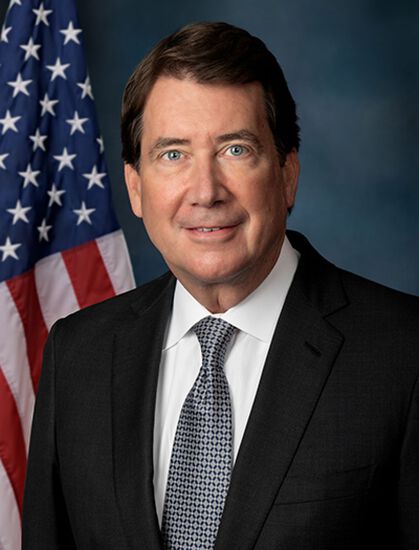
Bill Hagerty
12% support rate
Ranked legislators
10
5 support · 5 oppose
Key legislators

Who's moving medicare in United States

Legislators moving medicare in United States
Legislator Party Stance Support rate Votes
Christopher Murphy
Christopher Murphy Senate
D
Strong +
88% 8
Adam B. Schiff
Adam B. Schiff Senate
D
Support
78% 9
Alex Padilla
Alex Padilla Senate
D
Support
78% 9
Amy Klobuchar
Amy Klobuchar Senate
D
Support
78% 9
Andy Kim
Andy Kim Senate
D
Support
78% 9
Bill Hagerty
Bill Hagerty Senate
R
Strong −
12% 8
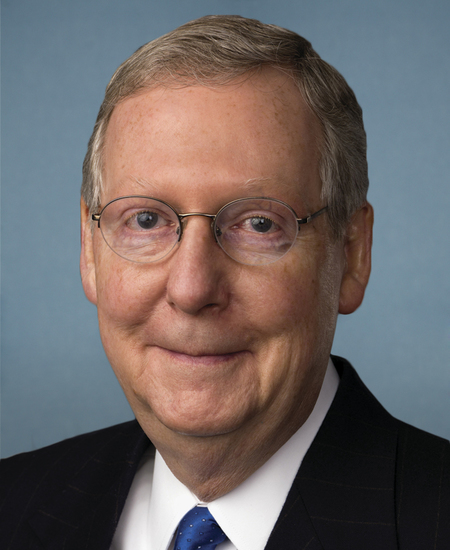
Mitch McConnell
Mitch McConnell Senate
R
Strong −
12% 8
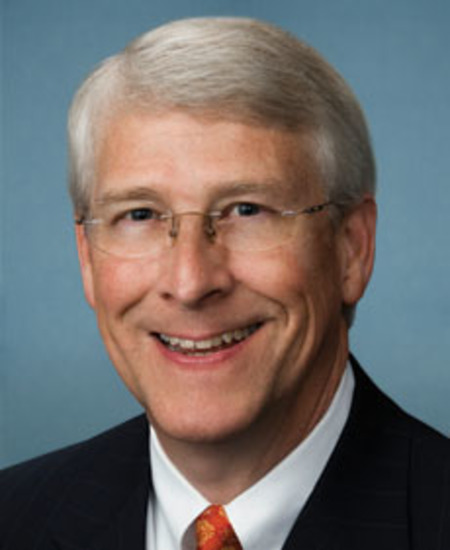
Roger F. Wicker
Roger F. Wicker Senate
R
Strong −
12% 8
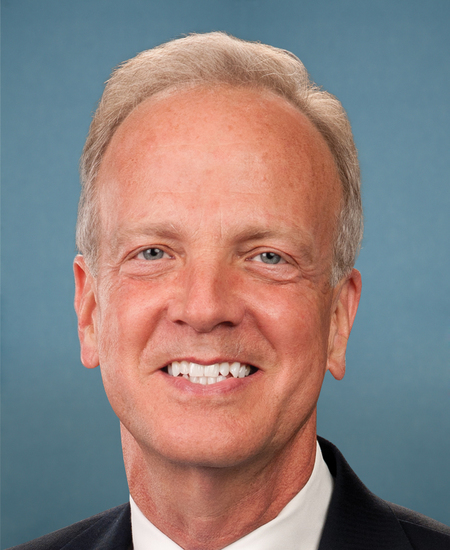
Jerry Moran
Jerry Moran Senate
R
Strong −
14% 7
Ashley Moody
Ashley Moody Senate
R
Oppose
22% 9
Showing 1–10 of 579 bills

All healthcare bills

in committee · United States · House Sep 8, 2026

HR 10311: Health Care Accountability Mission Act of 2026

The Health Care Accountability Mission Act of 2026 allows the Secretary of Health and Human Services to impose civil monetary penalties on for-profit hospitals, critical access hospitals, and rural emergency hospitals that repeatedly fail to meet safety standards in ways that immediately jeopardize patient health. Specifically, a penalty of up to $10,000 per day may be assessed if a hospital has received a similar determination within the previous two years. The bill requires these determinations to be published on a public website maintained by the Centers for Medicare & Medicaid Services and applies existing procedural rules for civil monetary penalties to this new provision.
in committee · United States · House Jul 23, 2026

HR 9946: Equity in STI Testing Act

The Equity in STI Testing Act requires Medicare Advantage, Medicaid, CHIP, TRICARE, and the Department of Veterans Affairs to cover screening tests for HIV, gonorrhea, syphilis, trichomoniasis, and chlamydia without charging beneficiaries any out-of-pocket costs. The bill directly affects patients enrolled in these federal health programs by eliminating copayments and deductibles specifically for these preventive screenings. It also mandates that the Indian Health Service provide these tests to eligible Native Americans at no cost, regardless of whether the services are typically authorized under their purchased or referred care systems. These changes take effect on different timelines depending on the specific program, with some provisions applying immediately upon enactment and others starting in the following calendar year.
in committee · United States · House Aug 13, 2026

HR 10100: Screen to Save Act

The Screen to Save Act requires Medicare, Medicaid, and private health insurance plans to cover annual screening mammography for women aged 30 and older at no cost to the patient. This change takes effect on January 1, 2027, and specifically prohibits insurers from charging copays or deductibles for these screenings. The bill also establishes a frequency limit that prevents Medicare from paying for mammograms performed within 11 months of a previous screening for women over 29.
in committee · United States · House Sep 1, 2026

HR 10209: GREEN Hospitals Act

The GREEN Hospitals Act authorizes $100 billion in Hill-Burton grants for hospitals and other medical facilities to upgrade their infrastructure for climate resilience and emissions reduction. It also establishes a separate $5 billion Planning and Evaluation Grant Program that provides up to $500,000 per project to help states, tribes, and nonprofits develop sustainability plans before construction begins. To receive funding, applicants must demonstrate labor protections, including collective bargaining agreements or non-interference policies, and certify they do not impose training repayment debts on employees. The bill prioritizes projects in environmental justice communities and those serving high numbers of Medicare and Medicaid patients, requiring that at least half of the planning grant funds be directed to these areas.
in committee · United States · House Jul 22, 2026

HR 9832: Medicare Dental Benefit Act of 2026

This bill amends Medicare to cover dental and oral health services for the first time, affecting all current and future Medicare beneficiaries. It defines covered services to include routine cleanings, fillings, extractions, root canals, crowns, dentures, and emergency care. For most individuals, federal payment for these services will gradually increase from 0% to 80% over an eight-year period, while low-income individuals eligible for prescription drug subsidies will receive 80% coverage immediately. The legislation also establishes frequency limits, such as two cleanings and exams per year and a five-year limit on full dentures, and requires the U.S. Preventive Services Task Force to include at least one oral health professional.
in committee · United States · House Aug 31, 2026

HR 10185: Part D Premium Protection Act of 2026

The Part D Premium Protection Act of 2026 would establish a temporary premium credit for Medicare Part D prescription drug plan enrollees in 2027. This credit is designed to match the average premium reduction observed during the Part D Premium Stabilization Demonstration program between January 1, 2025, and the end of 2026. Under the bill's provisions, insurance sponsors would charge enrollees their standard premiums minus this specific credit amount, with the floor set at zero dollars. The Secretary of Health and Human Services would then reimburse the sponsors for the difference between the charged premium and the full applicable rate.
in committee · United States · House Aug 20, 2026

HR 10134: Local Health Care Protection Act of 2026

The Local Health Care Protection Act of 2026 allows certain hospitals to continue participating in the federal drug discount program, known as Section 340B, even if they no longer meet specific financial thresholds related to serving low-income patients. This provision applies to hospitals that were already eligible for the program on July 3, 2025, and protects their access to discounted medications through cost reporting periods ending by September 30, 2030. The bill directly affects rural and underserved hospitals that may lose eligibility due to changes in Medicaid funding or Medicare payment formulas. Additionally, it requires the Government Accountability Office to conduct a study within one year on how these financial criteria are calculated and how declining payments impact essential health services in rural areas.
in committee · United States · House Aug 13, 2026

HR 10087: Cancer Care Planning and Communications Act

The Cancer Care Planning and Communications Act amends Medicare rules to cover new "cancer care planning and coordination services" for beneficiaries diagnosed with cancer. These services require a physician, nurse practitioner, or physician assistant to create a written or electronic treatment plan that addresses medical needs, cultural preferences, and follow-up care at key stages such as diagnosis, the end of active treatment, or disease recurrence. To support this requirement, the bill establishes a specific payment rate for these planning visits, setting it equal to the existing reimbursement for transitional care management services.
in committee · United States · Senate Aug 5, 2026

S 5246: MATCH IT Act of 2026

The MATCH IT Act of 2026 directs the Department of Health and Human Services to create a uniform definition for patient match rates and establish a minimum data set required to accurately link patients with their medical records. These new standards would be integrated into federal health information technology certification criteria and Medicare interoperability program requirements, affecting electronic health record vendors and healthcare providers participating in these programs. To encourage adoption, the bill introduces a voluntary bonus measure within the Medicare Promoting Interoperability Program that allows eligible providers to receive payment adjustments for achieving high patient match rates, such as 90 percent or higher. Additionally, the legislation mandates the creation of an anonymous reporting program where providers can submit matching accuracy data to help the government monitor progress and adjust incentive thresholds over time.
Sub-Topics Medicare
in committee · United States · Senate Aug 7, 2026

S 5365: Community Mental Wellness Worker Training Act

The Community Mental Wellness Worker Training Act authorizes the Department of Health and Human Services to award grants to community behavioral health clinics, mental health centers, and hospitals to train and certify new workers in providing basic mental health screening and counseling. These trained workers would assist individuals with mild to moderate conditions, such as depression or anxiety, by delivering evidence-based interventions that are culturally and linguistically competent. The bill prioritizes funding for entities located in areas with high poverty, unemployment, substance use rates, or significant numbers of dual Medicare-Medicaid beneficiaries. Additionally, the legislation provides legal protections against malpractice suits for participating staff and requires the Secretary to submit interim and final reports to Congress on the number of workers trained and certified through the program.
Showing 1 to 10 of 579 bills
1 2 3 58 Next