Issue · Healthcare

Healthcare (Mental Health)

Every healthcare bill, vote, and legislator stance in United States, automatically classified by Maddy, our AI policy reader.

Total bills
420
119th Congress
Top supporter
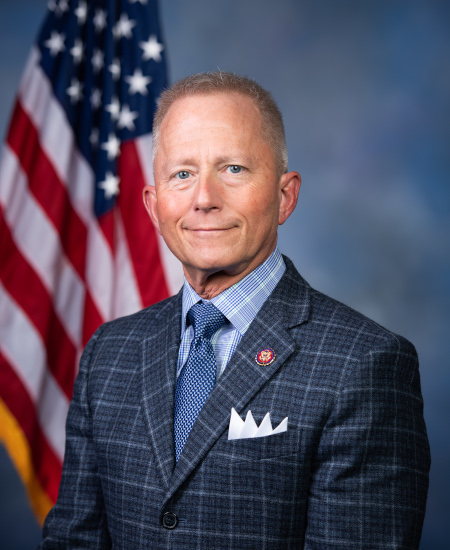
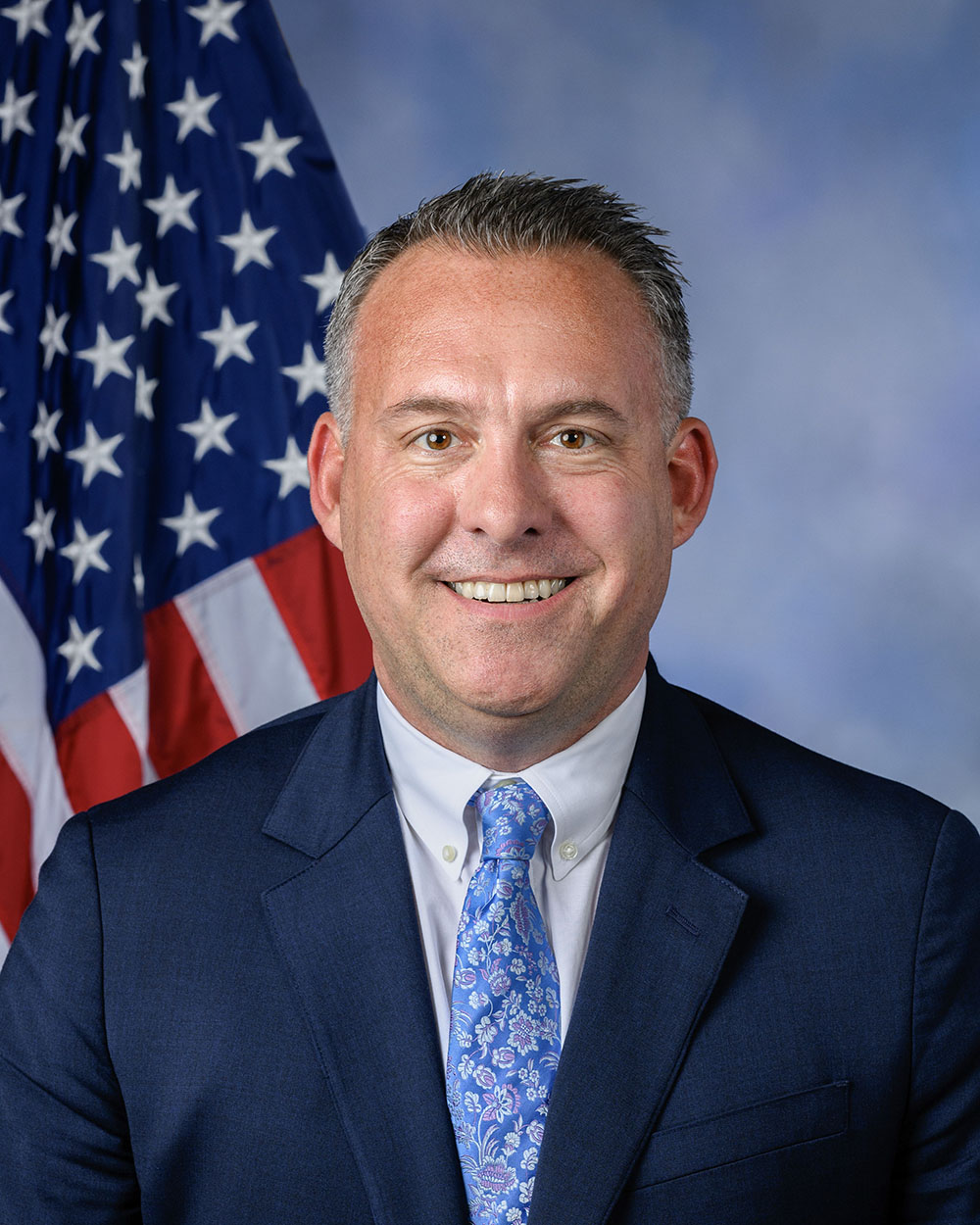
Jefferson Van Drew
100% support rate
Top opponent
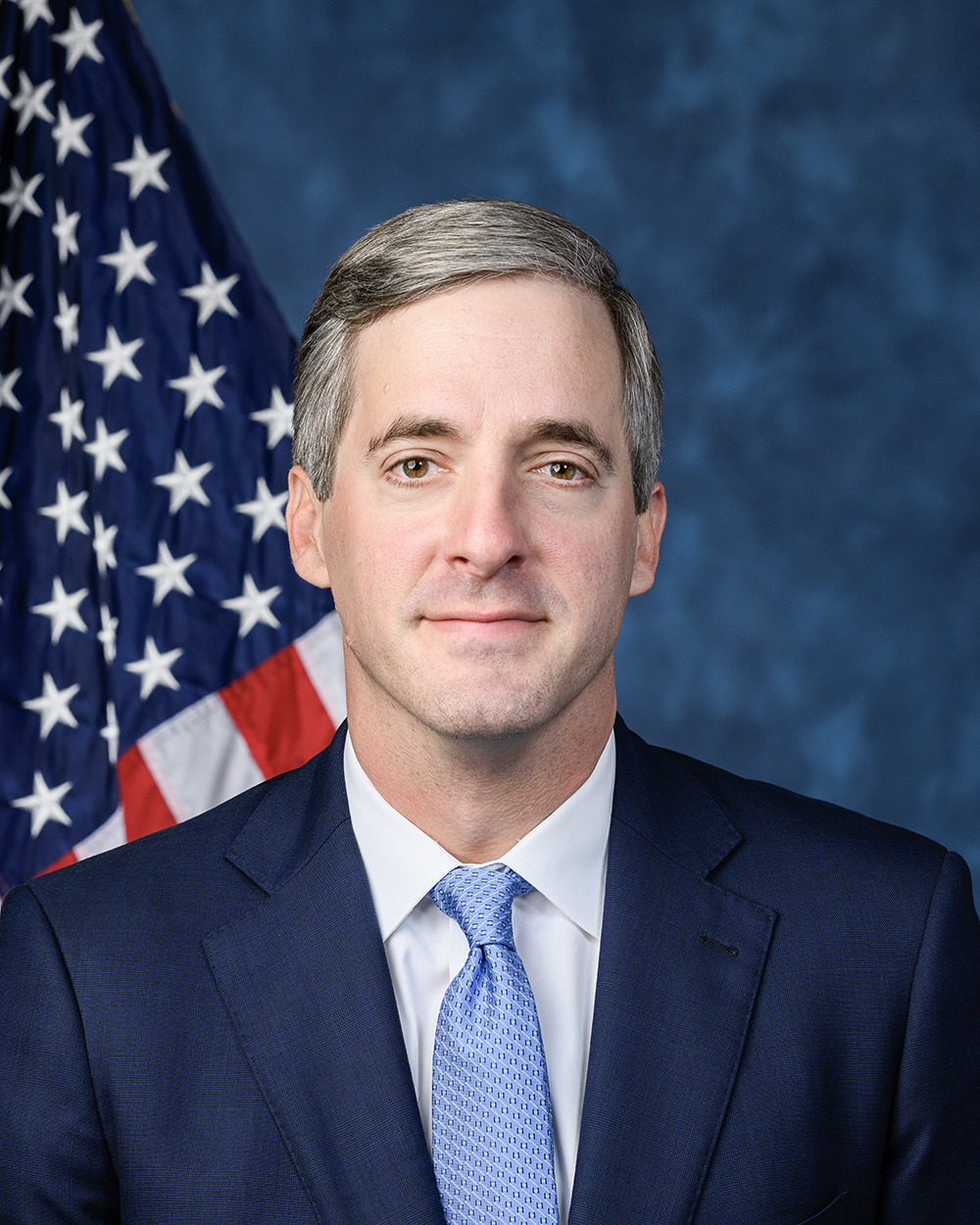
Brad Knott
0% support rate
Ranked legislators
10
5 support · 5 oppose
Key legislators

Who's moving mental health in United States

Legislators moving mental health in United States
Legislator Party Stance Support rate Votes
Jefferson Van Drew
Jefferson Van Drew House · District 2
R
Strong +
100% 4
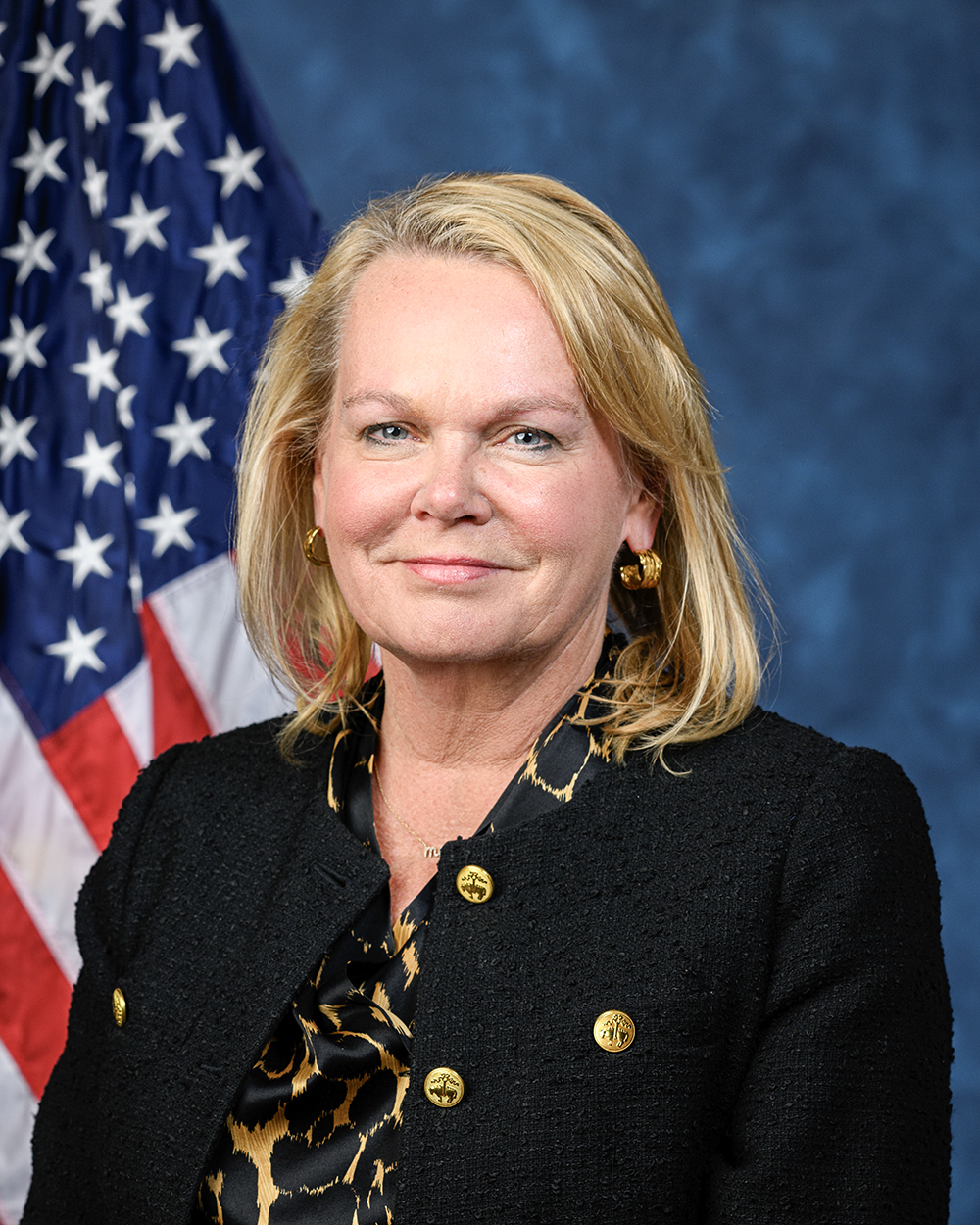
April McClain Delaney
April McClain Delaney House · District 6
D
Strong +
100% 3
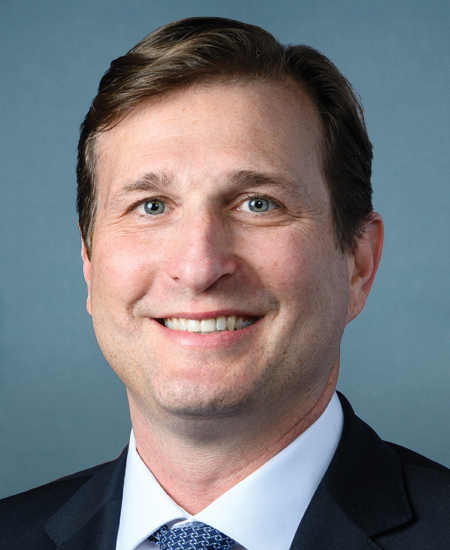
Daniel S. Goldman
Daniel S. Goldman House · District 10
D
Strong +
100% 3
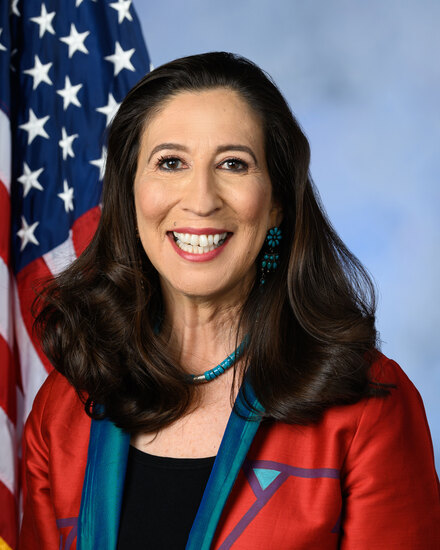
Teresa Leger Fernandez
Teresa Leger Fernandez House · District 3
D
Strong +
100% 3
Adam Gray
Adam Gray House · District 13
D
Support
75% 4
Brad Knott
Brad Knott House · District 13
R
Strong −
0% 4
Keith Self
Keith Self House · District 3
R
Strong −
0% 4
Pat Harrigan
Pat Harrigan House · District 10
R
Strong −
0% 4
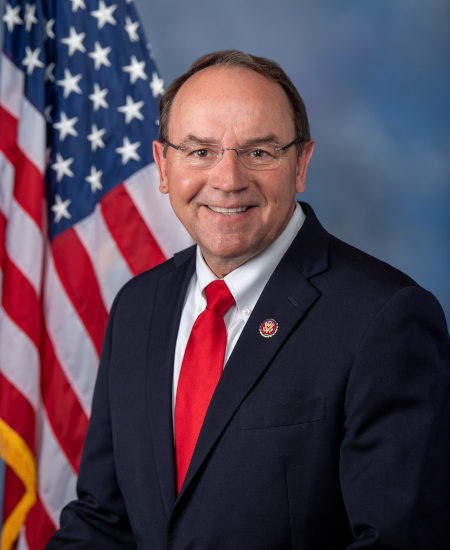
Thomas P. Tiffany
Thomas P. Tiffany House · District 7
R
Strong −
0% 4
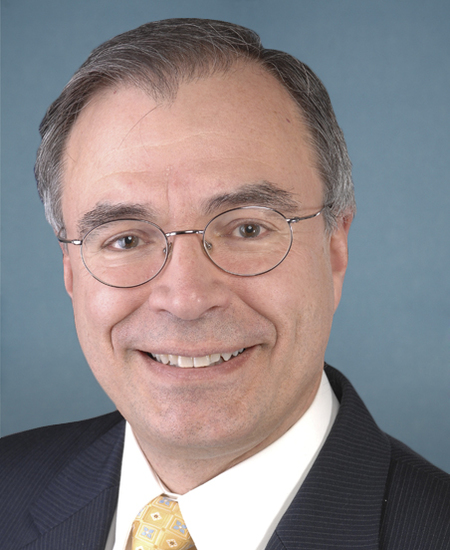
Andy Harris
Andy Harris House · District 1
R
Strong −
0% 3
Showing 1–10 of 420 bills

All healthcare bills

in committee · United States · House Sep 8, 2026

HRES 1514: Recognizing suicide as a serious public health problem, expressing support for the designation of September 8, 2026, as "988 Day" and the role of the 988 Suicide and Crisis Lifeline, and for other purposes.

This House resolution formally recognizes suicide as a significant public health issue in the United States and highlights the impact of the 988 Suicide and Crisis Lifeline on individuals and communities. It commends the establishment of the 988 number as a nationwide three-digit dialing code for crisis support, noting its role in connecting people to mental health resources. The bill supports the designation of September 8, 2026, as "988 Day" to raise awareness about the service and promote access to mental health care. Additionally, it encourages continued public education and federal, state, and local efforts to expand crisis intervention programs for high-risk populations.
in committee · United States · House Sep 10, 2026

HRES 1528: Recognizing suicide as a serious public health problem and expressing support for the designation of September, 2026, as "National Suicide Prevention Month" as well as September 10, 2026, as "World Suicide Prevention Day".

This House resolution formally recognizes suicide as a serious public health problem in the United States and expresses support for designating September 2026 as National Suicide Prevention Month and September 10, 2026, as World Suicide Prevention Day. The bill cites data from the CDC, SAMHSA, and the VA to highlight that suicide is a leading cause of death among young people, veterans, and during the postpartum period, while also noting the significant economic costs associated with it. It declares suicide prevention a national priority and emphasizes that mental health is as important as physical health. The resolution supports the development of strategies to improve access to quality mental health, substance abuse, and suicide prevention services for all communities.
in committee · United States · House Sep 8, 2026

HRES 1519: Supporting the designation of September 17, 2026, as "National Physician Suicide Awareness Day" to raise awareness of, and promote a national discussion about, physician suicide and to reduce the stigma of mental health conditions, and for other purposes.

This House resolution supports designating September 17, 2026, as "National Physician Suicide Awareness Day" to highlight the mental health challenges facing doctors in the United States. The bill cites high levels of stress, burnout, and stigma among physicians as key reasons for establishing this day of reflection and education. It encourages the President to issue a proclamation urging the public to observe the date with awareness campaigns and educational activities. Additionally, the resolution calls for increased research into the barriers that prevent physicians from seeking mental health care.
Sub-Topics Mental Health
in committee · United States · House Aug 17, 2026

HR 10116: Lifeline for First Responders Act

The Lifeline for First Responders Act establishes a new federal grant program administered by the National Highway Traffic Safety Administration to support the mental health and well-being of first responders. The program provides funding to eligible entities, including fire services, emergency medical services agencies, and dispatch centers, at all levels of government. Grant funds may be used for evidence-based stress reduction, suicide prevention, confidential counseling, family support services, and outreach programs aimed at reducing stigma. The bill authorizes $7.5 million in appropriations annually for fiscal years 2028 through 2032 to carry out these initiatives.
Sub-Topics Mental Health Tags Public Safety
in committee · United States · House Sep 3, 2026

HR 10245: 9–8–8 and 9–1–1 Integration Act

The 9-8-8 and 9-1-1 Integration Act directs the Secretary of Health and Human Services to establish a multidisciplinary panel that will develop recommendations for training and protocols for emergency dispatchers. The primary goal is to ensure that individuals experiencing behavioral health or substance use crises are connected to appropriate care services rather than being met solely by law enforcement. The panel must consider integrating the 9-8-8 crisis line with the 9-1-1 system, utilizing standardized assessment tools to evaluate caller needs, and implementing training on cultural competency and implicit bias. Additionally, the legislation requires the creation of data collection standards to track response outcomes and disparities while protecting caller privacy, with reports submitted to Congress upon the release of recommendations and every five years thereafter.
Sub-Topics Law Enforcement Mental Health Tags Public Safety
in committee · United States · House Jul 27, 2026

HR 9959: Green New Deal for Public Schools Act

The Green New Deal for Public Schools Act directs over $700 billion in federal funding to public schools, prioritizing those serving the most vulnerable communities based on CDC social vulnerability rankings. The legislation establishes a new Office of Sustainable Schools and authorizes grants for "healthy green retrofits" that convert school buildings into zero-carbon facilities with clean air, water, and energy systems, while also providing funds to hire additional educators, mental health professionals, and support staff. Additionally, the bill mandates increased federal funding for special education under the Individuals with Disabilities Education Act and creates a climate resiliency program that allows schools to function as community centers during natural disasters. All grant recipients must adhere to strict labor standards, including prevailing wage requirements, Buy American provisions, and local hiring goals that prioritize residents of the surrounding community.
in committee · United States · House Sep 3, 2026

HR 10295: 9-8-8 Call Center Improvement Act

The 9-8-8 Call Center Improvement Act directs the Secretary of Health and Human Services to provide grants to new or existing crisis call centers that serve regional or local communities. These funds are intended to help centers purchase or upgrade technology, train staff, improve daily operations, and hire additional personnel. The bill authorizes $441 million in appropriations for fiscal year 2027 to support these efforts, with the money remaining available until it is fully spent.
Sub-Topics Mental Health
in committee · United States · House Sep 1, 2026

HR 10212: PEPTIDES for Veterans Act

The PEPTIDES for Veterans Act directs the Secretary of Veterans Affairs to review existing federal regulations regarding peptides and submit a report within 180 days that establishes specific definitions for peptides and peptide-based therapies. Following this initial review, the Department must conduct an 18-month study on the safety and efficacy of these treatments for veterans, focusing on conditions such as chronic pain, mental health, and rehabilitation needs. If the study concludes that these therapies should be made available, the Secretary is required to launch a pilot program lasting up to five years to evaluate their effectiveness in real-world clinical settings. The bill ultimately aims to determine whether peptide-based therapies can be integrated into standard care for veterans based on the findings from the mandated research and pilot evaluation.
in committee · United States · House Sep 1, 2026

HR 10210: Doctors Not AI Act of 2026

The Doctors Not AI Act of 2026 prohibits health insurance plans from using artificial intelligence systems to issue or dictate adverse benefit determinations that involve clinical judgment, such as decisions based on medical necessity or treatment appropriateness. Instead, these determinations must be made by a licensed healthcare professional who conducts an independent evaluation of the patient's specific medical circumstances without deferring to AI outputs. The bill requires insurers to disclose in written notices if any AI system was used during the review process and mandates that detailed documentation regarding the AI's role and outputs be maintained as part of the administrative record, available to patients upon request. Additionally, the legislation classifies the use of AI in utilization review as a treatment limitation for parity purposes, ensuring it is evaluated equally across mental health and medical-surgical benefits under existing federal laws.
in committee · United States · House Sep 3, 2026

HR 10293: Rural Emergency Hospital Designation Improvement Act

The Rural Emergency Hospital Designation Improvement Act expands Medicaid coverage for services provided by rural emergency hospitals and allows these facilities to offer additional inpatient units for psychiatric, rehabilitation, and obstetric care. It also creates a pathway for existing facilities that operate similarly to rural emergency hospitals to convert their status by waiving certain requirements, while permitting them to provide skilled nursing "swing bed" services under specific agreements. To support financial sustainability, the bill increases Medicare payments for diagnostic laboratory tests performed at these hospitals by 5 percent starting in 2027 and ensures that facilities reverting to critical access hospital status can regain their necessary provider designation. Additionally, the legislation designates rural emergency hospitals as health professional shortage areas to facilitate National Health Service Corps placements and includes them in the Small Rural Hospital Improvement Program grant eligibility.
Showing 1 to 10 of 420 bills
1 2 3 42 Next