Issue · Healthcare

Healthcare (Insurance)

Every healthcare bill, vote, and legislator stance in United States, automatically classified by Maddy, our AI policy reader.

Total bills
32
119th Congress
Top supporter
Adam B. Schiff
90% support rate
Top opponent
Jerry Moran
0% support rate
Ranked legislators
10
5 support · 5 oppose
Key legislators

Who's moving insurance in United States

Legislators moving insurance in United States
Legislator Party Stance Support rate Votes
Adam B. Schiff
Adam B. Schiff Senate
D
Strong +
90% 10
Alex Padilla
Alex Padilla Senate
D
Strong +
90% 10
Amy Klobuchar
Amy Klobuchar Senate
D
Strong +
90% 10
Andy Kim
Andy Kim Senate
D
Strong +
90% 10
Angela D. Alsobrooks
Angela D. Alsobrooks Senate
D
Strong +
90% 10
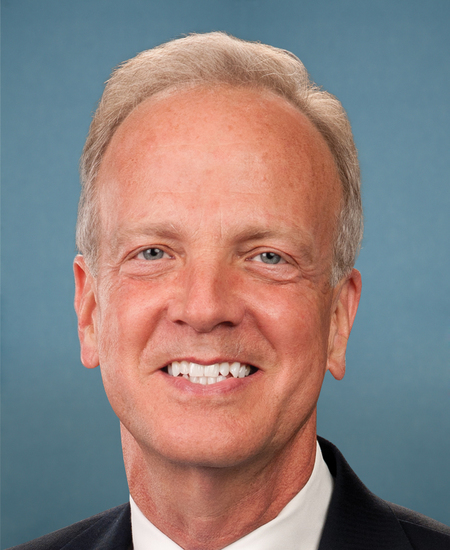
Jerry Moran
Jerry Moran Senate
R
Strong −
0% 8
Ashley Moody
Ashley Moody Senate
R
Strong −
10% 10
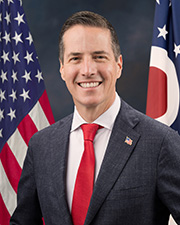
Bernie Moreno
Bernie Moreno Senate
R
Strong −
10% 10
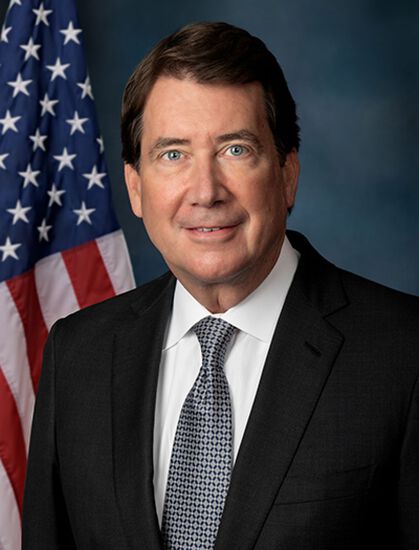
Bill Hagerty
Bill Hagerty Senate
R
Strong −
10% 10
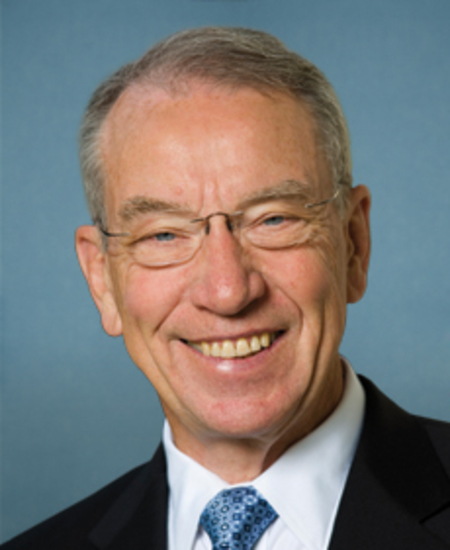
Chuck Grassley
Chuck Grassley Senate
R
Strong −
10% 10
Showing 1–10 of 32 bills

All healthcare bills

in committee · United States · Senate Jul 16, 2026

S 5030: TRUTH in Coverage Act of 2026

The TRUTH in Coverage Act of 2026 requires group health plans and health insurance issuers that cover gender-affirming procedures to also cover medical services aimed at treating the physical and psychological harms caused by those procedures. This mandate applies regardless of whether the original procedure was covered under the plan and ensures that follow-up care has the same cost-sharing rules and limitations as other standard medical benefits. The bill defines "sex-rejecting procedures" broadly to include hormone therapy, surgeries, and puberty blockers, while explicitly excluding treatments for intersex conditions, precocious puberty, and emergency care. Coverage for these restorative services would become effective for plan years starting on or after January 1, 2027.
Sub-Topics Insurance
in committee · United States · House Jul 21, 2026

HR 9798: Employer Health Plan Flexibility Act

The Employer Health Plan Flexibility Act would allow certain employer-sponsored group health plans to opt out of the Affordable Care Act's requirement to cover specific Essential Health Benefits. This exemption applies to plans governed by the Employee Retirement Income Security Act and would take effect for plan years starting on or after January 1, 2028. While exempt from those specific coverage mandates, the bill explicitly states that employers must still comply with other federal rules, including those regarding mental health parity, nondiscrimination, and preventive services. To ensure transparency, employers claiming this exemption must annually inform their employees about the benefits included in their plan and identify any Essential Health Benefits that are not covered.
in committee · United States · House Mar 5, 2026

HR 7817: No Federal Tax Dollars for Illegal Aliens Health Insurance Act of 2026

This bill, titled the No Federal Tax Dollars for Illegal Aliens Health Insurance Act of 2026, amends the Affordable Care Act to restrict the use of federal taxpayer funds for health insurance coverage. It directly affects states that receive funding under the ACA and individuals seeking health insurance coverage through federal programs. The key provision prohibits states from using pass-through funding to pay for health insurance or related benefits for individuals who are not U.S. citizens, nationals, or lawfully present aliens. Additionally, the bill requires the Secretary of Health and Human Services to rescind any existing waivers that would have allowed such funding for unauthorized individuals had the new restrictions been in place at the time of approval.
in committee · United States · House Mar 27, 2025

HR 2445: Ensuring Medicaid Eligibility Act of 2025

The Ensuring Medicaid Eligibility Act of 2025 prohibits the implementation of a 2024 rule that would have streamlined Medicaid application and enrollment processes. It requires states to verify U.S. citizenship or immigration status before enrolling individuals in Medicaid and mandates quarterly verification of income-based eligibility for those relying on income calculations. The bill also blocks federal funding for Medicaid coverage for certain non-citizens, including parolees, Temporary Protected Status (TPS) recipients, Deferred Action for Childhood Arrivals (DACA) recipients, asylum seekers, and individuals granted withholding of removal. These provisions directly affect non-citizen Medicaid applicants and require states to adjust enrollment and verification procedures.
in committee · United States · House Jun 3, 2025

HR 3467: To amend title XVIII to reform the Medicare Advantage program.

HR 3467 reforms Medicare Advantage (MA) by requiring most plans to use fixed payments per member (capitated payments) starting in 2028, with exceptions for existing plans and special needs plans. It modifies payments by reducing blended benchmarks, changing how health status risk adjustments are calculated (using only face-to-face/telehealth diagnoses), and eliminating quality-based payment increases. The bill mandates automatic enrollment into the lowest-premium MA plan for eligible beneficiaries starting in 2028, with a 3-year enrollment lock-in period unless a hardship event occurs. Additionally, it requires MA plans to include hospice care coverage (with a 2028 transition exception) and adds an exception for durable medical equipment and Part D drugs under the Stark Law.
in committee · United States · House Jan 3, 2025

HR 127: Protection from Obamacare Mandates and Congressional Equity Act

This bill modifies the Affordable Care Act (ACA) by creating a new exemption for individuals living in counties with fewer than two health insurance issuers offering plans on the marketplace. It also changes health coverage rules for congressional staff, members of Congress, the President, Vice President, and certain political appointees: they can enroll in exchange plans but cannot receive government contributions for premiums, tax credits, or reduced cost-sharing benefits available to other enrollees. The bill clarifies that Congress is not considered a "small employer" for exchange coverage purposes. These provisions directly affect residents in limited-insurance areas and specific federal employees regarding their health coverage options under the ACA.
Sub-Topics Insurance
in committee · United States · House Jan 22, 2025

HR 7: No Taxpayer Funding for Abortion and Abortion Insurance Full Disclosure Act of 2025

HR 7 prohibits federal funds from being used for abortions or health insurance plans covering abortion, with exceptions for pregnancies resulting from rape, incest, or when a woman's life is endangered. It blocks federal premium tax credits under the Affordable Care Act for health plans covering abortion (except in specified cases) and requires clear disclosure of abortion coverage and related surcharges in plan materials. The bill allows individuals or employers to purchase separate abortion coverage using non-federal funds, such as out-of-pocket payments, without affecting federal subsidies. It directly affects federal health programs, ACA marketplace plans, and health insurance issuers offering coverage that includes abortion services.
in committee · United States · House Dec 4, 2025

HR 6420: ACCESS Act

HR 6420 (the ACCESS Act) defines and regulates "short-term limited duration insurance" (STLDI) as health coverage with a contract term under 12 months and total duration under 3 years, including renewals. The bill changes existing health care rules to allow STLDI to be marketed as a temporary coverage option during transitions like job changes, specifically for small businesses and workers needing flexible, affordable plans while avoiding full-year coverage requirements. This directly affects small business owners and employees seeking portable, low-cost health insurance during coverage gaps, without requiring the full benefits of standard plans.
Sub-Topics Insurance Tags Small Business
in committee · United States · House Feb 10, 2025

HR 1157: ACCESS Act

This bill allows individuals enrolled in silver-level health plans through the Affordable Care Act marketplace to opt for health savings account (HSA) contributions instead of reduced cost-sharing subsidies. Insurers would deposit funds directly into the enrollee’s HSA (equal to the value of the standard cost-sharing reduction) rather than the government paying the subsidy. It requires insurers to offer high-deductible plan alternatives to silver plans and mandates public education about HSA options starting in 2026. The policy change applies to months beginning after December 2025, shifting how cost-sharing support is delivered to eligible enrollees.
Sub-Topics Insurance
in committee · United States · House Jan 3, 2025

HR 114: Responsible Path to Full Obamacare Repeal Act

HR 114, the "Responsible Path to Full Obamacare Repeal Act," would repeal the Patient Protection and Affordable Care Act (ACA) and the Health Care and Education Reconciliation Act of 2010, effective October 1, 2025. This bill directly affects all Americans covered by the ACA's provisions, including those using health insurance marketplaces, Medicaid expansions, and essential health benefits. The key mechanism is the complete removal of these laws, restoring pre-2010 health care regulations as if the ACA had never been enacted. The bill does not introduce new rules but eliminates the existing framework governing health insurance coverage and subsidies.
Sub-Topics Insurance Medicaid
Showing 1 to 10 of 32 bills
1 2 3 4 Next