Issue · Environment

Environment

Every environment bill, vote, and legislator stance in United States, automatically classified by Maddy, our AI policy reader.

Total bills
496
119th Congress
Top supporter
Martin Heinrich
84% support rate
Top opponent
Marsha Blackburn
11% support rate
Ranked legislators
10
5 support · 5 oppose
Key legislators

Who's moving environment in United States

Legislators moving environment in United States
Legislator Party Stance Support rate Votes
Martin Heinrich
Martin Heinrich Senate
D
Strong +
84% 215
Adam B. Schiff
Adam B. Schiff Senate
D
Support
79% 231
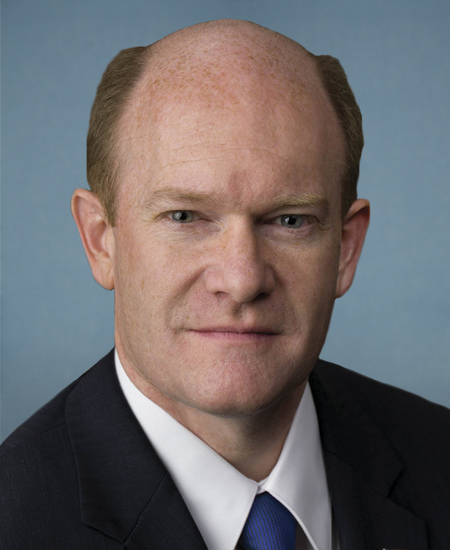
Christopher A. Coons
Christopher A. Coons Senate
D
Support
79% 229
Jeanne Shaheen
Jeanne Shaheen Senate
D
Support
78% 232
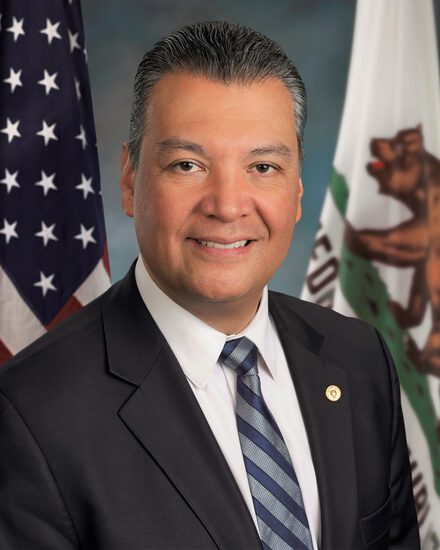
Alex Padilla
Alex Padilla Senate
D
Support
78% 232
Marsha Blackburn
Marsha Blackburn Senate
R
Strong −
11% 211
Ted Budd
Ted Budd Senate
R
Strong −
20% 220
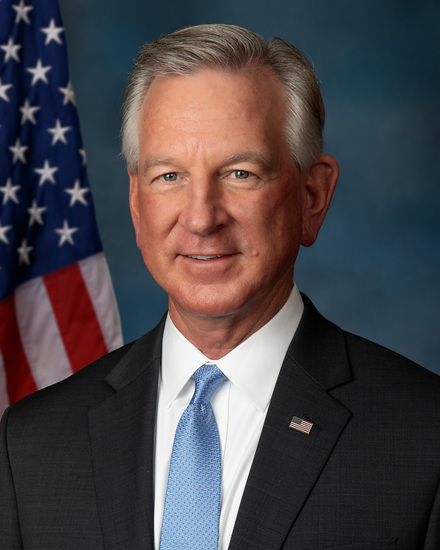
Tommy Tuberville
Tommy Tuberville Senate
R
Oppose
21% 229
Bill Cassidy
Bill Cassidy Senate
R
Oppose
22% 221
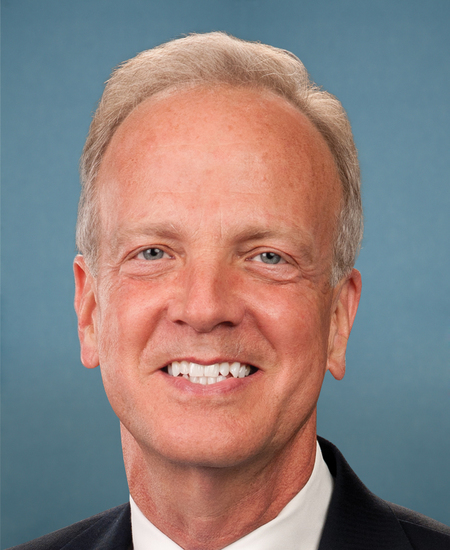
Jerry Moran
Jerry Moran Senate
R
Oppose
23% 228
Showing 351–360 of 496 bills

All environment bills

in committee · United States · House Feb 9, 2026

HR 7452: Air Quality Act

HR 7452, titled the "Air Quality Act" (though it addresses weather modification, not air quality), prohibits all weather modification activities in the U.S., including cloud seeding, geoengineering, and stratospheric aerosol injection, for individuals, companies, and federal agencies. It imposes criminal penalties of up to $100,000 or 5 years in prison per violation, plus civil fines of $10,000 per violation, and requires new reporting systems for aircraft involved in such activities and public complaints to the EPA. The bill repeals all existing federal laws, regulations, or executive orders authorizing weather modification and bans all federal research or experimentation on weather modification. It defines "weather modification" broadly to include any atmospheric alteration affecting weather, climate, or sunlight.
Sub-Topics Air Quality
in committee · United States · House May 20, 2025

HR 513: Offshore Lands Authorities Act of 2025

HR 513, the Offshore Lands Authorities Act of 2025, reverses multiple existing presidential protections that blocked oil and gas leasing on offshore federal lands. It nullifies 8 specific presidential withdrawals (including areas in the Arctic, Atlantic, Gulf of Mexico, and Pacific) and restricts future presidential actions by limiting withdrawals to 150,000 acres per action, capping them at 20 years, and requiring Congressional approval for cumulative withdrawals exceeding 500,000 acres. The bill mandates that before any withdrawal, the Secretary must complete four assessments covering mineral resources, economic/energy value, revenue impacts, and national security. It also establishes a fast-track process for Congress to disapprove withdrawals within 20 days, with limited debate (10 hours) on the resolution.
in committee · United States · House Feb 7, 2025

HJRES 38: Providing for congressional disapproval under chapter 8 of title 5, United States Code, of the rule submitted by the Environmental Protection Agency relating to "Phasedown of Hydrofluorocarbons: Management of Certain Hydrofluorocarbons and Substitutes Under the American Innovation and Manufacturing Act of 2020".

HJRES 38 is a joint resolution seeking congressional disapproval of an Environmental Protection Agency (EPA) rule implementing the American Innovation and Manufacturing (AIM) Act. The rule manages the phasedown of hydrofluorocarbons (HFCs), potent greenhouse gases used in refrigeration and air conditioning, under the AIM Act of 2020. If approved, this resolution would block the EPA rule from taking effect, preventing its implementation of HFC management requirements. This is a procedural disapproval under the Congressional Review Act, not a new law, and directly affects the EPA’s regulatory authority over HFCs.
Sub-Topics Conservation
in committee · United States · House Jun 9, 2025

HR 3845: To amend the Endangered Species Act of 1973 to expand the exemption process under section 7 of that Act with respect to national security and significant adverse national or regional economic impacts.

HR 3845 amends the Endangered Species Act to expand when federal agencies or project applicants can seek exemptions from species protection requirements. It allows exemptions if a project might harm endangered species but would either impair national security or cause significant adverse national/regional economic impacts. The bill adds new criteria requiring consultation with the National Security Council and National Economic Council before finalizing such exemptions. This change directly affects federal agencies, state governors, and project applicants seeking to bypass ESA protections for certain projects.
in committee · United States · House Jan 23, 2025

HR 676: To exempt Federal actions related to energy and mineral activities on certain Federal lands from the requirements of the National Environmental Policy Act of 1969.

This bill (HR 676) would exempt specific federal permits and leases for energy and mineral projects on certain public lands from the environmental review process required under the National Environmental Policy Act (NEPA). It removes the need for environmental assessments when the government issues or renews leases under the Mineral Leasing Act for oil, gas, or coal development, or permits under the Mining Law of 1872 for critical minerals on lands open to mineral entry. The exemption applies only to these designated actions on federal lands where mineral extraction is permitted. This policy change directly affects energy and mining companies seeking to develop resources on such lands by eliminating a mandatory environmental review step.
in committee · United States · House Jan 3, 2025

HR 106: LIST Act of 2025

HR 106, the LIST Act of 2025, amends the Endangered Species Act to streamline the delisting of species. It requires the Secretary of the Interior to remove species from protection lists when recovery goals are met or when substantial evidence shows the species has recovered, and to address cases where listing was based on inaccurate, fraudulent, or misleading information. The bill mandates faster action (within 90 days) for species wrongly listed and prohibits judicial review of positive findings on such errors. It also updates 5-year review processes to explicitly consider recovery criteria or listing errors. This directly affects species currently listed under the Endangered Species Act and the administrative procedures used by the Department of the Interior.
Sub-Topics Wildlife
in committee · United States · Senate Feb 11, 2025

S 530: WEST Act of 2025

S 530, the WEST Act of 2025, repeals a specific Bureau of Land Management (BLM) rule titled "Conservation and Landscape Health" (88 Fed. Reg. 19583, April 3, 2023). The bill directly affects the BLM by nullifying the legal force of this 2023 regulation. It contains no new provisions or policy changes, only the repeal of an existing rule. This is a procedural legislative action with no direct impact on the public, businesses, or other entities.
in committee · United States · House Apr 10, 2025

HR 2867: Farmer First Fuel Incentives Act

HR 2867, the "Farmer First Fuel Incentives Act," modifies tax credits for clean fuel production under the Internal Revenue Code. It requires that feedstocks used for qualifying fuel must be produced or grown in the U.S. (effective 2025), excludes indirect land use change emissions from lifecycle calculations (effective 2026), and extends the clean fuel production credit deadline from 2027 to 2034. These changes directly affect renewable fuel producers seeking tax credits under Section 45Z by altering eligibility rules, emissions calculations, and the program's timeline. The bill aims to prioritize domestic feedstocks and adjust emissions accounting for clean fuel tax incentives.
in committee · United States · Senate Jul 23, 2025

S 2390: Unlocking Housing Supply Through Streamlined and Modernized Reviews Act

This bill streamlines environmental reviews for certain housing projects under the National Environmental Policy Act (NEPA). It reclassifies HUD-funded housing activities into three categories: some (like tenant assistance) become fully exempt from review, others (like rehabbing small buildings) get simplified "categorical exclusion" status if they don’t alter environmental conditions, and infill projects (new construction on previously disturbed urban land surrounded by development) receive streamlined review. The bill directly affects HUD housing programs, developers of infill projects, and local governments managing housing approvals. It aims to reduce review times and administrative costs, with HUD required to report annually on these impacts, particularly for affordable housing.
in committee · United States · House Nov 28, 2025

HR 6327: Rural Housing Regulatory Relief Act

HR 6327, the Rural Housing Regulatory Relief Act, exempts certain rural housing projects from requiring environmental reviews under the National Environmental Policy Act (NEPA). It applies specifically to construction or modifications on "infill sites" (defined as sites with existing water, sewer, and road infrastructure, excluding greenfield areas or high-risk flood/fire zones) using USDA housing programs like Section 502 or 515. The bill removes the need for NEPA reviews for these projects, aiming to speed up housing development. It also requires the USDA Secretary to report to Congress within five years on whether the exemption reduced review times, costs, and impacts on rural affordable housing. This change directly affects rural housing providers and applicants under the specified USDA programs.
Showing 351 to 360 of 496 bills
Previous 1 35 36 37 50 Next