Issue · Environment

Environment

Every environment bill, vote, and legislator stance in United States, automatically classified by Maddy, our AI policy reader.

Total bills
1,975
119th Congress
Top supporter
Martin Heinrich
84% support rate
Top opponent
Marsha Blackburn
11% support rate
Ranked legislators
10
5 support · 5 oppose
Key legislators

Who's moving environment in United States

Legislators moving environment in United States
Legislator Party Stance Support rate Votes
Martin Heinrich
Martin Heinrich Senate
D
Strong +
84% 215
Adam B. Schiff
Adam B. Schiff Senate
D
Support
79% 231
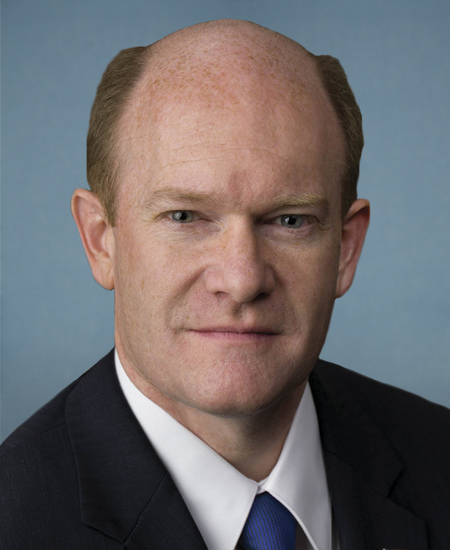
Christopher A. Coons
Christopher A. Coons Senate
D
Support
79% 229
Jeanne Shaheen
Jeanne Shaheen Senate
D
Support
78% 232
Alex Padilla
Alex Padilla Senate
D
Support
78% 232
Marsha Blackburn
Marsha Blackburn Senate
R
Strong −
11% 211
Ted Budd
Ted Budd Senate
R
Strong −
20% 220
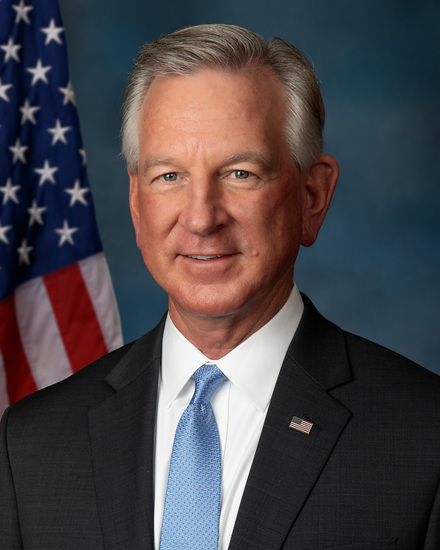
Tommy Tuberville
Tommy Tuberville Senate
R
Oppose
21% 229
Bill Cassidy
Bill Cassidy Senate
R
Oppose
22% 221
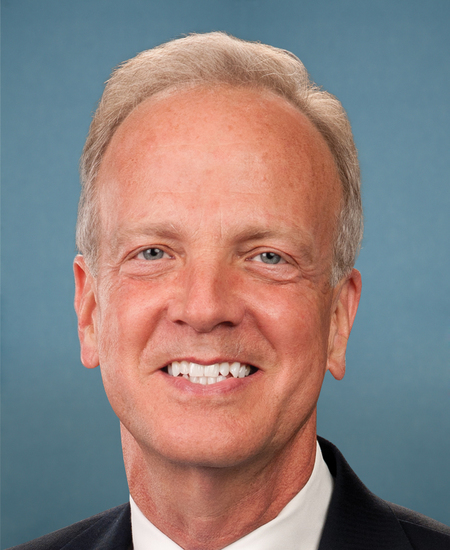
Jerry Moran
Jerry Moran Senate
R
Oppose
23% 228
Showing 1,911–1,920 of 1,975 bills

All environment bills

in committee · United States · House Jun 25, 2025

HR 4134: Flood Resiliency and Land Stewardship Act

HR 4134 amends the Regional Conservation Partnership Program (RCPP) under the Food Security Act of 1985 to expand its conservation goals. The bill updates the program's purpose to specifically prioritize regional conservation efforts focused on soil health, water protection (including drinking water sources), flood/drought mitigation, and wildlife/agricultural land conservation. This change directly affects farmers, ranchers, and landowners participating in the RCPP by broadening the types of projects eligible for program funding. The key mechanism is revising the statutory language to explicitly include these new conservation priorities within the existing RCPP framework.
in committee · United States · House May 8, 2025

HR 3293: Support Water-Efficient Strategies and Technologies Act of 2025

HR 3293, the Support Water-Efficient Strategies and Technologies Act of 2025, increases financial support for farmers and ranchers adopting water-saving agricultural practices. The bill allows up to 85% of costs for drought-resilient farming (like dryland systems), water conservation methods (reducing irrigation use), and perennial crop systems (such as long-term grain or forage crops). It also modifies existing conservation programs to better account for income loss during transitions to these practices and adds requirements for soil health outreach and testing. The changes apply to participants in USDA conservation programs under the Food Security Act of 1985, with a $200,000 payment cap over five years for any single entity.
Sub-Topics Conservation Tags Agriculture
in committee · United States · House Mar 10, 2025

HJRES 76: Providing for congressional disapproval under chapter 8 of title 5, United States Code, of the rule submitted by the Environmental Protection Agency relating to "Updates to New Chemicals Regulations Under the Toxic Substances Control Act (TSCA)".

HJRES 76 is a congressional resolution seeking to block an Environmental Protection Agency (EPA) rule that updated regulations for reviewing new chemicals under the Toxic Substances Control Act (TSCA). The bill targets the specific rule published in the Federal Register on December 18, 2024 (89 Fed. Reg. 102773), which would have modified how the EPA evaluates new chemical substances for safety. If passed, this resolution would use the statutory process under Chapter 8 of Title 5, U.S. Code, to formally disapprove the EPA rule, preventing it from taking effect. This resolution directly affects the EPA’s authority to regulate new chemical submissions and does not create new regulations itself.
Sub-Topics Drinking Water
in committee · United States · House Feb 12, 2025

HJRES 43: Providing for congressional disapproval under chapter 8 of title 5, United States Code, of the rule submitted by the Environmental Protection Agency relating to "New Source Performance Standards Review for Volatile Organic Liquid Storage Vessels (Including Petroleum Liquid Storage Vessels)".

HJRES 43 is a procedural resolution seeking congressional disapproval of an Environmental Protection Agency (EPA) rule. It targets the EPA's "New Source Performance Standards Review for Volatile Organic Liquid Storage Vessels" rule (published in the Federal Register on October 15, 2024), which established emissions standards for storage tanks at oil and chemical facilities. The resolution, if passed, would nullify this EPA rule, preventing it from taking effect and directly affecting petroleum and chemical storage facilities required to comply with the emissions standards. This is a formal disapproval action under federal law, not a new policy.
Sub-Topics Oil & Gas Air Quality
in committee · United States · Senate Mar 3, 2025

SJRES 29: A joint resolution providing for congressional disapproval under chapter 8 of title 5, United States Code, of the rule submitted by the Environmental Protection Agency relating to "Air Plan Approval; Ohio; Withdrawal of Technical Amendment".

This joint resolution (SJRES 29) seeks congressional disapproval of an Environmental Protection Agency (EPA) rule related to Ohio's air quality regulations. Specifically, it targets the EPA's "Air Plan Approval; Ohio; Withdrawal of Technical Amendment" rule published in the Federal Register on January 21, 2025 (90 Fed. Reg. 6811). If approved, the resolution would block this EPA rule from taking effect, directly affecting Ohio's implementation of its state air quality plan. The mechanism uses Chapter 8 of Title 5, U.S. Code, which establishes procedures for Congress to reject federal agency rules.
Sub-Topics Air Quality
in committee · United States · Senate Dec 11, 2025

S 3457: Clean Water Standards for PFAS Act of 2025

The Clean Water Standards for PFAS Act of 2025 requires the Environmental Protection Agency (EPA) to establish new water quality standards and industry-specific limits for PFAS chemicals (commonly called "forever chemicals") by 2028. It sets specific deadlines for the EPA to publish these standards for targeted industries, including plastics manufacturing and electroplating by 2026, textile mills and landfills by 2027, and leather tanning and paint manufacturing by 2028. The bill mandates immediate monitoring of PFAS discharges from these industries and other entities like airports, and requires the EPA to adopt a standardized testing method by January 2026. Additionally, it authorizes $200 million annually for five years to help wastewater treatment plants address PFAS contamination.
in committee · United States · House Jun 13, 2025

HR 3928: Improving Water Quality Certifications and American Energy Infrastructure Act

This bill amends Section 401 of the Clean Water Act to clarify and streamline water quality certifications for energy infrastructure projects. It requires states and the EPA to publish certification requirements within 30 days of enactment, set strict 90-day deadlines for requesting missing information, and base decisions solely on specific Clean Water Act sections (301, 302, 303, 306, 307). The changes replace vague terms like "water quality requirements" with precise references to these sections and mandate written explanations for certification decisions. It directly affects states, interstate agencies, and the EPA as they process certification requests for projects like pipelines or power plants.
in committee · United States · House Apr 24, 2025

HRES 346: Expressing the need for protecting and conserving at least 50 percent of the land, freshwater, and ocean ecosystems in the United States and encouraging diplomatic community efforts to achieve this goal worldwide.

HRES 346 is a non-binding congressional resolution expressing support for protecting and conserving at least 50% of U.S. land, freshwater, and ocean ecosystems. It urges Congress to advance this goal while encouraging international diplomatic efforts to achieve similar conservation targets globally. The resolution cites scientific evidence on biodiversity loss (including a 73% average decline in wildlife populations since 1970) and emphasizes that protecting natural areas provides climate mitigation, economic, and public health benefits. It references E.O. Wilson’s scientific estimate that protecting half the Earth’s surface would preserve 85% of species, and notes the need for equitable implementation to address historical disparities in conservation impacts. As a resolution, it does not create new laws or funding but formally states congressional support for this conservation target.
Sub-Topics Conservation Wildlife
in committee · United States · Senate Jan 28, 2026

S 3713: No Climate Treaties Act of 2026

This bill requires the U.S. Senate to provide advice and consent for any international climate agreement that involves legally binding domestic emissions reductions (like the Paris Agreement), treating such agreements as treaties under the Constitution. It directly affects the executive branch and federal agencies by blocking the use of federal funds to implement or comply with these agreements unless Senate approval is first obtained. The key mechanism is changing the process for entering climate agreements from executive action to a formal treaty ratification process. This would prevent the U.S. government from joining or rejoining international climate deals without Senate confirmation. The bill does not alter the content of climate agreements but changes how they are approved and funded.
Sub-Topics Climate Change
in committee · United States · House Nov 18, 2025

HR 6098: Climate Solutions Act of 2025

The Climate Solutions Act of 2025 establishes binding national targets to reduce U.S. greenhouse gas emissions. It requires electric utilities to generate 100% renewable electricity by 2035 and sets cumulative annual energy efficiency targets for electricity (reaching 11.25% savings by 2032) and natural gas (reaching 4.05% savings by 2032). The bill mandates the EPA to set annual emissions reduction targets, requiring U.S. net emissions to be 52% below 2005 levels by 2035 and reach net zero by 2050. These provisions directly affect energy providers, utilities, and all consumers through new federal standards for renewable energy adoption and efficiency improvements.
Showing 1,911 to 1,920 of 1,975 bills