Issue · Environment

Environment

Every environment bill, vote, and legislator stance in United States, automatically classified by Maddy, our AI policy reader.

Total bills
1,975
119th Congress
Top supporter
Martin Heinrich
84% support rate
Top opponent
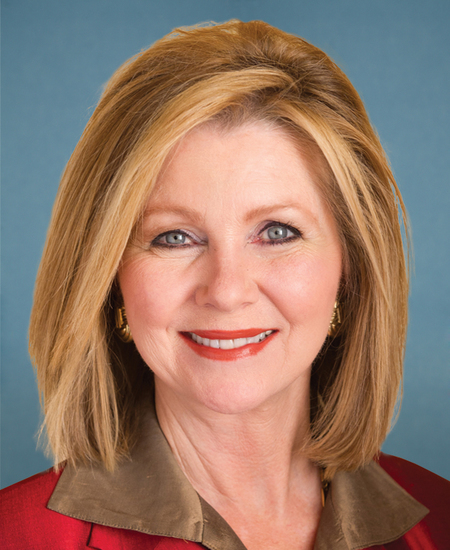
Marsha Blackburn
11% support rate
Ranked legislators
10
5 support · 5 oppose
Key legislators

Who's moving environment in United States

Legislators moving environment in United States
Legislator Party Stance Support rate Votes
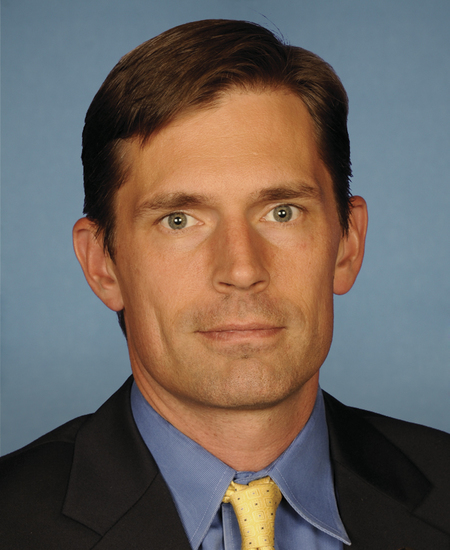
Martin Heinrich
Martin Heinrich Senate
D
Strong +
84% 215
Adam B. Schiff
Adam B. Schiff Senate
D
Support
79% 231
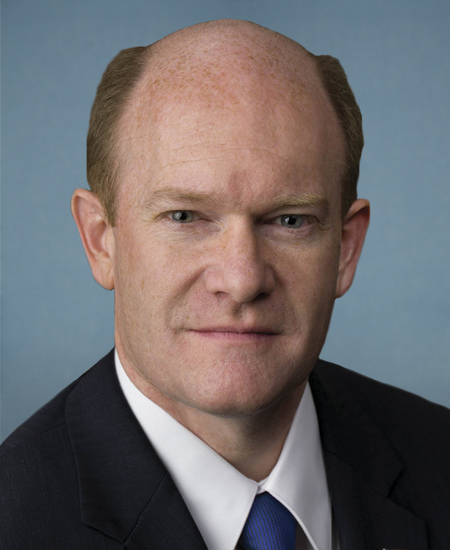
Christopher A. Coons
Christopher A. Coons Senate
D
Support
79% 229
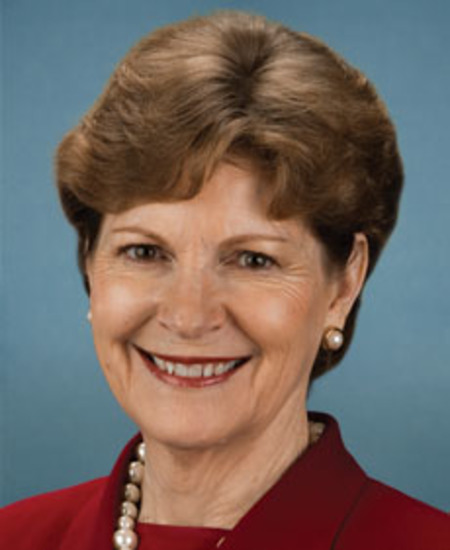
Jeanne Shaheen
Jeanne Shaheen Senate
D
Support
78% 232
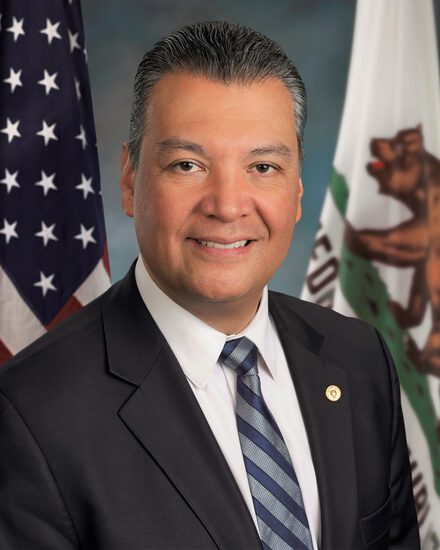
Alex Padilla
Alex Padilla Senate
D
Support
78% 232
Marsha Blackburn
Marsha Blackburn Senate
R
Strong −
11% 211
Ted Budd
Ted Budd Senate
R
Strong −
20% 220
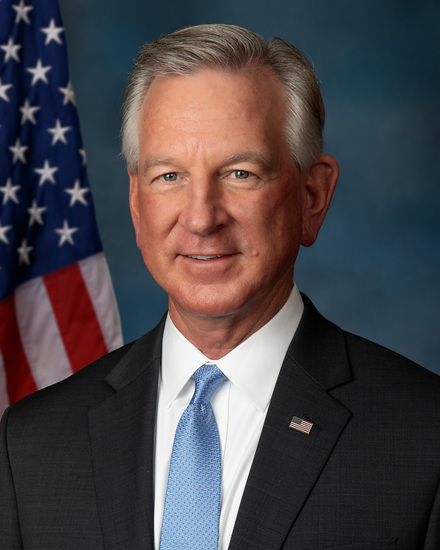
Tommy Tuberville
Tommy Tuberville Senate
R
Oppose
21% 229
Bill Cassidy
Bill Cassidy Senate
R
Oppose
22% 221
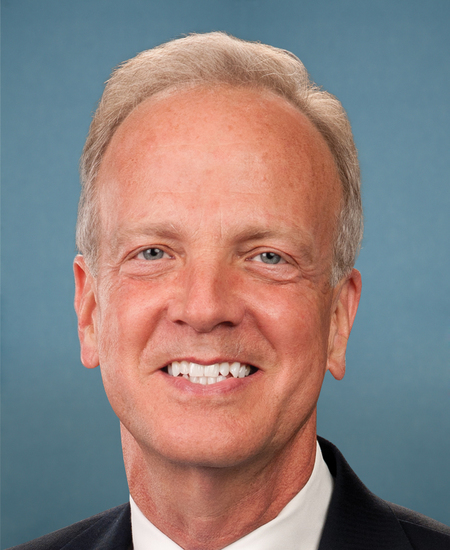
Jerry Moran
Jerry Moran Senate
R
Oppose
23% 228
Showing 1,871–1,880 of 1,975 bills

All environment bills

in committee · United States · House Feb 25, 2025

HR 1553: Empowering and Enforcing Environmental Justice Act of 2025

The Empowering and Enforcing Environmental Justice Act of 2025 establishes a new Office of Environmental Justice within the Department of Justice to address environmental health disparities. This Office will develop strategies, coordinate enforcement efforts, and administer a $50 million annual grant program for state, local, and Tribal governments to improve environmental enforcement in affected communities. The grants will fund staff training, hiring for investigations, and community engagement programs focused on low-income, Tribal, and Indigenous populations facing disproportionate environmental risks. The bill directly impacts the Department of Justice, state/local/tribal governments, and communities experiencing environmental justice challenges.
in committee · United States · Senate Mar 4, 2026

S 3527: Montana Sportsmen Conservation Act

This bill removes wilderness study area designations from three specific Montana public lands: the 81,000-acre Middle Fork Judith area (managed by the Forest Service), and the 11,380-acre Hoodoo Mountain and 11,580-acre Wales Creek areas (managed by the Bureau of Land Management). These lands were previously evaluated and determined unsuitable for wilderness designation under federal law. The bill directs land managers to instead implement existing management plans developed through collaborative processes, which allow for activities like improved public access, wildlife habitat projects, and sportsmen opportunities. This change affects over 104,000 acres of public land in Montana that had remained under wilderness study status despite being deemed unsuitable for wilderness management.
in committee · United States · Senate May 5, 2025

SRES 203: A resolution expressing support for the designation of May 2025 as "Renewable Fuels Month" to recognize the important role that renewable fuels play in reducing carbon impacts, lowering fuel prices for consumers, supporting rural communities, and lessening reliance on foreign adversaries.

SRES 203 is a symbolic Senate resolution designating May 2025 as "Renewable Fuels Month" to recognize the role of renewable fuels. It does not create new laws but formally acknowledges four specific benefits: renewable fuels' contribution to reducing carbon emissions, lowering consumer fuel prices, supporting rural economies, and decreasing reliance on foreign energy sources. The resolution was introduced by Senators Ricketts, Grassley, Ernst, and others, with supporting details highlighting ethanol and biodiesel industry impacts like job creation and emissions reductions. This resolution has no binding effect but serves as a formal statement of congressional recognition.
Sub-Topics Climate Change
in committee · United States · Senate Feb 25, 2025

S 720: Empowering and Enforcing Environmental Justice Act of 2025

The Empowering and Enforcing Environmental Justice Act of 2025 establishes a new Office of Environmental Justice within the Department of Justice to address environmental disparities in low-income, Tribal, and Indigenous communities. It creates a grant program to fund State, local, and Tribal governments for training staff, hiring personnel, and developing community engagement initiatives related to environmental enforcement. The Office will develop a 5-year strategy, coordinate federal and local enforcement efforts, and define "environmental justice" as ensuring equitable protection from environmental harms and access to a healthy environment for affected communities.
in committee · United States · Senate Feb 20, 2025

S 680: Ending China's Unfair Advantage Act of 2025

This bill prohibits U.S. federal funds from supporting two international environmental agreements until specific reclassifications of China occur. It blocks funding for the Montreal Protocol (regarding ozone-depleting substances) until China is removed from the "developing country" category in that agreement, and blocks funding for the UN Climate Change Convention until China is added to Annex I (which lists developed nations). The restrictions remain in place until the President certifies to congressional committees that these reclassifications have been made by the relevant international bodies. The bill directly affects U.S. government funding for these global environmental programs.
Sub-Topics Climate Change
in committee · United States · House Jul 24, 2025

HR 4675: Columbia River Clean-Up Act

This bill extends the funding period for Columbia River Basin restoration projects under the Federal Water Pollution Control Act. It amends Section 123(d)(6) by changing the timeframe from "2020 and 2021" to "2026 through 2030," allowing agencies to use allocated funds over this new seven-year period. The change directly affects federal and state environmental agencies managing river cleanup efforts, such as the EPA and Pacific Northwest states. It modifies the existing legal timeline for project implementation without altering funding amounts or new requirements. The bill focuses solely on adjusting the period for utilizing current restoration funds.
Sub-Topics Water Quality
in committee · United States · House Jul 16, 2025

HR 4433: Toxic-Free Beauty Act of 2025

The Toxic-Free Beauty Act of 2025 bans 15 specific harmful chemicals and contaminants in cosmetic products, directly affecting manufacturers and retailers selling cosmetics in the U.S. market. It prohibits ingredients like formaldehyde, mercury, certain parabens, phthalates, and triclosan, while setting strict limits for contaminants such as lead and 1,4-dioxane in products. The law includes a non-preemption clause allowing states to maintain or enforce stricter rules than federal standards, and the ban will take effect for products introduced into interstate commerce starting January 1, 2027. This legislation aims to reduce consumer exposure to chemicals linked to health risks by defining key terms like "contaminant" and "intentionally added ingredient."
in committee · United States · House May 5, 2025

HR 3188: Migratory Bird Protection Act of 2025

This bill amends the Migratory Bird Treaty Act to require permits for incidental harm to migratory birds (e.g., from construction or energy projects), directly affecting industries that might unintentionally impact birds. It establishes civil penalties up to $10,000 per violation for unpermitted incidental take and creates the "Migratory Bird Recovery Fund" to collect fees from permit holders, using funds for bird conservation and administrative costs. The bill also mandates annual $10 million funding, requires industry-specific research programs to monitor bird populations, and demands 5-year reports to Congress on conservation progress. These changes shift enforcement from current practices to a structured permit system with clearer accountability for bird protection.
Sub-Topics Conservation Wildlife
in committee · United States · House Feb 28, 2025

HR 605: Headwaters Protection Act of 2025

The Headwaters Protection Act of 2025 reauthorizes and updates the Water Source Protection Program under the Healthy Forests Restoration Act. It expands eligible partners to include acequia associations, stormwater/wastewater entities, land-grant mercedes, and water-delivery private groups, while requiring landowner consent for projects on adjacent non-Federal land within the same watershed. The bill prioritizes projects addressing drought, wildfire, and climate resilience, mandates 10% of annual funding ($30 million per year from 2025-2033) for partner capacity-building, and ensures projects protect water supply systems and forest health. It explicitly states the law does not override state water rights or authorize federal land acquisition.
passed · United States · Senate Apr 5, 2025

SRES 157: A resolution designating April 2025 as "National Native Plant Month".

SRES 157 designates April 2025 as "National Native Plant Month" to recognize the environmental and ecological benefits of native plants. The resolution highlights that native plants - indigenous species adapted to specific regions - support biodiversity, improve air and water quality, stabilize soils, and provide essential food and habitat for wildlife like birds and pollinators. As a non-binding Senate resolution, it does not create new laws or funding but aims to raise public awareness about conserving native plant species, which face threats from habitat loss and invasive species.
Showing 1,871 to 1,880 of 1,975 bills