

Issue · Environment
Environment
Every environment bill, vote, and legislator stance in United States, automatically classified by Maddy, our AI policy reader.
Total bills
1,975
119th Congress
Top supporter
Martin Heinrich
84% support rate
Top opponent
Marsha Blackburn
11% support rate
Ranked legislators
10
5 support · 5 oppose
Key legislators
Who's moving environment in United States
| Legislator | Party | Stance | Support rate | Votes |
|---|---|---|---|---|

Martin Heinrich
Senate
|
D |
Strong +
|
84% | 215 |

Adam B. Schiff
Senate
|
D |
Support
|
79% | 231 |

Christopher A. Coons
Senate
|
D |
Support
|
79% | 229 |
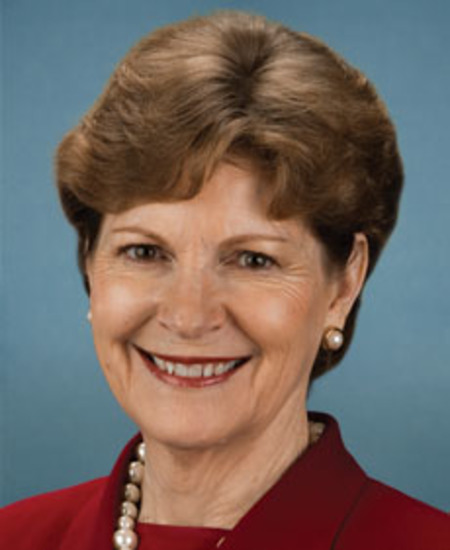
Jeanne Shaheen
Senate
|
D |
Support
|
78% | 232 |

Alex Padilla
Senate
|
D |
Support
|
78% | 232 |

Marsha Blackburn
Senate
|
R |
Strong −
|
11% | 211 |

Ted Budd
Senate
|
R |
Strong −
|
20% | 220 |
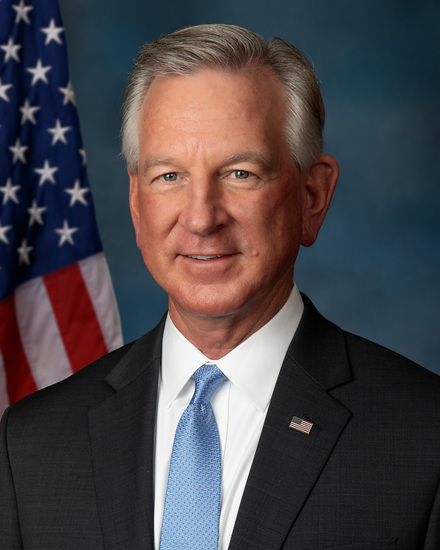
Tommy Tuberville
Senate
|
R |
Oppose
|
21% | 229 |

Bill Cassidy
Senate
|
R |
Oppose
|
22% | 221 |

Jerry Moran
Senate
|
R |
Oppose
|
23% | 228 |
Showing 1,851–1,860 of 1,975
bills
All environment bills
HR 1534: IMPACT Act
Topics
✓ EnergySupports EnergyFunds research for low-emission cement/concrete/asphalt with focus on carbon capture, alternative fuels, and energy-efficient production to reduce GHG emissions.
✓ EnvironmentSupports EnvironmentFunds R&D for low-emission cement/concrete/asphalt, targeting greenhouse gas reduction via carbon capture and alternative fuels research.
✓ TransportationSupports TransportationFunds research into low-emission road construction materials (cement/concrete/asphalt), directly advancing sustainable transportation infrastructure development.
Sub-Topics
Climate Change
SRES 562: A resolution recognizing that ozone pollution can cause lung disease, asthma attacks, cardiovascular problems, and reproductive issues.
Topics
✓ EnergySupports EnergyUrges EPA to implement methane standards (79% reduction), targeting fossil fuel emissions from energy infrastructure, aligning with cleaner energy transition goals.
✓ EnvironmentSupports EnvironmentRecognizes ozone pollution health impacts and urges EPA to implement 2024 methane standards (79% reduction), strengthening environmental protections.
✓ HealthcareSupports HealthcareBill explicitly links ozone pollution to healthcare harms (asthma, cardiovascular issues) and urges EPA action to reduce pollution-related health risks, aligning with public health protection.
Sub-Topics
Air Quality
HCONRES 46: Expressing the sense of Congress that the United States is committed to ensuring a safe and healthy climate for future generations, and thus to restoring the climate.
Topics
✓ EnergySupports EnergyBill explicitly prioritizes climate restoration and net-zero emissions, requiring transition from fossil fuels to renewables, aligning with clean energy advancement indicators.
✓ EnvironmentSupports EnvironmentBill explicitly commits to climate restoration, targeting CO2 reduction to pre-industrial levels and stabilizing greenhouse gases, aligning with environmental protection goals.
Sub-Topics
Climate Change
SRES 558: A resolution recognizing that climate change-driven extreme weather events are increasing at the same time that the government is dismantling weather monitoring and alert systems.
Topics
✗ Budget & TaxesOpposes Budget & TaxesBill explicitly criticizes proposed $2.2B NOAA budget cuts and loss of weather monitoring staff, opposing defunding of essential climate-related services.
✓ EnvironmentSupports EnvironmentBill explicitly links climate change to extreme weather and criticizes defunding NOAA weather monitoring systems, advocating for environmental protection efforts.
SRES 563: A resolution affirming that the Federal Government should support school district investment in clean school buses.
Topics
✓ EducationSupports EducationBill advocates federal funding for cleaner school buses, directly improving school infrastructure and student health (reducing asthma/absenteeism), aligning with education infrastructure and access indicators.
✓ EnergySupports EnergyBill promotes replacing diesel buses with electric models, advancing clean energy infrastructure and reducing fossil fuel dependence for school transportation.
✓ EnvironmentSupports EnvironmentPromotes electric school buses to reduce diesel emissions (harmful pollutants linked to health issues), directly advancing pollution control and clean energy adoption in environmental protection.
✓ HealthcareSupports HealthcareBill directly links diesel exhaust to asthma and health risks for students, advocating cleaner buses to protect public health, aligning with healthcare protection goals.
✓ TransportationSupports TransportationBill explicitly affirms federal support for replacing diesel school buses with clean alternatives, promoting sustainable transportation and reducing emissions in school bus fleets.
Sub-Topics
School Safety
School Transportation
Student Health
Electric Vehicles
Air Quality
Electric Vehicles
S 1779: LOCOMOTIVES Act
Topics
✗ EnergyOpposes EnergyPrevents states from setting stricter locomotive emissions standards, weakening potential clean energy regulations by centralizing oversight under federal rules.
✗ EnvironmentOpposes EnvironmentBill eliminates state authority over locomotive emissions, preventing stricter state regulations and weakening environmental protections under Clean Air Act
Sub-Topics
Air Quality
HR 3888: Water Quality Criteria Development and Transparency Act
SJRES 76: A joint resolution providing for congressional disapproval under chapter 8 of title 5, United States Code, of the rule submitted by the Environmental Protection Agency relating to "Extension of Deadlines in Standards of Performance for New, Reconstructed, and Modified Sources and Emissions Guidelines for Existing Sources: Oil and Natural Gas Sector Climate Review Final Rule".
Topics
✗ EnergyOpposes EnergyBlocks EPA rule extending emissions deadlines for oil/gas, preventing delayed compliance. Weakens climate regulations for fossil fuel energy production.
✓ EnvironmentSupports EnvironmentBill blocks EPA rule extending oil/gas emissions deadlines, maintaining stricter compliance requirements instead of delaying them.
Sub-Topics
Oil & Gas
HRES 642: Expressing support for continued Federal commitment to repopulation and recovery efforts for the red wolf in North Carolina and across the country.
Sub-Topics
Wildlife