Issue · Environment

Environment

Every environment bill, vote, and legislator stance in United States, automatically classified by Maddy, our AI policy reader.

Total bills
1,975
119th Congress
Top supporter
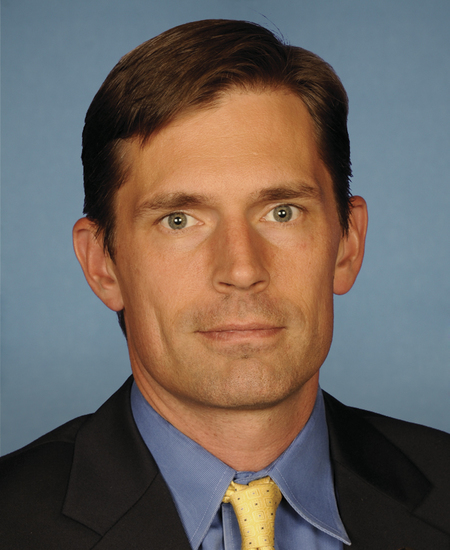
Martin Heinrich
84% support rate
Top opponent
Marsha Blackburn
11% support rate
Ranked legislators
10
5 support · 5 oppose
Key legislators

Who's moving environment in United States

Legislators moving environment in United States
Legislator Party Stance Support rate Votes
Martin Heinrich
Martin Heinrich Senate
D
Strong +
84% 215
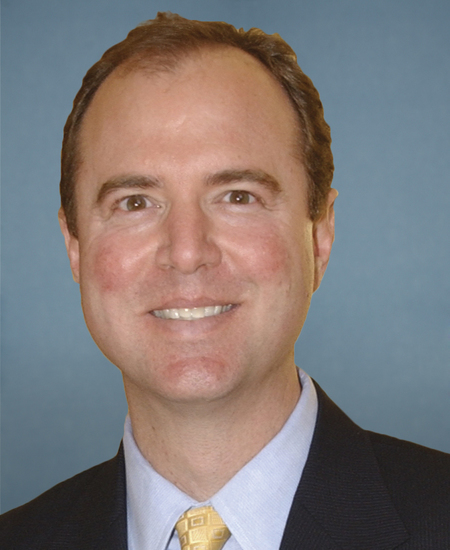
Adam B. Schiff
Adam B. Schiff Senate
D
Support
79% 231
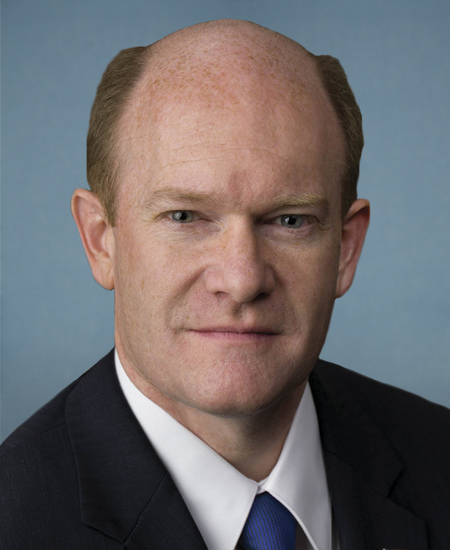
Christopher A. Coons
Christopher A. Coons Senate
D
Support
79% 229
Jeanne Shaheen
Jeanne Shaheen Senate
D
Support
78% 232
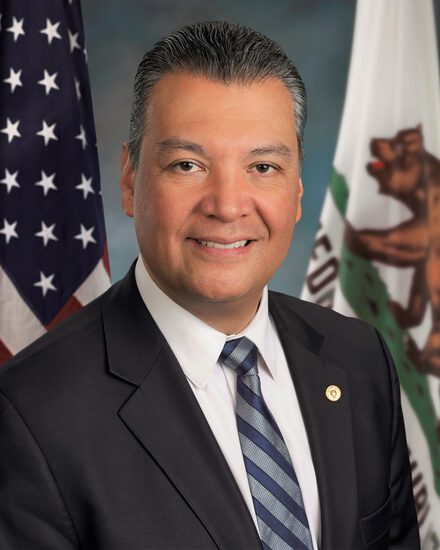
Alex Padilla
Alex Padilla Senate
D
Support
78% 232
Marsha Blackburn
Marsha Blackburn Senate
R
Strong −
11% 211
Ted Budd
Ted Budd Senate
R
Strong −
20% 220
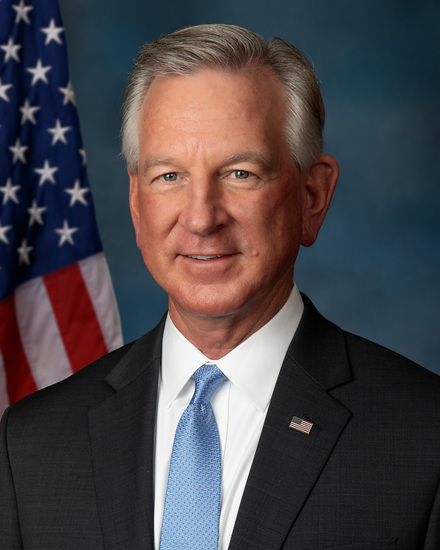
Tommy Tuberville
Tommy Tuberville Senate
R
Oppose
21% 229
Bill Cassidy
Bill Cassidy Senate
R
Oppose
22% 221
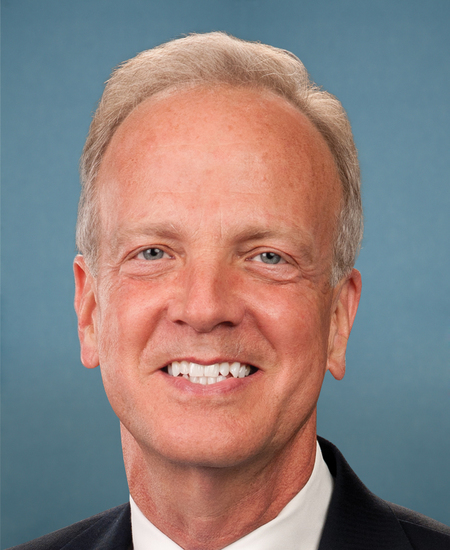
Jerry Moran
Jerry Moran Senate
R
Oppose
23% 228
Showing 1,791–1,800 of 1,975 bills

All environment bills

in committee · United States · House Nov 21, 2025

HR 6268: LEAD Act of 2025

HR 6268, the LEAD Act of 2025, requires the use of non-lead ammunition on all lands and waters managed by the U.S. Fish and Wildlife Service (USFWS), effective one year after enactment. It directly affects hunters and recreational shooters using USFWS lands, with exceptions for law enforcement, military personnel, and government officials performing official duties. The bill mandates the USFWS to establish a list of certified non-lead ammunition (defined as containing ≤1% lead by weight) and imposes civil penalties of up to $500 for first violations and $1,000-$5,000 for repeat offenses. This policy aims to protect wildlife, human health, and food safety by reducing lead exposure from spent ammunition, which the bill cites as a documented risk to ecosystems and consumers.
Sub-Topics Wildlife
in committee · United States · House Mar 28, 2025

HR 1854: Climate Agricultural Conservation Practices Act

Climate Agricultural Conservation Practices Act This bill requires the Natural Resources Conservation Service (NRCS) to consider climate benefits in reviews or revisions of its conservation practice standards. Climate benefits include a reduction in agricultural greenhouse gas emissions, an increase in carbon sequestration, or mitigation against (or adaptation to) increased weather volatility. As background, NRCS administers most of the Department of Agriculture conservation programs, which assist producers and landowners who wish to practice conservation on agricultural lands. The NRCS conservation practice standards provide guidance and set out minimum quality criteria for implementing federally funded conservation practices.
Sub-Topics Climate Change Conservation Tags Agriculture
in committee · United States · Senate Jul 22, 2025

SJRES 66: A joint resolution providing for congressional disapproval under chapter 8 of title 5, United States Code, of the rule submitted by the Environmental Protection Agency relating to "National Emission Standards for Hazardous Air Pollutants for Coke Ovens: Pushing, Quenching, and Battery Stacks, and Coke Oven Batteries; Residual Risk and Technology Review, and Periodic Technology Review."

This joint resolution (SJRES 66) seeks to block an Environmental Protection Agency (EPA) rule that established new emission standards for hazardous air pollutants from specific coke oven operations at steel plants. It directly affects the EPA, which would no longer enforce the rule, and steel manufacturers operating coke ovens (used in steel production) who would avoid compliance with the proposed standards. The resolution uses a congressional disapproval process under federal law to nullify the EPA’s rule, which was published in the Federal Register on July 8, 2025. If passed, the rule would have no legal effect, halting its implementation.
in committee · United States · Senate Feb 12, 2026

S 3879: Spent Petroleum Catalyst Recycling and Critical Minerals and Metals Recovery Exemption Act

This bill exempts specific metal recovery processes from certain waste regulations. It clarifies that facilities recycling vanadium and other critical minerals from spent petroleum catalyst (used in oil refining) are not subject to the Boilers and Industrial Furnaces (BIF) requirements under the Solid Waste Disposal Act. The exemption covers the entire recycling chain: de-oiling, thermal treatment (e.g., roasting), and metallurgical recovery (e.g., furnaces). It also allows third-party transfers of spent catalyst for metals reclamation under existing transfer-based waste exclusions. This change aims to eliminate redundant regulations for environmentally safe domestic recovery of critical minerals like vanadium.
in committee · United States · Senate May 21, 2025

S 1842: Wildfire Reduction and Carbon Removal Act of 2025

This bill creates a tax credit for businesses that capture and store carbon from forest residues used in wildfire hazard reduction activities. The credit provides $36 per metric ton for carbon stored in secure geological storage and $12 per metric ton for carbon stored through long-duration utilization. To qualify, businesses must meet sustainability standards for sourcing forest residues (from thinning trees no greater than 8 inches in diameter) and undergo verification through lifecycle analysis and monitoring. The credit is designed to incentivize carbon removal while promoting sustainable forest management practices. It will apply to taxable years beginning after December 31, 2025.
Sub-Topics Tax Credits Forestry
passed · United States · Senate May 8, 2025

SRES 211: A resolution designating May 10, 2025, as "World Migratory Bird Day".

This Senate resolution (SRES 211) symbolically designates May 10, 2025, as "World Migratory Bird Day" to raise public awareness about migratory birds. It highlights the ecological and economic importance of migratory birds - such as their role in pest control, pollination, and contributing $279 billion annually to the U.S. economy through birdwatching. The resolution encourages Americans to support bird conservation through education and community engagement, aligning with the 2025 theme of creating "bird-friendly cities and communities." As a non-binding resolution, it does not create new laws but formally recognizes an annual global observance.
Sub-Topics Conservation
in committee · United States · House Aug 26, 2026

HR 6788: Montana Sportsmen Conservation Act

HR 6788, the Montana Sportsmen Conservation Act, removes wilderness study area designations for three specific Montana lands: the 81,000-acre Middle Fork Judith area (managed by the Forest Service) and the 11,380-acre Hoodoo Mountain and 11,580-acre Wales Creek areas (managed by the Bureau of Land Management). These areas were previously evaluated and determined unsuitable for wilderness designation under federal law, with land agencies confirming this through collaborative reviews in 2021 and 2020. The bill directs land managers to instead follow existing land and resource management plans for these areas, which were developed through multi-year stakeholder processes. This change aims to improve management by enhancing sportsmen access, public recreation, and wildlife habitat projects while maintaining current protections under environmental laws.
in committee · United States · House Jul 23, 2025

HJRES 111: Providing for congressional disapproval under chapter 8 of title 5, United States Code, of the rule submitted by the United States Fish and Wildlife Service relating to "Barred Owl Management Strategy".

HJRES 111 is a joint resolution seeking congressional disapproval of a U.S. Fish and Wildlife Service rule on barred owl management. The rule, published in September 2024, outlined strategies to reduce barred owl populations to protect the endangered spotted owl. Under the Congressional Review Act, this resolution would nullify the rule, preventing its implementation. If enacted, the rule would have no legal effect, and the agency could not enforce the barred owl management strategy.
Sub-Topics Wildlife
signed · United States · House Jun 12, 2025

HJRES 87: Providing congressional disapproval under chapter 8 of title 5, United States Code, of the rule submitted by the Environmental Protection Agency relating to "California State Motor Vehicle and Engine Pollution Control Standards; Heavy-Duty Vehicle and Engine Emission Warranty and Maintenance Provisions; Advanced Clean Trucks; Zero Emission Airport Shuttle; Zero-Emission Power Train Certification; Waiver of Preemption; Notice of Decision".

H.J. Res. 87 (Public Law 119-15) is a congressional disapproval resolution that prevents an Environmental Protection Agency (EPA) rule from taking effect. The rule, submitted by the EPA on April 6, 2023 (88 Fed. Reg. 20688), related to California’s authority to enforce stricter vehicle emission standards, including for heavy-duty trucks, zero-emission airport shuttles, and advanced clean truck requirements. By disapproving this rule, Congress blocks California from implementing these specific pollution controls under its existing waiver authority. This directly affects California’s ability to regulate motor vehicle emissions independently, as the rule would have allowed the state to enforce its own standards beyond federal requirements.
passed · United States · Senate Nov 20, 2025

S 2741: Legacy Mine Cleanup Act of 2025

The Legacy Mine Cleanup Act of 2025 establishes a new Office of Mountains, Deserts, and Plains within the EPA to coordinate cleanup efforts at abandoned hardrock mine sites across federal, tribal, state, and private lands. It requires the EPA to annually prioritize mine sites for cleanup, develop interagency plans for Navajo Nation uranium mine sites by 2028 (including funding targets and agency roles), and coordinate with Tribal governments on government-to-government consultations. The bill mandates sharing best practices for cleanup technologies, waste solutions, and small business contracting opportunities, while ensuring coordination with agencies like the Department of Energy and Interior. It uses existing EPA authorities without creating new regulations or standards, focusing on improving coordination rather than altering cleanup requirements.
Sub-Topics Hazardous Materials Tags Tribal Nations
Showing 1,791 to 1,800 of 1,975 bills