Issue · Environment

Environment

Every environment bill, vote, and legislator stance in United States, automatically classified by Maddy, our AI policy reader.

Total bills
1,975
119th Congress
Top supporter
Martin Heinrich
84% support rate
Top opponent
Marsha Blackburn
11% support rate
Ranked legislators
10
5 support · 5 oppose
Key legislators

Who's moving environment in United States

Legislators moving environment in United States
Legislator Party Stance Support rate Votes
Martin Heinrich
Martin Heinrich Senate
D
Strong +
84% 215
Adam B. Schiff
Adam B. Schiff Senate
D
Support
79% 231
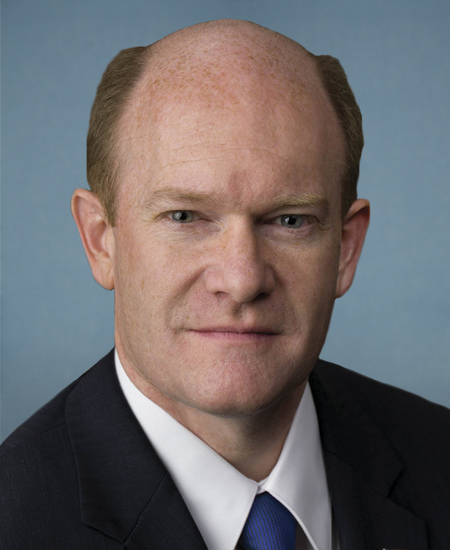
Christopher A. Coons
Christopher A. Coons Senate
D
Support
79% 229
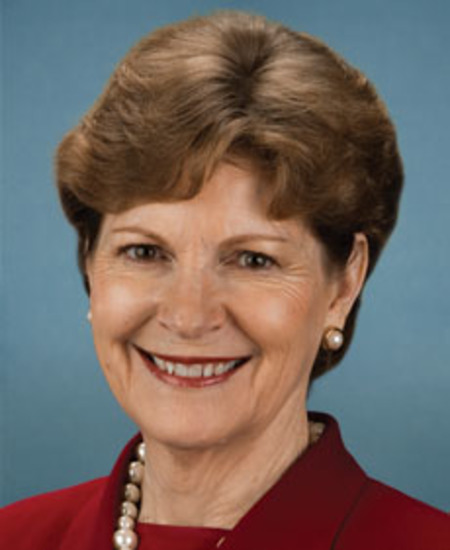
Jeanne Shaheen
Jeanne Shaheen Senate
D
Support
78% 232
Alex Padilla
Alex Padilla Senate
D
Support
78% 232
Marsha Blackburn
Marsha Blackburn Senate
R
Strong −
11% 211
Ted Budd
Ted Budd Senate
R
Strong −
20% 220
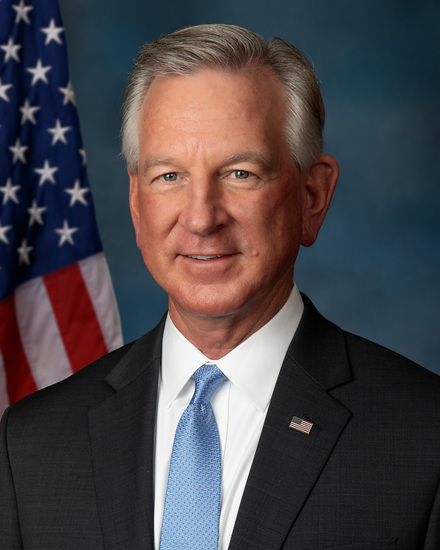
Tommy Tuberville
Tommy Tuberville Senate
R
Oppose
21% 229
Bill Cassidy
Bill Cassidy Senate
R
Oppose
22% 221
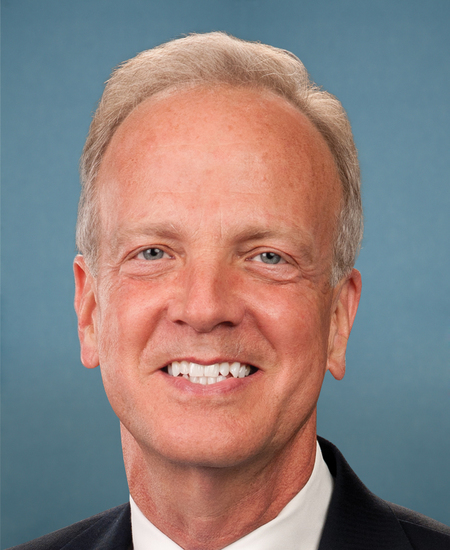
Jerry Moran
Jerry Moran Senate
R
Oppose
23% 228
Showing 1,661–1,670 of 1,975 bills

All environment bills

in committee · United States · House Jun 13, 2025

HR 3909: FUELS Act

The FUELS Act (HR 3909) amends the Spill Prevention, Control, and Countermeasure (SPCC) rule under the Clean Water Act by adjusting storage capacity thresholds. It lowers the exemption threshold for small facilities from 20,000 gallons to 10,000 gallons, requiring more agricultural operations to implement SPCC plans. The bill also raises the main threshold for SPCC coverage from 20,000 gallons to 42,000 gallons and modifies related numerical requirements. These changes directly affect farms and facilities storing oil or hazardous substances above 10,000 gallons, expanding the scope of entities subject to spill prevention regulations.
Sub-Topics Water Quality
in committee · United States · House Feb 21, 2025

HR 1500: Building Native Habitats at Federal Facilities Act

HR 1500 requires federal agencies to prioritize native plants over non-native plants in landscaping projects at federal facilities (like military bases, parks, and government buildings), where feasible considering cost and maintenance. It mandates agencies to update design standards within 270 days, include native plant requirements in contracts, and consider benefits like supporting pollinators and reducing water use. Agencies must also report annually on implementation, including case studies and environmental impacts, starting two years after the law takes effect. This affects all federal projects involving landscape improvements across all states and territories.
in committee · United States · House Feb 27, 2025

HR 1754: FARM Act of 2025

HR 1754, the FARM Act of 2025, blocks tax credits for renewable energy projects on agricultural land. It amends the tax code to deny credits under Sections 48 (solar) and 45 (wind) for public utilities installing solar or wind facilities on agricultural land as defined by existing law (Food Security Act of 1985). The bill directly affects public utilities seeking tax incentives for new renewable energy installations on farmland. The provisions apply to property placed in service after the bill's enactment date. This is a tax code change, not a new program, and does not impact individual farmers or non-public utility projects.
Sub-Topics Renewable Energy Solar Tags Agriculture
in committee · United States · Senate Mar 11, 2026

S 3135: Cold Weather Diesel Reliability Act of 2025

The Cold Weather Diesel Reliability Act of 2025 requires the Environmental Protection Agency (EPA) to revise Clean Air Act regulations to address diesel vehicle challenges in extreme cold. It allows diesel vehicle manufacturers to temporarily disable engine power reductions or shutdowns caused by emissions system faults when temperatures are at or below freezing, but only until temperatures rise above freezing. The bill also grants a year-round exemption from diesel exhaust fluid (DEF) system requirements for vehicles primarily operating north of 59°N latitude or in regions with prolonged freezing conditions that make DEF use impractical. This exemption prevents engine derates or shutdowns due to DEF system issues, ensuring critical transportation and emergency services remain functional. The bill does not change overall emissions standards but provides targeted relief for safety and operational needs in cold weather regions.
Sub-Topics Air Quality
in committee · United States · House Sep 30, 2025

HRES 778: Expressing support for the recognition of September 29, 2025, as "International Day of Awareness of Food Loss and Waste".

HRES 778 is a non-binding House resolution expressing support for recognizing September 29, 2025, as "International Day of Awareness of Food Loss and Waste." It does not create new laws or programs but formally acknowledges the issue through congressional resolution. The resolution cites statistics on global food waste (including $1 trillion in annual losses and 8-10% of greenhouse gas emissions from food waste) and aligns with the existing 2024 National Strategy for Reducing Food Loss and Waste. It serves only as symbolic support for raising awareness, with no direct policy changes or obligations for individuals or entities.
Sub-Topics Climate Change
in committee · United States · Senate Apr 8, 2025

S 1325: Foreign Pollution Fee Act of 2025

The Foreign Pollution Fee Act of 2025 would impose a variable fee on imported goods from countries with higher pollution intensity than equivalent US-made products. The fee rate (ranging from 0% to 200%) would be determined by the difference in pollution intensity between the country of origin and the US baseline. It targets specific products including aluminum, cement, steel, fertilizers, glass, hydrogen, solar products, and battery inputs. The bill includes mechanisms for countries to reduce or eliminate the fee through international partnership agreements that meet certain environmental standards. The fee is intended to address what the bill describes as an unfair cost advantage for foreign producers with weaker environmental regulations.
Sub-Topics Energy Storage Solar
in committee · United States · House Dec 3, 2025

HR 6378: FERC Greenhouse Gas and Environmental Justice Policy Act of 2025

This bill requires the Federal Energy Regulatory Commission (FERC) to consider environmental justice and greenhouse gas emissions when reviewing applications for natural gas pipeline projects and other infrastructure needing a certificate of public convenience and necessity. FERC must evaluate how projects affect communities disproportionately burdened by pollution (defined as communities of color, indigenous groups, or low-income areas) and quantify all foreseeable greenhouse gas emissions, including upstream leaks and downstream combustion. Projects emitting 100,000+ metric tons of CO2 equivalent annually are presumed to have significant climate impacts. Applicants must submit mitigation plans to address environmental effects, and FERC must attach enforceable conditions to certificates if mitigation is practicable - or provide a detailed explanation if it isn’t.
in committee · United States · House Aug 20, 2026

HR 3276: Local Communities & Bird Habitat Stewardship Act of 2026

The Local Communities & Bird Habitat Stewardship Act of 2025 establishes the Urban Bird Treaty Program, which provides grants and technical assistance to local groups - including cities, nonprofits, community organizations, and academic institutions - to protect and restore urban bird habitats. Key provisions include funding for habitat restoration (e.g., removing invasive species and planting native plants), reducing urban bird hazards, and engaging communities in monitoring and education. The program, administered by the National Fish and Wildlife Foundation, authorizes $1 million annually from 2026 to 2032 for projects focused on conserving urban bird populations through collaborative local efforts. It directly affects communities seeking to enhance green spaces and support bird conservation in populated areas.
Sub-Topics Conservation Wildlife
in committee · United States · House Feb 4, 2025

HJRES 34: Providing for congressional disapproval under chapter 8 of title 5, United States Code, of the rule submitted by the Environmental Protection Agency relating to "Trichloroethylene (TCE); Regulation Under the Toxic Substances Control Act (TSCA)".

HJRES 34 is a congressional disapproval resolution targeting an Environmental Protection Agency (EPA) rule regulating Trichloroethylene (TCE) under the Toxic Substances Control Act (TSCA). It seeks to block the EPA's final rule (published December 17, 2024) that would have imposed new controls on TCE, a chemical used in industrial cleaning and manufacturing. If passed, this resolution would prevent the EPA rule from taking effect, directly affecting industries using TCE and the regulatory framework for chemical safety under TSCA. The bill does not create new rules but halts an existing EPA regulation through a procedural congressional review process.
in committee · United States · House Jun 25, 2025

HR 4133: EQIP Improvement Act of 2025

The EQIP Improvement Act of 2025 revises payment limits for farmers participating in the Environmental Quality Incentives Program (EQIP), which provides financial assistance for conservation practices. It sets a 75% payment cap for most conservation costs (down from higher previous limits), reduces payments to 40% for specific infrastructure like irrigation systems or animal mortality facilities, and allows 100% coverage for income foregone. The bill also lowers the annual payment cap per producer from $450,000 to $150,000. Additionally, it requires the Secretary to submit annual reports to Congress detailing funding distribution by practice type, state, and farm size. These changes directly affect farmers adopting conservation practices under EQIP.
Sub-Topics Conservation Tags Agriculture
Showing 1,661 to 1,670 of 1,975 bills