Issue · Environment

Environment

Every environment bill, vote, and legislator stance in United States, automatically classified by Maddy, our AI policy reader.

Total bills
1,975
119th Congress
Top supporter
Martin Heinrich
84% support rate
Top opponent
Marsha Blackburn
11% support rate
Ranked legislators
10
5 support · 5 oppose
Key legislators

Who's moving environment in United States

Legislators moving environment in United States
Legislator Party Stance Support rate Votes
Martin Heinrich
Martin Heinrich Senate
D
Strong +
84% 215
Adam B. Schiff
Adam B. Schiff Senate
D
Support
79% 231
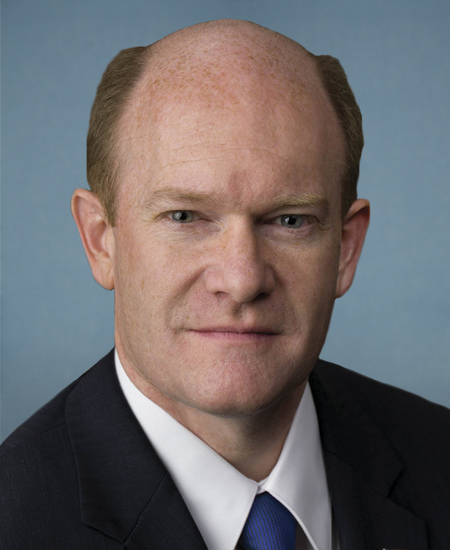
Christopher A. Coons
Christopher A. Coons Senate
D
Support
79% 229
Jeanne Shaheen
Jeanne Shaheen Senate
D
Support
78% 232
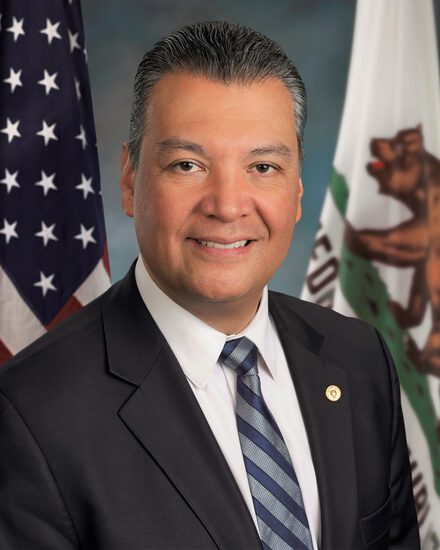
Alex Padilla
Alex Padilla Senate
D
Support
78% 232
Marsha Blackburn
Marsha Blackburn Senate
R
Strong −
11% 211
Ted Budd
Ted Budd Senate
R
Strong −
20% 220
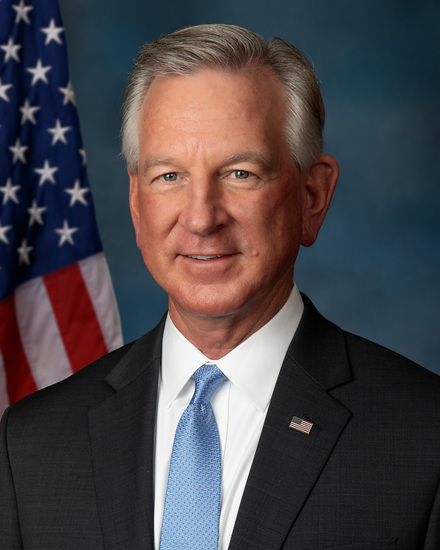
Tommy Tuberville
Tommy Tuberville Senate
R
Oppose
21% 229
Bill Cassidy
Bill Cassidy Senate
R
Oppose
22% 221
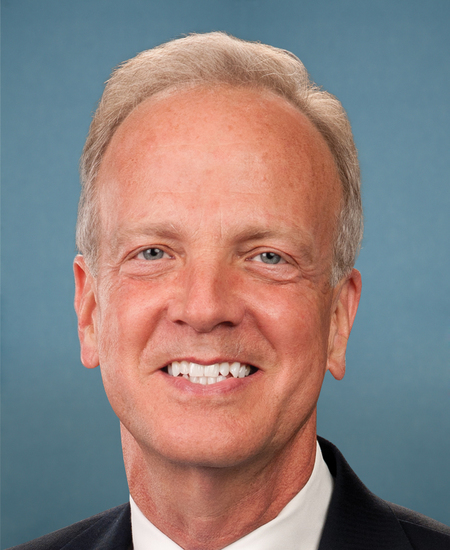
Jerry Moran
Jerry Moran Senate
R
Oppose
23% 228
Showing 1,591–1,600 of 1,975 bills

All environment bills

in committee · United States · Senate Apr 15, 2026

S 528: GLRI Act of 2025

Great Lakes Restoration Initiative Act of 2025 or the GLRI Act of 2025 This bill reauthorizes through FY2031 the Great Lakes Restoration Initiative, which carries out programs and projects to protect and restore the Great Lakes.
Sub-Topics Water Quality
in committee · United States · House Feb 7, 2025

HR 1124: Help Our Kelp Act of 2025

The Help Our Kelp Act of 2025 establishes a federal grant program to fund projects restoring and conserving wild kelp forests. It directs the National Oceanic and Atmospheric Administration (NOAA) to award grants to eligible groups - including fishing industry members, tribes, nonprofits, and local governments - for projects addressing regional kelp decline, enhancing ecosystem resilience, removing sea urchins that harm kelp, and integrating Indigenous knowledge. Projects must include collaboration among eligible entities and meet specific criteria, with grants covering up to 85% of costs (allowing waivers for tribes). The bill authorizes $5 million annually (2026-2030), reserving at least $750,000 yearly for tribal-led projects.
Sub-Topics Water Quality
in committee · United States · Senate Mar 31, 2025

S 1207: Feral Swine Eradication Act

The Feral Swine Eradication Act makes a federal program for controlling feral swine permanent, replacing a previous pilot initiative. It allocates $75 million for fiscal years 2025-2030 to fund eradication efforts in areas where feral swine threaten agriculture, ecosystems, or human/animal health (as determined by the Secretary). The bill requires one year of post-eradication monitoring in affected areas and mandates two reports to Congress detailing program activities, funding use, and success in reducing swine-related damage to crops, wildlife, and public safety.
Sub-Topics Conservation Wildlife
in committee · United States · Senate Jan 21, 2025

S 171: A bill to remove the lesser prairie-chicken from the lists of threatened species and endangered species published pursuant to the Endangered Species Act of 1973, to amend that Act to exclude the lesser prairie-chicken from the authority of that Act, and for other purposes.

This bill removes the lesser prairie-chicken from the federal endangered and threatened species lists under the Endangered Species Act. It specifically amends the Act to permanently prevent the U.S. Fish and Wildlife Service from re-listing the bird as endangered or threatened in the future. The legislation directly affects the regulatory protections for this bird species, ending federal conservation requirements like habitat restrictions or project reviews under the ESA. The change applies to all populations of the lesser prairie-chicken across its range.
Sub-Topics Conservation Wildlife
in committee · United States · House Apr 9, 2025

HR 2771: Forest Legacy Management Flexibility Act

HR 2771, the Forest Legacy Management Flexibility Act, allows states to authorize qualified organizations (like accredited land trusts) to acquire, hold, and manage conservation easements under the Forest Legacy Program instead of requiring states to handle all such easements directly. To qualify, organizations must meet IRS standards for conservation purposes, maintain Land Trust Accreditation Commission accreditation, and demonstrate ability to monitor and enforce easements. The bill includes safeguards requiring easements to revert to the state or another approved organization if the qualified organization fails to meet program requirements or modifies easements inconsistently. This directly affects states administering the Forest Legacy Program and eligible land conservation groups working on forestland protection.
in committee · United States · House Mar 14, 2025

HR 2133: Lakes Before Turbines Act

HR 2133, the "Lakes Before Turbines Act," blocks tax credits for offshore wind energy projects in the Great Lakes by amending the federal tax code. It prohibits the Investment Tax Credit (ITC) for offshore wind facilities located in the Great Lakes after 2022, directly affecting developers planning such projects. The key provision inserts "other than any of the Great Lakes" into the tax code language that previously allowed credits for wind projects in U.S. inland waters. This policy change takes effect for taxable years beginning after December 31, 2022.
Sub-Topics Tax Credits Wind
in committee · United States · House Mar 14, 2025

HR 2115: Ending China’s Unfair Advantage Act of 2025

This bill prohibits U.S. federal funding for two international environmental agreements until China is reclassified as a "developed country" in both treaties. Specifically, it blocks funding for the Montreal Protocol (which addresses ozone-depleting substances) and the UN Climate Change Convention until China is removed from the "developing country" list under the Montreal Protocol and added to Annex I (developed country list) under the UN Climate Convention. The bill requires the President to certify these treaty changes to congressional committees before any funds can be spent on these agreements. It does not alter China's actual economic status but ties U.S. financial participation to procedural treaty revisions. The direct effect is on U.S. government funding for international environmental cooperation.
Sub-Topics Climate Change
in committee · United States · House May 1, 2025

HR 3147: Transparency and Honesty in Energy Regulations Act

HR 3147, the "Transparency and Honesty in Energy Regulations Act," prohibits federal agencies from using estimates of the climate damage costs from carbon, methane, and nitrous oxide emissions (known as the "social cost" metrics) when creating new rules or guidance. This applies to all agencies, including the EPA, and bans these calculations from cost-benefit analyses required under major executive orders. The bill also requires agencies to report to Congress within 120 days of enactment on how often they previously used these metrics in rulemaking since 2009. The law directly affects how agencies develop environmental regulations by removing specific climate cost estimates from their decision-making process.
in committee · United States · House Dec 9, 2025

HR 6518: SAF Act

This bill extends and increases tax credits for sustainable aviation fuel (SAF) producers. It raises the credit rate from 20 cents to 35 cents per gallon for certain SAF facilities and from $1.00 to $1.75 per gallon for others, while requiring SAF to meet ASTM International standards and exclude palm oil or petroleum-derived sources. The credit period is extended from ending in 2029 to 2033, applying to fuel produced after December 31, 2025. The bill directly affects SAF producers meeting these specific criteria, aiming to incentivize cleaner fuel production for the aviation industry.
Sub-Topics Oil & Gas Airports
in committee · United States · Senate May 13, 2025

S 1721: Energy Freedom Act

The Energy Freedom Act (S 1721) repeals numerous tax credits and incentives for clean energy, energy efficiency, and alternative fuels currently included in the Internal Revenue Code. This bill affects individuals, businesses, and organizations that currently benefit from these credits, including homeowners making energy-efficient home improvements, clean energy producers, and manufacturers of alternative fuels. The legislation specifically eliminates credits for residential and commercial energy efficiency, clean vehicles, renewable energy production, biofuels, and other clean energy technologies. Most provisions will take effect for tax years beginning after December 31, 2025, with some provisions taking effect January 1, 2026.
Showing 1,591 to 1,600 of 1,975 bills