

Issue · Environment
Environment
Every environment bill, vote, and legislator stance in United States, automatically classified by Maddy, our AI policy reader.
Total bills
1,978
119th Congress
Top supporter
Aisha Wahab
100% support rate
Top opponent
Marsha Blackburn
11% support rate
Ranked legislators
10
5 support · 5 oppose
Key legislators
Who's moving environment in United States
| Legislator | Party | Stance | Support rate | Decisive votes |
|---|---|---|---|---|

Aisha Wahab
House · District 14
|
D |
Strong +
|
100% | 7 |
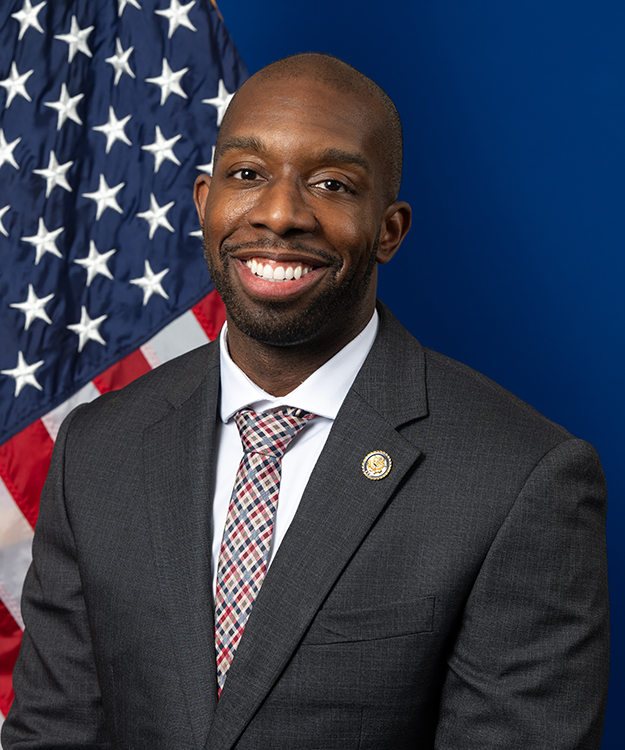
Everton Blair Jr.
House · District 13
|
D |
Strong +
|
89% | 9 |

Martin Heinrich
Senate
|
D |
Strong +
|
84% | 37 |

Adam B. Schiff
Senate
|
D |
Support
|
79% | 53 |

Christopher A. Coons
Senate
|
D |
Support
|
79% | 52 |

Marsha Blackburn
Senate
|
R |
Strong −
|
11% | 36 |

Ted Budd
Senate
|
R |
Strong −
|
20% | 40 |
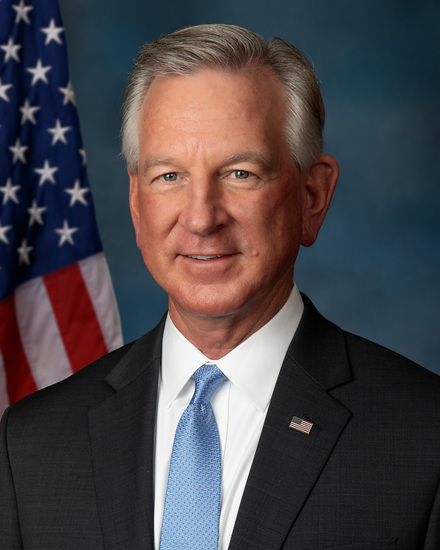
Tommy Tuberville
Senate
|
R |
Oppose
|
21% | 53 |

Bill Cassidy
Senate
|
R |
Oppose
|
22% | 54 |

Jerry Moran
Senate
|
R |
Oppose
|
23% | 53 |
Showing 1,521–1,530 of 1,978
bills
All environment bills
HR 2867: Farmer First Fuel Incentives Act
Topics
✓ Budget & TaxesSupports Budget & TaxesExtends clean fuel tax credit deadline to 2034 and modifies eligibility, maintaining tax incentives for renewable producers under Section 45Z.
✓ EnergySupports EnergyExtends clean fuel tax credits until 2034, requires domestic feedstocks, and excludes emissions calculations - directly strengthening renewable fuel producer incentives under Section 45Z.
✗ EnvironmentOpposes EnvironmentExcludes indirect land use change emissions from lifecycle calculations, weakening environmental impact assessment for biofuels while prioritizing agricultural industry interests.
✓ TransportationSupports TransportationExtends tax credits for clean fuel production, promoting sustainable transportation through renewable fuel incentives under vehicle regulations.
S 2548: Shawnee National Forest Conservation Act of 2025
Topics
✗ EnergyOpposes EnergyBill restricts energy extraction by prohibiting mining and withdrawing lands from mineral rights, limiting fossil fuel development in the Shawnee National Forest.
✓ EnvironmentSupports EnvironmentProhibits logging/mining/motorized use, withdraws lands from mineral rights, designates wilderness, and mandates conservation management plan for forest protection.
S 2390: Unlocking Housing Supply Through Streamlined and Modernized Reviews Act
Topics
✗ EnvironmentOpposes EnvironmentStreamlines NEPA reviews, exempting housing projects from environmental scrutiny, weakening protections by reducing regulatory oversight.
✓ HousingSupports HousingBill streamlines NEPA reviews for housing projects, accelerating development (e.g., infill construction) to increase housing supply, aligning with advancing housing development.
S 1729: Streamlining Conservation Practice Standards Act of 2025
Topics
✓ EnvironmentSupports EnvironmentBill prioritizes innovative conservation technologies (precision agriculture, nutrient-efficient farming) to streamline standards, reducing pollution and conserving resources in agricultural programs.
✓ TechnologySupports TechnologyBill explicitly prioritizes innovative technologies like precision agriculture, advancing technology adoption in conservation practices.
HR 6327: Rural Housing Regulatory Relief Act
Topics
✗ EnvironmentOpposes EnvironmentExempts rural housing projects from NEPA environmental reviews, weakening mandatory environmental oversight for construction projects per the bill's core provision.
✓ HousingSupports HousingRemoves NEPA review barriers for rural affordable housing projects under USDA programs, facilitating faster development of infill housing without direct funding but enabling construction.
Sub-Topics
Coastal & Flood Protection
Affordable Housing
Historic Preservation
Housing Finance
Tags
Rural Communities
HJRES 35: Providing for congressional disapproval under chapter 8 of title 5, United States Code, of the rule submitted by the Environmental Protection Agency relating to "Waste Emissions Charge for Petroleum and Natural Gas Systems: Procedures for Facilitating Compliance, Including Netting and Exemptions".
Topics
✗ EnergyOpposes EnergyDisapproves EPA rule imposing emissions fees on oil/gas, weakening regulatory standards for fossil fuels
✗ EnvironmentOpposes EnvironmentBill disapproves EPA rule requiring emissions fees from petroleum/gas companies, removing regulatory requirements that would have reduced pollution and strengthened environmental protections.
S 1680: Virginia Wilderness Additions Act of 2025
S 629: Emergency Conservation Program Improvement Act of 2025
HRES 1017: Recognizing the threat of air pollution and extreme heat to maternal and infant health, and expressing the sense of the House of Representatives that meaningful interventions must be rapidly and equitably developed and deployed to address the unique vulnerabilities of pregnancy in Latino communities.
Topics
✓ EnvironmentSupports EnvironmentBill explicitly recognizes air pollution (environmental threat) and extreme heat as health risks, calling for interventions to address these environmental factors, directly supporting pollution reduction efforts.
✓ HealthcareSupports HealthcareResolution explicitly calls for equitable interventions to address health risks from pollution/heat affecting maternal/infant health in Latino communities, advancing healthcare equity and access.