Issue · Environment

Environment

Every environment bill, vote, and legislator stance in United States, automatically classified by Maddy, our AI policy reader.

Total bills
1,481
119th Congress
Top supporter
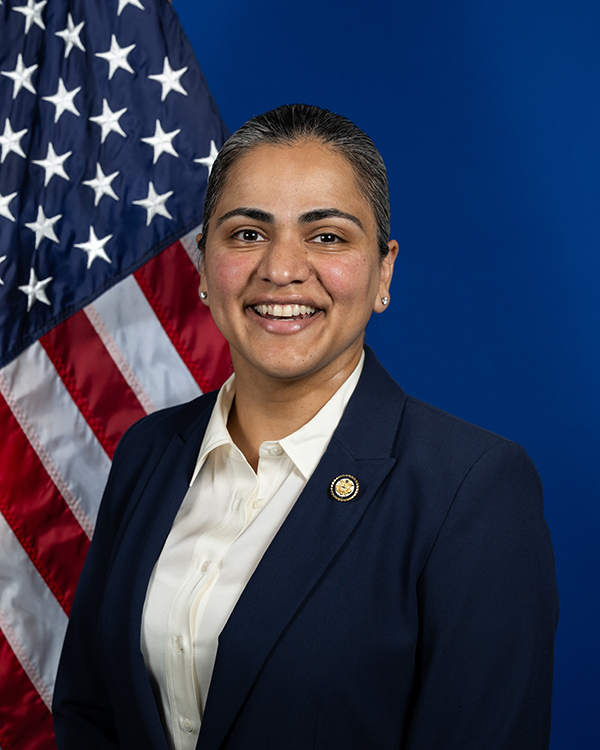
Aisha Wahab
100% support rate
Top opponent
Marsha Blackburn
11% support rate
Ranked legislators
10
5 support · 5 oppose
Key legislators

Who's moving environment in United States

Legislators moving environment in United States
Legislator Party Stance Support rate Decisive votes
Aisha Wahab
Aisha Wahab House · District 14
D
Strong +
100% 7
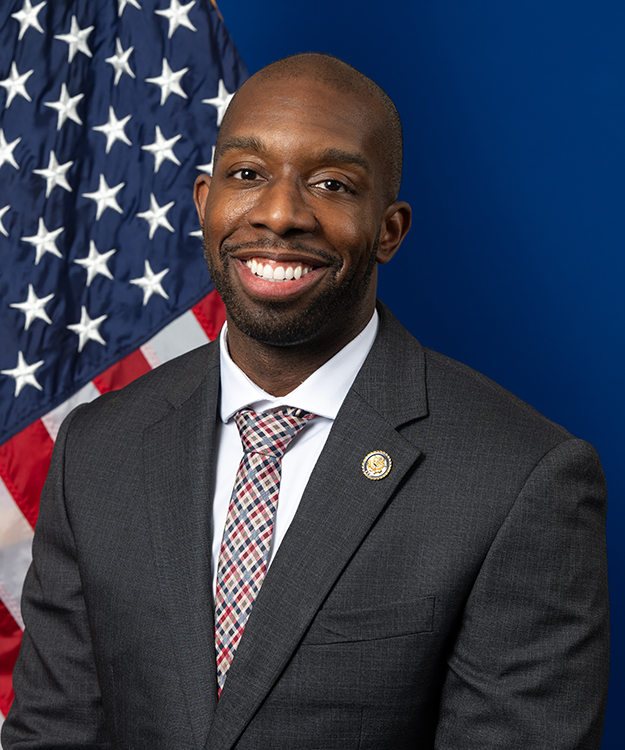
Everton Blair Jr.
Everton Blair Jr. House · District 13
D
Strong +
89% 9
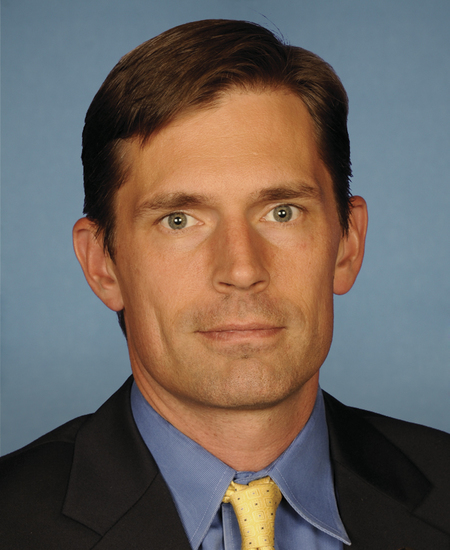
Martin Heinrich
Martin Heinrich Senate
D
Strong +
84% 37
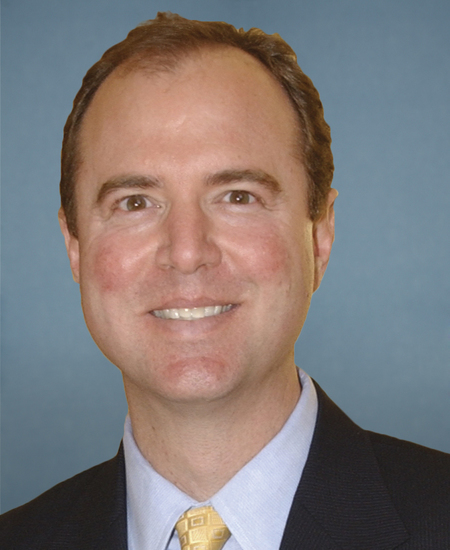
Adam B. Schiff
Adam B. Schiff Senate
D
Support
79% 53
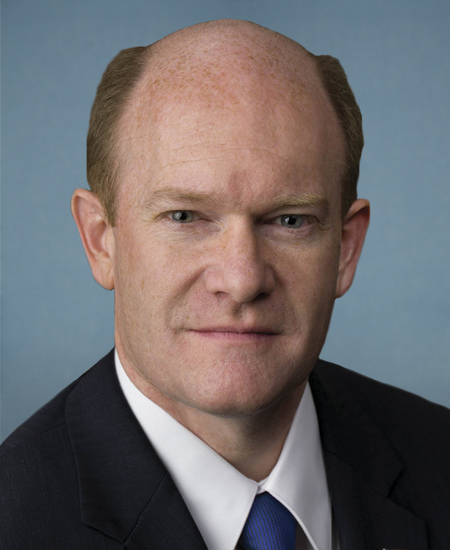
Christopher A. Coons
Christopher A. Coons Senate
D
Support
79% 52
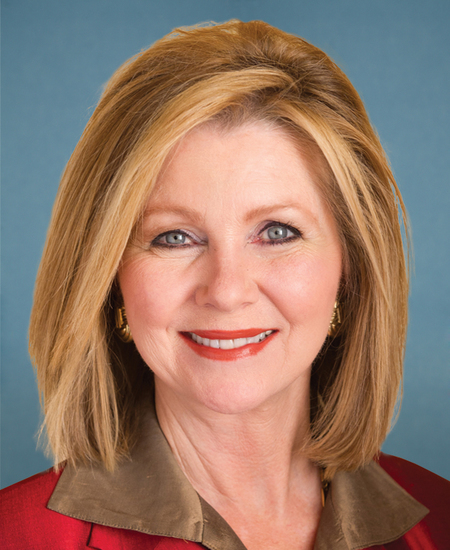
Marsha Blackburn
Marsha Blackburn Senate
R
Strong −
11% 36
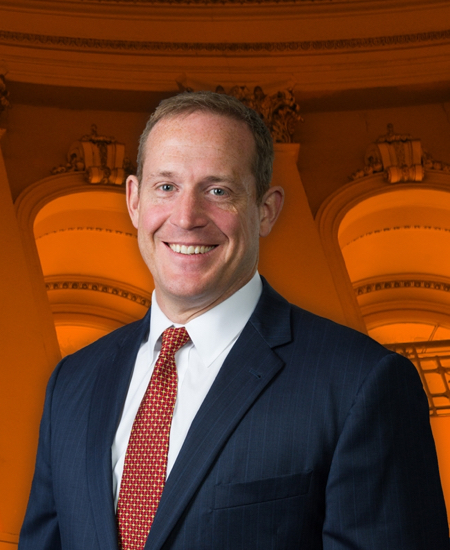
Ted Budd
Ted Budd Senate
R
Strong −
20% 40
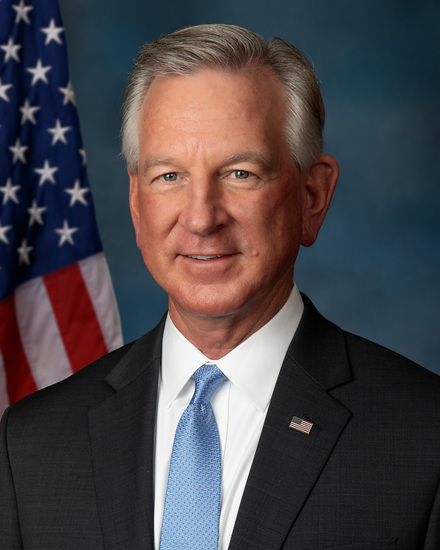
Tommy Tuberville
Tommy Tuberville Senate
R
Oppose
21% 53
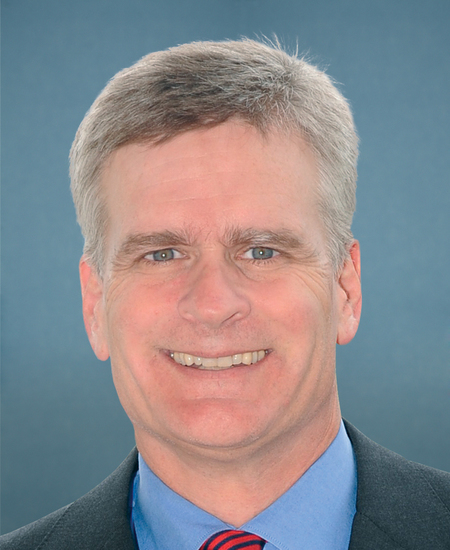
Bill Cassidy
Bill Cassidy Senate
R
Oppose
22% 54
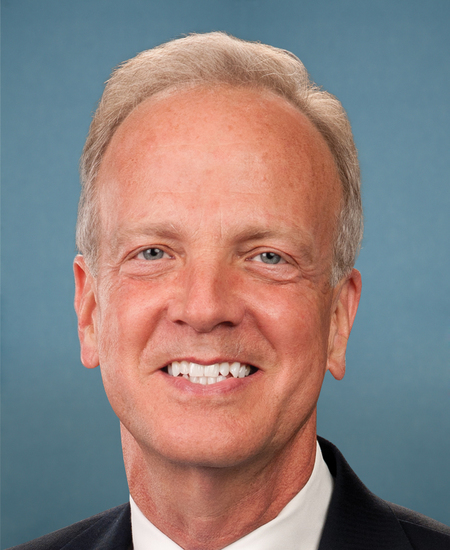
Jerry Moran
Jerry Moran Senate
R
Oppose
23% 53
Showing 1,201–1,210 of 1,481 bills

All environment bills

in committee · United States · House Nov 8, 2025

HR 5966: Ohio River Restoration Program Act

HR 5966 establishes the Ohio River Basin Restoration Program within the Environmental Protection Agency (EPA) to advance large-scale restoration and protection of the Ohio River Basin. The program, funded with $350 million annually from 2026-2030, directs the EPA to create a dedicated Program Office and advisory council including representatives from the 14 Ohio River Basin states, tribal governments, and regional agencies. It requires projects to improve water quality, increase flood resilience, restore habitats, control invasive species, and remediate toxins - prioritizing natural infrastructure like restored wetlands over traditional structures. The program mandates annual public reporting on progress, funding use, and project outcomes, with the EPA developing a detailed action plan within two years of enactment.
in committee · United States · Senate Apr 8, 2025

S 1345: America's First Fuels Act

This bill increases tax incentives for residential and commercial biomass heating systems. It raises the energy efficient home improvement credit cap to $2,000 for certain biomass stoves/boilers and $10,000 for others, effective after 2025. It also creates a new 30% investment tax credit for qualifying "open-loop biomass heating property" (systems using biomass for space heating, hot water, or industrial heat) that meet specific efficiency (75% minimum), size (under 50 MMBtu), and emissions control requirements. These changes directly affect homeowners and businesses installing eligible biomass heating equipment by reducing their tax burden for qualifying purchases.
in committee · United States · Senate May 13, 2025

S 1730: Water Affordability, Transparency, Equity, and Reliability Act of 2025

This bill establishes significant federal funding for water infrastructure projects to improve affordability, transparency, equity, and reliability in water services. It allocates over $33 billion annually for clean water, drinking water, rural water, and Indian Health Service water infrastructure projects. The bill requires a comprehensive study on water affordability, discrimination in water services, and data collection about service disconnections, with a report to Congress within one year. It includes specific provisions about funding priorities, public ownership requirements for water systems, and protections for vulnerable populations facing service disconnections, affecting communities across the U.S., particularly low-income neighborhoods, rural areas, tribal communities, and colonias.
in committee · United States · House Mar 25, 2025

HR 2339: Children’s Health Protection Act of 2025

The Children’s Health Protection Act of 2025 establishes a new Office of Children’s Health Protection within the Environmental Protection Agency (EPA), led by a Director appointed by the EPA Administrator. The Office will identify environmental health risks disproportionately affecting children, coordinate federal programs to address these risks, and develop resources for schools to implement environmental health programs. It will also work with a permanent advisory committee to advise on safe chemicals management, evaluate environmental contaminants linked to childhood disease, and support healthcare providers through pediatric environmental health specialty units. The bill authorizes $7.8 million annually for the Office and $13.2 million total for the program through 2030.
Tags Children
in committee · United States · House Feb 26, 2025

HR 1382: To amend the Federal Water Pollution Control Act with respect to San Francisco Bay restoration, and for other purposes.

HR 1382 amends the Federal Water Pollution Control Act to establish a formal San Francisco Bay Restoration Program. It provides federal funding through grants or cooperative agreements to local agencies, nonprofits, and the Estuary Partnership for specific Bay restoration projects, studies, and activities listed in an annual priority plan. The bill requires that federal funds cover no more than 75% of project costs, with non-federal sources (like local governments or nonprofits) contributing at least 25%. Additionally, it prohibits federal funding to entities with ties to certain foreign countries of concern, as defined in federal law.
Sub-Topics Water Quality
in committee · United States · House Jan 16, 2025

HR 536: Agricultural Environmental Stewardship Act of 2025

The Agricultural Environmental Stewardship Act of 2025 extends the deadline for a tax credit for qualified biogas property from December 31, 2024, to December 31, 2025. This change applies to biogas property construction beginning after December 31, 2024, as amended in the Internal Revenue Code. The bill directly affects agricultural businesses and producers building biogas systems that convert organic waste into energy, enabling them to claim the tax credit for a longer period. The key mechanism is a straightforward extension of an existing credit, without altering eligibility or creating new requirements.
in committee · United States · Senate Dec 9, 2025

S 1870: Rim of the Valley Corridor Preservation Act

This bill formally adds the "Rim of the Valley Unit" to the Santa Monica Mountains National Recreation Area by adjusting its boundaries. It specifies the exact land, water, and interests to be included, using two referenced maps (one from 2001 and a proposed 2023 addition). The addition does not change how the area is managed overall but requires that existing water and utility facilities continue operating while minimizing impacts on the area's natural resources. The change directly affects the lands within the newly defined boundaries, incorporating them into the existing national recreation area framework.
in committee · United States · Senate Mar 6, 2025

S 887: Basin Fund Preservation Act

S 887, the Basin Fund Preservation Act, requires the Interior and Energy Secretaries to create a memorandum of understanding (MOU) with the Glen Canyon Dam Work Group. This MOU must address how a 2024 decision about Glen Canyon Dam operations affects the Upper Colorado River Basin Fund, including impacts on infrastructure maintenance, hydropower production costs, and endangered species protections. The bill mandates the MOU include specific plans to manage these effects using existing hydropower contract data. It directly affects federal agencies managing the Fund and Glen Canyon Dam operations, without altering current laws or creating new obligations.
in committee · United States · Senate Jul 17, 2025

S 2340: Climate Change Health Protection and Promotion Act of 2025

This bill creates the Office of Climate Change and Health Equity within the Department of Health and Human Services to coordinate federal efforts addressing climate change's health impacts, with special focus on environmental justice communities and medically underserved populations. It requires the development of a National Strategic Action Plan within one year of enactment, to be updated annually, that identifies climate-related health risks and outlines strategies to protect vulnerable communities. The bill also establishes a science advisory board of experts and authorizes $10 million annually for the Office through fiscal year 2031 to support activities including tracking climate health risks, developing preparedness plans, and reducing greenhouse gas emissions in the health sector.
in committee · United States · House Dec 19, 2025

HR 6918: Climate Pollution Standard and Community Investment Act of 2025

# Summary of Proposed Clean Air Act Amendments This document proposes significant amendments to the Clean Air Act, creating a comprehensive framework for addressing greenhouse gas emissions while supporting affected workers and communities. ## Key Environmental Framework - Establishes a cap-and-trade system for greenhouse gas emissions through "emission allowances" (Title VII) - Creates "covered entities" required to comply with emissions limits - Implements an "International Reserve Allowance Program" for imported goods to prevent carbon leakage - Sets up a "Negative Emissions Activities Fund" to support carbon sequestration projects ## Major Funding Mechanisms 1. **Worker and Community Assistance Fund** (Section 103) - Supports transition assistance for workers and communities affected by the clean energy transition 2. **Cleaner Air Community Fund** (Section 104) - Funds community-based programs to improve air quality and support environmental justice 3. **Negative Emissions Activities Fund** (Section 105) - Supports programs that remove carbon from the atmosphere 4. **Energy Innovation Fund** (Section 106) - Funds research and development for clean energy technologies 5. **Clean Energy Rebate Program** (Section 102) - Provides direct rebates to eligible households for clean energy investments ## Worker and Community Assistance Programs - **Section 201-208** establishes a comprehensive program to support workers and communities affected by the transition to clean energy - **Adversely affected workers** (those partially or totally separated from employment at impacted employers) receive: - Wage adjustment assistance (up to 36 months) - Health insurance continuation (80% premium coverage for 36 months) - Educational benefits comparable to veterans' education programs - Employment services and training - **Adversely affected communities** (local governments facing significant tax revenue loss) receive: - Annual payments to replace lost local revenues (90% in first two years, decreasing to 25% in years seven and eight) - Grants for economic diversification planning - Community-Based Transition Hubs to coordinate local assistance efforts ## Key Features - **International Reserve Allowance Program** (Section 751-752) to ensure imported goods meet the same emissions standards as domestic products - **Conforming amendments** to the Clean Air Act to integrate these new programs - **Interagency coordination** through the Interagency Energy and Economic Transition Task Force - **Stakeholder Advisory Committee** to provide input from affected communities and workers - **Worker and Community Transition Report** to be submitted to Congress biennially This legislation represents a comprehensive approach to addressing climate change while simultaneously creating a safety net for workers and communities impacted by the transition to a clean energy economy.
Showing 1,201 to 1,210 of 1,481 bills