Issue · Energy

Energy

Every energy bill, vote, and legislator stance in United States, automatically classified by Maddy, our AI policy reader.

Total bills
886
119th Congress
Top supporter
Martin Heinrich
75% support rate
Top opponent
Marsha Blackburn
26% support rate
Ranked legislators
10
5 support · 5 oppose
Key legislators

Who's moving energy in United States

Legislators moving energy in United States
Legislator Party Stance Support rate Decisive votes
Martin Heinrich
Martin Heinrich Senate
D
Support
75% 24
John W. Hickenlooper
John W. Hickenlooper Senate
D
Support
74% 38
Frederica S. Wilson
Frederica S. Wilson House · District 24
D
Support
74% 34
Brendan F. Boyle
Brendan F. Boyle House · District 2
D
Support
73% 49
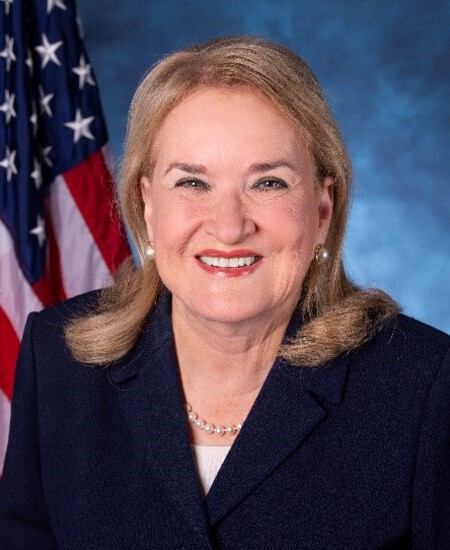
Sylvia R. Garcia
Sylvia R. Garcia House · District 29
D
Support
72% 47
Marsha Blackburn
Marsha Blackburn Senate
R
Oppose
26% 23
Chip Roy
Chip Roy House · District 21
R
Oppose
27% 52
Ted Budd
Ted Budd Senate
R
Oppose
27% 26
Gregory F. Murphy
Gregory F. Murphy House · District 3
R
Oppose
28% 46
Mike Johnson
Mike Johnson House · District 4
R
Oppose
28% 46
Showing 241–250 of 886 bills

All energy bills

in committee · United States · House Apr 13, 2026

HR 8248: Grid Expansion and Reliability Act

This bill, known as the Grid Expansion and Reliability Act, shifts authority over siting interstate electric transmission facilities from the Department of Energy to the Federal Energy Regulatory Commission. It allows companies to self-certify and begin building transmission lines in designated national interest corridors without waiting for a full permit, provided they submit specific information about their identity, project details, and timeline. The Federal Energy Regulatory Commission must create regulations for this process within a year, conduct annual audits of certifications, and report to Congress on how well the system works. These changes aim to streamline the approval process for new power grid infrastructure while maintaining oversight through reporting and auditing requirements.
in committee · United States · House Apr 9, 2026

HR 8222: End Russian Oil Windfalls Act

This bill prohibits the sale and delivery of Russian crude oil and petroleum products that were loaded onto vessels after March 5, 2026, and bans future Treasury licenses for such transactions. It requires the President to impose sanctions within 30 days on Russian individuals and entities involved in oil and gas extraction, refinement, or maritime transportation, including blocking their U.S.-based assets and revoking their U.S. visas. The legislation includes exceptions for humanitarian goods like food and medicine, as well as intelligence and national security activities. Additionally, the bill mandates regular reports to Congress on Russian oil export volumes, revenues, and any involvement of Russian energy companies in the abduction of Ukrainian children.
Sub-Topics Oil & Gas
in committee · United States · House Apr 9, 2026

HR 8220: NOPE Act

The NOPE Act prohibits the sale and delivery of Iranian crude oil and petroleum products by canceling a specific Treasury license and restricting future transactions related to such exports. It requires the President to impose sanctions on Iranian individuals and entities involved in oil extraction, refining, or maritime transportation of petroleum products, including blocking their U.S. assets and revoking their visas. The bill includes exceptions for humanitarian aid, UN-related activities, and national security operations, while also mandating regular reports to Congress on the impact of these restrictions on Iranian oil exports and revenues.
Sub-Topics Oil & Gas
in committee · United States · Senate Mar 25, 2026

S 4213: Data Center Water and Energy Transparency Act of 2026

This bill requires data centers with a peak demand of at least 25 megawatts to submit annual reports on their energy and water consumption to state agencies or federal officials if states lack such programs. The reports must include monthly usage data, efficiency metrics, and five-year projections for future energy and water use, along with plans for improving efficiency. States can charge fees to cover data collection costs, and the federal government will publish annual aggregated reports on national data center impacts on energy and water resources.
Sub-Topics Data Privacy Tags Data Reporting
in committee · United States · House Mar 27, 2026

HR 8146: Rural Utilities Service Modernization Act

This bill creates a web-based platform for rural communities receiving federal assistance from the Rural Utilities Service to track their project status through permitting and review stages. It also establishes new grants to help eligible entities with pre-development planning and requires improvements to grant application timelines and online submission processes. The legislation authorizes funding for developing and maintaining the tracking platform, provides up to $15 million annually for planning grants, and mandates regular reports to Congress on program performance and efficiency.
Tags Rural Communities
in committee · United States · Senate Mar 23, 2026

S 4163: Advancing Regional Quantum Hubs Act of 2026

This bill amends the National Quantum Initiative Act to formally establish regional innovation initiatives focused on quantum information science and technology. It requires collaboration between federal agencies, including the Departments of Commerce and Energy, and the National Science Foundation to support quantum research, education, and industry development in specific geographic areas. The legislation aims to strengthen partnerships with universities, small businesses, and startups to address regional, national, and global challenges through quantum capabilities. By adding the Economic Development Administration to relevant subcommittees and creating new funding pathways, the bill seeks to expand quantum infrastructure and innovation capacity across the United States.
Sub-Topics Emerging Technology
in committee · United States · House Mar 24, 2026

HR 8069: Strategic Subsea Cables Act of 2026

The Strategic Subsea Cables Act of 2026 establishes a new interagency committee to coordinate federal efforts for protecting undersea cables and pipelines, which carry global data and energy supplies. The bill requires the State Department to hire additional staff focused on cable security and mandates regular reports on sabotage incidents, particularly those involving China and Russia. It authorizes the President to impose sanctions on foreign entities that sabotage or support sabotage of critical undersea infrastructure, including blocking their assets and revoking their visas. The legislation also creates formal procedures for sharing classified and unclassified information between government agencies and private cable operators to improve threat detection and response.
in committee · United States · House Apr 13, 2026

HR 8249: Making Reviews Certain Act

This bill, known as the Making Reviews Certain Act, modifies how federal agencies prepare environmental documents and how courts review those documents, primarily affecting projects related to energy infrastructure. It restricts the scope of environmental review to effects that have a direct causal relationship to the immediate project, rather than broader secondary impacts. The legislation also limits judicial challenges to energy infrastructure projects by requiring claims to be filed within 180 days and only allowing review from parties who submitted detailed comments during public periods or who will suffer direct harm. Additionally, it narrows when courts can overturn agency decisions, permitting vacatur only when there is a significant risk of substantial environmental harm and no other legal remedy exists. Finally, the bill clarifies that courts should defer to agency expertise when determining what environmental effects are reasonably foreseeable.
in committee · United States · House Apr 2, 2026

HR 8177: Critical Undersea Infrastructure Resilience Initiative Act

This bill establishes the Taiwan Critical Undersea Infrastructure Resilience Initiative to protect submarine cables and energy pipelines near Taiwan from sabotage, particularly by the People's Republic of China. It directs the State Department to create a program that includes advanced monitoring systems, rapid response protocols, enhanced maritime surveillance, and international cooperation to detect and mitigate threats to these critical communication and energy assets. The legislation authorizes $20 million annually through 2032 for these activities and mandates the hardening of undersea infrastructure to reduce vulnerability to damage. Additionally, the bill authorizes the President to impose sanctions on foreign entities that sabotage or facilitate attacks on undersea infrastructure critical to Taiwan or U.S. allies, and requires the creation of a Cross-Strait Contingency Planning Group to coordinate U.S. government responses to potential crises involving Taiwan.
in committee · United States · House Mar 20, 2026

HR 8021: American Petroleum First Act

This bill, known as the American Petroleum First Act, modifies U.S. maritime laws to allow foreign vessels to transport crude oil and petroleum products across American coastal waters. It specifically excludes ships owned, operated, or crewed by Russian or Chinese nationals or governments from this exemption. The legislation aims to increase flexibility for domestic energy transport by permitting non-U.S.-flagged vessels to operate in coastal routes, provided they do not have ties to Russia or China. This change affects shipping companies and maritime operators by expanding the pool of eligible vessels for petroleum transport while maintaining restrictions on vessels from sanctioned nations.
Showing 241 to 250 of 886 bills
Previous 1 24 25 26 89 Next