Issue · Education

Education (Higher Education)

Every education bill, vote, and legislator stance in United States, automatically classified by Maddy, our AI policy reader.

Total bills
260
119th Congress
Top supporter
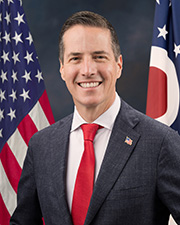
Bernie Moreno
100% support rate
Top opponent
Adam B. Schiff
0% support rate
Ranked legislators
10
5 support · 5 oppose
Key legislators

Who's moving higher education in United States

Legislators moving higher education in United States
Legislator Party Stance Support rate Decisive votes
Bernie Moreno
Bernie Moreno Senate
R
Strong +
100% 6
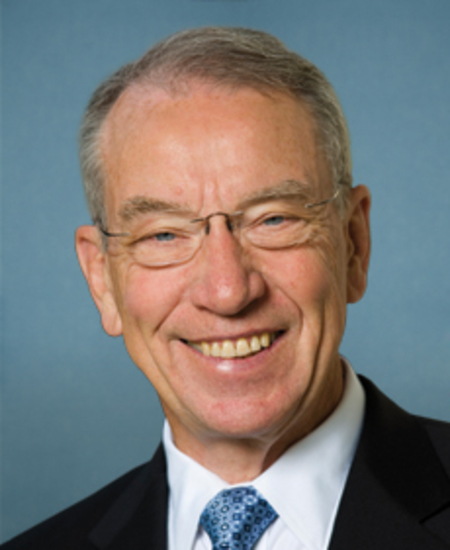
Chuck Grassley
Chuck Grassley Senate
R
Strong +
100% 6
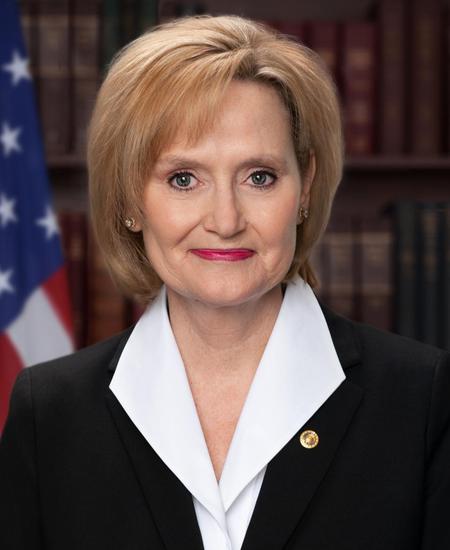
Cindy Hyde-Smith
Cindy Hyde-Smith Senate
R
Strong +
100% 6
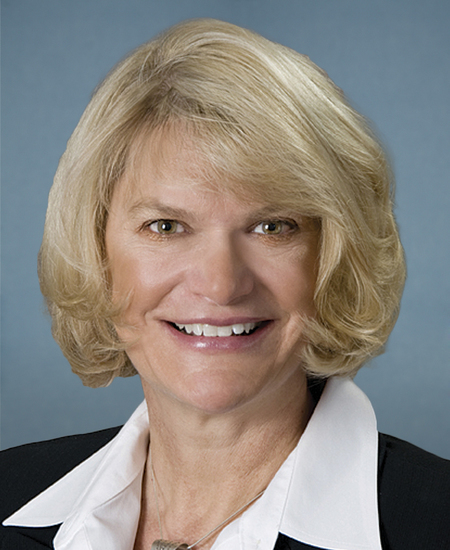
Cynthia M. Lummis
Cynthia M. Lummis Senate
R
Strong +
100% 6
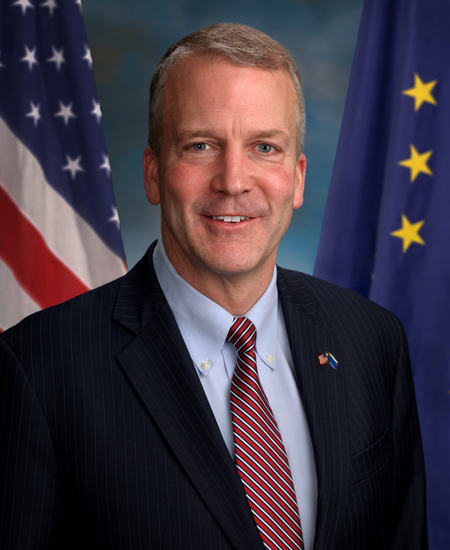
Dan Sullivan
Dan Sullivan Senate
R
Strong +
100% 6
Adam B. Schiff
Adam B. Schiff Senate
D
Strong −
0% 6
Angela D. Alsobrooks
Angela D. Alsobrooks Senate
D
Strong −
0% 6
Bernard Sanders
Bernard Sanders Senate
I
Strong −
0% 6
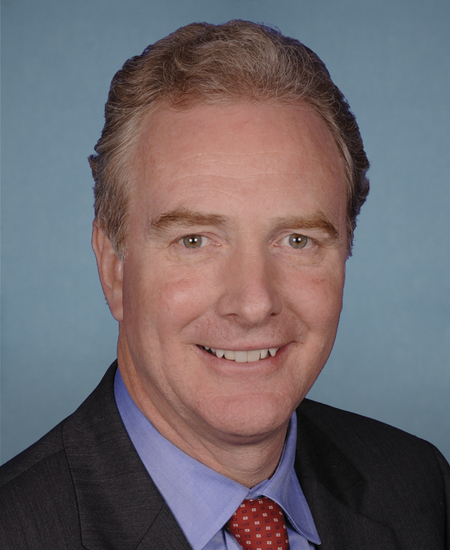
Chris Van Hollen
Chris Van Hollen Senate
D
Strong −
0% 6
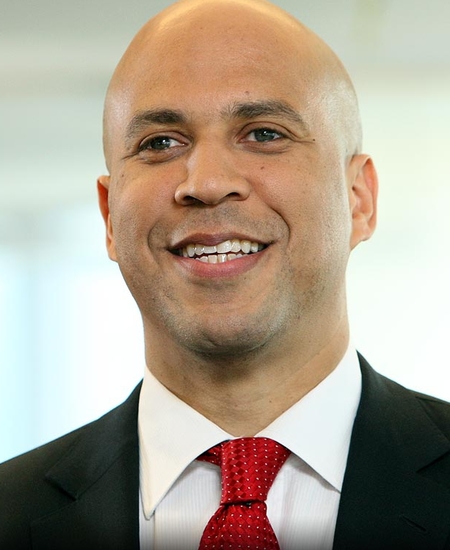
Cory A. Booker
Cory A. Booker Senate
D
Strong −
0% 6
Showing 51–60 of 260 bills

All education bills

in committee · United States · Senate May 14, 2026

S 4541: Senator Paul Simon Study Abroad Program Act of 2026

This bill establishes the Senator Paul Simon Study Abroad Program by renaming the existing IDEAS Program and directing the Secretary of State to expand access to international study opportunities. The legislation creates a competitive grant system for colleges and universities to support students, with a specific focus on increasing participation among low-income students, students of color, and those attending minority-serving institutions. To achieve its goals, the program prioritizes funding for initiatives that include world language learning, safety measures, and study in developing nations, aiming to reach one million undergraduate students annually within ten years. Institutions receiving grants must submit detailed plans outlining how they will use the funds and demonstrate a commitment to sustaining these programs over time.
Sub-Topics Higher Education
in committee · United States · Senate Apr 22, 2026

S 4371: TECH Act

The TECH Act allows qualified technical schools to apply for the same federal funding as traditional two-year and four-year colleges. To make this happen, the bill requires government agencies to update their rules and application forms so these technical schools can participate in specific grant programs for student support and workforce training. A technical school must offer approved career training programs that lead to recognized credentials in high-demand fields like healthcare or manufacturing to qualify. This change aims to help these schools compete more fairly for financial resources while ensuring they prepare students for essential jobs.
in committee · United States · House Apr 30, 2026

HR 8618: College Affordability and Accessibility Act

The College Affordability and Accessibility Act increases the maximum Federal Pell Grant amount to $14,800, effective July 1, 2026, and adjusts future amounts based on changes in the Consumer Price Index. It also extends the eligibility period for Pell Grants to include up to 16 semesters for completing both undergraduate and postbaccalaureate degrees, provided students meet specific enrollment requirements. These changes directly affect low-income students who rely on federal financial aid to cover college costs. The bill modifies existing provisions in the Higher Education Act of 1965 to implement these adjustments.
passed · United States · Senate Apr 22, 2026

SRES 686: A resolution recognizing the significance of Community College Month in April as a celebration of more than 1,000 institutions throughout the United States supporting access to higher education, workforce training, and more broadly sustaining and advancing the economic prosperity of the United States.

This Senate resolution formally acknowledges April as Community College Month to honor the role of over 1,000 institutions in providing affordable higher education and workforce training. The bill does not change any laws or allocate funding; instead, it serves as a symbolic statement recognizing how these colleges support economic prosperity and serve diverse student populations. By highlighting statistics on enrollment, tuition costs, and economic impact, the resolution aims to raise public awareness about the value of community colleges without imposing new requirements.
Sub-Topics Higher Education
in committee · United States · House Apr 27, 2026

HR 8499: Saving Lives on Campuses Act of 2026

The Saving Lives on Campuses Act of 2026 requires public colleges and universities receiving federal funding to provide opioid overdose rescue kits across their campuses. These kits, which contain naloxone or similar FDA-approved medications, must be placed in classrooms, libraries, dormitories, and other student facilities, often near automated external defibrillators. Institutions are also tasked with registering kit locations, replacing expired supplies, and training new students on how to find and use them. The law aims to increase access to life-saving treatment for opioid overdoses by ensuring these medical supplies are readily available in high-traffic campus areas.
in committee · United States · House Aug 20, 2026

HR 8476: No Antisemitism in Education Act of 2026

The No Antisemitism in Education Act of 2026 requires schools and universities receiving federal funds to treat antisemitism with the same seriousness as other forms of discrimination prohibited by Title VI of the Civil Rights Act. Under this law, institutions must use the official definition of antisemitism found in a prior presidential executive order to investigate complaints and enforce their own policies. The bill explicitly states that these requirements do not violate free speech rights or override existing state laws, ensuring that Jewish students and staff are protected from harassment and exclusion on campus.
Sub-Topics Higher Education
in committee · United States · Senate Apr 29, 2026

S 4431: Time for Completion Act

The Time for Completion Act requires colleges to publicly report how many students finish their degree programs within specific timeframes, such as the normal duration, 150 percent, 200 percent, and 300 percent of the expected length. This reporting applies to both short and long programs and must be broken down by student type, including whether they are first-time or returning students and whether they attend full-time or part-time. The law also updates federal financial aid regulations to ensure these completion rates are included in institutional data used for determining eligibility and funding. By mandating consistent and visible display of these statistics, the bill aims to provide prospective students and families with clearer information about graduation timelines at higher education institutions.
in committee · United States · House May 13, 2026

HR 8791: IGNITE HBCU Excellence Act

The IGNITE HBCU Excellence Act authorizes federal grants to Historically Black Colleges and Universities (HBCUs) to fund long-term improvements to their campus facilities and infrastructure. These grants are awarded competitively to eligible HBCUs based on criteria such as the age of their facilities, deferred maintenance needs, financial capacity, and student enrollment levels. Recipients may use the funds to construct or renovate buildings, upgrade technology and broadband systems, improve safety measures, and develop workforce training hubs, while being prohibited from using the money for routine maintenance or athletic facilities. The legislation also includes provisions for reporting on project outcomes and requires institutions to create comprehensive master plans that involve consultation with diverse campus and community stakeholders.
in committee · United States · House May 15, 2026

HRES 1298: Supporting the goals and ideals of "National Charter Schools Week", to be observed from May 10 through May 16, 2026.

This resolution formally recognizes National Charter Schools Week, which will be observed from May 10 through May 16, 2026. It highlights the role of public charter schools as tuition-free public education options that offer families diverse and innovative choices for their children. The document acknowledges the growth of these schools and their stated goals of promoting academic excellence, accountability, and community responsiveness. By passing this measure, the House of Representatives expresses support for the charter school sector and encourages communities to hold events celebrating these institutions during the designated week.
in committee · United States · Senate May 14, 2026

S 4531: Student Aid Fraud Oversight and Accountability Act of 2026

The Student Aid Fraud Oversight and Accountability Act of 2026 requires colleges to report any student whose financial aid application raised reasonable suspicion of identity fraud after October 1, 2026. These reports will be used to help the Department of Education prioritize program reviews and audits for institutions with higher numbers of flagged cases. The bill allows schools to avoid reporting a student if they can prove they verified the student's identity through in-person or live video checks before disbursing funds. Importantly, identifying a school in this way does not automatically mean the institution has failed to meet legal requirements.
Showing 51 to 60 of 260 bills
Previous 1 … 5 6 7 … 26 Next