Issue · Education

Education (Higher Education)

Every education bill, vote, and legislator stance in United States, automatically classified by Maddy, our AI policy reader.

Total bills
260
119th Congress
Top supporter
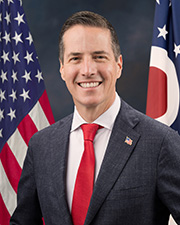
Bernie Moreno
100% support rate
Top opponent
Adam B. Schiff
0% support rate
Ranked legislators
10
5 support · 5 oppose
Key legislators

Who's moving higher education in United States

Legislators moving higher education in United States
Legislator Party Stance Support rate Decisive votes
Bernie Moreno
Bernie Moreno Senate
R
Strong +
100% 6
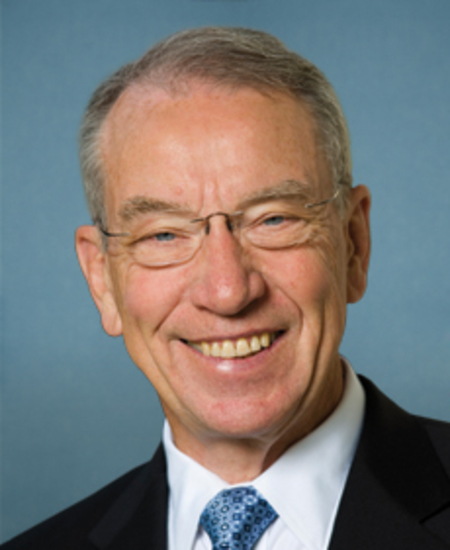
Chuck Grassley
Chuck Grassley Senate
R
Strong +
100% 6
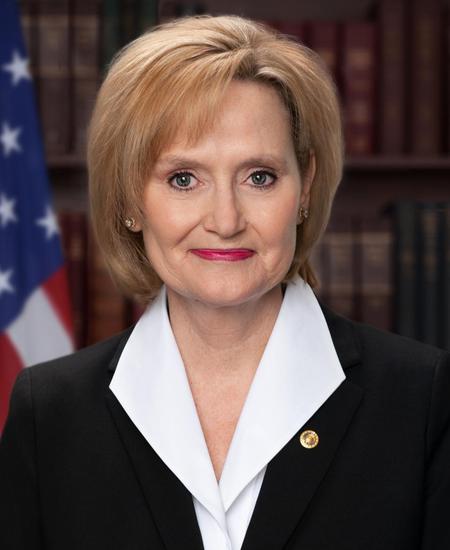
Cindy Hyde-Smith
Cindy Hyde-Smith Senate
R
Strong +
100% 6
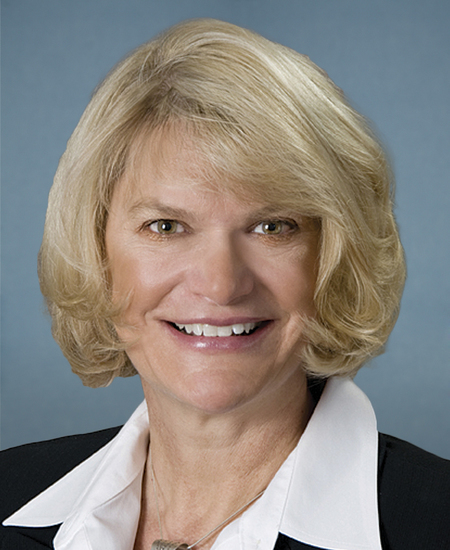
Cynthia M. Lummis
Cynthia M. Lummis Senate
R
Strong +
100% 6
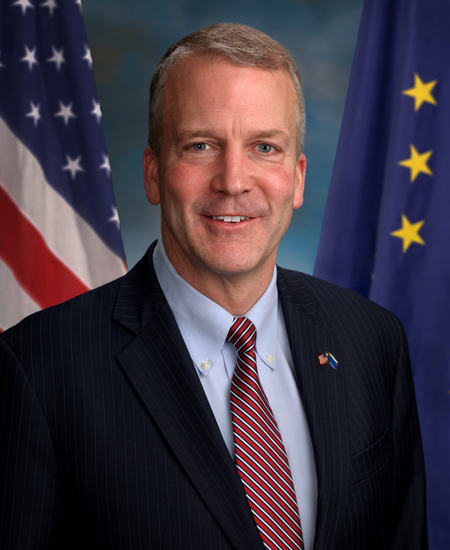
Dan Sullivan
Dan Sullivan Senate
R
Strong +
100% 6
Adam B. Schiff
Adam B. Schiff Senate
D
Strong −
0% 6
Angela D. Alsobrooks
Angela D. Alsobrooks Senate
D
Strong −
0% 6
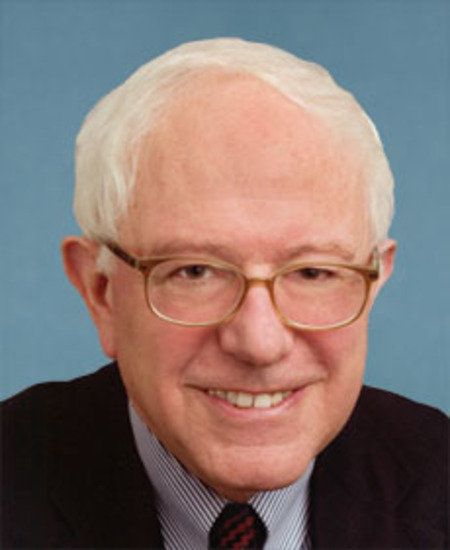
Bernard Sanders
Bernard Sanders Senate
I
Strong −
0% 6
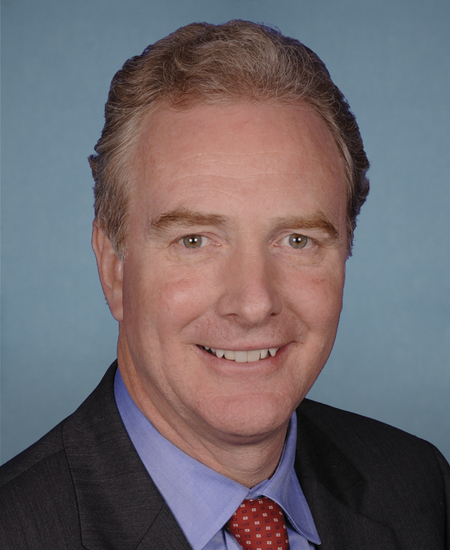
Chris Van Hollen
Chris Van Hollen Senate
D
Strong −
0% 6
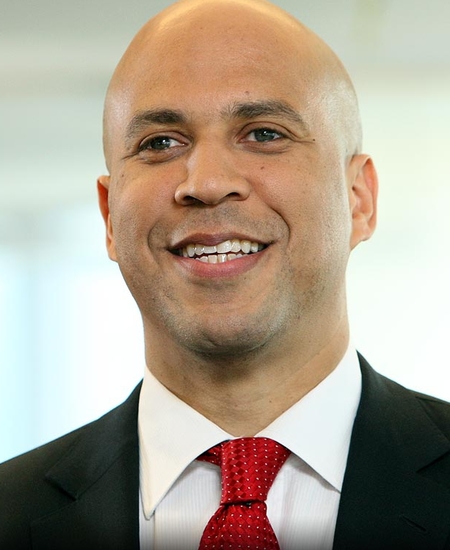
Cory A. Booker
Cory A. Booker Senate
D
Strong −
0% 6
Showing 31–40 of 260 bills

All education bills

in committee · United States · House Jul 22, 2026

HR 9881: Higher Education Accreditation Accountability Act

The Higher Education Accreditation Accountability Act strengthens oversight of college accreditation agencies and institutions by requiring new accrediting bodies to prove they have successfully accredited at least one school for two years before receiving federal recognition. Under the bill, initial recognition for these agencies would be limited to three years, with subsequent renewals capped at five years, and agencies must submit detailed documentation for every new program they accredit. The legislation also introduces stricter rules for colleges switching their primary accrediting agency, mandating that institutions provide written justification and supporting evidence to the Department of Education, which must then publicly review the application and deny changes if the school is trying to avoid sanctions or if the new agency has recent disciplinary actions. These measures aim to ensure that accreditation standards remain consistent and that institutions cannot easily switch agencies to evade oversight or maintain lower quality standards.
Sub-Topics Higher Education
in committee · United States · House Jul 27, 2026

HR 9960: Higher Education Access and Success for Homeless and Foster Youth Act of 2026

The Higher Education Access and Success for Homeless and Foster Youth Act of 2026 expands federal protections and support services for homeless and foster care students in higher education. It requires colleges to designate trained staff liaisons to assist these students with accessing resources like housing, food, and financial aid, while also mandating that institutions provide priority access to on-campus housing for this population. The bill further updates various federal student aid programs to explicitly include homeless and foster youth, ensuring they are treated as independent students for financial aid purposes and are actively recruited and retained through targeted outreach. Additionally, the legislation establishes new reporting requirements for colleges to track the number of these students served and mandates that states offer in-state tuition rates to homeless and foster youth attending public institutions.
in committee · United States · House Jul 16, 2026

HR 9741: To name the District of Columbia tuition assistance grant program the "Eleanor Holmes Norton District of Columbia Tuition Assistance Grant Program".

This bill changes the official name of the District of Columbia tuition assistance grant program to the "Eleanor Holmes Norton District of Columbia Tuition Assistance Grant Program." The change directly affects the program established by the District of Columbia College Access Act of 1999, which provides financial aid to eligible students. By renaming the program, the legislation honors Eleanor Holmes Norton, a former representative from the District of Columbia, without altering the program's funding rules or eligibility requirements. All future legal documents and records referring to the program will use this new name to reflect the tribute.
in committee · United States · Senate Jul 16, 2026

S 5021: Protecting Students from Worthless Degrees Act

The Protecting Students from Worthless Degrees Act restricts federal funding for college programs that fail to meet specific standards regarding licensure preparation and student earnings. To qualify for federal aid, programs designed to prepare students for licensed professions must ensure graduates can take required exams and obtain certification in the state where they live, while also providing necessary internships or clinical placements. Additionally, the bill introduces a debt-to-earnings test that bars funding for programs where the average student's annual loan payments exceed 8% of their median earnings or where payments exceed 20% of their discretionary income. Institutions offering distance learning courses must also be legally authorized in every state where their students reside, unless participating in a mutual agreement between states.
Sub-Topics Higher Education
in committee · United States · Senate Jun 24, 2026

S 4897: Credit for Prior Learning Act

The Credit for Prior Learning Act allows students to use federal financial aid to pay for assessments that evaluate their existing knowledge and skills for college credit. It specifically allocates up to $2,000 per year to cover reasonable costs like test fees for these evaluations, provided the assessments meet specific criteria regarding skills rather than just experience. The law also requires colleges to have clear, expert-reviewed standards for granting credit and mandates that institutions publicly report data on how many students receive this credit, broken down by race, income, and Pell Grant status. These changes are designed to make it easier for individuals to earn academic credit for what they already know while increasing transparency in higher education. The provisions will take effect on July 1, 2027.
in committee · United States · House Jul 6, 2026

HR 9596: Federal Jobs for STARs Act of 2026

The Federal Jobs for STARs Act of 2026 aims to increase hiring opportunities for individuals in the federal workforce who have gained skills through alternative routes like military service, apprenticeships, or community colleges rather than traditional four-year degrees. It requires the Office of Personnel Management to restrict agencies from mandating bachelor's degrees unless absolutely necessary and to create a specific section on federal job websites dedicated to these candidates. Additionally, the bill mandates a study to explore funding options, such as scholarships and tuition assistance, to help current federal employees with these backgrounds pursue further education.
in committee · United States · House Jun 30, 2026

HR 9568: HUSTLE Act

The HUSTLE Act creates a new type of tax-advantaged savings account specifically for college athletes to manage money earned from their name, image, and likeness. Eligible students at participating colleges can deposit this income into the account without paying taxes on it immediately, provided the funds are used for qualified expenses like education or career transition costs. The bill includes strict rules on how the money can be invested, limits on contribution amounts, and requirements for financial education to help athletes plan for life after their sports careers. Additionally, the account allows athletes to transfer funds to traditional retirement accounts once they are no longer eligible athletes, with a lifetime limit on such conversions.
Sub-Topics Higher Education
in committee · United States · Senate Jun 23, 2026

S 4859: Pell Grant Preservation and Expansion Act of 2026

The Pell Grant Preservation and Expansion Act of 2026 aims to increase financial aid for college students by doubling the maximum Federal Pell Grant award to $10,000 for the 2026-2027 school year, with amounts rising annually to reach $15,000 by 2031-2032. The bill also changes the funding structure so that Pell Grants become a mandatory program that automatically adjusts for inflation rather than relying on annual congressional appropriations. Additional provisions expand eligibility to include students with negative financial aid indexes, provide special rules for recipients of means-tested benefits, and allow Dreamer students who become citizens or permanent residents to qualify for aid. The legislation further restores the total number of semesters a student can receive Pell Grants from 12 to 18 and modifies how institutions determine satisfactory academic progress to reduce penalties for students struggling with course requirements.
in committee · United States · House Jun 11, 2026

HR 9300: Postsecondary Student Success Act of 2026

The Postsecondary Student Success Act of 2026 creates a competitive grant program to help colleges improve graduation rates for high-need students, including those from low-income backgrounds, first-generation families, and military-connected individuals. To receive funding between 2027 and 2032, eligible institutions must submit plans detailing how they will use evidence-based strategies, such as better advising, accelerated learning options, and improved transfer pathways, to support student retention and completion. The law requires that at least 20 percent of the available funds go to projects using the most rigorously tested methods and mandates that 2 percent be reserved specifically for Tribal Colleges and Universities. Additionally, the Department of Education must evaluate the effectiveness of these programs and report the results to Congress within 18 months of the bill's enactment.
in committee · United States · Senate Jun 18, 2026

S 4843: Enhancing Mental Health and Suicide Prevention Through Campus Planning Act

This bill directs the Secretary of Education to create and share evidence-based model plans for mental health and suicide prevention specifically for colleges and universities. In partnership with the Substance Abuse and Mental Health Services Administration, the government will provide technical assistance to schools that wish to adopt these models, while also considering existing state efforts and collaborating with various community and student groups. The legislation requires regular updates to these model plans every five years and mandates periodic reports to Congress on the program's progress. Importantly, the bill clarifies that these measures are voluntary guidelines and do not impose new legal requirements on higher education institutions.
Showing 31 to 40 of 260 bills
Previous 1 … 3 4 5 … 26 Next