Issue · Education

Education (Higher Education)

Every education bill, vote, and legislator stance in United States, automatically classified by Maddy, our AI policy reader.

Total bills
260
119th Congress
Top supporter
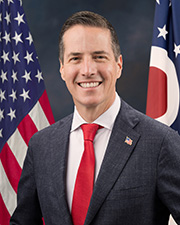
Bernie Moreno
100% support rate
Top opponent
Adam B. Schiff
0% support rate
Ranked legislators
10
5 support · 5 oppose
Key legislators

Who's moving higher education in United States

Legislators moving higher education in United States
Legislator Party Stance Support rate Decisive votes
Bernie Moreno
Bernie Moreno Senate
R
Strong +
100% 6
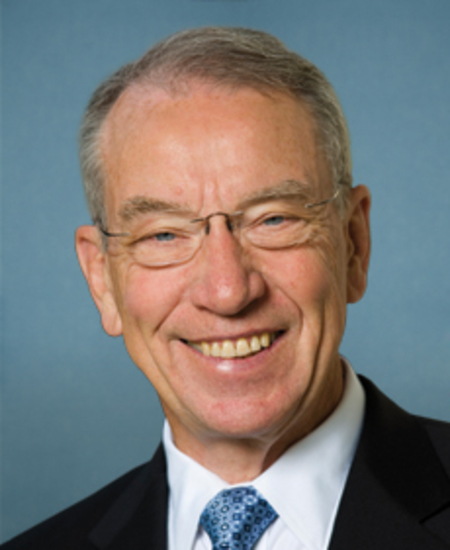
Chuck Grassley
Chuck Grassley Senate
R
Strong +
100% 6
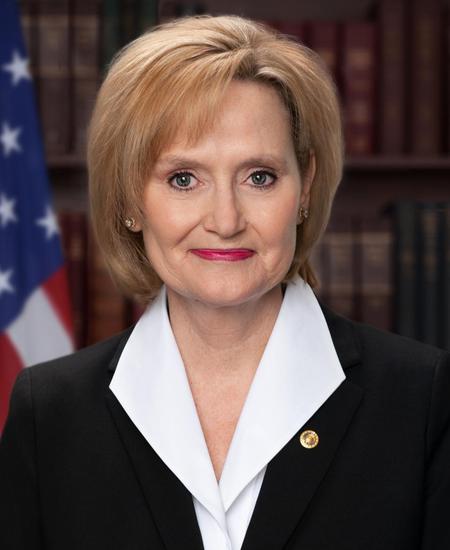
Cindy Hyde-Smith
Cindy Hyde-Smith Senate
R
Strong +
100% 6
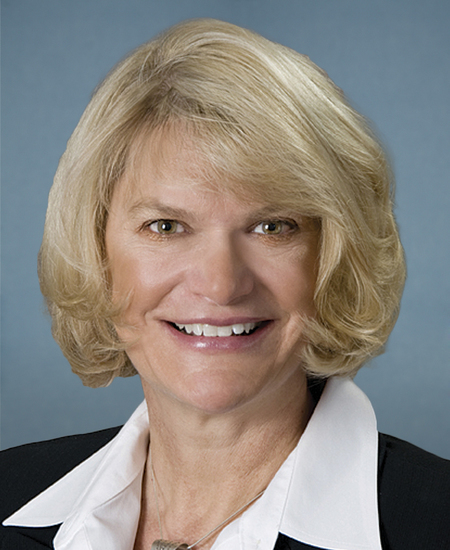
Cynthia M. Lummis
Cynthia M. Lummis Senate
R
Strong +
100% 6
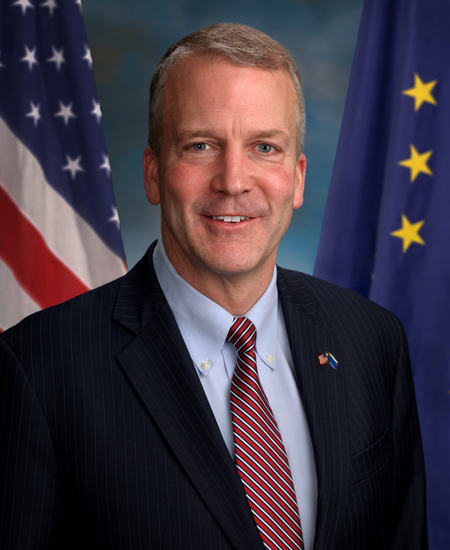
Dan Sullivan
Dan Sullivan Senate
R
Strong +
100% 6
Adam B. Schiff
Adam B. Schiff Senate
D
Strong −
0% 6
Angela D. Alsobrooks
Angela D. Alsobrooks Senate
D
Strong −
0% 6
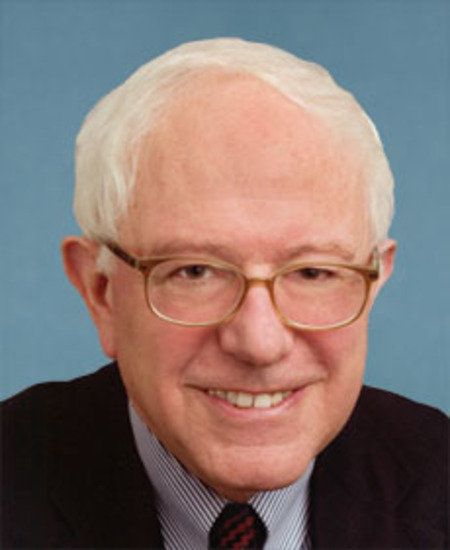
Bernard Sanders
Bernard Sanders Senate
I
Strong −
0% 6
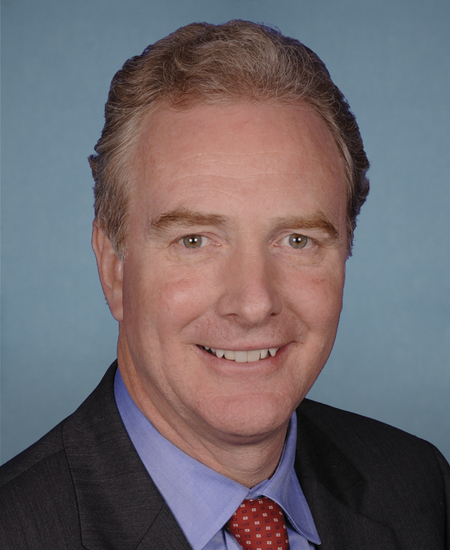
Chris Van Hollen
Chris Van Hollen Senate
D
Strong −
0% 6
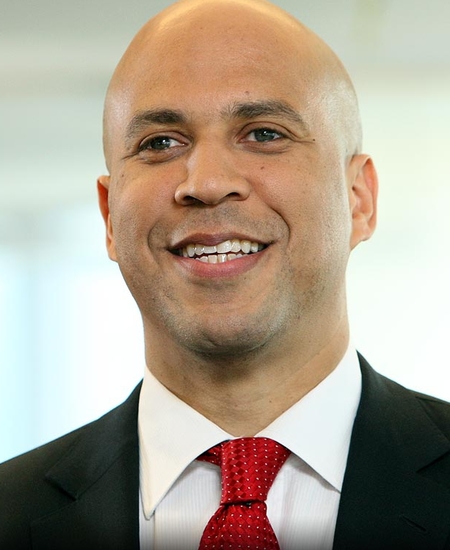
Cory A. Booker
Cory A. Booker Senate
D
Strong −
0% 6
Showing 121–130 of 260 bills

All education bills

in committee · United States · House Mar 31, 2025

HR 2521: American Family FAFSA Opportunity Act of 2025

This bill removes a financial penalty for families with multiple children in college by amending the FAFSA formula. It changes how the expected family contribution is calculated so that the amount cannot drop below zero when dividing by the number of college-enrolled children (excluding parents). This directly affects families with two or more children enrolled full-time in higher education who qualify for federal financial aid. The change applies starting with the 2025-2026 academic year, ensuring these families receive full aid eligibility without reduced benefits due to multiple students.
in committee · United States · House Jun 4, 2025

HR 3711: POST GRAD Act

This bill reinstates the federal government's authority to provide Direct Stafford Loans to graduate and professional students, preventing them from losing access to these loans after 2012. It temporarily extends this loan program through June 30, 2025, by modifying the Higher Education Act to remove a prior termination clause. The key provision allows graduate students to continue borrowing for education costs during this temporary period. This directly affects graduate and professional students who rely on these loans to cover tuition and expenses.
in committee · United States · House May 8, 2025

HR 3298: Know Before You Owe Federal Student Loan Act of 2025

This bill requires colleges to provide new pre-loan counseling to students before they accept federal student loans, explaining projected monthly payments compared to estimated income after expenses. It mandates institutions to show borrowers the estimated total debt (including private loans and future costs) and warn about high debt-to-income risks before they accept loan amounts. During periods when borrowers aren’t required to make payments (like while in school), lenders must send quarterly statements showing loan balances, interest rates, total paid, and how unpaid interest accumulates. The law directly affects federal student loan borrowers and colleges that disburse loans, focusing on transparency before borrowing and during repayment gaps.
in committee · United States · House Mar 5, 2025

HR 1886: Affordable College Textbook Act

HR 1886, the Affordable College Textbook Act, creates a federal grant program to help colleges develop and adopt free digital textbooks (open educational resources), directly reducing costs for students. It requires colleges to publicly disclose textbook prices and indicate if materials are open textbooks on course schedules, while mandating accessibility standards for digital resources. The bill funds faculty training, quality reviews, and research on open textbook effectiveness, with grants prioritizing projects that maximize student savings and expand adoption across institutions. It aims to lower textbook costs - averaging $1,290 annually per student - by incentivizing the creation of freely accessible, high-quality digital course materials.
in committee · United States · House Jun 11, 2025

HR 3938: CLASS Act of 2025

This bill prevents colleges and universities from requiring students to sign enrollment agreements that force them to resolve disputes through private arbitration instead of in court. It specifically removes the Federal Arbitration Act from student enrollment contracts (where students pay for education) and amends the Higher Education Act to prohibit institutions from enforcing restrictions on students' ability to pursue legal claims - such as limiting jury trials, choice of venue, or applicable law. The law directly affects students who enroll in higher education programs and the institutions that require such contracts. It takes effect one year after enactment.
Sub-Topics Higher Education
in committee · United States · House Dec 18, 2025

HR 6857: Protecting Students on Campus Act of 2025

HR 6857 requires all colleges and universities receiving federal funds to prominently display a link to the Department of Education’s civil rights complaint portal on their website homepage and to post annual Title VI awareness materials in high-traffic campus locations (like student centers) and on campus websites. The bill mandates these institutions to annually report discrimination complaints (based on race, color, or national origin) to the Department of Education’s Inspector General. It also requires the Department to provide monthly congressional briefings on complaint volumes and resolution timelines, while the Inspector General must audit institutions with the highest complaint rates and study why some complaints go to schools versus the federal office. This directly affects every federally funded higher education institution in the U.S. by changing how they handle and report civil rights complaints.
in committee · United States · House Jan 15, 2025

HR 468: Mel’s Law

This bill requires colleges and universities to establish a policy for awarding posthumous degrees to students who were enrolled in a degree program, died before completing it, and were in good academic standing at the time of death. It amends the Higher Education Act to mandate this institutional policy and updates accreditation standards to ensure they do not consider the number of posthumous degrees awarded. The policy must be implemented within one year of the law's enactment. This directly affects higher education institutions by changing their degree-issuance procedures for deceased students meeting specific criteria.
Sub-Topics Higher Education
in committee · United States · House Apr 8, 2025

HR 2733: Pell Grant Flexibility Act

HR 2733, the Pell Grant Flexibility Act, amends the Higher Education Act to better support students with disabilities. It allows students with disabilities (as defined by the ADA) who need a reduced course load to have that reduced load counted as full-time enrollment for calculating their Pell Grant amount - specifically, using the greater of their reduced load or 5 credits. This change directly affects eligible students with disabilities who attend college part-time due to their condition. The provision does not impact semester eligibility calculations for Pell Grants under existing rules.
Sub-Topics Higher Education Student Financial Aid Tags People with Disabilities
in committee · United States · House Jun 12, 2025

HR 3943: Opportunity To Address College Hunger Act

This bill requires colleges receiving federal work-study funds to notify eligible students about potential eligibility for the SNAP food assistance program. It specifically targets students participating in federal work-study or receiving Pell Grants, mandating that institutions send email notifications with state-specific SNAP eligibility details and a document confirming their work-study status to overcome a key ineligibility barrier. The notifications, developed jointly by the Education and Agriculture Departments, include application contacts and guidance for schools on identifying eligible students. The policy change directly enables more college students to access nutrition assistance by clarifying their SNAP eligibility through institutional outreach.
in committee · United States · House Sep 11, 2025

HR 5308: Service Starts At Home Act

The Service Starts At Home Act (HR 5308) provides federal funding to support local government internships for secondary and undergraduate students, and offers scholarships based on volunteer service hours. It authorizes $50 million annually (2026-2030) for competitive grants to states or local governments to create paid internships, requiring educational value and accommodations for interns. Additionally, it allocates $100 million annually for state-administered scholarships (up to $3,000 per year) to students who complete 100-250+ volunteer hours, with priority for renewal applicants, and allows funds to cover college costs of attendance. The bill directly affects students in public schools, colleges, and local governments, focusing on community engagement through structured programs rather than broad policy changes.
Showing 121 to 130 of 260 bills
Previous 1 … 12 13 14 … 26 Next