Issue · Education

Education

Every education bill, vote, and legislator stance in United States, automatically classified by Maddy, our AI policy reader.

Total bills
116
119th Congress
Top supporter
Raphael G. Warnock
100% support rate
Top opponent
Thomas Massie
14% support rate
Ranked legislators
10
5 support · 5 oppose
Key legislators

Who's moving education in United States

Legislators moving education in United States
Legislator Party Stance Support rate Votes
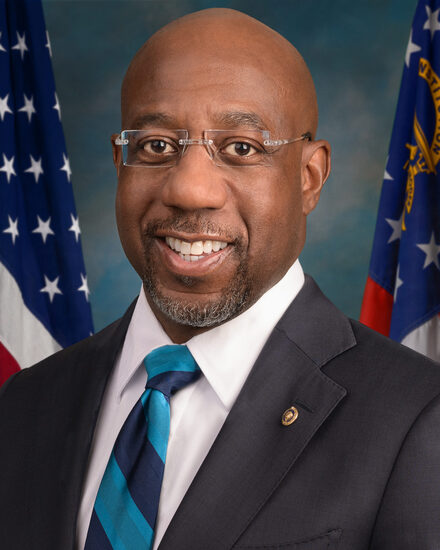
Raphael G. Warnock
Raphael G. Warnock Senate
D
Strong +
100% 167
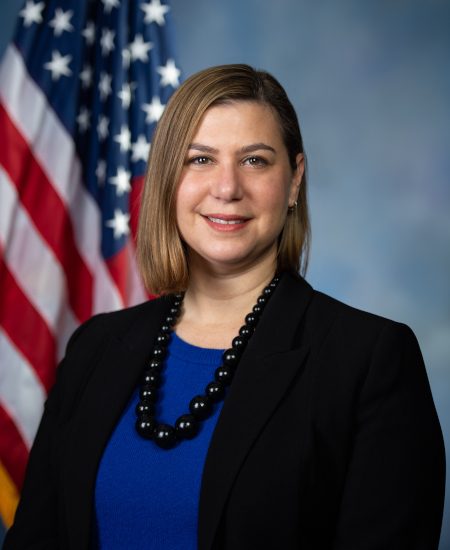
Elissa Slotkin
Elissa Slotkin Senate
D
Strong +
86% 166
Michael F. Bennet
Michael F. Bennet Senate
D
Strong +
86% 137
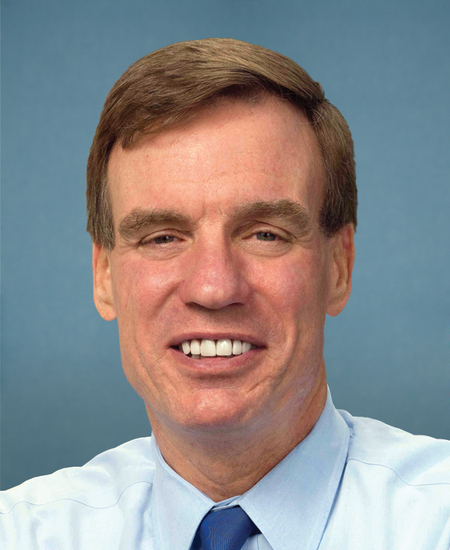
Mark R. Warner
Mark R. Warner Senate
D
Strong +
86% 167
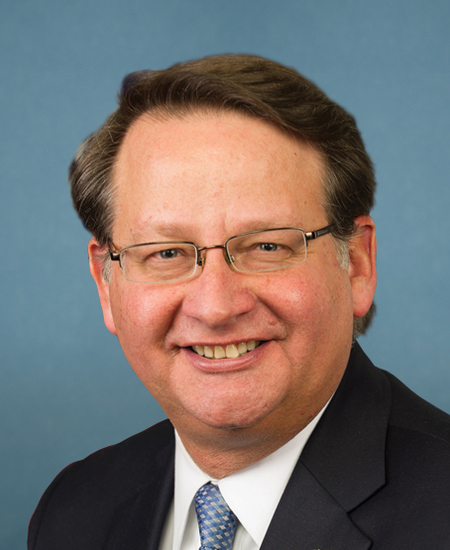
Gary C. Peters
Gary C. Peters Senate
D
Strong +
86% 167
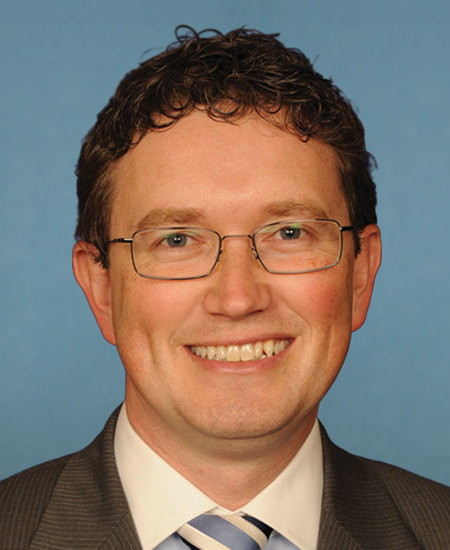
Thomas Massie
Thomas Massie House · District 4
R
Strong −
14% 126
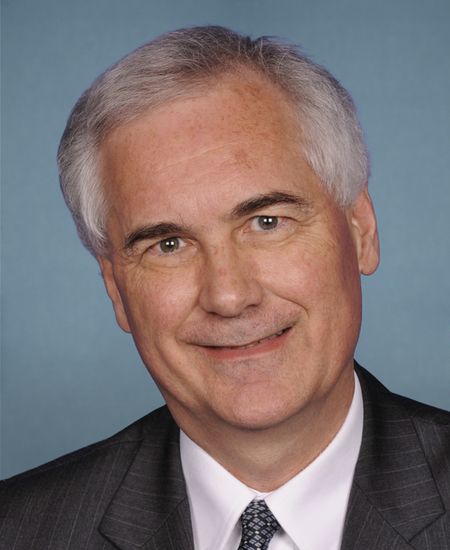
Tom McClintock
Tom McClintock House · District 5
R
Strong −
14% 125
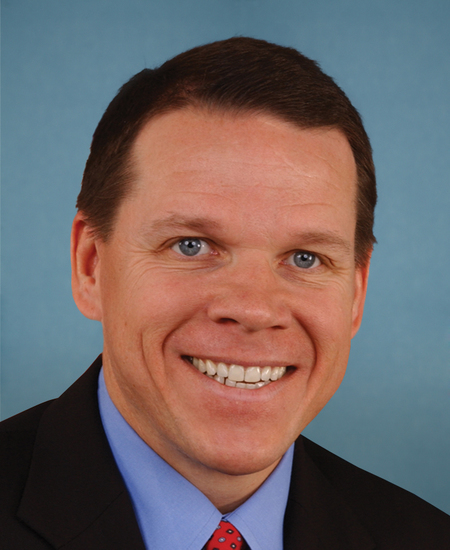
Sam Graves
Sam Graves House · District 6
R
Strong −
14% 124
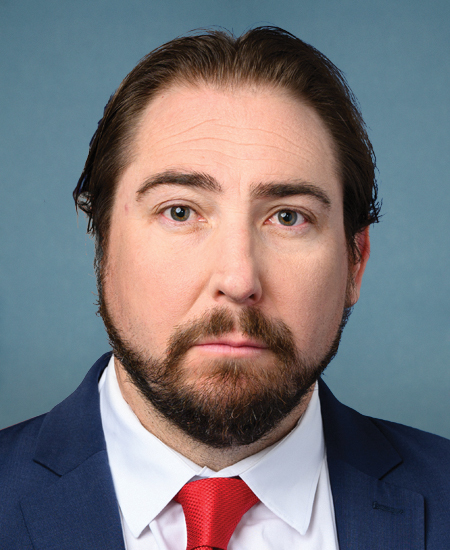
Elijah Crane
Elijah Crane House · District 2
R
Strong −
14% 128
Wesley Hunt
Wesley Hunt House · District 38
R
Strong −
14% 109
Showing 101–110 of 116 bills

All education bills

passed · United States · House Dec 4, 2025

HR 1069: PROTECT Our Kids Act

HR 1069, the PROTECT Our Kids Act, prohibits federal funding for elementary and secondary schools that partner with Chinese government-funded programs like Confucius Institutes or Confucius Classrooms. The bill bans funds under applicable federal education programs from schools having such partnerships, effective one year after enactment. Schools with existing contracts before the bill's passage may request waivers by proving the partnership benefits students and supports U.S. security, though waivers expire when contracts end. The law directly affects schools receiving federal education funds and requires schools to comply within 90 days of enactment.
in committee · United States · Senate Dec 3, 2025

S 3318: American Citizens First Act

The American Citizens First Act restricts federal benefits for noncitizens and strengthens immigration enforcement. It bars noncitizens from receiving most federal benefits, including welfare, food assistance, Medicaid (except emergency services), housing aid, and student loans. The bill also allows revoking citizenship for naturalized citizens convicted of violent protests or acts against the government, expands expedited removal for certain immigrants, and requires security reviews for Afghans admitted since 2021. Additionally, it automatically terminates temporary protected status for nationals from countries where the crime rate among them exceeds the national average by 20%, with semiannual crime rate reports to Congress.
in committee · United States · House Jul 23, 2025

HR 4658: STUDENT Act

HR 4658, the STUDENT Act, would impose new requirements on the National Education Association (NEA) to maintain its federal charter. The bill mandates explicit employee consent for membership dues (ending automatic payroll deductions), prohibits the NEA from engaging in political activities or lobbying, and bans the promotion of specific beliefs (such as claims that the U.S. is fundamentally racist) in schools. It also repeals the NEA's property tax exemption in the District of Columbia and requires the organization to comply with anti-discrimination rules and labor laws. These changes directly affect the NEA and its state/local affiliates, altering how they operate and interact with public schools.
in committee · United States · House Mar 11, 2025

HR 2080: Crucial Communism Teaching Act

HR 2080, the "Crucial Communism Teaching Act," requires high schools to teach students about communism's historical and current impacts. The bill mandates that students learn communism caused over 100 million deaths globally, understand its dangers, and recognize that 1.5 billion people "still suffer under communism." It directs the Victims of Communism Memorial Foundation to develop a high school curriculum and oral history resources ("Portraits in Patriotism") featuring victim stories, with specific focus on modern examples like Xinjiang human rights abuses and China's actions in Hong Kong and Taiwan. The curriculum must be integrated into social studies, government, history, and economics classes, and updated to cover both historical and current communist regimes.
in committee · United States · House Feb 4, 2025

HR 927: To amend the Higher Education Act of 1965 to prohibit institutions of higher education from requiring ideological oaths or similar statements, and for other purposes.

HR 927 prohibits colleges and universities from requiring students, employees, or applicants to endorse ideologies promoting racial, ethnic, or color-based discrimination or to provide statements about their race, ethnicity, national origin, or views on diversity, equity, and inclusion topics. The bill specifically bars institutions from using such statements for admissions, hiring, or contracting decisions. It includes key exceptions allowing institutions to request research content, certification of compliance with antidiscrimination laws, or discussions about teaching approaches. The law does not restrict academic coursework, research, or voluntary disclosures of personal information.
in committee · United States · House Feb 10, 2025

HR 1174: Ensuring Distance Education Act

HR 1174, the Ensuring Distance Education Act, clarifies that revenue from distance education programs must count toward the 90/10 rule for for-profit colleges under the Higher Education Act. This rule limits how much a school can earn from federal student aid (capping it at 90% of total revenue). The bill explicitly adds that funds from programs offered online or partly online - regardless of location - must be included in this calculation. It directly affects for-profit colleges with distance education programs, requiring them to account for all such revenue when meeting the 90/10 compliance standard.
in committee · United States · House Sep 3, 2025

HR 5116: Empower Parents to Protect their Kids Act

HR 5116, the "Empower Parents to Protect their Kids Act," requires all K-12 schools receiving federal funds to obtain parental consent before accommodating a student's gender identity that differs from their sex assigned at birth. The bill prohibits schools from changing student names/pronouns, facilitating gender transition, hiding such information from parents, or encouraging gender transition without parental involvement. Schools must publicly post policies ensuring compliance and provide written policies to families. Parents or the Attorney General can sue schools for violations, seeking injunctions, fees, or compensation for harm caused by unconsented gender transition efforts.
Sub-Topics K-12 Education
in committee · United States · House Jan 13, 2026

HR 2617: Say No to Indoctrination Act

HR 2617, the "Say No to Indoctrination Act," amends the Elementary and Secondary Education Act to prohibit public K-12 schools receiving federal funds from teaching "concepts related to gender ideology" as defined in Executive Order 14168. The bill adds this specific restriction to Section 8526 of the ESEA, directly affecting curriculum content in federally funded schools. This policy change would require schools to avoid instructional materials or lessons addressing gender identity concepts as defined by the referenced executive order.
passed · United States · Senate May 9, 2025

SJRES 7: A joint resolution providing for congressional disapproval under chapter 8 of title 5, United States Code, of the rule submitted by the Federal Communications Commission relating to "Addressing the Homework Gap Through the E-Rate Program".

This joint resolution seeks to block a Federal Communications Commission (FCC) rule that aimed to expand internet access for schools through the E-Rate program, specifically addressing the "homework gap" by increasing funding for student connectivity. The rule, published in the Federal Register on August 20, 2024, would have modified how schools and libraries access broadband under the E-Rate program. If passed, the resolution would cancel this rule, preventing it from taking effect under federal disapproval procedures. This is a procedural action targeting a specific FCC regulatory change, not a new policy.
in committee · United States · Senate Mar 26, 2025

S 1148: A bill to terminate the Department of Education.

This bill (S 1148) directs the termination of the U.S. Department of Education by December 31, 2026. It would end the federal agency responsible for administering education programs, including student loans, school funding, and civil rights enforcement. The legislation directly affects the Department of Education and its staff, as well as the millions of students, schools, and institutions currently served by federal education programs. No additional mechanisms or replacement structures are specified in the bill text.
Showing 101 to 110 of 116 bills